Keeping an Alaskan Malamute at a Working Weight
It’s deceptively easy for an Alaskan Malamute to pack on extra pounds, and before you know it, that thick coat can hide a multitude of weight issues. Owners often struggle because these dogs were built for a different life than many now lead, and their efficient metabolism means what works for other breeds can quickly lead to an overweight Malamute. This guide is here to walk you through exactly how to keep your magnificent companion at a healthy, "working" weight, no matter if they're a sled dog in training or a beloved family pet.
Understanding the Malamute's Unique Metabolism
One of the biggest surprises for new Alaskan Malamute owners is just how little these powerful dogs often need to eat compared to their size. Many people expect a dog of this stature to gobble down vast quantities of food, mirroring perhaps a Mastiff or a Great Dane. However, the Malamute's heritage dictates a far more economical approach to nutrition.
The Ancestral Efficiency Factor
The Alaskan Malamute was developed by the Mahlemut people in the harsh Arctic environment, where food was not always abundant. Survival depended on incredible efficiency – converting every calorie into sustained energy for pulling heavy loads over long distances, often in freezing temperatures. This isn't a breed built for sprinting, but for endurance and power. Their bodies learned to store energy effectively and operate on surprisingly lean fuel. This genetic blueprint means they don't burn through calories at the same rate as many other large, active breeds. Feeding them like a high-octane racing dog or a constantly exercising Labrador can quickly lead to an energy surplus, which, in a Malamute, translates directly to unwanted weight gain. It's a testament to their incredible design, but also a challenge for modern owners.
Many people fall into the trap of thinking a bigger dog needs proportionally more food. But a Malamute's metabolism is slower, more geared towards conserving energy. This is why you’ll often hear experienced Malamute owners talk about how The Efficient Metabolism That Surprises Every New Malamute Owner is a core part of their care. You might see your Malamute seem perfectly content and energetic on less food than a much smaller, higher-strung dog. It's not that they aren't getting enough; it's that their bodies are just that good at making the most of what they receive.
Why They Eat Less Than You Expect
It can be truly perplexing. You look at your big, beautiful Malamute, and then at the recommended feeding guidelines on a bag of kibble for a dog of its weight, and your dog seems to be eating significantly less than suggested. You might worry they're not getting enough, or that they’re somehow unwell. However, for many Malamutes, this is completely normal. The guidelines on dog food bags are often generalized for a broad range of breeds and activity levels, and they tend to err on the side of overfeeding to ensure even the most active dogs get sufficient calories. For a Malamute, especially one who isn't actively working as a sled dog or engaging in intense daily exercise, those guidelines can be far too generous.
This efficient metabolism means that even slight overfeeding can have a big impact over time. A few extra kibbles here, a handful of treats there, and suddenly you're seeing those ribs disappear under a layer of fat. Their bodies are so good at holding onto reserves that it’s almost like they’re perpetually preparing for a famine. So, when you're considering How Much an Adult Alaskan Malamute Should Eat, always start with less than you think and adjust based on their body condition, not just the bag’s recommendations. This breed often thrives on fewer calories than you'd imagine, maintaining their strength and stamina without needing huge portions.
Recognizing What a Healthy Weight Looks Like
Given their dense double coat, figuring out if your Alaskan Malamute is at a healthy weight can be tricky. It's not as obvious as with a short-haired breed where every contour is visible. You can't just glance and know; you need to get hands-on and learn what to look and feel for. This isn't just about aesthetics; maintaining a healthy weight is crucial for their overall health and longevity, preventing a host of preventable issues.
The Rib Test and Tuck
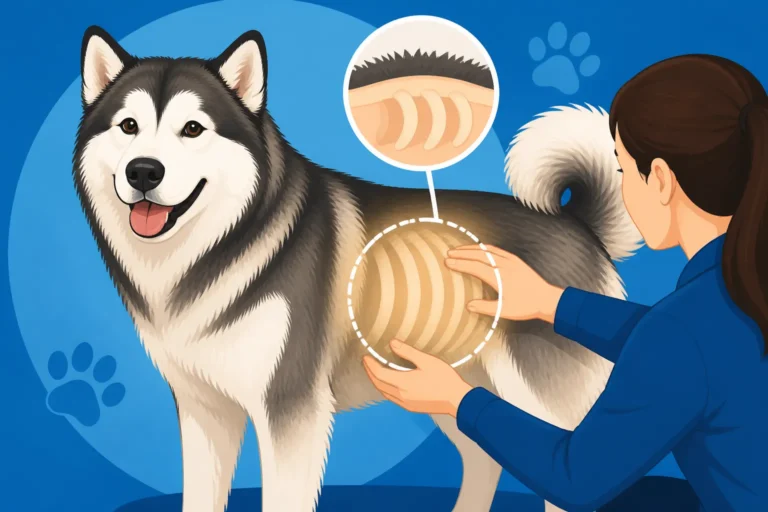
The most reliable way to assess your Malamute’s weight is through a combination of visual cues and physical palpation, often called the "rib test" and checking for an abdominal tuck. First, visually, when your Malamute is standing naturally, you should be able to see a discernible waistline behind their ribs when viewed from above, and a slight tuck-up in their abdomen when viewed from the side. This doesn't mean a dramatic hourglass figure, but a definite curve, not a straight line or a bulging one.
For the rib test, gently run your hands along your Malamute's sides, over their rib cage. You should be able to feel their ribs easily, much like feeling the knuckles on your hand, but without seeing them protrude excessively. If you have to press firmly to feel the ribs, your Malamute is likely overweight. If the ribs are visibly prominent or feel sharp and distinct, they might be underweight, though this is less common in Malamutes kept as pets. This hands-on assessment is far more accurate than just looking, especially during their The Malamute Coat Blow That Fills a Vacuum in an Afternoon or when their coat is at its thickest. Familiarizing yourself with how your dog’s ribs and waist feel when they are at an ideal weight will make it easier to spot changes before they become problematic. This method helps to truly understand Feeling for Ribs Under an Alaskan Malamute's Coat.
Overweight Risks for Malamutes
Allowing an Alaskan Malamute to become overweight isn't just about looking less athletic; it significantly increases their risk for several serious health issues. Just like in humans, excess weight puts an enormous strain on their joints, especially crucial for a breed predisposed to conditions like hip and elbow dysplasia. Imagine carrying an extra 10-20 pounds all day, every day – it wears down cartilage, exacerbates existing joint issues, and can lead to painful arthritis prematurely. We all want our Malamutes to have a long, comfortable life, and protecting their joints is paramount.
Beyond joint problems, obesity in Malamutes can lead to a host of other metabolic and cardiovascular challenges. They can be more prone to diabetes, heart disease, and respiratory difficulties. That thick double coat, which is a blessing in cold weather, becomes a curse when they're carrying extra insulation, making them far more susceptible to overheating, especially in warmer climates. Whether an Overweight Malamute Overheats Faster is a very real concern for this breed. Furthermore, an overweight Malamute often has reduced stamina and less enthusiasm for exercise, creating a vicious cycle where less activity leads to more weight gain. It impacts their quality of life, their ability to perform their natural behaviors like pulling or long walks, and ultimately, their lifespan. Keeping them lean is truly an act of love and preventative care.
Tailoring Diet to Activity Level
The truth is, not all Malamutes are created equal when it comes to their daily energy expenditure. A Malamute that spends its weekends pulling a sled or backpacking miles of trail has vastly different caloric needs than one whose primary activity is a leisurely walk around the block and extensive napping. A 'working weight' isn't just a number; it's a condition where their body is optimally fueled for their lifestyle without carrying excess baggage.
Fueling the Active Malamute
For a Malamute actively engaged in working activities like weight pulling, mushing, skijoring, or even long, strenuous hikes several times a week, their diet needs to reflect their higher energy demands. These dogs are burning significant calories and require a diet rich in high-quality protein and healthy fats to maintain muscle mass and provide sustained energy. Simply increasing the volume of a standard kibble might not be the most effective approach; sometimes, a performance-oriented formula is more appropriate. Look for foods with higher fat percentages (typically 20-30%) and protein levels (around 25-35%) to meet these needs.
However, even with active Malamutes, it's a delicate balance. Whether a Working Malamute Needs Double Rations is a common question, and the answer is usually no. While they need more, "double" is rarely the answer due to their efficient metabolism. You'll still need to monitor their body condition closely and adjust. For those who opt for fresh food diets, like those offered by Ollie, ensuring the caloric density is adequate for their activity level is crucial, as some fresh foods can be lower in calories by volume. Supplementation with healthy fats, like fish oil, might also be beneficial for joint health and coat condition under heavy exertion. Your goal is to provide enough fuel to maintain their strength and stamina without adding unnecessary weight that could hinder their performance and put strain on their bodies.
Adjusting for the Couch Potato
Let's be realistic: most Alaskan Malamutes today are beloved family companions, not working sled dogs. While they still require regular exercise, their daily activity level is often far removed from their ancestral calling. For these "couch potato" Malamutes, overfeeding is the single biggest threat to their health. Their highly efficient metabolism means they simply don't need a lot of calories to maintain weight, let alone thrive.
For these Malamutes, a lower-calorie, lower-fat dog food designed for less active or weight-management specific diets is often the best choice. Portion control becomes absolutely critical. Instead of free-feeding, which is almost always a recipe for disaster with a Malamute, carefully measure out their meals, ideally splitting their daily allowance into two smaller meals to help manage hunger and metabolism. You might find that Taking Weight Off a Malamute That Is Not Working involves surprisingly small adjustments to their daily food intake. Avoiding high-calorie treats and table scraps is also paramount. Even a few extra calories from these sources can quickly add up, especially for a dog whose body is so adept at storing fat. Think of it this way: for every extra half-cup of kibble or large biscuit, your Malamute is holding onto that energy.
The Role of Treats and Supplements
Treats are an undeniable part of the human-dog bond, and who can resist those soulful Malamute eyes? However, treats are often silent calorie bombs that sabotage weight management efforts. For a Malamute, especially one on a weight-loss journey or maintaining a lean physique, treats need to be factored into their daily caloric intake. This means choosing low-calorie options, breaking larger treats into tiny pieces, or using fresh vegetables like carrots, green beans, or apple slices (without seeds) as healthy alternatives. Many brands available on Chewy or Amazon offer low-calorie training treats that can be a lifesaver.
Supplements, on the other hand, usually contribute minimal calories but are important for overall health. Joint supplements containing glucosamine and chondroitin can be especially beneficial for a heavy-boned breed like the Malamute, particularly as they age or if they are prone to joint issues. Fish oil is another excellent supplement for coat health and anti-inflammatory benefits. However, always consult your veterinarian before adding any new supplements to ensure they are appropriate for your individual dog’s needs and don’t interact negatively with their diet or any existing conditions. Remember, supplements support a healthy diet; they don't replace the need for proper nutrition and weight control.
| Activity Level (Approximate) | Daily Calorie Need (kcal/day for 80lb Malamute) | Recommended Diet Type | Feeding Strategy |
|---|---|---|---|
| Low (Pet, minimal walks) | 1,200 – 1,500 kcal | Adult Maintenance / Weight Management | Strict portion control, 2 meals/day, low-cal treats |
| Moderate (Daily walks, playtime) | 1,500 – 2,000 kcal | Adult Maintenance / Active Adult | Measured portions, 2 meals/day, mindful treats |
| High (Regular pulling, strenuous hikes) | 2,000 – 2,500+ kcal | Performance / High Energy | Increased fat/protein, 2-3 meals/day, nutrient-dense treats |
Note: These are general guidelines. Individual Malamute metabolism, age, sex, and environmental factors will influence exact caloric needs. Always consult your veterinarian.
The Impact of Age and Life Stages
An Alaskan Malamute's nutritional needs and tendency to gain or lose weight aren't static; they evolve significantly throughout their life. What works for a boisterous adolescent puppy will likely be too much for a senior dog whose metabolism has slowed down. Understanding these shifts is key to consistent weight management.
Puppy Growth and Weight Management
Alaskan Malamute puppies grow at an impressive rate, but it's crucial that this growth is steady and controlled, not rapid and forced. Rapid growth, often fueled by overfeeding high-calorie puppy foods, can put undue stress on their developing joints and bones, increasing the risk of orthopedic issues later in life, such as hip and elbow dysplasia. For this reason, many breeders and veterinarians advocate for what's often called "slow growth."
Instead of aiming for the chunkiest puppy, you want a lean, athletic youngster. Feeding a large-breed puppy formula is often recommended because these formulas are typically designed to support slower, more controlled growth, with appropriate calcium-to-phosphorus ratios. Why a Malamute Puppy Should Grow Slowly isn't just a suggestion; it's a critical component of their long-term joint health. Monitor your puppy's body condition weekly. You should easily feel their ribs, and they should have a visible waist. Adjust their food intake as they grow and their activity levels change. Remember, they will reach their full height around 12-18 months, but they continue to fill out and gain muscle mass until about two to three years of age, which impacts The Age an Alaskan Malamute Reaches Full Weight. Keep them lean during these crucial developmental years.
Senior Malamutes and Metabolic Shifts
As your Alaskan Malamute transitions into their senior years, typically starting around age 7 or 8, their metabolism will naturally begin to slow down. Their activity levels might decrease due to joint stiffness, general slowing, or other age-related health issues. This combination means their caloric needs will drop significantly, making them even more prone to weight gain. Caring for an Alaskan Malamute Past Eight often involves careful dietary adjustments.
It's common for senior Malamutes to gain weight if their diet isn't adjusted, and this extra weight can exacerbate age-related joint pain, heart issues, and reduce their overall mobility and quality of life. Conversely, some senior Malamutes might start to lose weight due to dental problems, decreased appetite, or underlying health conditions. This highlights the importance of regular veterinary check-ups for senior dogs, where their weight and body condition can be assessed, and any necessary dietary changes or health concerns addressed. Feeding an Old Alaskan Malamute may involve switching to a senior-specific formula that is lower in calories but still provides adequate protein for muscle maintenance, along with joint support supplements. The goal is to keep them comfortable, mobile, and at a healthy weight to enjoy their golden years to the fullest.
Practical Strategies for Weight Management
Successfully managing an Alaskan Malamute's weight requires a holistic approach that combines careful nutrition with consistent exercise and regular monitoring. It's an ongoing commitment, but one that pays dividends in your dog's health and happiness.
Portion Control and Feeding Routines
One of the most effective tools in your weight management arsenal is strict portion control. Free-feeding, where food is left out all day, simply doesn't work for most Malamutes, whose efficient bodies will quickly take advantage of the constant availability. Instead, measure out their food precisely. If your Malamute is currently overweight, your veterinarian can help you calculate the exact number of calories needed for healthy, gradual weight loss.
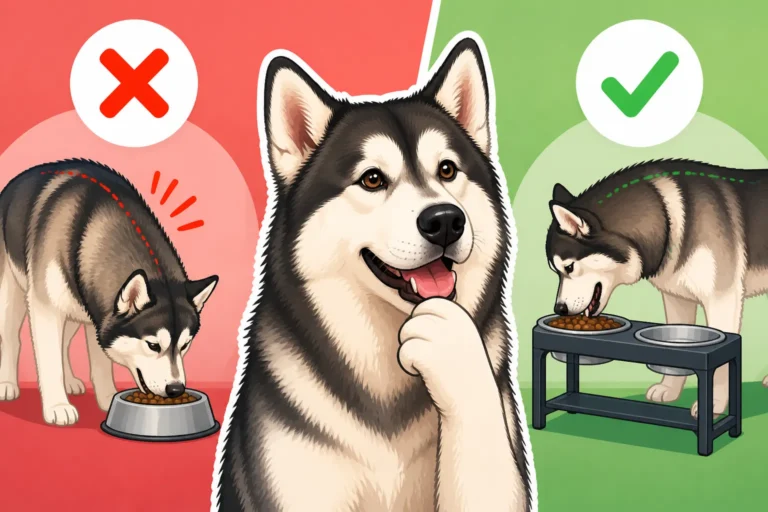
Typically, two meals a day is ideal for an adult Malamute, morning and evening. This helps to regulate their metabolism, prevents them from getting overly hungry, and allows you to better monitor their intake. Use a dedicated measuring cup – don't just eyeball it. Remember, kibble density can vary greatly between brands, so a cup of one food might have significantly more calories than a cup of another. For dogs that eat too quickly, consider using a slow feeder bowl, which can help prevent bloat and also prolong mealtime enjoyment. Many effective slow feeders are readily available on Amazon or Chewy. Consistency in feeding times also helps regulate their digestive system and appetite.
Exercise for Weight Maintenance
While diet is paramount, exercise is the crucial partner in maintaining a Malamute's working weight. These dogs were bred to move, and they thrive on consistent physical activity. Regular exercise burns calories, builds and maintains lean muscle mass, supports joint health, and provides mental stimulation, which is equally important for this intelligent breed.
The amount and type of exercise will, of course, depend on your individual Malamute's age, health, and current fitness level. For most adult Malamutes, daily brisk walks, jogging, hiking, or even swimming are excellent choices. Many Malamutes love to pull, and engaging in activities like recreational mushing, bikejoring, or urban mushing (even with a cart) can provide fantastic physical and mental exercise, mimicking their natural instincts. Just be mindful of the weather; Malamutes are prone to overheating in warm climates, so exercise should be done in cooler parts of the day. If you're wondering How Much Exercise an Alaskan Malamute Needs, remember that consistency and quality of movement are more important than just letting them out in the yard.
Consulting Your Vet and Diet Specialists
You are your Malamute's best advocate, but sometimes you need expert help. If you're struggling to manage your Malamute's weight, or if you suspect an underlying health issue contributing to weight gain or loss, your veterinarian is your most valuable resource. They can perform a thorough physical examination, check for conditions like hypothyroidism (which can cause weight gain), and help you develop a safe and effective weight management plan tailored to your dog's specific needs.
In some cases, your vet might recommend a prescription weight-loss diet, which is specially formulated to provide satiety with fewer calories. They can also refer you to a veterinary nutritionist for a more in-depth dietary assessment, especially if your Malamute has other health conditions. Don't be afraid to ask questions, discuss your dog's current diet and exercise routine, and be open to making changes. It's a team effort, and your vet's guidance is indispensable in ensuring your Alaskan Malamute stays at their ideal working weight for a long, healthy life.
Disclaimer
This article is for general informational purposes only and does not constitute professional advice. Laws, prices and regulations vary by location and change over time. Consult a qualified professional for guidance on your specific situation.