Why an Alaskan Malamute Must Never Be Shaved
It's a hot summer day, your magnificent Alaskan Malamute is panting, and you're sweating just looking at all that fur. The thought crosses your mind: wouldn't it be easier, more humane even, to just shave them down? You're not alone in that fleeting thought; many Malamute owners, desperate to make their beloved dogs more comfortable, consider taking clippers to that glorious double coat. But trust me, as someone who's walked this path with my own fur-babies and seen the consequences, shaving an Alaskan Malamute is one of the biggest mistakes you can make for their health and well-being. This guide will walk you through exactly why those clippers need to stay far away from your Malamute and what you should do instead to keep them happy and cool.
The Marvel of the Malamute's Double Coat
To truly understand why shaving is detrimental, we first need to appreciate the incredible engineering of an Alaskan Malamute's coat. It's not just fur; it's a sophisticated, multi-layered insulation system, perfected over centuries to allow them to thrive in some of the harshest climates on Earth. This coat is their armor against the elements, their personal climate control system. Trying to "fix" it by shaving is like trying to improve a high-performance car by removing vital engine parts.
Understanding the Undercoat's Insulating Power
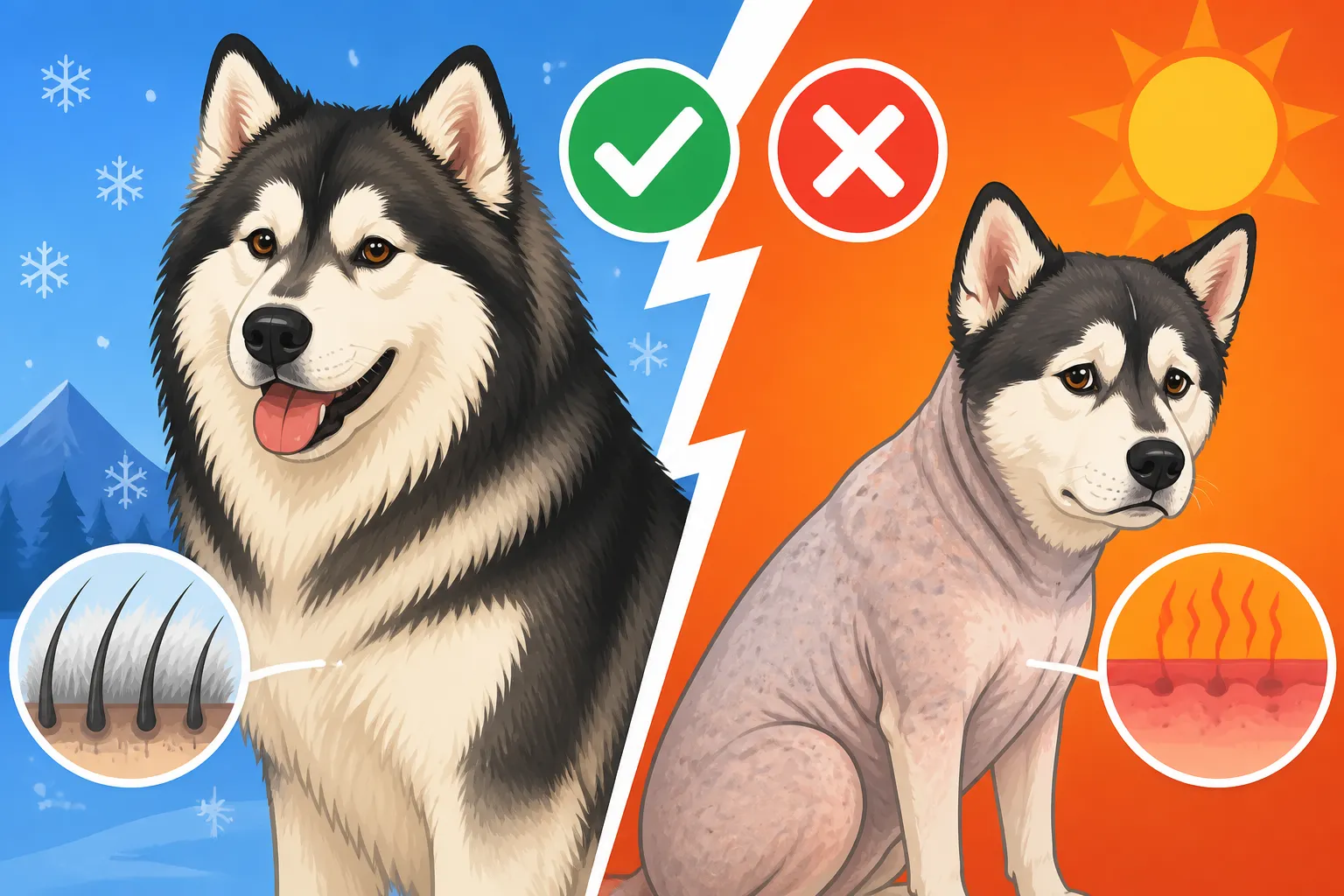
Beneath those longer, coarser outer hairs lies the true workhorse of the Malamute's coat: a dense, woolly undercoat. This isn't just any fluff; it's a super-insulator. Picture a down jacket for humans – that's essentially what your Malamute's undercoat is. Each fine, soft hair traps a layer of air close to the dog's body, creating a thermal barrier. In winter, this barrier holds warmth in, preventing heat loss to the frigid environment. It's truly astonishing how much cold these dogs can withstand, thanks largely to this protective layer.
What many people don't realize is that this same undercoat also acts as insulation in reverse during warmer months. It helps prevent external heat from reaching the skin, much like the insulation in your attic keeps your house cooler in summer. By trapping cooler air closer to the skin and reflecting sunlight, it creates a microclimate that can be significantly cooler than the ambient air temperature. Removing this layer exposes the skin directly to solar radiation and ambient heat, making your Malamute hotter, not cooler.
The Guard Hairs: Protection from the Elements
The outer layer of a Malamute's coat consists of longer, stiffer hairs known as guard hairs. These are the hairs that give the coat its distinct texture and shine, and they're far more than just decorative. The guard hairs are naturally water-repellent, shedding snow and rain to keep the undercoat dry and effective. They also provide a physical barrier against dirt, burrs, and insects, protecting the delicate skin beneath. Think of them as the outer shell of a high-tech winter jacket – durable, weather-resistant, and designed to keep the inner insulation functional.
Furthermore, these guard hairs shield your Malamute's skin from harmful UV rays, preventing sunburn. They stand slightly off the body, creating that crucial air circulation space. When you shave these off, you strip away their primary defense against environmental hazards. Your dog isn't just losing insulation; they're losing their protective armor, leaving their skin vulnerable to a host of problems we'll explore next.
The Double Coat as a Natural Thermostat
In essence, the Malamute's double coat functions as a highly efficient, self-regulating thermostat. It allows for air circulation close to the skin, facilitating evaporative cooling when the dog pants. The dense undercoat provides both warmth in cold and a reflective barrier against heat in warm weather, while the guard hairs protect from sun, wind, and moisture. This system is a marvel of natural selection, honed over millennia to keep these dogs comfortable across a vast temperature range.
Disrupting this natural system by shaving it off is a profound misunderstanding of how it works. You're not helping your Malamute by removing their built-in air conditioning and heating system; you're dismantling it entirely. They rely on this coat to manage their body temperature far more effectively than any human intervention can, especially when it comes to the complex interplay of insulation, protection, and air flow.
Why Shaving Actively Harms Your Malamute
It might seem counterintuitive, but shaving your Malamute down in the summer doesn't provide relief; it actually creates more problems and causes them greater discomfort. The consequences range from making them hotter to exposing them to serious skin issues.
Impaired Thermoregulation: The Heat Trap
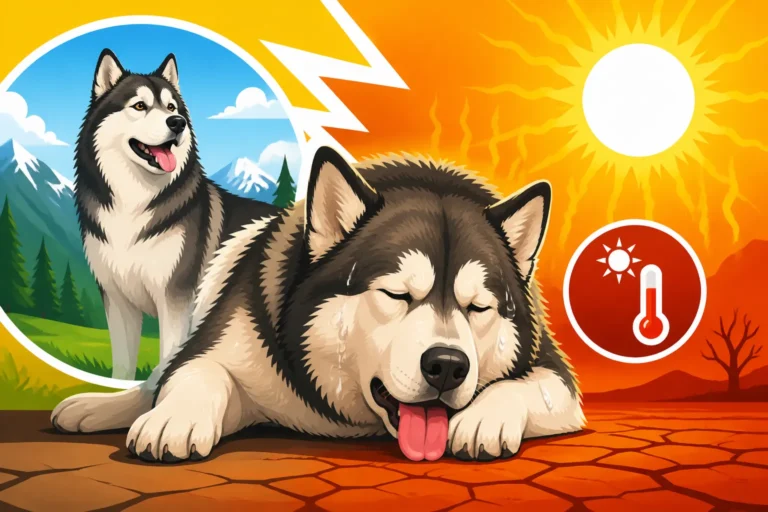
When you shave a Malamute, you remove the dense undercoat that, as we discussed, traps a layer of cooler air next to the skin in summer. Without this insulating layer, their skin is directly exposed to the ambient heat and the sun's powerful rays. This is like removing the insulation from your house's walls in summer, assuming it will make the interior cooler. Instead, the heat transfers directly through. A shaved Malamute's skin can absorb far more heat from its surroundings, making them hotter than if they had their full coat. The coat also facilitates convection, allowing air to move through it, helping to dissipate heat as the dog pants. Remove that structure, and you hinder this natural cooling mechanism. Whether a Shaved Malamute Overheats Faster is a resounding yes.
Imagine walking outside on a blazing hot day wearing only a thin t-shirt versus a loose, light-colored long-sleesleeved shirt. The long-sleeved shirt often feels cooler because it reflects sunlight and prevents direct absorption of heat by your skin. Your Malamute's coat works in a similar fashion. Without it, their body has to work harder to cool itself, increasing their risk of overheating and heatstroke.
Increased Risk of Sunburn and Skin Damage
The Malamute's skin, like human skin, is susceptible to sunburn. However, their skin has evolved to be protected by a thick coat. When that protective layer of guard hairs is removed, their skin is suddenly vulnerable to direct exposure to ultraviolet (UV) radiation. This isn't just uncomfortable; sunburn can be painful, leading to redness, blistering, and peeling, much like it does for humans. In severe cases, it can even contribute to an increased risk of skin cancers over time.
Beyond sunburn, the exposed skin is also more prone to environmental irritants. Insect bites from mosquitoes, flies, and other pests become more common and can lead to itchy welts, allergic reactions, and secondary skin infections. Scratches from bushes or rough surfaces, which the guard hairs would normally deflect, can also cause cuts and abrasions. Your Malamute's coat is their first line of defense against the world, and shaving it removes that critical protection.
The Battle Against Allergies and Pests
A shaved coat leaves the skin directly exposed to environmental allergens like pollen, dust, and grass. While a full coat doesn't prevent all allergic reactions, it can certainly reduce the direct contact these irritants have with the skin. For Malamutes already prone to skin sensitivities, shaving can exacerbate conditions or trigger new ones, leading to relentless itching, redness, and inflammation. It's an open invitation for discomfort.
Furthermore, with less hair for ticks, fleas, and other parasites to navigate through, their skin becomes a more accessible target. While a shaved dog doesn't inherently attract more parasites, the bites are often more irritating and noticeable on bare skin. This can lead to increased scratching, which further damages the skin barrier and opens the door for secondary bacterial or yeast infections, turning a simple bite into a much larger, more uncomfortable problem for your Malamute.
The Permanent Damage to Coat Health and Appearance
The consequences of shaving a Malamute aren't just immediate; they can have lasting effects on the texture, integrity, and beauty of their famous coat. It's not uncommon for the coat to grow back completely differently, or even not at all in some areas, leading to a condition known as "clipper alopecia."
The Risk of "Clipper Alopecia" and Uneven Regrowth
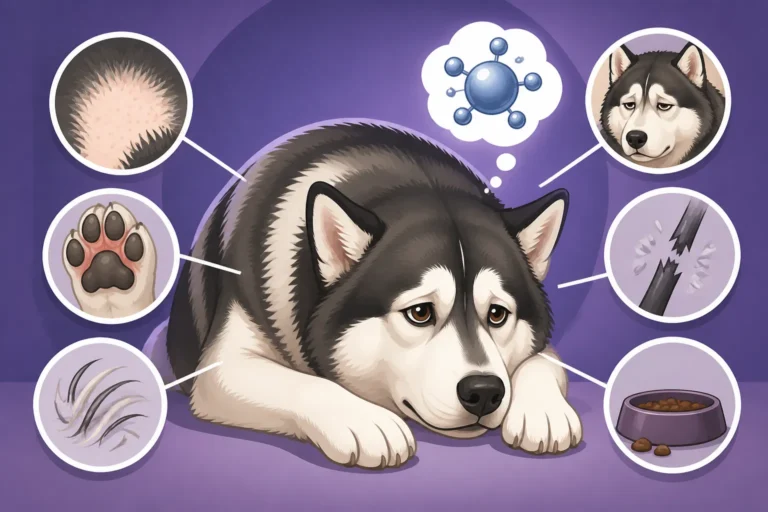
One of the most disheartening outcomes of shaving a Malamute is the potential for their coat to never grow back properly. This is known as "post-clipping alopecia" or "clipper alopecia." While it doesn't happen to every shaved dog, it's a significant risk, particularly in breeds with dense double coats like the Malamute. The exact mechanism isn't fully understood, but it's believed that the trauma of clipping and the sudden exposure to light and temperature changes can disrupt the natural hair follicle cycle.
When the coat does grow back after shaving, it often comes in unevenly, with some areas remaining sparse or completely bald for months, or even permanently. The texture can also change drastically; the soft, fluffy undercoat might grow faster and denser than the coarser guard hairs, resulting in a "woolly" or "cottony" texture that lacks the protective qualities and striking appearance of a natural Malamute coat. Whether a Shaved Alaskan Malamute Regrows Its Coat is a question with a complicated and often disappointing answer.
Altered Texture and Protection
Even if your Malamute's coat eventually grows back fully, its texture is often permanently altered. The delicate balance between the soft undercoat and the coarse guard hairs is disrupted. The undercoat may come back thicker and more prone to matting, while the guard hairs may grow in weaker or not at all in sufficient density. This change in texture can make the coat even more difficult to maintain than before, requiring more frequent and careful grooming to prevent tangles and mats.
More importantly, this altered coat loses much of its natural protective function. The water-repellent qualities of the guard hairs might be diminished, making your Malamute more susceptible to getting wet and cold. The natural air circulation that helps them cool down will be compromised, potentially making them less comfortable in the heat. It's a cruel irony that an act intended to help can inadvertently strip away their natural defenses.
The Lost Luster and Natural Beauty
An Alaskan Malamute's coat is a hallmark of the breed's beauty and majesty. The thick, plush undercoat and the strong, glistening guard hairs create a stunning silhouette. Shaving irrevocably changes this. The coat that grows back might appear dull, patchy, and uneven, losing the characteristic richness and depth of color. That magnificent plume tail, another defining feature, can look sparse and scraggly after being clipped.
For owners who appreciate the aesthetic appeal of their Malamute, shaving is a painful step from which there may be no full return. It's a permanent alteration that can detract significantly from their breed-specific appearance, transforming their regal look into something far less impressive. While cosmetic concerns are secondary to health, it's a valid consideration for anyone contemplating such a drastic change.
Debunking Common Shaving Myths
The desire to shave a Malamute usually stems from a place of love and concern, but it's often fueled by misconceptions. Let's tackle some of the most common myths head-on and understand why they simply don't hold up.
"It'll Keep Them Cooler in Summer"
This is, by far, the most prevalent myth, and we've already touched on why it's fundamentally incorrect. The argument is that less hair equals less heat, which makes intuitive sense for humans, but not for a double-coated dog. As previously explained, your Malamute's double coat acts as both insulation against cold and a barrier against heat. It keeps the warm air out and allows for crucial air circulation close to the skin. When you shave off that protective layer, you're removing their natural defense against the sun's intense UV radiation and the ambient heat.
Think of it like this: if you were in the desert, would you rather wear nothing, or a loose, breathable white robe that reflects the sun's rays and allows air to flow? Most people would choose the robe for protection and cooling. Your Malamute's coat is its desert robe, perfectly adapted to manage extreme temperatures. Removing it makes them more susceptible to heatstroke, not less.
"It Reduces Shedding"
Oh, the shedding! Every Malamute owner knows the struggle of The Malamute Coat Blow That Fills a Vacuum in an Afternoon. It can feel like an endless battle against tumbleweeds of fur. The idea that shaving will reduce shedding is appealing, but it's another myth. While a shaved Malamute might temporarily shed shorter hairs, they will still shed. The shedding cycle is hormonal and seasonal, not dependent on the length of the hair.
What often happens is that the shaved undercoat grows back with a vengeance, becoming thicker and more woolly, which can actually lead to more matting and subsequent shedding problems down the line. Plus, those short, prickly hairs that grow back can be incredibly itchy for the dog, leading to excessive scratching and potential skin irritation. Instead of reducing shedding, you're merely changing the type of hair that sheds, and potentially making future coat blows even more challenging.
"It Makes Grooming Easier"
For a breed like the Alaskan Malamute, known for its epic coat blows and dense fur, the idea of easier grooming is a powerful draw. Many believe that without all that hair, brushing will be a breeze, and baths will be quicker. While initial baths on a shaved dog might indeed be faster, the long-term reality is often the opposite.
As mentioned, the regrowing coat can be uneven and prone to matting. The undercoat may grow back woollier and tangle more easily, especially if the guard hairs don't return to their full protective function. This means that instead of reducing grooming time, you might find yourself battling a perpetually unruly coat that needs even more attention to prevent mats and maintain any semblance of health. Furthermore, trying to brush out a re-growing, patchy coat can be much harder than maintaining a healthy, full coat with the right tools.
Effective and Safe Alternatives for Malamute Comfort
Now that we've debunked the myths and understood the dangers, let's focus on what you can and should do to keep your Alaskan Malamute comfortable, especially when the temperatures rise. These methods support their natural cooling system rather than dismantling it.
Regular, Thorough Brushing and Deshedding
The absolute best thing you can do for your Malamute's coat health and comfort is regular, thorough grooming. During a coat blow, it can feel like a never-ending task, but it's essential. This is how you remove the dead undercoat, which is the primary culprit for overheating and matting. A thick layer of dead, trapped undercoat prevents air circulation and can indeed make your dog feel hotter.
Invest in high-quality deshedding tools like an undercoat rake and a slicker brush. Tools like those found on Chewy or Amazon can make a huge difference. Regular brushing, especially during the intense seasonal "blows," helps pull out all that loose, insulating undercoat, allowing for proper air flow close to the skin. How Much Undercoat Comes Off an Alaskan Malamute during these times is astounding, but removing it is key. A good session with a force dryer, either at home or at a professional groomer, can also effectively blast out dead undercoat and dramatically shorten How Long a Malamute's Coat Blow Lasts. This proactive grooming not only keeps them cooler but also significantly reduces the amount of fur ending up in your house.
Strategic Cooling Practices
Beyond coat care, there are many safe and effective ways to help your Malamute beat the heat. These strategies focus on environmental management and sensible activity levels. First and foremost, always ensure your Malamute has access to fresh, cool water, especially on warm days. Consider adding ice cubes to their bowl or using a large, spill-proof water dispenser.
Secondly, manage their exercise schedule. Avoid walks and strenuous activity during the hottest parts of the day. Early mornings and late evenings are much safer. How Long an Alaskan Malamute Can Be Outside at Ninety Degrees is very limited, so keep them indoors in air conditioning or in a cool, shaded area with good airflow during peak heat. Kiddie pools with a few inches of water, cooling mats (easily found on Amazon), or even a damp towel draped over them can provide immediate relief. Whether an Alaskan Malamute Should Be Wet Down in Heat can be beneficial, but focus on the belly and paws for maximum effect, rather than soaking the entire coat, which can trap heat if not air-dried properly.
Professional Grooming for Coat Health
Sometimes, tackling a Malamute's coat, especially during a heavy blow, is just too much for an owner to handle alone. This is where professional groomers come in. A professional groomer experienced with double-coated breeds can provide a "deshedding" treatment that goes far beyond what most home groomers can achieve. They use specialized high-velocity force dryers to blow out the dead undercoat, which is incredibly effective. What a Force Dryer Does for a Malamute's Coat Blow is truly remarkable, clearing out massive amounts of fur and allowing the skin to breathe.
They can also trim feathers (the longer hair on legs and tail) and tidy up paws, ensuring no mats form in these areas. While they won't shave the body, they can maintain the coat's health and functionality, ensuring your Malamute is as comfortable as possible. Discussing your Malamute's needs with a groomer, perhaps one who also carries quality products like those found on Chewy for dogs with specific coat needs, can provide tailored advice and services to keep that magnificent coat in prime condition.
Table: Shaving vs. Proper Coat Care for Malamutes
| Feature | Shaving a Malamute | Proper Coat Care (Brushing, Deshedding) |
|---|---|---|
| Thermoregulation | Impairs natural cooling; increases heat absorption. | Enhances air circulation; maintains natural insulation. |
| Sun/Skin Protection | Removes UV protection; increases sunburn & skin damage risk. | Maintains natural barrier against sun, pests, and elements. |
| Allergies/Pests | Exposes skin directly to allergens and insect bites. | Provides a protective layer against irritants. |
| Coat Regrowth | Risk of "clipper alopecia," uneven, woolly, or no regrowth. | Promotes healthy, strong hair follicles and proper regrowth. |
| Coat Texture | Often results in coarse or cottony texture. | Preserves the natural coarse guard hairs and soft undercoat. |
| Shedding Management | Temporarily changes shed hair length; doesn't stop shedding. | Removes dead undercoat, significantly reducing shedding burden. |
| Aesthetic Appeal | Can permanently alter natural beauty and appearance. | Maintains the breed's iconic majestic look and luster. |
| Overall Comfort | Leads to greater discomfort in heat; potential skin issues. | Maximizes comfort by supporting natural coat function. |
Caring for the Alaskan Malamute Coat All Year Round
The journey of caring for an Alaskan Malamute's coat isn't just about summer; it's a year-round commitment that ensures their health, comfort, and magnificent appearance. Understanding their coat and providing consistent care is a key aspect of responsible Malamute ownership.
In the colder months, that dense undercoat is an absolute lifesaver. It’s what allows them to truly thrive in snow and frigid temperatures, doing exactly what they were bred for. During this time, while the shedding might not be as dramatic as a full coat blow, regular brushing is still important to prevent matting and ensure the coat remains free of debris. A healthy, clean coat performs its insulating duties best. Just like how you want to keep your own winter coat clean and well-maintained, the same goes for your Malamute. Products available from retailers like Ollie, which focus on overall canine wellness, can sometimes contribute to a healthier coat through nutrition, ensuring a strong foundation for their fur.
As the seasons transition, particularly in spring and fall, your Malamute will undergo those epic coat blows. This is a natural process where they shed their seasonal undercoat to adapt to changing temperatures. It’s messy, it’s never-ending, and it will challenge your vacuum cleaner to its limits – believe me, I've gone through a few! This is when your deshedding tools become your best friends. The more dead undercoat you remove, the more comfortable your Malamute will be, and the less fur will take over your home. It’s a labor of love, but it’s crucial. For example, Whether a Deshedding Treatment Is Worth It on a Malamute is a definite yes, especially during these periods, as it dramatically reduces the amount of loose hair.
Beyond brushing, don’t forget the occasional bath. While Malamutes are generally clean dogs and don’t need frequent bathing, a bath (followed by a thorough drying, ideally with a force dryer) can help loosen and remove dead undercoat, especially during a blow. Ensure you're using a dog-specific shampoo that won't strip their natural oils, keeping their skin healthy underneath that incredible fur. The guard hairs, being water-resistant, often require a good shampoo and rinse to penetrate through to the undercoat and skin.
Ultimately, resisting the urge to shave your Malamute comes down to respecting their unique biology and providing the right kind of care. They are not like human-haired breeds; their coat is a complex, vital organ that serves multiple purposes. By understanding its function and committing to proper grooming, you ensure your Malamute remains healthy, comfortable, and truly majestic, living their best life, whether they’re enjoying a romp in the snow or chilling out on a cool mat on a warm day.
Disclaimer
This article is for general informational purposes only and does not constitute professional advice. Laws, prices and regulations vary by location and change over time. Consult a qualified professional for guidance on your specific situation.