Whether a Zinc Rich Diet Prevents Malamute Dermatosis
It’s a natural and completely understandable desire to want to solve our Malamutes' health issues with something as simple as adjusting their diet. When you see your beautiful, fluffy companion suffering from flaky, crusty skin, often around their face, eyes, or paw pads, your first thought might be, "What can I feed them to make this go away?" Many owners hope that a simple switch to a 'zinc-rich' dog food or adding some zinc-heavy human foods will banish the dreaded zinc responsive dermatosis. Unfortunately, with Alaskan Malamutes, it's rarely that straightforward, and relying solely on a zinc-rich diet to prevent this condition often overlooks the true, complex nature of the problem, which this guide aims to unravel for you.
Understanding Zinc Responsive Dermatosis in Alaskan Malamutes
Zinc responsive dermatosis (ZRD) in Alaskan Malamutes isn't just a simple dietary deficiency that can be fixed by throwing more zinc into their food bowl. If only it were that easy! It's a frustrating, often chronic condition rooted in how their bodies process and absorb this vital mineral, and it's something many Malamute owners unfortunately encounter.
The Genetic Predisposition: More Than Just a Deficiency
For most other dog breeds, if they show signs of zinc deficiency, it's typically because they're not getting enough zinc in their diet or they have another underlying health issue. But for our beloved Malamutes (and a few other Nordic breeds like Huskies), it’s a different story entirely. Many of them carry a genetic predisposition that makes them less efficient at absorbing zinc from their digestive tract, even when their food should contain adequate amounts. Think of it like this: their body has a faulty "door" for zinc to get in. No matter how much zinc you put on the doorstep, if the door isn't opening properly, it's not getting inside. This fundamental difference is why simply adding zinc to the diet isn't always the silver bullet we wish it were. It highlights why Zinc Is the Thread Running Through Three Malamute Diseases, showing how crucial this mineral is for their overall health.
How Symptoms Manifest: Looking Beyond Dry Skin
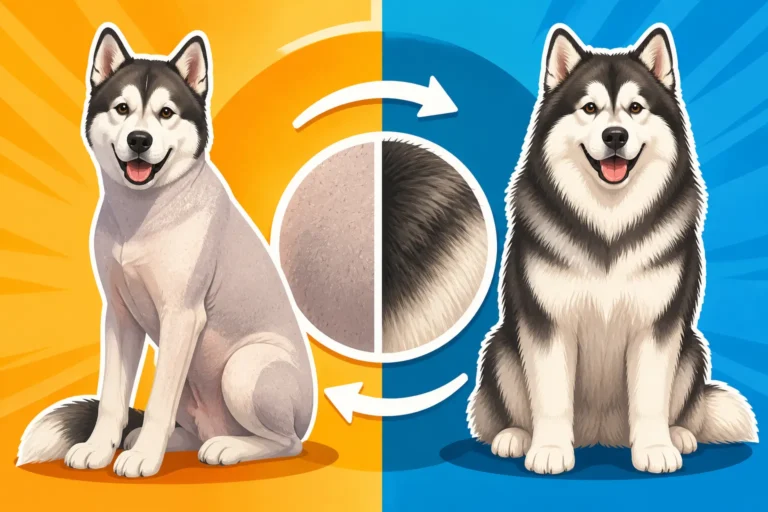
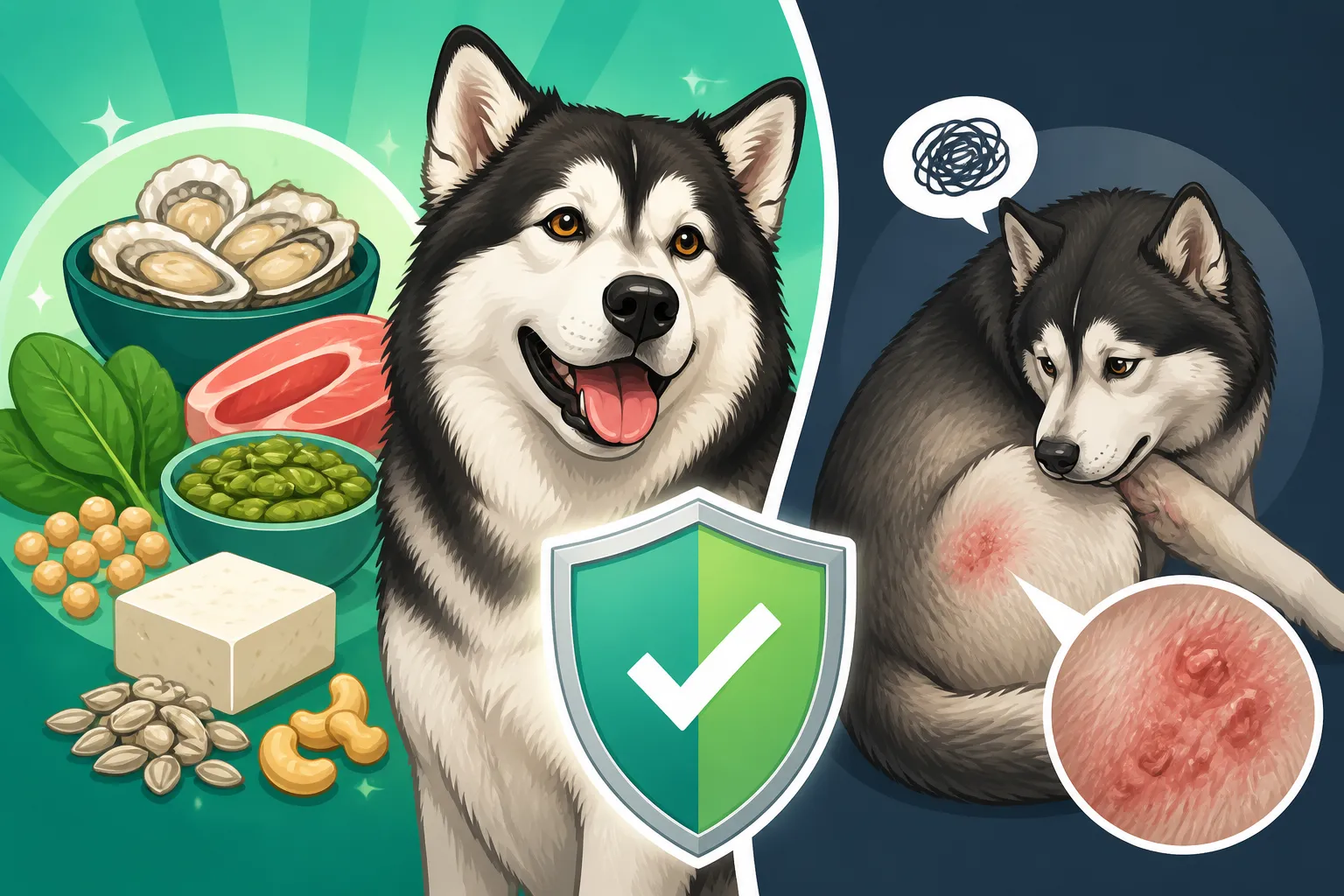
The signs of ZRD can be incredibly uncomfortable and distressing for your Malamute, and heartbreaking for you to witness. You might first notice tell-tale crusting and scaling, particularly around the eyes, muzzle, ears, and pressure points like elbows and hocks. Imagine waking up with dry, cracked skin around your mouth and nose every single day – that's often what your Malamute experiences. These crusts can become thick and greasy, and the underlying skin might appear red, inflamed, and even begin to lose hair. In some cases, the paw pads can also thicken and crack, making walking painful. It's not just a cosmetic issue; this is a genuinely painful condition that can lead to secondary bacterial or yeast infections because the compromised skin barrier is an open invitation for opportunistic pathogens. This is precisely What Zinc Responsive Dermatosis Looks Like on a Malamute and why early recognition is so important.
The Role of Diet vs. Absorption: It's a Bioavailability Battle
Here's where the nuance truly lies. While a diet lacking zinc would certainly cause problems, for a Malamute with ZRD, the issue isn't always about the quantity of zinc in the food, but the quality and bioavailability of that zinc, coupled with their genetic absorption hurdle. Bioavailability refers to how much of the nutrient your dog's body can actually absorb and utilize. Even a high-quality kibble from a brand you trust might have enough zinc on paper, but if that zinc isn't in a form easily absorbed, or if other dietary components are interfering, your Malamute might still struggle. It’s a constant battle for their system to get what it needs, and it often means that dietary adjustments are a supportive measure, not the sole solution.
Can a "Zinc Rich" Diet Alone Prevent Dermatosis?
The short answer, for many Alaskan Malamutes genetically prone to zinc responsive dermatosis, is usually "no." While a balanced diet is always foundational for good health, simply increasing the zinc content in their food typically isn't enough to counteract an inherent absorption problem. It's a common misconception, and one that can lead to frustration when symptoms persist despite well-meaning dietary changes.
The Limitations of Dietary Zinc: It's What Gets Absorbed That Counts
You could feed your Malamute the most zinc-packed diet imaginable, full of high-quality meats, organ meats, and other natural sources, but if their gut isn't equipped to absorb that zinc effectively, it's largely going to waste. Many commercial dog foods, even those marketed as "premium" or "holistic" from popular retailers like Chewy, formulate their diets based on the average canine's nutritional needs. They might meet the minimum or even slightly elevated requirements for zinc, but these levels are often insufficient for a Malamute with a genetic absorption defect. The type of zinc used in pet food can also vary; some forms are more readily absorbed (chelated zinc, for example) than others. Without specific targeting of these highly bioavailable forms, and in higher concentrations than typically found in standard diets, a 'zinc-rich' diet alone often falls short. This is why Feeding an Alaskan Malamute for Zinc It Cannot Absorb requires a much more nuanced approach than simply looking at the percentage on a bag.
Factors Affecting Zinc Absorption: More Than Just the Zinc Itself
It's not just about how much zinc is in the food; it's also about what else is in the food. Several dietary components can actively interfere with zinc absorption, exacerbating the problem for a genetically predisposed Malamute.
- Phytates: These compounds are found in certain grains, legumes, and seeds. They can bind with zinc in the digestive tract, forming insoluble complexes that the body cannot absorb. If your Malamute's diet is heavily reliant on ingredients high in phytates, it could be unknowingly hindering their zinc uptake. This is why some owners explore grain-free options, though it's important to do so carefully and under veterinary guidance, as grain-free diets also have their own considerations.
- High Calcium Levels: While calcium is essential for strong bones, excessively high levels in a diet can compete with zinc for absorption sites in the gut. This is a crucial point, especially if you're supplementing with calcium for other reasons or feeding a diet very high in calcium-rich ingredients. It's a delicate balance to strike, and illustrates Whether Calcium Blocks a Malamute's Zinc Absorption.
- Fiber: Some types of fiber, particularly insoluble fiber, can also have a mild binding effect on minerals, including zinc, potentially reducing their absorption.
- Interactions with other minerals: Other minerals, like copper, can also interact with zinc absorption. While usually not the primary cause of ZRD, an imbalance can contribute to the overall challenge.
These interactions mean that simply choosing a food with "more zinc" isn't enough. You also need to consider the entire dietary profile and how its components might be working for or against zinc absorption.
The Necessity of Supplementation: Often the Missing Piece
Given the genetic component and the various factors that can interfere with absorption, direct zinc supplementation often becomes a necessary component of managing ZRD in Malamutes. Think of it as directly addressing the "faulty door" problem by providing zinc in a form and concentration that can bypass some of these absorption hurdles. This is where zinc methionine, or other chelated forms of zinc, commonly come into play, as they are specifically designed for better absorption. While diet can support overall health, for many Malamutes, it's rarely sufficient on its own to prevent or resolve severe dermatosis. Your vet will likely recommend specific zinc supplements, often for the remainder of your Malamute's life, once a diagnosis is confirmed. This isn't a failure of diet; it's an acknowledgment of a breed-specific physiological challenge.
When Dietary Changes Support, But Don't Replace, Supplements
While a zinc-rich diet alone typically won't prevent zinc responsive dermatosis in a genetically predisposed Alaskan Malamute, that doesn't mean diet is unimportant. Far from it! Strategic dietary choices can play a vital supportive role, optimizing the environment for what little zinc can be absorbed and ensuring overall skin health. The key is to see diet as a partner to, rather than a replacement for, targeted supplementation when ZRD is a concern.
Choosing the Right Food: Beyond Just the Zinc Content
When you’re looking at dog food for your Malamute, especially if ZRD is suspected or diagnosed, you need to be a savvy label reader. Don't just focus on the percentage of zinc listed.
- Opt for high-quality protein sources: Look for animal proteins as the first few ingredients. These typically contain naturally occurring, more bioavailable zinc. Good options include lamb, beef, turkey, and fish. Brands found on platforms like Chewy or Amazon often highlight these premium ingredients.
- Be mindful of phytates: While completely avoiding grains might not be necessary or even advisable for all dogs, being aware of ingredients high in phytates (like corn, soy, and some legumes) can be helpful. If your Malamute is prone to ZRD, discussing the role of these ingredients with your vet is a good idea. Some fresh food diets, like those from Ollie, may offer ingredient transparency that helps in making these choices.
- Balance calcium levels: Avoid diets with excessively high calcium. While specific numbers can vary, your veterinarian can advise on appropriate calcium-to-phosphorus ratios. High calcium levels can actively inhibit zinc absorption, making an already challenging situation even worse for your Malamute. Remember Whether Calcium Blocks a Malamute's Zinc Absorption.
- Consider chelated zinc: If a commercial food lists chelated forms of zinc (like zinc proteinate, zinc methionine, or zinc amino acid chelate), that's a bonus, as these are generally more absorbable.
It’s about creating an optimal environment where the zinc, whether from food or supplements, has the best chance of being utilized by your Malamute's body.
Incorporating Natural Zinc Sources: A Complementary Approach
While whole foods usually won't provide enough bioavailable zinc to fully address ZRD on their own, they can be a healthy complement to a well-chosen diet and supplementation plan. You might consider adding small, appropriate portions of:
- Red meat: Lean beef, lamb, and venison are good sources.
- Organ meats: Liver and kidney are particularly zinc-rich.
- Seafood: Oysters are exceptionally high in zinc, but other fish can contribute.
- Eggs: A readily available and digestible source.
It’s crucial to introduce any new human foods slowly and in moderation, always ensuring they are cooked plain and free from seasonings or ingredients toxic to dogs. These foods add to the overall nutrient profile and can enhance general health, but they should not be seen as a substitute for a vet-prescribed zinc supplement if ZRD is confirmed. The goal here is support, not replacement.
Monitoring and Veterinary Consultation: Your Malamute's Best Advocate
This is perhaps the most critical step. Self-diagnosing and self-treating ZRD is not only difficult but potentially dangerous.
- Accurate Diagnosis: The crusty, flaky skin of ZRD can sometimes be mistaken for other skin conditions, such as allergies, hypothyroidism, or even other dermatological issues. A proper diagnosis from a veterinarian, often involving skin biopsies, is essential before starting any treatment. Remember Whether a Malamute's Crusty Skin Means Zinc Deficiency often requires more than just a visual inspection.
- Zinc Blood Testing: While blood tests for zinc levels can be done, they don't always give the full picture of cellular zinc status. However, they can provide a baseline and help monitor the effectiveness of supplementation. Whether a Malamute's Zinc Should Be Blood Tested is a question best answered by your vet, who understands the nuances of Malamute physiology.
- Personalized Supplementation Plan: Your vet will determine the correct type and dosage of zinc supplement for your Malamute. Zinc methionine is often favored for its bioavailability. Giving too much zinc can lead to other problems, including copper deficiency, so precise dosing is crucial. You definitely don't want to get into Whether Too Much Zinc Harms a Malamute.
- Ongoing Monitoring: Once on a treatment plan, regular vet check-ups are important to monitor your Malamute's skin condition, overall health, and potentially adjust supplement dosages. This collaborative approach ensures the best outcome.
Remember, your veterinarian is your Malamute's expert when it comes to complex health issues like ZRD. They can guide you through dietary choices, supplement recommendations, and long-term management strategies.
Long-Term Management and Realistic Expectations
Living with a Malamute prone to zinc responsive dermatosis is a journey that often requires ongoing vigilance and commitment. It's not a condition that typically "goes away" entirely after a short course of treatment, but rather one that can be successfully managed with the right approach. Understanding this long-term commitment will help you set realistic expectations and provide your furry friend with the best possible quality of life.
The Lifelong Commitment: It's a Marathon, Not a Sprint
For many Alaskan Malamutes diagnosed with ZRD, managing the condition becomes a lifelong endeavor. This means that once your vet establishes an effective treatment protocol, often involving daily zinc supplementation, you'll likely need to continue it indefinitely. This is because the underlying genetic predisposition for poor zinc absorption doesn't disappear. Stopping supplementation, even if the skin appears clear, can often lead to a rapid return of symptoms. It's a clear illustration of Whether a Malamute Needs Zinc for Its Whole Life. Think of it much like a human needing daily medication for a chronic condition – consistency is key to maintaining comfort and health. This can feel daunting at first, but incorporating a daily supplement into their routine becomes second nature over time, much like brushing your teeth.
Potential Pitfalls and Over-Supplementation: A Delicate Balance
While the focus is often on getting enough zinc, it's equally important to avoid giving too much. Zinc is a trace mineral, and while essential, excessive amounts can be toxic and lead to other health problems, most notably inducing a copper deficiency. Zinc and copper compete for absorption, and too much zinc can effectively block copper uptake. Copper deficiency can lead to anemia, neurological issues, and even bone problems. This is why self-medicating with over-the-counter zinc supplements without veterinary guidance is strongly discouraged. Your vet will prescribe the correct form and dosage of zinc, tailored to your Malamute's specific needs, and often adjusted based on their response. You want to avoid Whether Too Much Zinc Harms a Malamute, which underscores why professional guidance is non-negotiable. Always consult your vet before adding any new supplements or altering dosages.
Holistic Approach to Skin Health: Beyond Just Zinc
While zinc supplementation and dietary adjustments are central to managing ZRD, a truly holistic approach to your Malamute's skin health involves several other important considerations:
- Regular Grooming: Consistent brushing helps distribute natural skin oils, removes dead skin and loose hair, and allows you to routinely inspect their skin for early signs of problems. This is part of Reading a Malamute's Skin Before the Crusts Appear.
- Addressing Secondary Infections: Because ZRD compromises the skin barrier, secondary bacterial or yeast infections are common. You might notice your Malamute's skin starting to smell or become even more inflamed. These infections require specific treatment, often with antibiotics or antifungals prescribed by your vet, in addition to managing the zinc deficiency. Ignoring these can lead to prolonged discomfort. This is often Whether a Malamute's Skin Smells When Infected.
- Environmental Factors: Ensure your Malamute has a clean, comfortable living environment. Regular cleaning of bedding and avoiding harsh chemicals can also contribute to overall skin health.
- Fatty Acid Supplements: Omega-3 fatty acids (like fish oil, easily found on Amazon or Chewy) can support overall skin barrier function and help reduce inflammation, offering a complementary benefit. Discuss these with your vet to ensure they are appropriate and correctly dosed.
- General Health: A Malamute’s skin health is often a reflection of their overall well-being. Ensuring they get adequate exercise (appropriate to their efficient metabolism – remember The Efficient Metabolism That Surprises Every New Malamute Owner), proper hydration, and regular veterinary check-ups for all health concerns will contribute to better skin.
By combining diligent zinc management with excellent general care and a watchful eye, you can significantly improve your Malamute's comfort and quality of life, transforming a challenging condition into a manageable one.
| Dietary Component | Effect on Zinc Absorption (especially for Malamutes with ZRD) |
|---|---|
| High Calcium | Can directly inhibit zinc absorption by competing for absorption sites. |
| Phytates (in grains) | Bind to zinc, forming insoluble complexes that reduce zinc bioavailability. |
| High-Quality Protein | Provides naturally occurring, often more bioavailable zinc. |
| Chelated Zinc | (e.g., zinc methionine) Highly absorbable form often included in supplements; can be in food. |
| Certain Fibers | Can mildly bind to minerals, potentially reducing absorption if in excessive amounts. |
| Fatty Acids (Omega-3) | Indirectly supports skin barrier function and reduces inflammation, complementing zinc efforts. |
Disclaimer
This article is for general informational purposes only and does not constitute professional advice. Laws, prices and regulations vary by location and change over time. Consult a qualified professional for guidance on your specific situation.