Feeling for Ribs Under an Alaskan Malamute’s Coat
It's a common frustration for Alaskan Malamute owners: you look at your beautiful, fluffy companion and wonder, "Are they a healthy weight, or just incredibly well-insulated?" That dense double coat, while magnificent, can be a master of disguise, hiding a few extra pounds or even a worrying thinness. This guide is all about cutting through the fluff, literally, and teaching you the essential hands-on technique to feel for your Malamute's ribs, ensuring you can accurately monitor their physical condition and keep them in peak health.
The Unique Challenges of Assessing a Malamute's Weight
Owning an Alaskan Malamute means embracing a whole host of unique characteristics, and their incredible double coat is certainly one of them. While it's perfect for keeping them warm in freezing temperatures, it poses a significant challenge when you're trying to figure out if your furry friend is carrying a healthy amount of weight. It’s not like assessing a short-haired breed where every contour is visible. With a Malamute, what you see can often be quite different from what you feel underneath.
Why the Coat Hides So Much
That magnificent, dense coat isn't just fluffy; it's designed to insulate. It consists of a thick, oily undercoat that can be an inch or two deep, combined with a coarser, longer outer guard coat. This creates a natural buffer zone around their body, making their silhouette appear much larger and rounder than their actual musculature and skeletal frame. You might look at your Malamute and think they look perfectly robust, even a little chubby, simply because of the sheer volume of fur. It's a natural optical illusion that can easily mislead even experienced owners, especially during seasonal coat blows when they might appear even larger.
This insulation is brilliant for their original purpose, allowing them to sleep comfortably in the snow and work tirelessly in frigid conditions. However, in a domestic setting, it means we can't rely solely on our eyes for weight assessment. If you've ever tried to give your Malamute a good scratch and realized how much pressure it takes to get through to the skin, you understand just how substantial that barrier is. This is why a hands-on approach is not just helpful, but absolutely critical for accurate weight monitoring.
The Deceptive Nature of a 'Fluffy' Appearance
Many Malamute owners fall into the trap of believing their dog is at a healthy weight because they look "big and strong," when in reality, they might be carrying excess fat hidden beneath that thick fur. This can lead to serious health issues down the line, from increased strain on joints like hips and elbows to a higher risk of conditions such as Bloat in an Alaskan Malamute or even exacerbating problems like Hip Dysplasia in a Freighting Alaskan Malamute. On the flip side, a Malamute that's too thin might also be overlooked because their fur still gives them a substantial appearance.
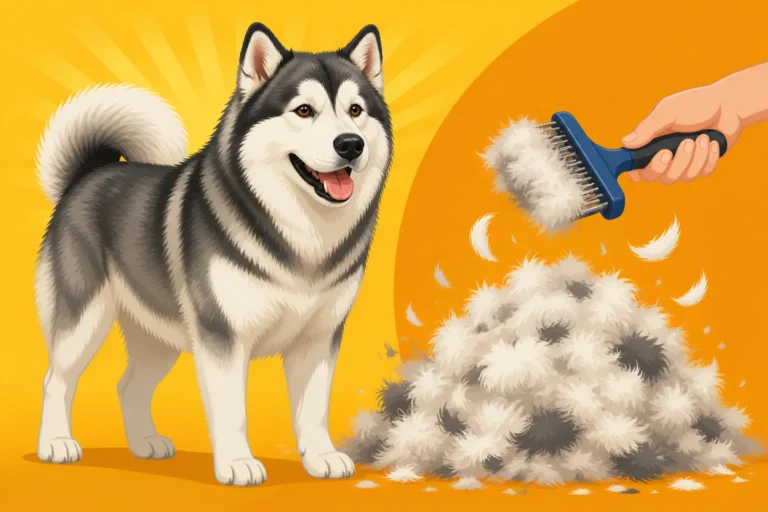
Imagine your Malamute after a thorough deshedding session – they often look surprisingly sleeker and smaller! This is the body you need to be able to assess. The fluff can make a lean, athletic Malamute look well-fed, and a truly overweight Malamute look enormous. It's especially tricky because the breed standard calls for a powerful, heavily-boned dog, so there's a natural tendency to associate "big" with "healthy" for a Malamute. But size doesn't always equate to ideal body condition. Learning to feel beyond the superficial layer of fur is the only reliable way to cut through this deception.
The Hands-On Method: Learning to Feel for Ribs
Since visual assessment is often unreliable with our fluffy friends, the key to truly knowing your Malamute's body condition lies in getting your hands on them regularly. This hands-on method, often called a "rib check," is a simple yet incredibly effective way to feel for their skeletal structure and the fat covering it. It's a skill every Malamute owner should master, and it becomes second nature with practice.
Step-by-Step Guide to the Rib Test
Performing the rib test is straightforward, but it requires a bit of tactile understanding. Here's how you do it:
- Find a Calm Moment: Choose a time when your Malamute is relaxed, perhaps during a petting session or when they're lying down. Make it a positive experience, so they don't associate it with anything unpleasant.
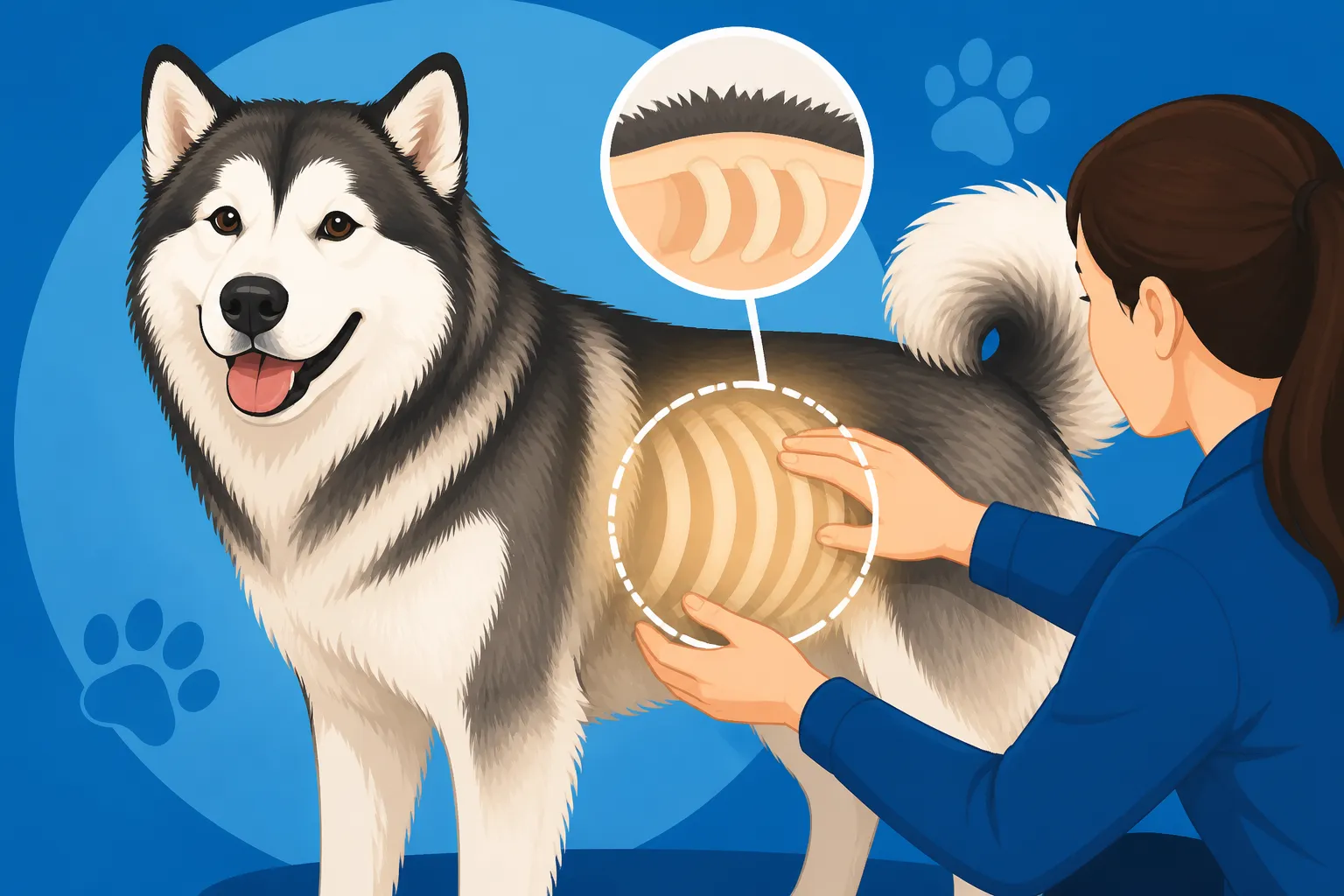
- Locate the Rib Cage: Start by placing both hands flat against your Malamute's side, just behind their front leg. Their rib cage extends quite far back, so don't be shy about moving your hands along their chest and towards their abdomen.
- Apply Gentle Pressure: With the flats of your fingers, apply gentle, but firm, pressure. You're not trying to poke them, but rather to feel through the layers of fur and muscle to the ribs beneath. Think of it like feeling for the buttons on a coat under a thick sweater.
- Sweep Your Fingers Across: Gently sweep your fingers back and forth across their rib cage, covering the area from their spine down to their sternum. Pay attention to what you're feeling. Can you distinctly feel each individual rib? Do they feel prominent, or are they buried under a layer of cushion?
- Practice Makes Perfect: The first few times might feel a bit ambiguous, but keep practicing. You'll soon develop a sense of what's normal for your Malamute. Just like learning to read braille, it's about developing sensitivity in your fingertips.
This regular check should be part of your routine, perhaps weekly, especially if you're trying to manage their weight. It's an important step in preventing them from becoming one of the many Why Alaskan Malamutes Fill Rescues at Eighteen Months due to health issues linked to improper weight.
What Healthy Ribs Should Feel Like
The goal isn't to feel every rib sticking out sharply like a washboard. That would indicate your Malamute is too thin. Conversely, if you have to press hard, almost digging your fingers in to feel any ribs at all, they're likely carrying too much weight.
Ideally, when you run your hands along your Malamute's sides, you should be able to feel their ribs quite easily, individually distinct, but with a slight, thin layer of fat and muscle over them. Think of it like feeling the knuckles on your hand when it's relaxed – you can feel each knuckle without them being sharply protruded. There should be no visible ribs when just looking at them, but they should be readily palpable with a light touch. This 'Goldilocks' zone is what we're aiming for: not too prominent, not too hidden, but just right. This is often described as a body condition score (BCS) of 4 or 5 out of 9, where 1 is emaciated and 9 is obese.
Here's a quick guide to what you might feel:
| Body Condition Score | Ribs Feel Like… | Observation |
|---|---|---|
| Too Thin (BCS 1-3) | Clearly visible; very prominent to the touch. | Ribs, spine, hip bones visible from a distance. |
| Ideal (BCS 4-5) | Easily palpable, individual ribs discernable, slight fat cover. | No ribs visible, but a tucked waistline. |
| Overweight (BCS 6-7) | Palpable with moderate pressure, individual ribs harder to distinguish. | Waistline indistinct or absent, broader appearance. |
| Obese (BCS 8-9) | Difficult or impossible to feel without firm pressure. | Significant fat deposits, no waistline. |
When your Malamute is at an ideal weight, they'll have better stamina, fewer joint issues, and overall better health, contributing to The Ten to Fourteen Years an Alaskan Malamute Lives. If you're struggling to achieve this, you might need to reconsider How Much an Adult Alaskan Malamute Should Eat.
Beyond Ribs: Other Indicators of Healthy Weight
While the rib check is foundational, it's not the only tool in your arsenal for monitoring your Malamute's weight. Combining the rib check with other visual and behavioral cues will give you a much more comprehensive understanding of their overall body condition. Remember, our goal is a healthy, thriving Malamute, not just one with perfectly palpable ribs.
Hip Bones, Spine, and Waistline Cues
Once you've mastered the rib check, extend your tactile examination to other parts of your Malamute's body. These areas can provide crucial clues about their body fat percentage.
- Spine: Gently run your hand down your Malamute's back, along their spine. In an ideal weight Malamute, you should be able to feel the tops of the vertebrae with mild pressure, but they shouldn't feel sharp or jagged. If they're very prominent and easy to count without much effort, your Malamute might be underweight. If you can barely feel them, or if there's a noticeable 'cushion' over them, they might be overweight.
- Hip Bones: Similarly, feel for their hip bones (the bony prominences on either side of their tail base). Just like the ribs and spine, you should be able to feel these easily with light pressure, but they shouldn't be sticking out. If they're sharp and very visible, it's a red flag for being too thin. If they're deeply buried, it's a sign of excess fat.
- Waistline: This one is a bit trickier with a Malamute's coat, but it's still worth trying to assess. When looking down at your Malamute from above, you should see a slight tuck-in at their waist, just behind their rib cage, before their hips. This isn't always obvious with their dense fur, but try parting the fur or feeling with your hands. From the side, their abdomen should also tuck up slightly, rather than hanging low and round. If they look like a solid rectangle from above, with no discernible waist, it's a strong indicator of being overweight. This is particularly important because How to Spot a Heavy Malamute Under Its Coat can be incredibly difficult without these combined methods.
Remember, a Malamute should always possess a powerful, muscular build, but this doesn't mean a thick layer of fat. Their natural physique is one of endurance and strength, which requires a lean, athletic frame.
Energy Levels and Overall Mobility
Beyond what you see and feel, your Malamute's behavior and physical capabilities are excellent indicators of their weight and overall health. A healthy weight Malamute typically exhibits good energy levels and effortless movement, especially if they are a working Malamute.
- Energy Levels: Is your Malamute enthusiastic about walks, playtime, and mental enrichment activities? Or do they seem lethargic, slow to get up, and quickly tire during exercise? While age plays a role, a significant drop in energy, especially if it coincides with weight gain, could indicate they're carrying too much extra baggage. A Malamute who struggles to keep up on a walk or seems winded easily might be trying to tell you something. This can also tie into issues like Why a Malamute Shows Nothing Until It Cannot Work – subtle changes can be masked until they become significant.
- Mobility and Stamina: Observe how your Malamute moves. Do they bound and play with ease, or do they seem stiff or reluctant to jump or run? Excess weight puts immense strain on their joints, potentially leading to or worsening conditions like arthritis or hip dysplasia. A Malamute at an ideal weight will have better stamina and agility, which is crucial for a breed bred for sustained work. Even if your Malamute isn't pulling a sled, they still need to move freely and comfortably. Think about their breathing during exertion; excessive panting without extreme heat could also be a sign of being overweight. Monitoring these behavioral cues alongside your physical checks offers a holistic view of their well-being.
Common Pitfalls and When to Seek Professional Advice
It's easy to get confused when trying to assess your Malamute's weight, especially given their unique build and those deceptive coats. Many owners unintentionally make mistakes or hesitate to seek professional help. Understanding these common pitfalls can help you avoid them and ensure your Malamute receives the best care.
Misinterpreting the 'Working Dog' Physique
One of the most common misunderstandings is misinterpreting the Alaskan Malamute's natural, powerful physique. They are robust, heavily-boned dogs, bred for hauling heavy loads over long distances. This means they should have significant muscle mass, but not an excessive layer of fat. Sometimes, owners mistakenly equate a bulky, heavy Malamute with a 'strong working dog,' when in reality, that bulk might be fat, not muscle.
A true working Malamute, one that's actively engaged in freighting or similar activities, will typically be lean and incredibly muscular, with a deep chest and a well-defined tuck-up. Their weight will be primarily lean muscle. A Malamute that is a beloved family pet, not engaged in strenuous activity, still needs to maintain a similar lean condition, albeit perhaps with slightly less extreme muscle definition. The trap is thinking that because they're a large breed, a little extra weight is normal or even desirable. This couldn't be further from the truth. An overweight Malamute, even a large one, is an unhealthy Malamute. It's important to differentiate between dense muscle and soft fat when performing your hands-on assessments. For tips on managing weight, especially for non-working dogs, consider resources like Taking Weight Off a Malamute That Is Not Working.
When Diet Changes Aren't Enough
Sometimes, despite your best efforts at monitoring their weight and adjusting their food intake, your Malamute might still struggle to reach or maintain an ideal body condition. This is when it's absolutely crucial to consult your veterinarian. Weight issues can be more complex than simply "too much food, too little exercise," and could be indicative of underlying health concerns.
- Underlying Medical Conditions: Hormonal imbalances, such as hypothyroidism (which Malamutes can be prone to), can significantly impact metabolism and lead to weight gain despite appropriate feeding. Other conditions might affect nutrient absorption, leading to unexplained weight loss. If you notice persistent changes in weight that don't respond to diet and exercise adjustments, or if your Malamute exhibits other symptoms like lethargy, changes in coat quality, or altered appetite, a vet visit is essential. They can run blood tests to rule out medical issues.
- Nutritional Needs: A vet or a veterinary nutritionist can also help you fine-tune your Malamute's diet. While general guidelines exist for How Much an Adult Alaskan Malamute Should Eat, every dog is an individual. Factors like age, activity level, metabolism, and even climate can affect their caloric needs. They might recommend specific types of food or dietary supplements. For instance, if you're using a commercial kibble, your vet might suggest a brand formulated for weight management. You can find many options on sites like Chewy, or even consider fresh food delivery services such as Ollie if precise calorie control and ingredient quality are priorities.
- Exercise Regimen: If you've been working on getting them to a Keeping an Alaskan Malamute at a Working Weight, your vet can also advise on an appropriate exercise regimen, especially if your Malamute has joint issues or other limitations. They might recommend controlled activities or hydrotherapy to help burn calories without excessive strain. Remember, you might even consider some specialized training gear or supplements for joint health, which can be easily sourced from online retailers like Amazon. Don't hesitate to seek professional guidance; your vet is your best partner in ensuring your Malamute's long-term health and well-being.
Feeling for your Alaskan Malamute's ribs is a fundamental skill that empowers you to be a more informed and proactive owner. It allows you to peer beyond that magnificent, deceptive coat and truly understand what's happening with their body condition. Regular, hands-on checks, combined with attention to their overall demeanor and mobility, are the best defense against the health problems associated with being underweight or overweight. Make it a routine, partner with your veterinarian, and you'll be giving your loyal companion the best chance at a long, healthy, and happy life.
Disclaimer
This article is for general informational purposes only and does not constitute professional advice. Laws, prices and regulations vary by location and change over time. Consult a qualified professional for guidance on your specific situation.