How a Malamute’s Appetite Changes After Neutering
It's a common worry among Alaskan Malamute owners: what happens to that enthusiastic appetite once your beloved floof is neutered or spayed? Many of us hear stories about dogs ballooning up after the surgery, and with a breed already prone to being efficient eaters, it's a valid concern. This guide will walk you through the typical changes in a Malamute's appetite and metabolism post-neuter, offering practical advice to keep them healthy and at a good weight.
Immediate Post-Surgery Appetite Shifts
Right after your Malamute's neuter or spay surgery, it's completely normal for their appetite to dip. They've just been through a significant medical procedure, often with anesthesia, pain medication, and a healing incision. You might find them a bit subdued, less interested in food, and more focused on resting. This isn't a long-term change, but rather a temporary side effect of recovery.
During this initial recovery period, your priority is to ensure they're comfortable and hydrated. Your vet might recommend a bland diet for a day or two, or they might just be fine with their regular food in smaller amounts. Don't be surprised if they pick at their meals rather than gobble them down with their usual gusto. This phase usually lasts only a few days to a week, until they're feeling more like themselves. It’s important not to try and force-feed them, but to offer appealing options and plenty of fresh water.
Once the initial discomfort subsides, however, many owners observe a different kind of change: a rebound in appetite, sometimes even an increase. The dog might seem hungrier than ever, looking for extra snacks or finishing their bowl and staring at you expectantly. This is where the long-term changes begin to show, as hormonal shifts start to influence their metabolism.
The Hormonal Impact on Metabolism and Hunger
Neutering or spaying removes the sex hormones – testosterone in males, estrogen and progesterone in females – which play a crucial role in regulating metabolism and appetite. When these hormones are no longer present, your Malamute's body experiences a few key shifts that can lead to weight gain if not managed correctly.
Firstly, their metabolic rate tends to slow down. Think of it like this: intact dogs, especially males, often have a slightly higher metabolism, burning calories a bit faster just by existing. Without those sex hormones, their body becomes even more efficient at conserving energy. For an Alaskan Malamute, a breed already known for its The Efficient Metabolism That Surprises Every New Malamute Owner, this metabolic shift can be quite pronounced. They were, after all, bred to thrive on less food in harsh conditions, making them exceptionally good at holding onto every calorie.
Secondly, these hormonal changes can directly impact their satiety signals – the "I'm full" message their brain receives. Studies have shown that some spayed or neutered dogs experience an increase in appetite and feel less full after eating the same amount of food they did before surgery. This means your Malamute might feel hungrier, even if their body objectively needs fewer calories to maintain its weight. It's not necessarily a behavioural issue or them being "greedy"; it's a physiological change that makes them genuinely perceive more hunger. This combination of a slower metabolism and an increased feeling of hunger is the perfect storm for unwanted weight gain.
Adjusting Your Malamute's Diet After Neutering
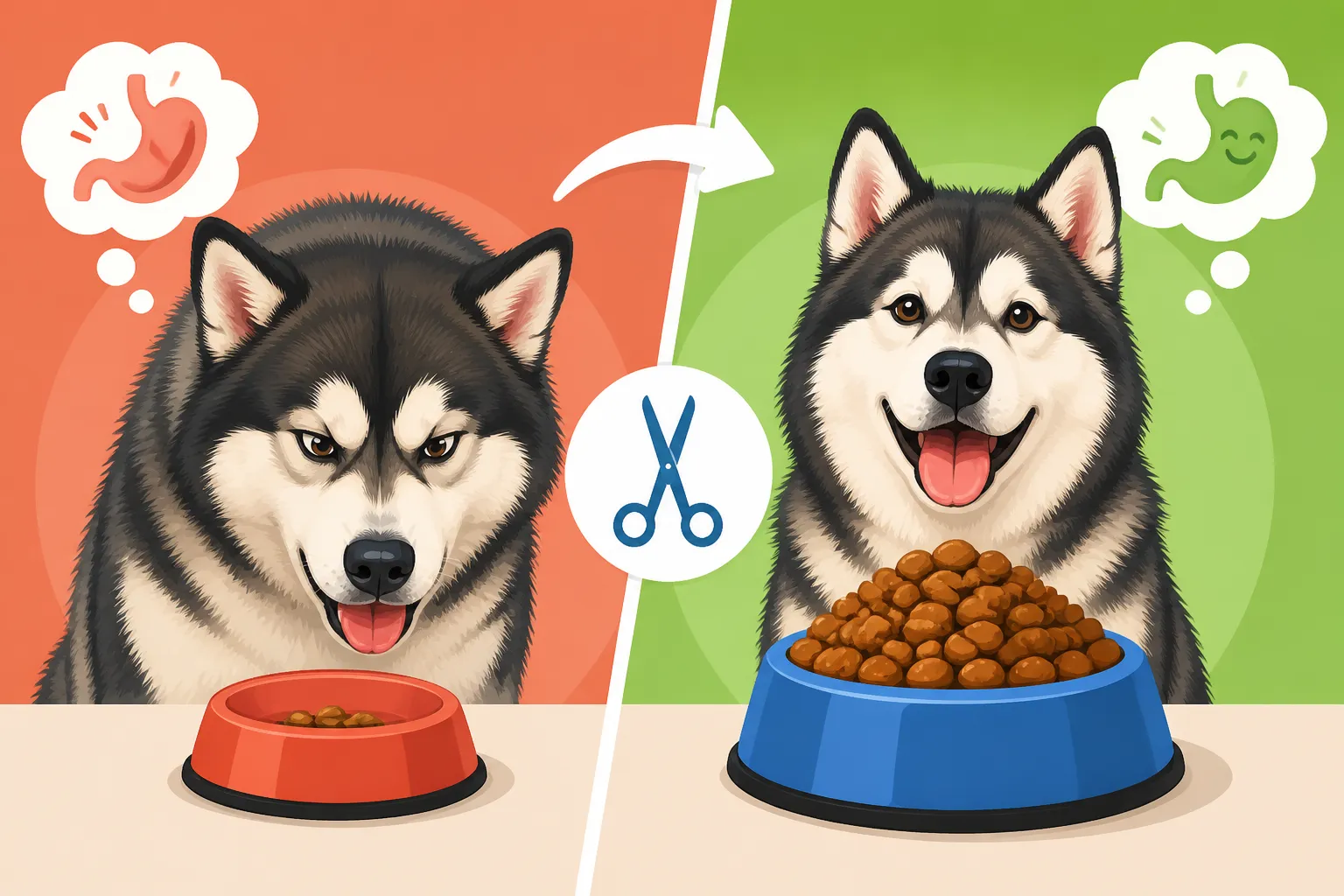
Given these metabolic and appetite changes, proactively adjusting your Malamute's diet is key to preventing weight gain after neutering. It's far easier to prevent the weight gain than to try and take it off once it's accumulated. The general consensus is that a neutered dog might need anywhere from 20-30% fewer calories than an intact dog of the same size and activity level.
Start by meticulously measuring your Malamute's food. Eyeballing it, even if you’re usually good at it, might not be enough anymore. Use an actual measuring cup or a kitchen scale to ensure precise portions. Many premium kibbles, available through retailers like Chewy or Amazon, provide clear feeding guidelines based on weight and activity level. You might need to adjust these guidelines downwards for a neutered dog. If you're feeding a fresh food diet, like Ollie, pay close attention to the portion sizes recommended by your vet or the food provider for a neutered dog.
Consider switching to a diet lower in calories or fat, but still high in quality protein and fiber. High-fiber foods can help your Malamute feel fuller without adding excessive calories. Discuss with your veterinarian whether a "weight management" or "light" formula is appropriate, or if simply reducing the portion of their current food is sufficient. Remember, the goal isn't to starve them, but to provide adequate nutrition within their new caloric needs. For more specific guidance on their nutritional intake, you might find How Much an Adult Alaskan Malamute Should Eat helpful.
Incorporating Exercise and Activity
Dietary changes alone often aren't enough to counteract the post-neuter metabolic shift in an Alaskan Malamute; consistent exercise is just as crucial. These are powerful, active dogs, and maintaining their activity levels is vital for both physical and mental health. However, you might need to adjust the type or intensity of exercise if you're trying to manage weight, especially if their regular routine isn't cutting it anymore.
The good news is, Malamutes generally love to be active. They were bred to work, and engaging them in activities like long walks, hikes, or even The Alaskan Malamute in Skijoring can help burn those extra calories. Aim for at least 1-2 hours of vigorous exercise daily, split into multiple sessions if possible. If your Malamute isn't working as a freighting dog, they might be considered a "pet Malamute," and it's important to remember that Feeding a Working Malamute Against a Pet One often requires different caloric intake and exercise considerations.
Beyond structured exercise, encourage playful activity throughout the day. Tug-of-war, fetch (if your Malamute enjoys it), or even just engaging them in training sessions can contribute to their overall calorie burn. Interactive toys can also provide mental stimulation, which can sometimes reduce boredom-related overeating. If you've been noticing your Malamute putting on a few extra pounds, increasing their daily activity level is a fantastic first step in Taking Weight Off a Malamute That Is Not Working.
Recognizing and Addressing Weight Gain
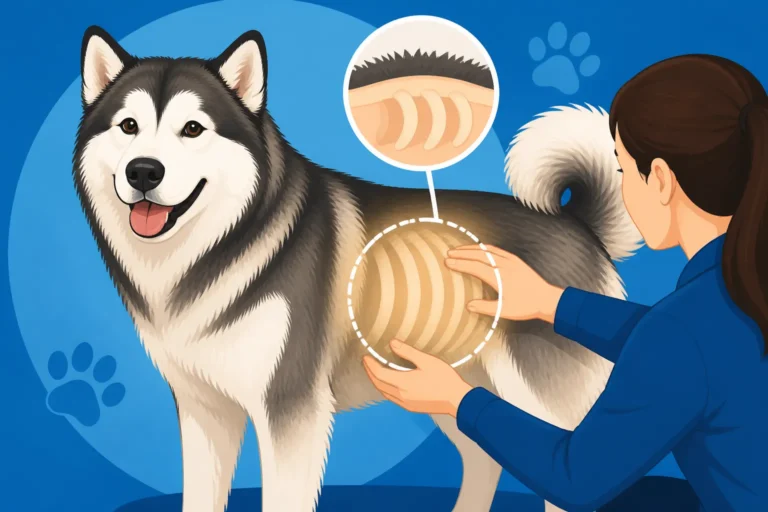
Even with the best intentions, weight gain can creep up on a neutered Malamute. Their thick double coat can make it incredibly difficult to spot those extra pounds, and you might not notice until it becomes quite significant. This is why regular monitoring is essential.
One of the best ways to assess your Malamute's weight is by feeling, not just by looking. You should be able to easily feel their ribs when running your hands along their sides without pressing hard. You should also be able to see a discernible waist when looking down at them from above, and their belly should tuck up slightly when viewed from the side. If you're seeing a more barrel-like shape, or can't feel those ribs, it's a red flag. Learn more about how to check by reading How to Spot a Heavy Malamute Under Its Coat.
It's also helpful to weigh your Malamute regularly, ideally at the vet's office or on a large, sturdy home scale (many pet supply stores on Amazon or Chewy carry scales suitable for large breeds). Tracking their weight over time will show you trends before they become serious problems. If you notice a consistent upward trend, it’s time to consult your veterinarian. They can help rule out any underlying medical conditions, advise on specific diet adjustments, and help you create a safe weight loss plan. Remember that Whether a Malamute Gains Weight Easily is often true for the breed, so vigilance is key. Moreover, an Whether an Overweight Malamute Overheats Faster is a significant concern for this Arctic breed, making weight management even more critical for their overall health and safety.
Long-Term Management and Monitoring
Managing your Malamute's weight and appetite after neutering isn't a one-time fix; it's a lifelong commitment. Their metabolism might continue to stabilize and change subtly over time, so what works today might need minor adjustments next year. Regular vet check-ups are invaluable, as your vet can objectively assess their body condition score and flag any concerns you might miss.
Stay observant of their energy levels and overall behavior. A healthy Malamute should be energetic, eager to engage, and not show signs of sluggishness or reluctance to move. If you notice a drop in their activity or a struggle with exercise they once found easy, it could be a sign of weight gain impacting their joints or cardiovascular health. Maintaining Keeping an Alaskan Malamute at a Working Weight is crucial for their long-term well-being and to ensure they can continue to enjoy their favorite activities without undue strain.
Consider investing in slow feeder bowls or puzzle toys to make mealtime more engaging and extend the feeding process. This can sometimes help with the feeling of satiety, as it takes them longer to consume their food. You can find many options for these products on marketplaces like Amazon and specialty pet sites such as Chewy. While neutering brings numerous health and behavioral benefits, it undeniably adds an extra layer of attentiveness needed for your Malamute's nutritional management. With mindful feeding and consistent activity, your neutered Malamute can live a long, healthy, and happy life.
Disclaimer
This article is for general informational purposes only and does not constitute professional advice. Laws, prices and regulations vary by location and change over time. Consult a qualified professional for guidance on your specific situation.