Which Cooling Gear Reaches a Malamute Through Its Coat
It's a familiar struggle for any Malamute owner: the summer heat rolls in, and you find yourself constantly worrying about your furry friend. You try all sorts of cooling tricks, but their magnificent, dense coat seems to laugh in the face of your efforts. Standard cooling vests or damp towels often feel like they're just sitting on top, barely making a dent in that incredible insulation. This guide is here to cut through the frustration and help you understand which cooling gear truly penetrates that epic Malamute coat, offering real relief when the temperatures climb.
The Unique Challenge of the Alaskan Malamute's Double Coat
Before we dive into solutions, it's crucial to truly appreciate why keeping an Alaskan Malamute cool is such a Herculean task. It's not just "a lot of fur"—it's a marvel of natural engineering designed for entirely different climates. Understanding this helps you choose gear that actually works with, rather than against, their natural physiology.
Why a Malamute's Coat Traps Heat So Effectively
The Alaskan Malamute’s coat isn't just thick; it's a double-layered system built for extreme cold. Think of it as a walking, breathing down sleeping bag. The outer layer consists of coarse, waterproof guard hairs that repel snow and ice. Beneath that lies an incredibly dense, woolly undercoat, sometimes an inch or two thick, packed with air pockets. These air pockets are the key: they trap a layer of warm air close to the body, insulating the dog from the frigid outside temperatures. In winter, this is a blessing, allowing them to happily sleep in the snow.
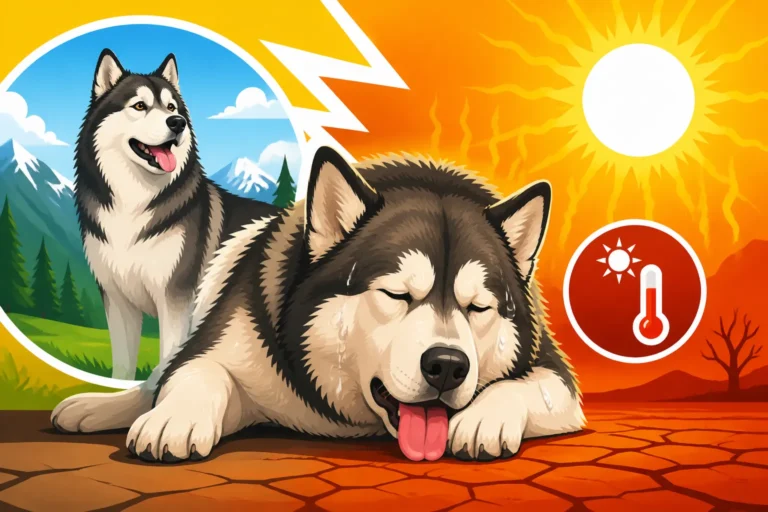
However, in warmer weather, this becomes a significant challenge. This same insulating layer that keeps heat in during winter now prevents heat from escaping out. Even if the ambient air is warm, the heat generated by your Malamute's body struggles to dissipate through this thick barrier. When you add external heat, like direct sunlight or warm ambient air, the coat acts like an oven, holding that heat close to their skin. It’s no wonder they seem to struggle; their bodies are literally designed for the opposite problem!
The Pitfalls of "Surface Level" Cooling Methods
Given the incredible insulating properties of their coat, it's easy to see why many common cooling methods fall short. You might have tried a regular evaporative cooling vest, soaking it in water and putting it on your Malamute. While these can work wonders for single-coated breeds or those with thinner fur, for a Malamute, it's often like putting a damp blanket over a winter coat. The moisture may sit on the guard hairs, providing some temporary surface coolness, but it rarely penetrates down to the skin where the real cooling needs to happen.
The problem lies in evaporation. For evaporative cooling to be effective, air needs to circulate over the wet surface, drawing heat away as the water turns to vapor. With a Malamute's dense undercoat, that crucial air circulation is severely inhibited. The dampness might just get trapped in the outer layers, potentially creating a humid microclimate against the skin rather than a cooling one. This can even lead to skin irritation or hot spots if the coat stays damp without proper airflow. It’s not that the product is bad, it’s just not designed for the unique challenges of a true double coat.
Cooling Gear That Actually Makes a Difference
When selecting cooling gear for your Alaskan Malamute, the goal is to find products that either bypass the coat's insulating properties or work with them to promote heat loss from the skin. Surface-level dampness just won't cut it. We're looking for gear that can get past that thick barrier.
Specialized Cooling Vests and Mats for Deep Penetration
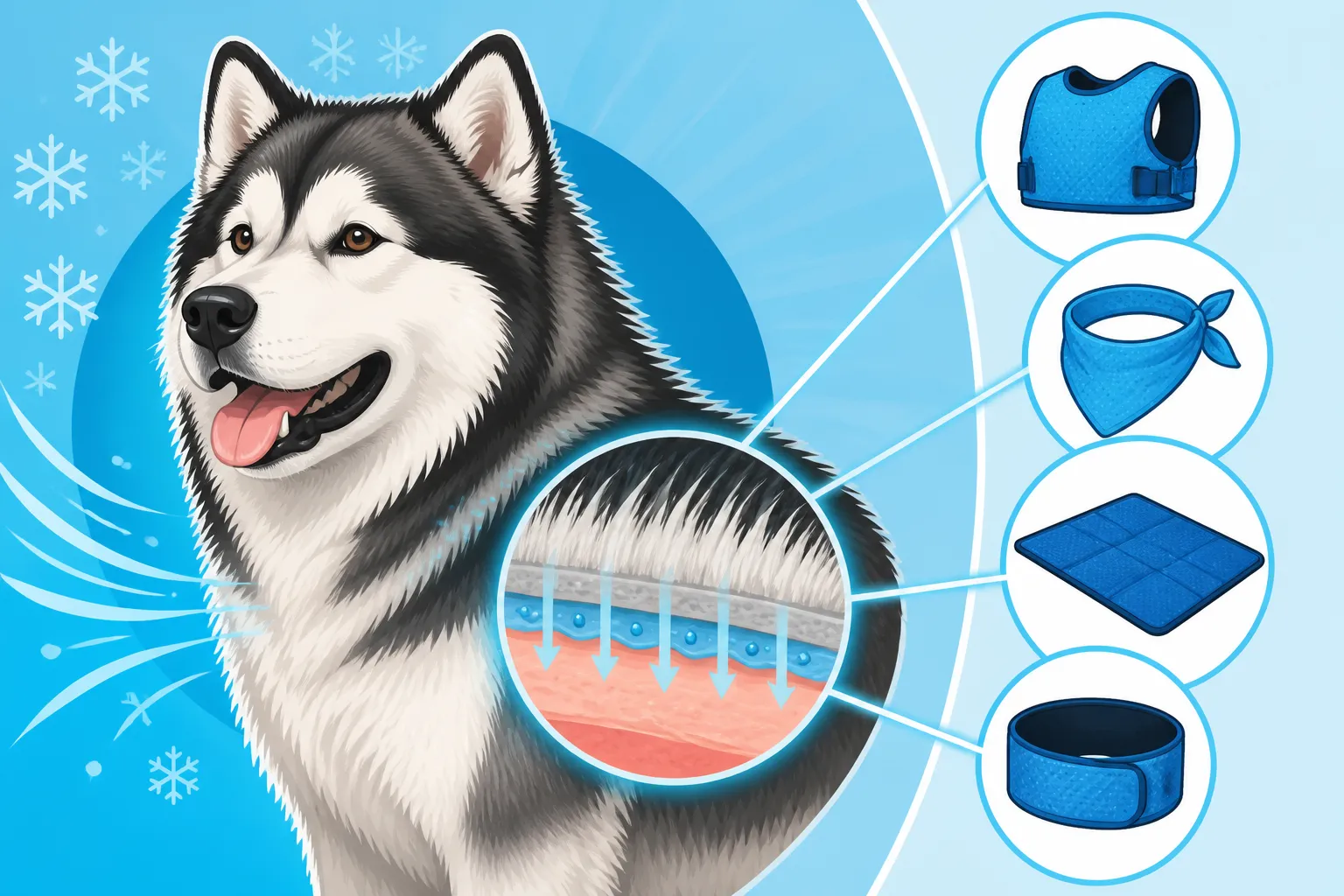
While many cooling vests are ineffective, some specialized options are designed with Malamutes in mind. Look for vests that incorporate actual ice packs or gel inserts in pockets that sit closer to the dog's body. The key here is conduction – directly transferring cold to the dog's skin, rather than relying solely on evaporation from the outer fabric. These vests might have strategically placed pockets over areas with less dense fur, like the chest or belly, or feature materials designed to draw heat away more efficiently. Some are even designed with internal mesh layers to help promote airflow once the outer layer is damp, trying to get that evaporative effect closer to the skin.
Cooling mats, on the other hand, are fantastic because they completely bypass the coat problem by working through direct contact. These gel-filled mats contain a material that reacts to your dog's weight and body temperature, creating a cool surface without needing refrigeration or water. When your Malamute lies on it, the mat absorbs and dissipates their body heat through conduction. They don't rely on getting through the coat; they simply offer a cool spot for your dog to rest. Many Malamutes instinctively seek out cool surfaces like tile or concrete, so these mats are a natural fit for their cooling behavior. You can often find a good selection of both advanced cooling vests and gel mats on major online retailers like Chewy or Amazon.
Elevated Beds and Strategic Fan Placement
Sometimes, the simplest solutions are the most effective. Elevated beds might not seem like "cooling gear," but they are invaluable for a Malamute in warm weather. By lifting your dog off the floor, these beds allow air to circulate all the way around them, including underneath. This prevents heat from radiating back up from a hot floor or patio and ensures that any evaporative cooling that does happen (perhaps from a slightly damp belly) can actually work. For a dog that spends a lot of time lying down, this constant airflow underneath makes a huge difference.
Pairing an elevated bed with strategically placed fans amplifies the effect. Instead of just aiming a fan generally into a room, consider placing a powerful floor fan near your Malamute's elevated bed, aimed so that it creates a strong cross-breeze or directly targets their underside. This focused airflow helps to push hot air away from their body and facilitate evaporative cooling from any damp areas. It’s like having their own personal wind tunnel, helping to penetrate that coat and cool them from the bottom up. For Caring for an Old Alaskan Malamute, these simple comforts become even more vital.
Water-Based Cooling: The Ultimate Penetrator
When it comes to truly getting coolness through that formidable double coat, water is your best friend. Nothing penetrates a Malamute's fur quite like a good soaking. Forget the gentle spray; we're talking about getting them properly wet, right down to the skin.
- Kiddie Pools: A shallow plastic kiddie pool filled with a few inches of cool water can be a Malamute's summer paradise. They can lie in it, splash, and cool their bellies and paws, which are critical areas for heat dissipation. The direct contact with water helps draw heat away effectively.
- Thorough Wetting Down: If a pool isn't an option, a garden hose can work wonders, but be deliberate. Aim to wet their entire body, making sure the water reaches their skin, not just the top layer of fur. Focus on their underside, armpits, and groin area. While a quick spray might feel good, a true soaking is what gets results.
- Wet Towels/Bandanas (applied with pressure): If you use a wet towel, try to press it firmly against their body to compress the fur and get the cold moisture closer to the skin. Similarly, a thoroughly soaked bandana around the neck can help cool the jugular vein, but again, ensure it's making good skin contact.
The science behind this is simple: water has a high thermal capacity and facilitates heat transfer away from the body. As the water on their skin evaporates, it takes body heat with it, providing a powerful cooling effect. Just be mindful not to leave them in a perpetually damp, unventilated environment, as this can lead to skin issues. Ensure they have access to dry areas and good airflow. If you find yourself frequently using water, consider how often How Rarely an Alaskan Malamute Needs a Bath might apply to separate coat care from emergency cooling.
Maximizing the Effectiveness of Your Cooling Arsenal
Having the right gear is only half the battle. To truly keep your Alaskan Malamute comfortable when the mercury rises, you need to integrate these tools into a broader, proactive cooling strategy. It’s about more than just a vest; it’s about managing their environment and their health.
The Importance of Grooming for Air Circulation
This might sound counterintuitive – more fur, more heat, right? But for a Malamute, a well-maintained coat is actually better for temperature regulation. During their notorious "coat blow," which can happen once or twice a year, they shed vast amounts of that dense undercoat. If this dead undercoat isn't removed through regular, thorough brushing, it becomes matted and compacted, creating an even thicker insulating barrier. Think of it as old insulation that's actually trapping more heat close to their body.
By consistently brushing, especially with a good undercoat rake during The Malamute Coat Blow That Fills a Vacuum in an Afternoon, you remove this excess fluff. This allows for better air circulation closer to their skin. When air can move freely, any natural heat dissipation or the effects of your cooling gear become much more effective. It also helps any moisture you apply to reach the skin and evaporate. Never, ever shave your Malamute in an attempt to cool them. Their double coat provides insulation against both cold and heat, and shaving them can actually make them more susceptible to overheating and sunburn. For more on this, check out Whether a Shaved Malamute Overheats Faster.
Timing and Location for Optimal Cooling
Strategic placement and timing are key to getting the most out of your cooling efforts. Don't just toss a cooling mat anywhere; place it in their favorite resting spots, perhaps near a fan or in a shaded, quiet corner of the house. If you use a cooling vest for outdoor activities, pre-cool it in the refrigerator or with ice water just before putting it on, to give them an immediate burst of coolness.
Consider creating dedicated "cool zones" in your home where your Malamute can retreat. This might be a room with air conditioning, a basement, or simply a tiled area with an elevated bed and a dedicated fan. When outdoors, ensure they always have access to deep shade and fresh, cool water. Remember, prevention is easier than recovery, so avoid peak heat times for exercise. Why a Malamute Should Not Walk at Midday is a principle to live by in warmer climates.
Beyond Gear: Environmental Control and Diet
While specialized gear is helpful, a holistic approach is always best. Beyond the vests and mats, remember the basics of environmental control:
- Indoor Retreat: On really hot days, your Malamute should primarily be indoors, especially if your home has air conditioning. Pay attention to The Temperature at Which a Malamute Should Stay Indoors.
- Constant Water Access: Always have multiple bowls of fresh, cool water available. Consider adding ice cubes to encourage drinking.
- Limit Exercise: Restrict strenuous activity to the coolest parts of the day – early morning and late evening. Even then, keep an eye on them. You might be surprised by How Early a Malamute Should Be Walked in Summer.
- Diet: While diet isn't a direct cooling mechanism, a healthy, balanced diet supports overall well-being, including efficient body function and temperature regulation. Feeding appropriate amounts helps prevent obesity, and Whether an Overweight Malamute Overheats Faster is a real concern as excess fat acts as an additional insulating layer. Brands like Ollie, known for fresh, whole ingredients, or high-quality kibble found on Chewy, can contribute to their general health.
When to Seek Veterinary Help for Overheating
Despite all your best efforts, a Malamute can still overheat. It's vital to recognize the signs quickly and know when to seek professional help. Heatstroke is a serious, life-threatening condition for these dogs, and quick action can make all the difference.
Recognizing the Signs of Overheating
The earliest signs of overheating might be subtle, but as it progresses, they become very evident. Be on the lookout for:
- Excessive Panting: Much heavier and faster than normal, and they may struggle to catch their breath.
- Lethargy and Weakness: They may seem unusually tired, reluctant to move, or stumble.
- Drooling: Thick, ropey saliva.
- Glazed Eyes: Their eyes may appear unfocused or glassy.
- Bright Red Gums: A sign of increased blood flow trying to dissipate heat.
- Vomiting or Diarrhea: These can be severe signs of internal distress.
- Wobbliness or Collapse: In severe cases, they may lose coordination or collapse.
If you observe any of these symptoms, especially multiple ones, act immediately. Don't underestimate the danger; Signs an Alaskan Malamute Is Overheating can escalate rapidly.
Immediate Actions and Prevention
If you suspect your Malamute is overheating, the first step is always to get them to a cooler environment immediately. Move them indoors, into the shade, or to an air-conditioned space. Offer small amounts of cool (not ice-cold) water. Then, begin actively cooling them:
- Apply Cool Water: Wet towels or a hose directed at their armpits, groin, and paw pads. These areas have less fur and more blood vessels close to the surface, making them efficient spots for heat exchange. Avoid dousing them with ice-cold water, as this can cause blood vessels to constrict, trapping heat inside, and could even send them into shock. Cool tap water is usually sufficient.
- Use Fans: Position a fan directly on them to help evaporate the water and create airflow over their body.
- Get to the Vet: Even if your Malamute seems to recover quickly, it's crucial to contact your veterinarian immediately. Heatstroke can cause internal organ damage that isn't immediately apparent. Your vet can assess their condition and provide supportive care to prevent long-term complications. For a detailed guide on what to do, refer to How to Cool an Overheated Alaskan Malamute.
Remember, cooling gear and proactive strategies are about prevention. They help your Malamute manage heat stress before it becomes an emergency. Being prepared and vigilant during Summer Is the Season That Kills Alaskan Malamutes is the best way to keep your beloved companion safe and comfortable.
Disclaimer
This article is for general informational purposes only and does not constitute professional advice. Laws, prices and regulations vary by location and change over time. Consult a qualified professional for guidance on your specific situation.