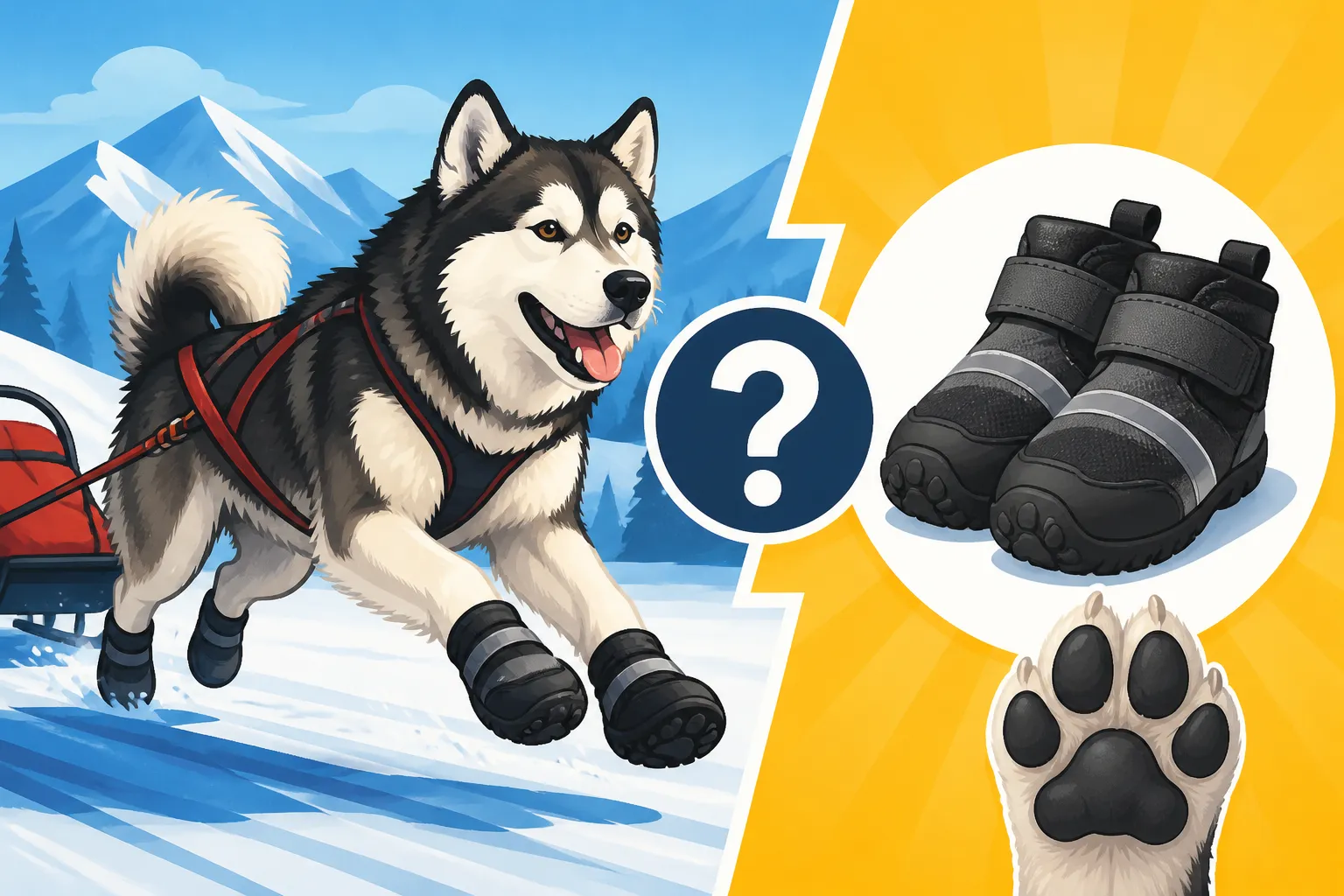
Whether an Alaskan Malamute Needs Booties for Pulling
When you're out there, harnessing the power of your majestic Alaskan Malamute, whether it's for serious freighting work, a spirited skijoring session, or just a long, joyful hike, one question often tugs at your mind: are booties really necessary? It's easy to assume these dogs, bred for harsh Arctic conditions, have paws of steel. But the truth is, even the toughest Malamute paws have their limits, and understanding when to add that extra layer of protection can make all the difference for their comfort and long-term health. This guide dives deep into the world of Malamute paw care, helping you decide if booties are the right call for your working companion.
Understanding Your Malamute's Paws and Their Natural Resilience
Alaskan Malamutes are truly remarkable animals, built from the ground up to thrive in challenging, cold environments. Their paws are a testament to centuries of natural selection and deliberate breeding by the Mahlemut people. They possess a unique architecture designed for traction, insulation, and durability on snow and ice, which often leads owners to wonder if artificial protection is ever truly needed.
The Anatomy of a Malamute Paw
Take a moment to truly examine your Malamute's paw. You'll notice several key features that speak to their incredible resilience. The paw pads themselves are thick, rough, and highly keratinized, providing a natural cushioning and grip that would make most other breeds envious. These pads are essentially tough, leathery shock absorbers, protecting against sharp surfaces and providing insulation from cold ground. Between those robust pads, you'll find dense, coarse fur. This isn't just for show; it acts as a natural insulator, keeping snow and ice from compacting between the toes and preventing frostbite in extreme cold. It also adds a layer of protection against abrasive surfaces, helping to prevent irritation and cuts. Their nails are strong and dark, typically requiring regular maintenance, but also serving to aid in traction, particularly when digging into snow or uneven terrain.
What Their Ancestors Endured
Think about the work their ancestors performed. The original Alaskan Malamutes were essential partners for the Mahlemut, pulling heavy loads for miles across frozen tundra, over rocky terrain, and through deep snow. These dogs weren't pampered; their survival and the survival of their human companions depended on their physical prowess, and their paws were arguably their most crucial tool. This historical context gives us a profound appreciation for their natural toughness. They navigated harsh, untamed landscapes, their pads hardening over time, their fur protecting against the elements. It’s no wonder we often feel that adding booties might be an insult to their heritage. However, while their natural design is exceptional, it doesn't mean it's invincible, especially in modern environments and for specific activities.
When Booties Become Essential for Your Malamute
While your Malamute's paws are undoubtedly rugged, there are very real scenarios where relying solely on their natural protection simply isn't enough. Modern environments, specific activities, and certain weather conditions can push even the toughest paw beyond its limits, leading to discomfort, injury, and potential long-term problems. Ignoring these risks can turn a fun outing into a painful ordeal for your furry friend.
Protecting Against Extreme Terrain and Temperatures
The ground we ask our Malamutes to traverse today is often vastly different from the pristine snow and ice of their ancestral lands. Consider these scenarios:
- Hot Pavement and Asphalt: In warmer climates or during summer months, asphalt and concrete can reach scorching temperatures, far exceeding what a Malamute's paws can comfortably handle. Imagine walking barefoot on a sidewalk that's been baking in the sun all day; it's the same sensation for your dog. Hot surfaces can cause severe burns, blistering, and intense pain. Even if your Malamute has built up some calluses, prolonged exposure or extreme heat is dangerous. This is especially true when you're engaging in activities like urban pulling or long walks on paved trails where there's little escape from the heat. You can check the pavement temperature with your hand: if it's too hot for you to hold your palm on for five seconds, it's too hot for their paws.
- Frozen Ground, Ice, and Deicing Chemicals: While Malamutes are built for cold, extremely hard, jagged ice formations or frozen, uneven ground can be incredibly abrasive and sharp. These surfaces can cause cuts, cracks, and severe abrasions, especially with the repetitive motion of pulling. Furthermore, deicing chemicals, commonly used in many urban and suburban areas during winter, are highly caustic. They can irritate, burn, and dry out paw pads, leading to cracking and pain. If ingested when your Malamute licks their paws, these chemicals can also be toxic. This is a crucial consideration, and you can learn more about general paw care in various conditions in Feet, Pads and Nails on an Alaskan Malamute That Pulls.
- Rough, Rocky, or Abrasive Trails: If your pulling activities take you over trails laden with sharp rocks, gravel, thorns, or other debris, booties provide an invaluable layer of protection. Repeated friction and impact from these surfaces, particularly over long distances, can wear down pads, cause cuts, punctures, and bruising. A single thorn or shard of glass can halt your activity and lead to a costly vet visit.
Preventing Injury During Strenuous Activities
Beyond the ground itself, the nature of certain activities and the duration involved also dictate the need for paw protection.
- Long-Distance Pulling or Hiking: When your Malamute is engaging in extended periods of pulling—be it a multi-mile skijoring session, a long trek with a Whether a Malamute Can Carry a Backpack, or a day of freighting—the cumulative impact and friction on their pads are significant. Even on seemingly mild terrain, the sheer repetitive stress can lead to wear, tenderness, and eventually, open sores or splits in the pads. This isn't about weak paws; it's about physics and endurance. Preventative care here means allowing your dog to continue doing what they love without injury.
- Preventative Measure Against Existing or Potential Injuries: Sometimes, booties aren't just for preventing new injuries but for protecting existing ones. If your Malamute has a minor cut, a blister, or a tender spot, a bootie can keep it clean, prevent further irritation, and allow it to heal. Moreover, using booties proactively can prevent those minor abrasions from escalating into serious injuries that require rest and recovery. Think of them as athletic shoes for your dog—we don't question why human athletes wear specialized footwear, and our working dogs deserve the same consideration. For tips on when your Malamute can start pulling and what's appropriate, check out The Age a Malamute Can Start Pulling.
- Protection in Snow and Ice: While Malamutes are built for cold, prolonged exposure to extreme cold or certain types of snow can still cause issues. Hard-packed snow can be abrasive, and ice crystals can form between their paw pads, causing painful irritation and even frostbite in severe conditions. Some snow can also melt and refreeze into ice balls between their toes, which are incredibly uncomfortable. Booties create a barrier against these issues, keeping paws dry and warm.
Table: Paw Protection Needs by Activity & Condition
To give you a clearer picture, here's a quick guide on when booties are typically recommended or essential:
| Condition/Activity | Risk to Paws | Booties Recommended? | Alternatives/Notes |
|---|---|---|---|
| Hot Pavement/Asphalt | Burns, blistering, severe pain | Essential | Walk during cooler times (early morning/late evening) |
| Jagged Ice/Frozen Ground | Cuts, cracks, abrasions, frostbite | Essential | Paw balm for minor cold, avoid harsh ice |
| Deicing Chemicals | Chemical burns, irritation, toxicity | Essential | Rinse paws thoroughly after walks |
| Rough/Rocky Trails (long) | Abrasions, cuts, punctures, bruising | Highly Recommended | Paw balm for minor scuffs, build up pad toughness |
| Deep Snow/Ice Balls | Irritation, frostbite, discomfort | Recommended | Trim inter-digital fur, paw balm |
| Long-Distance Pulling | Wear, tenderness, sores from friction | Highly Recommended | Gradual conditioning, regular paw checks |
| Existing Paw Injury | Infection, re-injury, delayed healing | Essential | Vet care first, then protective bootie |
| Moderate Trails (short) | Minor scuffs, general wear | Optional | Regular paw inspections, moisturize pads |
| Soft Snow/Forest Floor | Minimal | Generally Not Needed | Enjoy! |
Choosing the Right Booties for Your Malamute
Okay, so you've decided that booties are a must for your Malamute's adventures. Great choice! But walking into a pet store or browsing online can be overwhelming. There's a dizzying array of styles, materials, and features. The key is to find booties that fit well, offer the right protection for your specific needs, and are durable enough to withstand the incredible power and drive of an Alaskan Malamute.
Material Matters: Durability and Functionality
Not all booties are created equal, and the material is often the biggest indicator of their purpose and longevity.
- For Extreme Cold and Snow: Look for booties made from waterproof or highly water-resistant materials like neoprene or specialized coated fabrics. Neoprene, often used in wetsuits, provides excellent insulation and flexibility, making it great for deep snow and icy conditions. Brands like Ruffwear make winter-specific booties that prioritize warmth and grip on slippery surfaces. The goal here is to keep paws dry, prevent ice buildup, and provide traction.
- For Rough Terrain and Durability: When you're tackling rocky trails or sharp gravel, you need something robust. Booties with a thick, durable sole made of rubber or a tough synthetic material are crucial. The upper material should also be tear-resistant, often a dense nylon or Cordura fabric. These are designed to withstand significant abrasion and offer puncture protection. They might not be as insulating as winter boots, but their primary job is to be tough.
- For General Protection and Lighter Use: Some booties are designed for everyday wear, such as protecting paws from hot pavement during a city stroll or preventing minor cuts on well-maintained trails. These often feature lighter fabrics and flexible rubber soles. While they offer good basic protection, they might not hold up to the intense demands of sustained pulling or extremely harsh environments.
The Importance of Fit and Fastening
This is arguably the most critical aspect of choosing booties. A poorly fitting bootie is worse than no bootie at all. It can cause chafing, blisters, alter your Malamute's gait, and will inevitably fall off, rendering it useless.
- Snug but Not Tight: You want a fit that's snug around the paw and ankle, preventing slippage and turning, but not so tight that it restricts circulation or causes discomfort. Your Malamute's paw should slide easily into the bootie, but there shouldn't be excessive room for it to shift inside. Measure carefully! Most reputable brands provide sizing charts based on paw width and length. It’s often best to measure the front paws, as they tend to be slightly larger than the back.
- Secure Fastenings: Malamutes are masters of escaping things they don't like, and a loose bootie is a prime target. Look for strong, adjustable hook-and-loop (Velcro) straps or multiple straps that secure the bootie around the narrower part of the ankle, above the paw. Some booties have elastic cuffs or drawstrings in addition to straps for an even more secure fit. You want to be able to cinch it down firmly without digging into their leg.
- High Enough Cuff: A cuff that extends up the leg a bit can help prevent snow or debris from getting inside the bootie, as well as offer more stability and prevent the bootie from being easily kicked off.
Where to Find Quality Booties
Many specialized pet supply stores, especially those catering to working dog breeds or outdoor activities, will carry a good selection of booties. Online retailers like Chewy and Amazon offer a vast selection, often with customer reviews that can be helpful, though remember individual dog anatomy varies.
When browsing, look for brands that are well-regarded in the working dog community. Ruffwear is a popular choice known for its durable and well-designed dog gear, including an excellent range of booties for various conditions. Their Grip Trex for general rough terrain and Polar Trex for winter conditions are often highly recommended. Other brands like Neopaws or Muttluks also offer strong options.
Remember, it might take trying a couple of different brands or styles to find the perfect fit and function for your individual Malamute and your specific pulling activities. Think of it as investing in their long-term health and your shared adventures.
Training Your Malamute to Accept Booties
So, you've got the perfect set of booties. Now comes the fun part: convincing your Malamute that these strange things on their feet are actually a good idea. For a breed known for its independence and often, its strong opinions, introducing booties can be a process that requires patience, positive reinforcement, and a good sense of humor. Don't expect instant acceptance; this isn't a race, it's about building comfort and trust.
Making a Positive First Impression
The key to success lies in creating a positive association from the very beginning. Your Malamute's first experience with booties should be pleasant, or at least neutral, never forced or scary.
- Introduce Them Gradually: Don't just slap all four booties on and expect them to prance happily. Start by simply letting your Malamute see and sniff the booties. Place them on the floor and toss treats around them. Let your dog investigate at their own pace.
- Treats Are Your Best Friend: High-value treats are non-negotiable here. These are the super special snacks your Malamute goes crazy for – cheese, cooked meat, peanut butter. Every step of the process should be associated with these delicious rewards.
- The "One Bootie at a Time" Method: Once they're comfortable being near the booties, try putting just one on a front paw. While doing this, continuously offer treats and praise. Don't fasten it tightly yet; just get it on. As soon as it's on, give more treats, then take it off. Keep sessions short and positive. Repeat this several times over the course of a day or two, gradually increasing the time the bootie stays on.
- Distraction is Key: Once a bootie is on, immediately distract them. Play a favorite game, offer a chew toy, or go for a very short walk if they tolerate it. The goal is for them to forget about the foreign object on their paw. Many dogs will do the "bootie dance" at first, shaking their paws or trying to chew them off. This is normal. Ignore the dramatics and keep the atmosphere light and rewarding.
Building Tolerance and Duration
As your Malamute gets used to one bootie, you can slowly increase the number and the duration.
- Two Booties, Then Four: Move to putting two booties on (front paws first, then back). Again, copious treats and praise. Let them walk around the house for a few minutes, distracting them with play or a training session. Gradually increase to all four booties.
- Short, Sweet Sessions: Keep early sessions very brief—just a few minutes at first. End on a positive note before your Malamute gets frustrated or tries too hard to remove them. You want them to think, "Oh, booties mean good things and then they come off!"
- Associate with Fun Activities: Once they tolerate all four booties for a few minutes inside, put them on right before something they absolutely love: going for a walk, getting their harness on for a pull, or even mealtime. This helps them link booties with exciting events. For Malamutes, this often means associating booties with pulling activities like The Alaskan Malamute in Skijoring.
- Practice Short Outings: Start with very short walks or pulling sessions with the booties on. Observe their gait and comfort level. Over time, you can gradually increase the duration of these outings. Your goal is for the booties to become a non-event, just another part of gearing up for adventure.
- Check for Rubbing or Discomfort: Always check their paws and ankles after wearing booties, especially in the beginning. Look for any redness, chafing, or irritation. If you see any, the fit might be wrong, or they might need time to adjust. A thin sock liner can sometimes help prevent rubbing.
Remember, every Malamute is an individual. Some will take to booties quickly, while others will require weeks of patient training. Don't get discouraged, and never punish them for disliking the booties. Consistency, patience, and positive reinforcement will eventually lead to a Malamute who accepts their paw protection with grace, ready for whatever adventure awaits.
Bootie Alternatives and Comprehensive Paw Care
While booties are an excellent solution for specific situations, they aren't the only tool in your paw care arsenal. A holistic approach to your Malamute's foot health involves regular inspection, proper hygiene, and sometimes, topical applications. These practices are essential even if your dog wears booties regularly, as they address overall paw vitality and help prevent issues from arising in the first place.
Paw Waxes and Balms: A Different Kind of Protection
For situations that don't warrant full booties, or as an additional layer of protection, paw waxes and balms can be incredibly beneficial.
- How They Work: These products create a breathable, protective barrier over your Malamute's paw pads. They aren't designed for heavy-duty protection against sharp objects or extreme heat, but they excel at moisturizing, conditioning, and creating a barrier against milder irritants.
- When to Use Them:
- Winter Protection: Waxes are fantastic for protecting against road salt, mild ice burn, and keeping pads conditioned in dry, cold air. Products like Musher's Secret are widely used for this purpose, providing a natural-feeling barrier that helps prevent snow and ice from clinging to fur between pads.
- Moisturizing Dry/Cracked Pads: Just like human skin, dog paw pads can become dry, cracked, and uncomfortable, especially in arid climates or from frequent exposure to rough surfaces. Balms help to hydrate and soften the pads, preventing painful splitting.
- Minor Abrasions: For very minor scuffs or tenderness, a balm can offer a soothing layer of protection while the pad heals.
- Application Tips: Apply a generous amount to clean, dry pads before an outing. Allow it to absorb for a few minutes. Many of these products are made with natural, food-grade ingredients, so it's generally safe if your Malamute licks their paws after application. You can find a variety of paw balms and waxes at pet stores or online retailers like Chewy or Amazon.
Regular Paw Inspections and Hygiene
This is the cornerstone of good paw care, whether your Malamute is pulling sleds or just lounging on the couch.
- Daily or Post-Activity Checks: Make it a habit to inspect your Malamute's paws daily, and especially after any strenuous activity or exposure to rough terrain or chemicals. Gently spread their toes and check the pads for:
- Cuts, scrapes, or punctures.
- Blisters or redness.
- Thorns, burrs, or debris lodged between pads.
- Swelling or tenderness.
- Excessive dryness or cracking.
- Any strange odors, which could indicate an infection.
- Cleaning: After walks, especially on dirty or chemically treated surfaces, wipe or rinse your Malamute's paws. This removes irritants and helps keep the pads healthy. For specific concerns about skin health, you might find Reading a Malamute's Skin Before the Crusts Appear useful, as paw health is often linked to overall skin condition.
- Trimming Inter-digital Fur: The fur between your Malamute's paw pads, while insulating, can sometimes become too long. This longer fur can collect ice balls in winter, trap debris, or become matted, causing discomfort and potential skin issues. Carefully trim this fur flush with the pads using blunt-nosed scissors or a small electric trimmer. This improves traction, reduces debris accumulation, and makes paw cleaning easier. This goes hand-in-hand with How Often an Alaskan Malamute's Nails Need Cutting to maintain overall paw health.
Nail Maintenance: Often Overlooked, Always Crucial
Long nails are a surprisingly common cause of paw problems and can impact your Malamute's gait and comfort, especially during pulling activities.
- The Impact of Long Nails: When your Malamute's nails touch the ground, they push back into the nail bed, causing pressure and pain. This forces the toes to splay and can alter the alignment of their paw and leg structure, leading to joint pain, tendon strain, and even arthritis over time. Long nails also make it harder for the paw pads to get proper traction.
- Regular Trimming: Your Malamute's nails should be trimmed regularly so they do not extend beyond the paw pads when standing. For a working Malamute, especially one that pulls, consistent nail care is paramount. If you hear their nails clicking on the floor, they are too long. A Dremel tool is often more effective for thick Malamute nails than traditional clippers, especially if your dog has dark nails where the quick is hard to see. Learning how to properly trim your Malamute's nails is an essential part of What an Alaskan Malamute Needs Every Day.
By incorporating these comprehensive paw care practices into your routine, alongside strategic use of booties when appropriate, you're ensuring that your Alaskan Malamute's magnificent paws remain healthy, strong, and ready for whatever adventure you embark on together.
Disclaimer
This article is for general informational purposes only and does not constitute professional advice. Laws, prices and regulations vary by location and change over time. Consult a qualified professional for guidance on your specific situation.