The Ten to Fourteen Years an Alaskan Malamute Lives
It’s a thought that creeps into every Malamute owner’s mind: just how many precious years do we truly get with our majestic, furry companions? We fall so deeply in love with their goofy antics, their boundless energy, and their soulful gazes, and the idea of that time being finite can be truly heartbreaking. This comprehensive guide is here to shed light on the typical lifespan of an Alaskan Malamute, explore the critical factors that influence their longevity, and equip you with the knowledge to help your beloved friend live the longest, happiest, and healthiest life possible.
Understanding the Alaskan Malamute Lifespan
Bringing an Alaskan Malamute into your home is an incredible journey filled with immense joy and, let's be honest, a fair amount of fur. But as with any pet, a big part of loving them is understanding their whole life cycle, right down to how long they're typically by our side. It's a heavy topic, but one we need to face head-on to give them the best care.
Average Life Expectancy
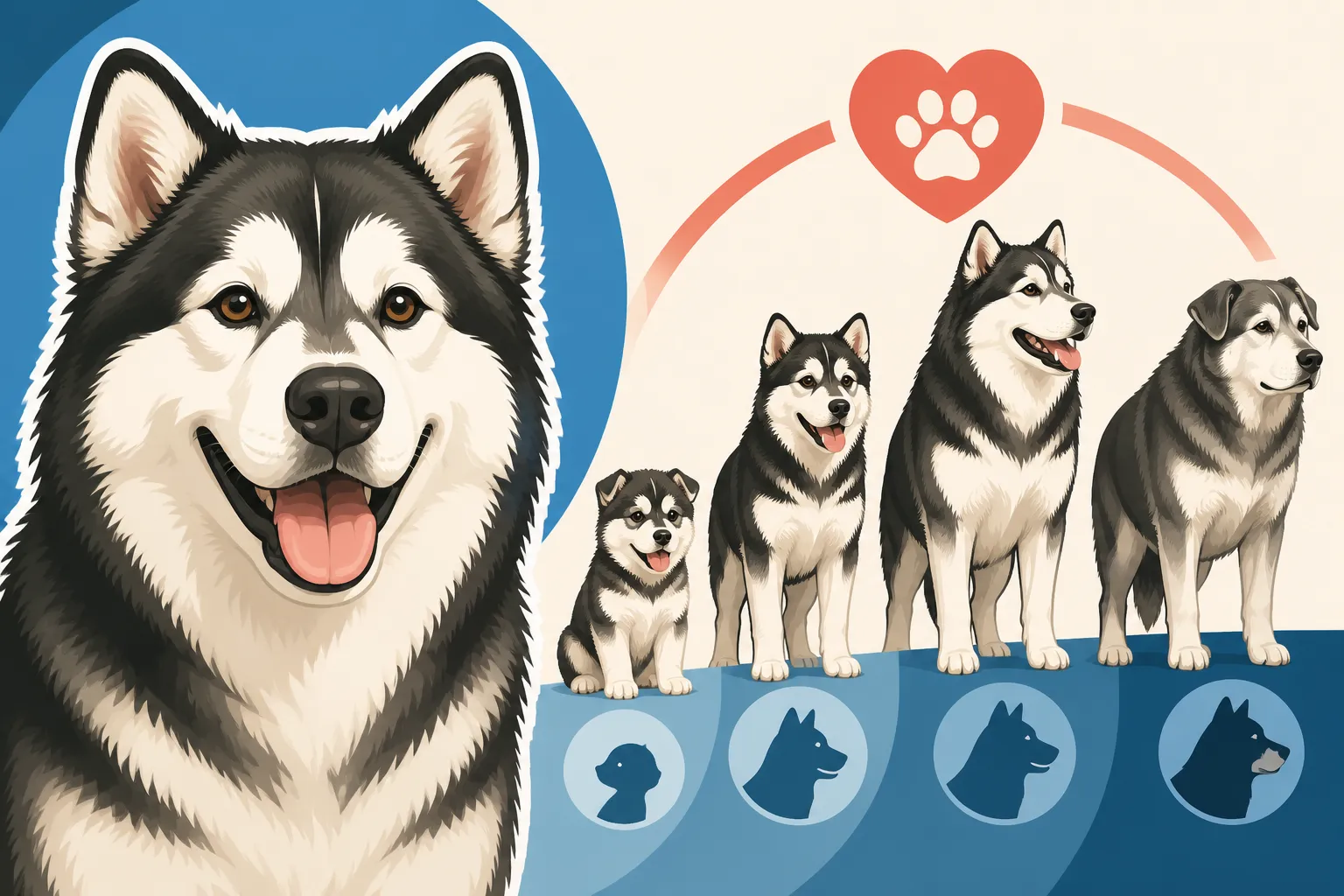
The truth is, Alaskan Malamutes, like many large and giant breeds, don't boast the incredibly long lifespans of smaller dogs. On average, you can expect your Malamute to live between 10 to 14 years. This might feel short when you consider how long they take to mature, staying in that delightful, sometimes exasperating, adolescent phase well into their second year. However, it's a respectable age for a dog of their size and build. When you compare them to some other giant breeds that might only reach 7-9 years, the Malamute's 10-14 years starts to look pretty good. It’s also important to remember that this is an average; some Malamutes, with excellent genetics and impeccable care, will certainly exceed this, living well into their mid-teens, while others, sadly, may face unforeseen challenges that shorten their time with us.
These years are precious, and while we can't control everything, understanding the average helps us appreciate every moment and plan for a lifetime of care. For more on what these years actually mean, consider reading about The Ten to Fourteen Years an Alaskan Malamute Lives.
Factors Influencing Longevity
Several interwoven factors play a significant role in determining how long your Alaskan Malamute will thrive. It’s not just one thing; it's a tapestry of genetics, environment, and the daily choices we make as their guardians.
First and foremost are genetics. A Malamute born from generations of healthy, long-lived ancestors with a strong history of genetic health testing is statistically more likely to live a full life. This means looking beyond just the cute puppy face and delving into the breeder's practices. Are they testing for common breed-specific ailments? Are they transparent about the health of their breeding stock?
Environmental factors also weigh heavily. A Malamute living in an appropriate climate, with plenty of space to move, a secure yard, and minimal exposure to environmental toxins, generally fares better. Their thick double coat, for example, makes them uniquely suited to cold environments, and living in extreme heat can put undue stress on their system, potentially shortening their lifespan due to heat-related illnesses.
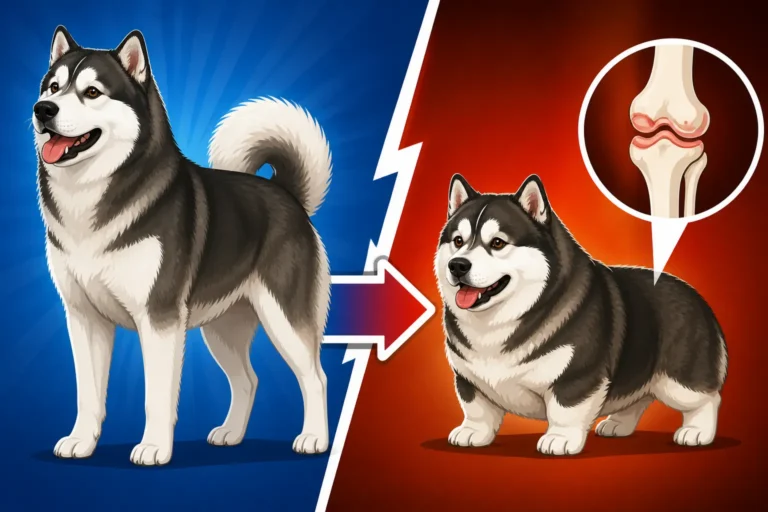
Diet and exercise are perhaps the most direct levers we have. A high-quality, balanced diet tailored to their age and activity level provides the building blocks for good health. Avoiding obesity is paramount, as extra weight puts immense strain on joints, organs, and overall systemic health. Regular, appropriate exercise, suited to their natural working drive, keeps their bodies strong and their minds sharp. A bored or under-exercised Malamute can develop destructive behaviors, but also suffer from poor physical condition.
Lastly, consistent, proactive veterinary care is non-negotiable. Regular check-ups, timely vaccinations, parasite prevention, and early intervention for any health concerns can add years to a Malamute's life. Think of it like preventative maintenance for your most cherished possession. This proactive approach can often catch issues before they become life-threatening, making a huge difference in their overall well-being and longevity. Investing in pet insurance, like a plan from Healthy Paws, can make these regular and emergency vet visits more manageable financially, ensuring you can always provide the best care without undue stress.
Common Health Challenges in Alaskan Malamutes
Alaskan Malamutes are generally a robust breed, but like all purebreds, they come with certain predispositions to specific health conditions. Being aware of these challenges isn't about fear, but about empowerment—knowing what to look for and how to mitigate risks. It allows us to be proactive in their care and work closely with our veterinarians.
Genetic Predispositions
Some of the most serious health concerns in Alaskan Malamutes are unfortunately tied to their genetics. These are not things that pop up randomly but are inherited traits that responsible breeders actively work to eliminate.
One significant issue is a condition often referred to as Zinc Responsive Dermatosis. While not directly shortening a life, if left untreated, the chronic skin infections and discomfort can severely diminish a Malamute's quality of life and lead to secondary complications. These dogs have an inability to properly absorb zinc from their diet, regardless of how much zinc is present. This often manifests as crusty, scaling skin, particularly around the eyes, muzzle, and joints. Understanding Zinc Is the Thread Running Through Three Malamute Diseases highlights how vital this mineral is. Often, these dogs require lifelong zinc supplementation, which, with proper management, allows them to live normal, comfortable lives.
Another serious inherited condition is inherited polyneuropathy. This neurological disorder primarily affects young adult Malamutes, typically between 1 and 2 years of age. It leads to progressive weakness, a distinctive "high-stepping" gait, and can eventually impact their ability to swallow and even breathe. The thought of your vibrant, playful Malamute suddenly struggling to walk or breathe is terrifying. There's currently no cure, and while supportive care can sometimes extend their comfort, it's a devastating diagnosis. Early screening and careful breeding practices are crucial to reducing its incidence. For a deeper dive, read about Inherited Polyneuropathy and the Malamute That Stumbles at a Year.
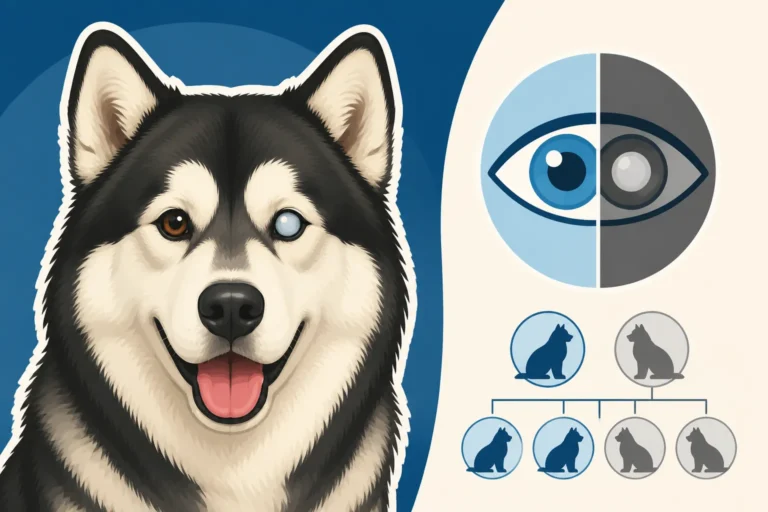
Then there's Day Blindness, or canine cone degeneration. This condition affects the cones in the retina, which are responsible for vision in bright light and color perception. Affected Malamutes will have severely impaired vision, or even be blind, in daylight, while their vision improves dramatically in dim light or at dusk. While not life-threatening, it profoundly impacts their quality of life and requires significant adaptation from their owners. Thankfully, a DNA test for the CNGB3 gene has largely helped breeders identify carriers and affected dogs, drastically reducing its prevalence. It's truly a success story in breed health, as discussed in Day Blindness and the CNGB3 Test That Nearly Ended It in Malamutes.
Orthopedic Issues
Given their large size and active nature, Alaskan Malamutes are also susceptible to certain orthopedic problems, particularly those affecting their hips and elbows. These conditions can cause pain, reduce mobility, and significantly impact their quality of life, especially as they age.
Hip dysplasia is a condition where the hip joint doesn't form properly, leading to a loose joint and eventual degenerative joint disease (arthritis). It can range from mild discomfort to severe lameness. While genetics play a huge role, environmental factors like rapid growth, excessive weight gain, and intense exercise during puppyhood can exacerbate the condition. Many Malamute owners wonder about Hip Dysplasia in a Freighting Alaskan Malamute and how their working lifestyle impacts their joints. Managing hip dysplasia often involves pain medication, physical therapy, weight management, and in severe cases, surgery. Early diagnosis through X-rays, typically screened by organizations like the Orthopedic Foundation for Animals (OFA), is vital for breeding programs and for creating a care plan for affected individuals.
Elbow dysplasia is another common orthopedic concern, involving abnormal development of the elbow joint. This can manifest as lameness, stiffness, and pain, and also leads to secondary arthritis. Like hip dysplasia, it's a complex condition with both genetic and environmental components. Both hip and elbow dysplasia can significantly reduce a Malamute's mobility and comfort in their later years, influencing their overall quality of life and potentially shortening their active lifespan if not managed effectively.
Other Health Concerns
Beyond genetic and orthopedic issues, there are several other health conditions that Alaskan Malamute owners should be aware of, some of which can be acute and life-threatening, while others require careful long-term management.
Bloat, or Gastric Dilatation-Volvulus (GDV), is a terrifying and potentially fatal condition that can affect large, deep-chested breeds like the Malamute. It occurs when the stomach fills with gas and twists, cutting off blood supply and trapping air. Symptoms include a distended abdomen, unproductive retching, restlessness, and signs of pain. Bloat is a medical emergency requiring immediate veterinary intervention and often surgery. Every minute counts, and knowing the signs and seeking immediate help is crucial. For vital information, refer to Bloat in an Alaskan Malamute. Preventative measures, such as feeding multiple smaller meals, avoiding exercise immediately after eating, and sometimes a prophylactic gastropexy surgery, can significantly reduce the risk.
Hypothyroidism is a common endocrine disorder where the thyroid gland doesn't produce enough thyroid hormone. This can lead to a range of symptoms including weight gain, lethargy, poor coat quality, hair loss, and skin issues. While not immediately life-threatening, untreated hypothyroidism can lead to more serious health problems and significantly impact a Malamute's energy levels and overall well-being. It's often diagnosed with a simple blood test and is typically managed with daily thyroid hormone supplementation for life. Many owners are surprised by how much better their Malamute feels once on medication.
Finally, like all dogs, Alaskan Malamutes are susceptible to various cancers as they age. While there isn't one specific type of cancer overwhelmingly prevalent in the breed, owners should be vigilant for any unusual lumps, persistent lameness, unexplained weight loss, or changes in behavior. Early detection is key for many cancers, offering the best chance for successful treatment. Regular veterinary check-ups are paramount, and pet insurance from providers like Healthy Paws can offer significant financial relief should your Malamute face a cancer diagnosis and require extensive treatment.
The Role of Responsible Breeding in Longevity
The journey to a long and healthy life for your Alaskan Malamute often begins long before they even arrive in your home. It starts with the choices made by responsible breeders, who are the true guardians of the breed's future. Their commitment to health and ethical practices directly impacts the health and longevity of the puppies they produce.
Health Testing and Screening
A cornerstone of responsible breeding is comprehensive health testing. Good breeders don't just breed two healthy-looking dogs; they delve into their genetic lineage and perform specific tests to rule out inherited diseases common in the breed. For Alaskan Malamutes, this typically includes screening for hip and elbow dysplasia through organizations like the Orthopedic Foundation for Animals (OFA) or PennHIP. These evaluations are usually performed when the dogs are at least two years old, ensuring their joints are fully developed.
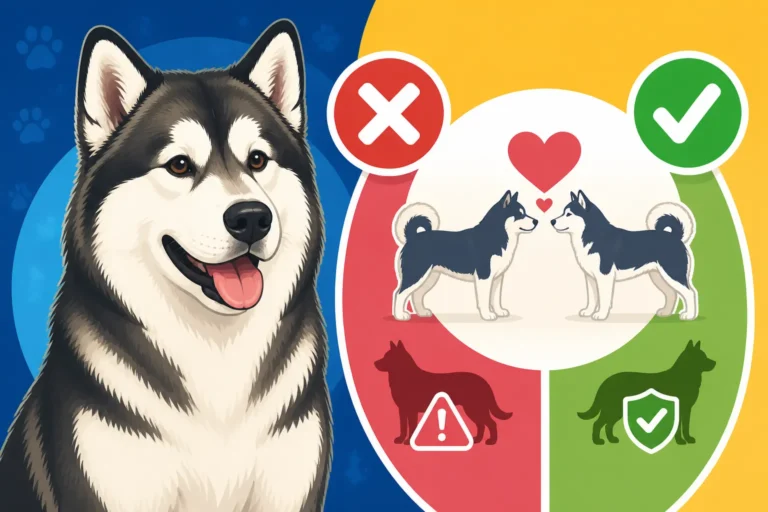
Beyond structural issues, DNA testing is crucial for inherited diseases like polyneuropathy and day blindness. There are specific DNA tests available for these conditions, which allow breeders to identify affected dogs (who will develop the disease), carriers (who won't show symptoms but can pass the gene on), and clear dogs. By understanding the genetic status of their breeding animals, responsible breeders can make informed decisions to avoid producing affected puppies. For example, a carrier dog can still be bred responsibly, but only if mated with a clear dog, ensuring no puppies inherit two copies of the problematic gene. Ignoring these tests is a red flag. If you’re considering a puppy, always ask to see the health certifications for both parents. The parent club, the Alaskan Malamute Club of America (AMCA), often has recommended health testing protocols that reputable breeders adhere to. Knowing The Health Tests Both Alaskan Malamute Parents Should Have is invaluable for any prospective owner.
Choosing a Reputable Breeder
This is perhaps one of the most critical decisions you'll make that impacts your Malamute's future health and lifespan. A reputable breeder is much more than just someone who produces puppies. They are enthusiasts dedicated to preserving and improving the breed.
Look for breeders who are transparent about their health testing results, willing to discuss the health history of their lines, and happy to show you their facilities and the parents of the puppies. They should be members of breed clubs (like the AMCA) and adhere to their code of ethics. A good breeder will also screen you as a potential owner, asking detailed questions to ensure their puppies go to suitable homes. They'll also provide a written contract, health guarantee, and offer ongoing support and advice throughout your Malamute's life.
Conversely, avoid "backyard breeders" or puppy mills. These individuals often cut corners on health testing, proper nutrition, and socialization, leading to puppies with a higher risk of genetic diseases, behavioral issues, and shorter, less healthy lives. They might not be able to tell you if Whether Malamute Dwarfism Has a DNA Test or if Whether a Malamute's Pedigree Shows Dwarfism Carriers for other issues. They often prioritize profit over the well-being of their dogs. While the initial cost of a puppy from a reputable breeder might seem higher, it's a long-term investment in a healthy, well-adjusted dog, potentially saving you thousands in veterinary bills down the line. Remember, a cheap puppy often ends up being the most expensive dog in the long run.
Nurturing a Long and Healthy Life for Your Malamute
Once your Alaskan Malamute is home with you, the responsibility shifts from the breeder to your shoulders. While genetics lay the foundation, your daily care and commitment are what truly shape their health, happiness, and ultimately, their longevity. It's an ongoing effort, but one that is incredibly rewarding.
Optimal Nutrition and Weight Management
Feeding your Alaskan Malamute isn't just about filling a bowl; it's about providing the right fuel for their unique metabolism and energy needs. Malamutes, being an arctic breed, often have a more efficient metabolism than you might expect for their size. This means they don't always need as much food as other large breeds, and it's surprisingly easy for them to become overweight.
A high-quality, balanced diet is paramount. Look for dog foods with real meat as the first ingredient, and avoid excessive fillers, artificial colors, and preservatives. The specific formulation should be appropriate for their life stage—puppy, adult, or senior—and activity level. For instance, a Malamute that is actively involved in pulling sports or other intense work might need a higher calorie, performance-focused diet, but even then, careful monitoring is essential. Many wonder about Feeding an Alaskan Malamute That Works Two Days a Week and how that impacts their nutritional needs.
Weight management is perhaps one of the most overlooked aspects of pet health that directly impacts lifespan. Obesity puts incredible strain on your Malamute's joints, exacerbates conditions like hip and elbow dysplasia, increases the risk of diabetes, heart disease, and can even make them more susceptible to overheating. Regularly assess your Malamute's body condition – you should be able to feel their ribs easily without seeing them, and they should have a discernible waist when viewed from above. If your Malamute is carrying extra pounds, work with your vet to create a safe weight loss plan. Small changes, like reducing portion sizes, switching to a lower-calorie food, and increasing exercise, can make a huge difference.
Regular Exercise and Mental Stimulation
Alaskan Malamutes were bred to work, to pull heavy loads over long distances in harsh conditions. This innate drive means they require a significant amount of regular exercise and mental stimulation to thrive. Without it, they can become bored, destructive, and even develop behavioral issues that impact their overall well-being.
Daily exercise is non-negotiable. This isn't just a quick walk around the block; it means vigorous activity that allows them to burn off energy. Long walks, jogs, hiking, or even controlled off-leash play in a secure area are great. Many Malamutes absolutely adore activities that tap into their natural pulling instincts, whether it's pulling a cart, a person on skis (skijoring), or even just a heavy backpack on a hike. Understanding that Pulling Is the Only Job an Alaskan Malamute Really Wants can guide you to fulfilling their deepest drives. This isn't just about physical health; it's about mental enrichment too. A tired Malamute is a happy Malamute, and a happy Malamute is less likely to engage in behaviors like excessive digging or chewing that can cause stress for both dog and owner.
Mental stimulation is equally vital. These are intelligent dogs who need their brains engaged. Puzzle toys, obedience training, scent work, or even just teaching them new tricks can provide the mental workout they crave. Regular training sessions, even short ones, help reinforce your bond and provide a sense of purpose. A well-exercised and mentally stimulated Malamute is less stressed, more cooperative, and generally healthier, contributing significantly to a longer, more joyful life.
Proactive Veterinary Care
Just like humans, regular check-ups with a healthcare professional are essential for maintaining health and catching potential issues early. For your Alaskan Malamute, this means consistent proactive veterinary care throughout their life.
From puppyhood, your Malamute needs a schedule of vaccinations and deworming to protect them from common infectious diseases. As they mature, annual wellness exams become crucial. During these visits, your vet will perform a thorough physical examination, checking their weight, teeth, ears, eyes, skin, and listening to their heart and lungs. These routine checks can uncover subtle changes that might indicate an underlying health problem before it becomes serious. Blood work, including a complete blood count and chemistry panel, can provide valuable insights into organ function and detect early signs of conditions like hypothyroidism or kidney disease.
As your Malamute approaches their senior years, your vet might recommend more frequent check-ups, perhaps twice a year, and additional diagnostic tests. This could include specific blood tests, urinalysis, or even X-rays to monitor for common age-related conditions like arthritis or early signs of cancer. Early intervention often leads to better outcomes and can add quality years to your Malamute's life. Don't forget the importance of dental care either; regular dental cleanings under anesthesia can prevent painful dental disease that can lead to systemic health problems.
Being proactive also means addressing any concerns you have promptly. If you notice changes in appetite, energy levels, gait, or coat quality, don't wait until the next annual visit. Schedule an appointment. Having pet insurance, such as a plan from Healthy Paws, can alleviate the financial burden of these regular check-ups and any unexpected illnesses or emergencies, allowing you to prioritize your Malamute's health without hesitation.
Adapting Care for Your Aging Malamute
Just like us, Alaskan Malamutes don't stay spry puppies forever. As they gracefully move into their golden years, typically starting around age 8, their needs will change. Recognizing these shifts and adapting your care accordingly is crucial for maintaining their comfort and quality of life during this precious time. It's a phase that brings its own set of challenges and immense rewards.
Signs Your Malamute is Becoming a Senior
The transition to senior status isn't usually a sudden event; it's a gradual evolution. Your vigilant eye as a Malamute parent will be the first to notice these subtle cues. One of the most common indicators is a general slowing down. The Malamute who once boundless in energy might start opting for more naps, be less enthusiastic about long walks, or struggle to keep up on hikes they once devoured. Their play might become shorter and less intense.
You might also observe changes in their mobility. Stiffness after resting, difficulty climbing stairs or jumping into the car, or a slight lameness could all point to developing arthritis or other joint issues. Their once thick, lustrous coat might start to thin or show gray around the muzzle and eyes. Their senses can also diminish; hearing loss might mean they don't respond to commands as readily, and cataracts or other eye conditions could affect their vision.
Cognitive changes can also occur, similar to canine cognitive dysfunction (CCD). This might manifest as confusion, staring blankly, pacing, changes in sleep patterns (waking up more at night), or even forgetting previously learned commands or house training. It’s important to distinguish these from behavioral issues – your Malamute isn’t being "stubborn," they might genuinely be disoriented. Appetite changes, increased thirst, or changes in urinary habits can also signal underlying health conditions. For a deeper understanding, explore Caring for an Alaskan Malamute Past Eight.
Supporting Senior Malamute Health
Once you recognize the signs of aging, you can proactively adapt their care to support their comfort and health. This often involves a multi-faceted approach, working closely with your veterinarian.
Veterinary Care Adjustments: As mentioned, senior Malamutes benefit from more frequent veterinary check-ups, often every six months. This allows for earlier detection and management of age-related conditions. Your vet might recommend specialized senior blood panels, urinalysis, and perhaps X-rays to monitor joint health and screen for organ dysfunction or developing tumors. Discuss joint supplements (like glucosamine and chondroitin), pain management options for arthritis, and any medications that can support cognitive function.
Nutrition Modifications: Senior Malamutes generally have lower caloric needs due to decreased activity levels and a slower metabolism. Switching to a high-quality senior dog food, which is typically lower in calories and sometimes higher in fiber and joint-supporting ingredients, can prevent weight gain and support their overall health. If they have specific health issues, such as kidney disease or heart conditions, your vet might recommend a prescription diet tailored to those needs. Ensure they always have access to fresh water, especially if their thirst increases.
Exercise and Environment Adaptations: While they might not be running marathons, senior Malamutes still need regular, gentle exercise to maintain muscle mass and joint flexibility. Shorter, more frequent walks on soft surfaces are often better than one long, strenuous outing. Adapt your home environment to make it more accessible: provide orthopedic dog beds to cushion sore joints, use ramps instead of stairs, and consider non-slip rugs on slick floors. Keep their routine consistent to reduce anxiety if they're experiencing cognitive decline. Remember, even older Malamutes enjoy a "job," so gentle puzzle toys or short scent games can still provide mental engagement.
Navigating End-of-Life Decisions
This is undeniably the hardest part of sharing your life with a beloved Alaskan Malamute. The bond we form with these incredible dogs is profound, and facing their mortality is heartbreaking. However, making informed, compassionate decisions during their final chapter is one of the most loving things we can do for them.
Recognizing Quality of Life
One of the most difficult questions we face is knowing when our Malamute's quality of life has diminished to a point where intervention might no longer be in their best interest. This isn't about arbitrary age; it's about their daily experience. Your veterinarian can be an invaluable partner in this assessment, but ultimately, as their primary caregiver, you are the best judge of their happiness and comfort.
Start by observing their "good days" versus "bad days." Are the bad days outnumbering the good? Are they experiencing chronic pain that can no longer be effectively managed, even with medication? Are they able to engage in activities they once loved, even in a modified way? Look for signs of profound discomfort, inability to move or relieve themselves without significant struggle, persistent lack of appetite or thirst, and a general loss of interest in life. This includes things like ignoring favorite treats, not wanting to interact with family, or showing signs of confusion or distress.
A useful tool can be a quality of life checklist, often provided by vets, which helps you objectively score different aspects of their well-being (pain, appetite, hygiene, happiness, mobility). This can help you move past the emotional attachment to see the reality of their daily experience. This phase is about ensuring dignity and minimizing suffering, even if it means making the hardest choice. Knowing When an Old Alaskan Malamute Has Had Enough is an individual and agonizing decision, but one born of deep love.
Grief and Support
The loss of an Alaskan Malamute leaves a gaping hole in your heart and home. The grief you experience is real, valid, and often profound. It’s important to allow yourself to feel that grief and not to minimize it. Your Malamute wasn't "just a dog"; they were a family member, a confidant, and a constant source of joy and companionship for 10-14 years.
There is no "right" way to grieve, and everyone processes loss differently. Some find comfort in remembering happy memories, looking through photos, or establishing a small memorial. Others might need to talk about their feelings with understanding friends, family, or even a pet bereavement counselor. Support groups, both online and in person, can provide a safe space to share your feelings with others who truly understand your pain. Don't feel pressured to "get over it" quickly or to immediately adopt another pet if you're not ready. Healing takes time.
Allowing yourself to grieve is part of the deep love you shared with your Malamute. Honor their memory, cherish the incredible journey you had together, and know that the love you felt was real and will always be a part of you.
Common Malamute Health Concerns at a Glance
To help you keep track of potential health issues and their impact on your Malamute's life, here's a brief overview:
| Condition | Typical Onset Age | Impact on Lifespan | Key Preventive/Management Steps |
|---|---|---|---|
| Hip/Elbow Dysplasia | Puppy/Adolescent (symptoms) | Can reduce active lifespan due to pain | Responsible breeding (OFA/PennHIP), weight control, moderate exercise in puppyhood, joint supplements, pain management, physical therapy. |
| Inherited Polyneuropathy | 1-2 years | Significantly shortens lifespan | Responsible breeding (DNA testing), genetic counseling. |
| Zinc Responsive Dermatosis | Puppy/Young Adult | Lowers quality of life if untreated | Responsible breeding, lifelong zinc supplementation, specific diet management. |
| Day Blindness (CNGB3) | Puppy/Early life | No direct impact, but affects quality of life | Responsible breeding (DNA testing), environmental adaptations (dim lighting). |
| Bloat (GDV) | Any age (higher risk in adults) | Life-threatening emergency | Slow feeders, multiple small meals, avoid exercise post-meal, prophylactic gastropexy, immediate vet care for symptoms. |
| Hypothyroidism | Middle age (3-7 years) | Lowers quality of life if untreated | Regular vet check-ups, blood tests, daily thyroid hormone medication. |
| Cancer | Older age (7+ years) | Varies by type, can be life-threatening | Regular vet check-ups, vigilance for lumps/changes, early detection, treatment tailored to specific cancer. |
Disclaimer
The information provided in this article is for general informational purposes only and does not constitute veterinary advice. Always consult with a qualified veterinarian for any health concerns or before making any decisions about your pet's medical care.