Whether an Old Alaskan Malamute’s Coat Thins
It's heartbreaking, isn't it, to watch our magnificent Alaskan Malamutes start to show the signs of aging? One moment they're these robust, heavily coated powerhouses, and the next, you start noticing subtle changes. Often, one of the first things owners observe is a difference in their beloved Malamute's iconic double coat. You might find yourself wondering if it's just your imagination, or if their glorious fur really is thinning out a bit. This guide is here to tell you that, yes, it’s a very common observation, and we'll delve into why it happens, what’s normal, and when those changes might be telling you something more.
The Inevitable Changes to an Aging Malamute's Coat
As our Malamutes move into their senior years, which for many starts around The Age an Alaskan Malamute Counts as a Senior, their bodies begin to slow down, and this includes their hair growth cycles. Just like us, they experience a natural process of aging that can manifest in various ways, and their coat is a very visible indicator. It's not always a cause for alarm, but it definitely warrants our attention.
Understanding Normal Coat Thinning vs. Health Issues
It's easy to jump to conclusions when you notice your Malamute's coat isn't as thick or lustrous as it once was. You've spent years admiring that plush, dense fur, a hallmark of the breed, designed to keep them warm in the harshest Arctic conditions. So, when it starts to feel a bit less voluminous, or you see a scattering of hairs where there used to be a thick blanket, it's natural to worry.
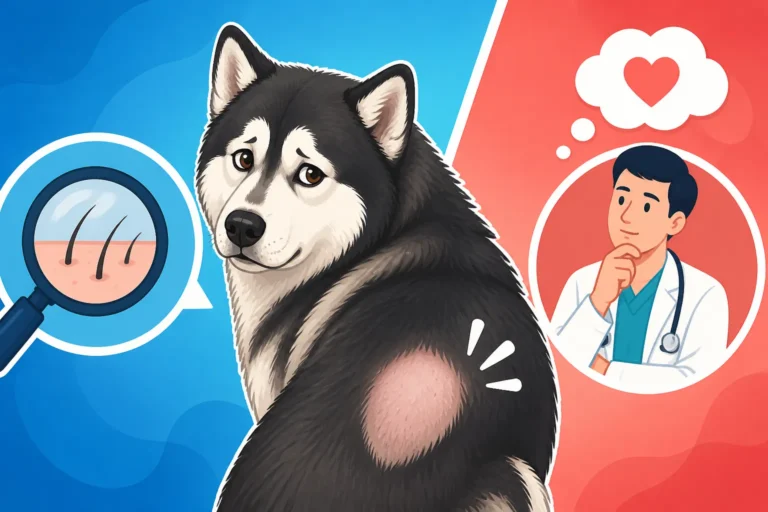
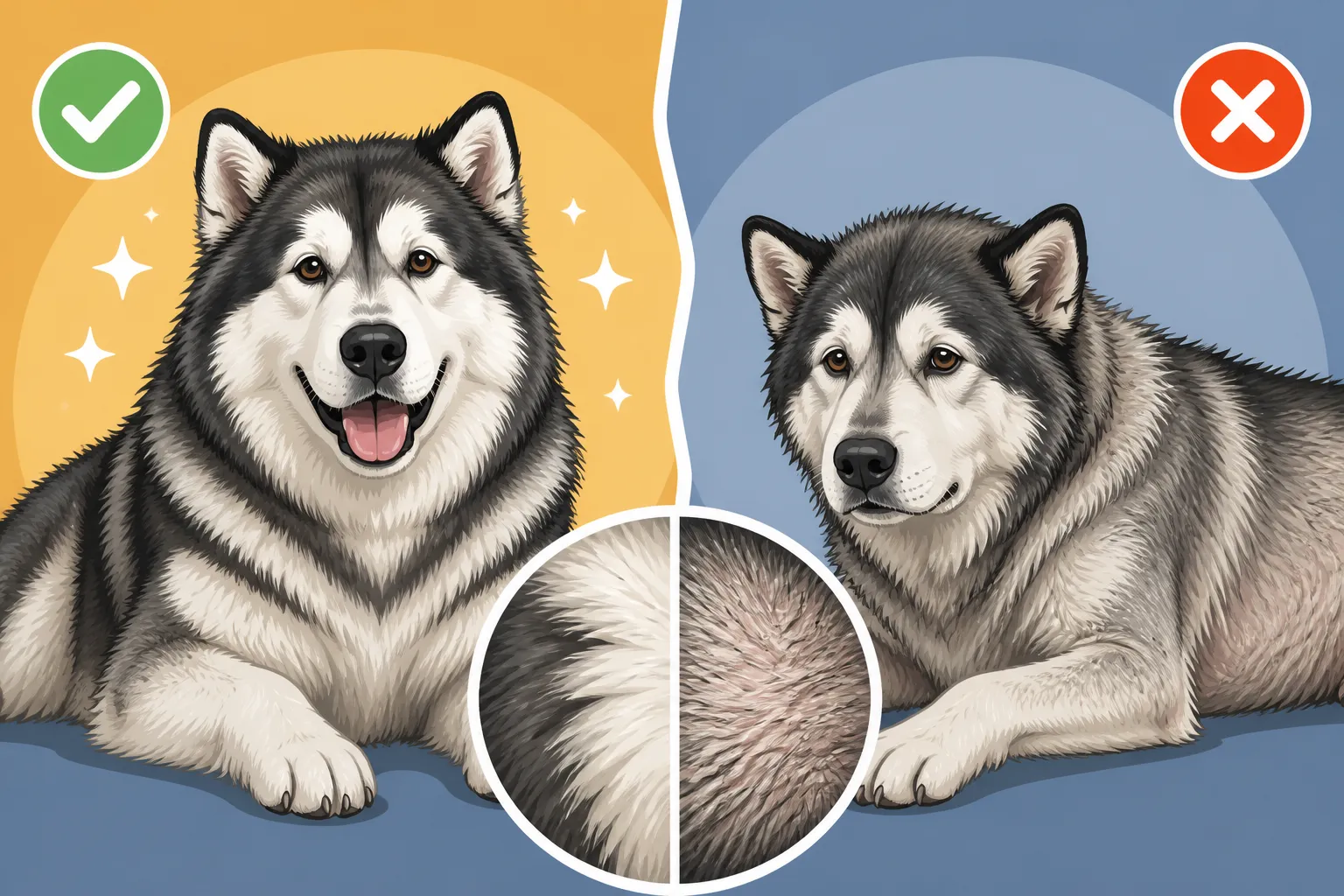
For many older Malamutes, a certain degree of coat thinning is simply a normal part of the aging process. Their hair follicles might become less active, producing finer, shorter, or less dense hairs. The undercoat, which is the soft, downy layer responsible for most of their insulation, might not grow in as thickly as it did in their prime. You might notice their guard hairs, the longer, coarser outer layer, seem a little less robust. This kind of thinning usually occurs gradually and symmetrically across their body. It might be most noticeable along their flanks, belly, or the backs of their legs, areas that naturally have slightly less dense fur even in youth. It’s a subtle shift, not sudden bald patches. Think of it less as "going bald" and more as having a slightly less plush, well-groomed look. This is a common, often benign, change that comes with the wisdom of age. However, it's crucial to understand that while some thinning is normal, sudden, patchy, or severe hair loss, especially if accompanied by skin irritation, flakiness, redness, or excessive scratching, is not normal and definitely warrants a trip to the vet.
Why a Malamute's Coat is So Important
The Alaskan Malamute's double coat isn't just for show; it's a marvel of natural engineering, absolutely vital for their well-being. This magnificent fur, thick and dense, is what allowed their ancestors to thrive in extreme cold, pulling heavy freight across frozen landscapes. The soft, insulating undercoat traps a layer of warm air close to their skin, much like a down jacket. The coarser, waterproof guard hairs form a protective outer shell, shedding snow and ice and keeping moisture away from their skin.
Even a slight reduction in this density due to aging can impact their thermoregulation. While an older Malamute might not be pulling sleds through blizzards, they still rely on that coat to keep them comfortable in cooler weather. Whether an Old Alaskan Malamute Feels the Cold is a legitimate concern, and a thinner coat can mean they're more susceptible to feeling chilly than they once were, especially if they spend time outdoors. Conversely, a compromised coat might also affect their ability to manage heat in warmer conditions, as the coat also provides a barrier against direct sun. Beyond the physical, there's an emotional component for us, their guardians. We love their fluffy majesty, and seeing it diminish can be a quiet reminder of their advancing years, making us want to do everything we can to support their comfort and health.
Common Reasons for Coat Changes in Older Malamutes Beyond Simple Thinning
While some coat thinning is expected, it's essential to remember that many health conditions can also manifest through changes in the fur. For an older Malamute, whose immune system might not be as robust and whose body is generally working harder, these issues can become more prevalent. Being vigilant and knowing what to look for can make a big difference in catching potential problems early.
Hormonal Imbalances and Their Impact on Fur
Hormonal issues are surprisingly common in senior dogs, and they can have a dramatic effect on coat health, often mimicking or exacerbating natural thinning. The most frequently encountered culprit in Malamutes is hypothyroidism, a condition where the thyroid gland doesn't produce enough thyroid hormone. This hormone is crucial for many bodily functions, including metabolism and hair growth. When a Malamute becomes hypothyroid, you might notice thinning hair, especially on the flanks, chest, and tail, often symmetrical and non-itchy initially. The fur itself can become brittle, dry, and dull, and sometimes the skin underneath can become flaky or darker. Whether a Malamute Gets Hypothyroidism is a real possibility that needs to be explored. Other signs of hypothyroidism, beyond coat changes, might include weight gain, lethargy, cold intolerance, and a dull expression. If you're seeing these changes, a visit to the vet for bloodwork is definitely in order to check thyroid levels. Signs a Malamute's Thyroid Has Failed are often subtle at first but become more pronounced over time.
Less common but still possible are conditions like Cushing's disease (hyperadrenocorticism), where the body produces too much cortisol. While not as frequent in Malamutes as hypothyroidism, it can also lead to hair loss, typically on the trunk, along with a pot-bellied appearance, increased thirst, and frequent urination. These hormonal shifts can be quite frustrating for owners, as the visual changes to the coat are often the first obvious symptom, prompting concerns that go beyond mere cosmetic aging.
Nutritional Deficiencies and Absorption Issues
Just like with humans, an older dog's digestive system might not be as efficient at absorbing nutrients, even if they're eating a high-quality diet. This means that even if you've been feeding the same food for years, your senior Malamute might suddenly be experiencing a nutritional deficiency that impacts their coat.
Alaskan Malamutes are particularly susceptible to Zinc Responsive Dermatosis, a genetic condition where their bodies struggle to absorb or metabolize zinc, even when adequate zinc is present in their diet. While often appearing in younger dogs, it can also manifest or worsen with age. A lack of zinc can lead to dry, flaky skin, crusting lesions, and significant hair thinning around the eyes, muzzle, ears, and pressure points like elbows and hocks. What Zinc Responsive Dermatosis Looks Like on a Malamute is often unmistakable once you know what to look for. If you notice these symptoms, it’s vital to discuss it with your vet. Beyond zinc, general protein deficiency or a lack of essential fatty acids (like Omega-3 and Omega-6) can also lead to a dull, dry, brittle coat that appears thinner because the individual hairs are breaking easily. These vital nutrients are the building blocks for healthy skin and fur. Ensuring your Malamute gets enough zinc, and exploring supplements if necessary, is crucial. For information on feeding, Feeding an Alaskan Malamute for Zinc It Cannot Absorb is a great resource.
It's not just about what they eat, but how much they absorb. As the gut ages, absorption can decrease. Sometimes, simply switching to a senior formula dog food, which often has enhanced digestibility and nutrient levels, can make a significant difference. Brands like Ollie, which offer fresh, human-grade food, might also appeal to older Malamutes with sensitive digestion, though it's always best to discuss any major dietary changes with your vet. Many owners find quality supplements for their seniors on Chewy or Amazon.
Skin Conditions and Parasites Exacerbated by Age
An older Malamute’s skin can become more fragile, less elastic, and more susceptible to issues. Their immune system might not be as quick to fend off minor irritations or infections, leading to skin conditions that result in hair loss. Bacterial skin infections (pyoderma) or fungal infections can crop up, causing redness, itchiness, and patchy hair loss as the dog scratches or the follicles become inflamed. Allergies, whether environmental or food-related, can also worsen with age, leading to chronic scratching and self-trauma that thins the coat.
Parasites, while a concern at any age, can be particularly bothersome for older dogs whose skin defenses might be lower. Fleas, mites (like demodex or sarcoptes), and ticks can cause intense itching, leading to chewing, licking, and scratching that thins the fur and creates sore spots. Regular prevention is key, but if you see signs of infestation or irritated skin, a vet visit is essential to get an accurate diagnosis and treatment. Maintaining a consistent, gentle grooming routine is a proactive step in noticing these issues early.
| Coat Change Characteristic | Normal Aging Thinning | Potential Health Issue |
|---|---|---|
| Onset | Gradual, over months/years | Often more sudden, sometimes rapid |
| Symmetry | Generally symmetrical over body | Can be patchy, asymmetrical, or localized |
| Skin Appearance | Healthy, supple, normal color | Red, flaky, crusty, greasy, darkened, irritated |
| Itchiness | Typically no itching | Often accompanied by significant itching, licking, scratching |
| Hair Quality | Finer, softer, less dense | Brittle, dry, coarse, easily broken, dull |
| Accompanying Symptoms | Few to none | Lethargy, weight changes, increased thirst/urination, behavioral changes, specific lesions |
| Undercoat vs. Guard Hairs | Both may thin, undercoat reduction often more noticeable | Often affects undercoat first, but can be widespread |
| Response to Grooming | No significant improvement in density, but maintains tidiness | May worsen with brushing, or show no improvement without treatment |
Practical Steps to Support Your Senior Malamute's Coat Health
Watching our Malamutes age is a journey, and while we can't stop time, we can certainly make their golden years as comfortable and healthy as possible. Supporting their coat health is a big part of that, as it directly relates to their overall comfort and protection. It's about a holistic approach that combines good nutrition, a thoughtful grooming routine, and proactive veterinary care.
Dietary Adjustments and Supplementation
As Malamutes age, their dietary needs shift. They might become less active, requiring fewer calories, but their bodies often need higher quality protein and specific nutrients to support aging organs, joints, and yes, their coat. Look for senior-specific dog foods that are formulated for older dogs. These often have lower calorie counts to prevent weight gain, higher quality proteins for muscle maintenance, and added supplements like glucosamine and chondroitin for joint health.
When it comes to coat health specifically, a high-quality diet is the foundation. However, supplemental support can make a noticeable difference. Omega-3 and Omega-6 fatty acids are superstars for skin and coat. You can find these in fish oil supplements (available at places like Chewy or Amazon), or in some specialized skin and coat formulas. Many owners swear by a daily dose of fish oil for keeping their Malamute's fur soft and reducing dryness. Remember our chat about zinc? If your vet suspects a zinc absorption issue, they might recommend a specific zinc supplement. Be very careful with zinc, though; too much can be toxic, so always follow veterinary guidance. For more on dietary needs, refer to Feeding an Old Alaskan Malamute and Joint Supplements for an Alaskan Malamute. Some owners even explore fresh food options like Ollie, believing the increased moisture and fresh ingredients benefit their senior dog's overall health, including their coat.
Introducing new foods or supplements should always be done gradually to avoid upsetting your Malamute’s sensitive stomach. Start with small amounts mixed with their regular food and slowly increase over a week or two. And always, always consult your veterinarian before making significant changes to your senior dog's diet or adding new supplements, especially if they have existing health conditions.
Grooming Routine Adaptations for an Older Coat
Even if your senior Malamute's coat is thinning, it still needs attention, and possibly even more careful attention than before. The fur might be more fragile, and the skin underneath more delicate. While a younger Malamute might tolerate a vigorous brushing, an older dog might appreciate a gentler touch.
Continue with regular brushing, perhaps more frequently but with shorter sessions, using softer brushes. A good undercoat rake is still essential, but you might find your Malamute tolerates it less, or that less undercoat comes out. Use a slicker brush or a pin brush more often to gently remove loose fur and distribute natural oils, stimulating circulation without pulling too hard on delicate skin. How Often an Alaskan Malamute Needs Brushing is still quite frequent for a Malamute! Pay close attention to areas where mats might form, even on a thinner coat, such as behind the ears, in the "armpits," and on the britches. Mats can pull on the skin, causing discomfort and even skin infections. Which Brush Gets Through a Malamute's Undercoat is still important for any Malamute.
Bathing should be done as needed, which for a Malamute is usually not very often, but use a mild, moisturizing shampoo that won't strip essential oils from their skin. If your Malamute is prone to dry skin, a colloidal oatmeal shampoo or one specifically designed for sensitive skin might be beneficial. Always ensure they are thoroughly dried, especially in cooler weather, to prevent skin issues and ensure they don't get chilled.
Regular Veterinary Check-ups and Proactive Care
This is perhaps the most crucial aspect of caring for an older Malamute and managing any coat changes. As your Malamute crosses into their senior years, annual vet visits often become biannual. These regular check-ups are absolutely invaluable for catching health issues early, which can directly impact coat health.
During these visits, your vet will perform a thorough physical examination, which includes a close inspection of their skin and coat. They'll look for any abnormal thinning, redness, lesions, or changes in hair texture. This is your opportunity to voice any concerns you have about changes you've noticed in their fur. Blood work is often recommended for senior Malamutes. This can screen for common age-related conditions like thyroid dysfunction, kidney disease, or liver issues, all of which can have secondary effects on coat quality. For example, if your vet finds low thyroid hormone levels, they can prescribe medication to get those levels back to normal, and you'll often see a remarkable improvement in your Malamute's coat as part of their overall recovery.
Proactive care means not waiting until a problem is severe. If you notice persistent itching, scabs, sudden bald patches, or any other dramatic changes to your Malamute's coat, don't hesitate to contact your vet. Early diagnosis and intervention can prevent discomfort for your beloved companion and potentially save you from more costly and complicated treatments down the line. Caring for an Alaskan Malamute Past Eight is all about vigilance and proactive care.
Disclaimer
This article is for general informational purposes only and does not constitute professional advice. Laws, prices and regulations vary by location and change over time. Consult a qualified professional for guidance on your specific situation.