The Kotzebue and M’Loot Lines Behind Every Modern Malamute
Many people bring an Alaskan Malamute into their lives, falling head over heels for their majestic presence and independent spirit, only to soon hear whispers of "Kotzebue" and "M'Loot" lines. It's often baffling to understand what these terms mean and why they're still mentioned when, technically, every modern Malamute carries the blood of both. This guide aims to clear up that confusion, diving deep into the fascinating history and defining characteristics of these foundational bloodlines that converged to create the magnificent Alaskan Malamute we know and love today.
The Indigenous Roots of the Alaskan Malamute and the Mahlemut People
Before any formal breeding lines existed, the ancestors of the Alaskan Malamute were indispensable companions to the Mahlemut people, an Inuit tribe inhabiting the Kotzebue Sound region of northwestern Alaska. These were not simply pets; they were partners in survival, bred and selected over generations for specific, crucial tasks in one of the world's most unforgiving environments. Understanding their origins is key to appreciating the deep-seated instincts and physical prowess that define the Malamute.
Life with the Mahlemut: Dogs of Necessity
Imagine living in a world where your very existence depended on the strength and endurance of your canine companions. For the Mahlemut people, this was reality. Their dogs were far more than just furry friends; they were the engines of their society, the beasts of burden that enabled hunting, travel, and the transportation of vital supplies. Without these powerful dogs, navigating the vast, frozen wilderness, hauling heavy loads of game or equipment, and maintaining connections between remote settlements would have been utterly impossible.
The Mahlemut dogs were selectively bred for immense strength, incredible endurance, and a docile, cooperative nature within their pack, both canine and human. Aggression, especially towards humans, was a liability in such close-knit communities where dogs and people shared intimate living spaces and depended on each other for survival. Their purpose was clear: to pull heavy freight over long distances, not to be fast racers. This utilitarian breeding forged a dog with unparalleled resilience and a profound work ethic, traits still evident in the breed today. They needed a dog that could face brutal weather, push through deep snow, and keep going day after day, and that's precisely what they created. The Mahlemut of Kotzebue Sound Bred the Alaskan Malamute
The Arctic Environment and the Malamute's Early Role
The Arctic environment around Kotzebue Sound is brutal, marked by long, dark winters with temperatures plunging far below freezing and vast expanses of snow and ice. This was the proving ground for the Mahlemut dogs. Their thick, double coats, powerful builds, and exceptional stamina weren't just desirable traits; they were non-negotiable requirements for survival and success. These dogs were the ultimate freighting animals, capable of pulling substantial weights – often hundreds of pounds per dog – across treacherous terrain.
Their responsibilities extended beyond just pulling sleds. They assisted in hunting large game like seals and even bears, using their keen sense of smell and robust strength. They would locate seal breathing holes in the ice or help track game across vast distances. This work required intelligence, independence, and the ability to make sound decisions in challenging situations, all while working cooperatively within a team. The early Malamute was a testament to natural selection guided by human needs, a living, breathing tool honed by centuries of Arctic life. Their robust health and stoic nature, even when facing discomfort, stems directly from this demanding heritage.
The Emergence of the Kotzebue Line: Purity and Preservation
As Westerners began to explore and settle Alaska during the late 19th and early 20th centuries, they encountered these impressive native dogs. Admiration for their strength and beauty grew, leading to efforts to formally recognize and preserve the breed. One of the most significant figures in this endeavor was Arthur Walden, whose efforts led to the establishment of what became known as the Kotzebue line.
Arthur Walden and the Beginnings of Registration
Arthur Walden, an experienced dog handler from New Hampshire, was deeply involved in polar expeditions, notably Admiral Byrd's first Antarctic expedition in 1928. He became captivated by the powerful, freighting dogs he saw in Alaska and the Yukon, recognizing their unique qualities. Walden set out to gather what he believed were the purest examples of the Mahlemut dogs from the Kotzebue Sound area. His goal was to preserve the original type, maintaining what he perceived as their untouched indigenous characteristics, both physically and temperamentally.
He established his "Chinook" kennel in Wonalancet, New Hampshire, and began breeding these dogs. Walden's efforts were instrumental in bringing the Alaskan Malamute to the attention of the wider dog world and laying the groundwork for breed recognition by the American Kennel Club (AKC). His approach emphasized the preservation of the original Arctic dog, focusing on dogs that were a moderate size, efficient in their movement, and possessed a "soft" or gentle temperament, particularly within their own kind.
Characteristics and Legacy of the Kotzebue Malamute
The Kotzebue line dogs, as championed by Walden, were generally described as being of moderate size, typically within the lower end of the breed standard's height and weight range. They possessed a lighter bone structure compared to some other types of Alaskan dogs, favoring agility and endurance over sheer bulk. Their heads were often described as refined, with a thoughtful, almost solemn expression. Temperamentally, Kotzebue dogs were known for being generally more "dog-friendly" and less prone to same-sex aggression, a trait often attributed to their pack-oriented existence with the Mahlemut people where cooperation was paramount. This isn't to say they were pushovers, but rather that overt aggression wasn't selected for.
This line heavily influenced the initial AKC breed standard, which sought to capture the essence of the original Arctic freighting dog. Breeders working with Kotzebue lines emphasized consistency in type and temperament, aiming to produce dogs that closely mirrored the Mahlemut's working companions. Even today, echoes of the Kotzebue ideal can be seen in Malamutes praised for their classic proportions, balanced movement, and gentle demeanor. While pure Kotzebue lines are virtually non-existent today due to the later merging of bloodlines, their influence remains a cornerstone of the breed's heritage. What the Kotzebue Malamute Line Is
The M'Loot Line: Power, Size, and Temperament
While Arthur Walden was striving for purity with his Kotzebue dogs, another distinct lineage of Alaskan Malamutes was being developed by Paul Voelker. The "M'Loot" line, as it came to be known, offered a different interpretation of the breed's ideal, emphasizing greater size, power, and a more robust, sometimes more challenging, temperament. This line's impact on the modern Malamute is just as significant as the Kotzebue's, contributing to the incredible diversity seen within the breed.
Paul Voelker and the "M'Loot" Dogs
Paul Voelker was another prominent figure in the early 20th-century development of the Alaskan Malamute. Unlike Walden, who focused on preserving a specific indigenous type, Voelker's approach was somewhat broader, gathering dogs from various Alaskan and Yukon territories. The name "M'Loot" itself is believed to be a phonetic misspelling or misunderstanding of "Mahlemut," reflecting the less precise documentation of their origins compared to Walden's structured kennel. Voelker's breeding program, often considered more diverse in its foundational stock, aimed to produce large, powerful dogs that could excel in demanding pulling tasks.
Voelker's dogs were known for their impressive size and formidable strength, making them highly desirable for heavy freighting and other demanding work. He valued robust health and sheer physical capability, leading to a type that, while still recognizably Malamute, diverged from the more refined Kotzebue ideal. His influence was profound, contributing a crucial genetic pool that broadened the breed's characteristics and ensured its survival through various periods of decline.
Defining Traits and Impact of the M'Loot Malamute
M'Loot Malamutes were characterized by their often larger size, heavier bone structure, and powerful, muscular physiques. They typically stood at the higher end of the breed standard's height and weight, exuding an imposing presence. Their heads were often described as broader and heavier, with a more pronounced stop and a more "wolfy" or intense expression than their Kotzebue counterparts. These were dogs built for sheer power and pulling ability, and their physical attributes reflected that goal.
Temperamentally, M'Loot dogs were often perceived as more independent and, at times, more assertive or challenging. While intelligent and devoted to their human families, they could be more prone to same-sex aggression, a trait that requires careful management and socialization from a young age. This assertiveness is not necessarily a flaw but rather a reflection of their breeding for dominance within a working pack and a strong sense of self-preservation. Many modern Malamutes with exceptional size and powerful builds often trace a strong influence back to M'Loot lines. The M'Loot contribution ensured that the Malamute breed did not become too uniform, instead offering a valuable genetic breadth that has contributed to its enduring robustness. What the M'Loot Malamute Line Is
The Convergence: Merging the Lines and Formalizing the Breed
For a time, the Kotzebue and M'Loot lines were recognized as distinct, each with their champions and devotees. However, the future of the Alaskan Malamute as a formally recognized breed hinged on unification. The pivotal figure in this crucial phase was Eva B. Seeley, whose vision and dedication led to the eventual merging of these diverse bloodlines, creating the foundation for every modern Alaskan Malamute.
Eva Seeley and the Blending of Bloodlines
Eva B. Seeley of Chinook Kennels, a protégé of Arthur Walden, played an absolutely critical role in bridging the gap between the Kotzebue and M'Loot lines. Initially working closely with Walden and his Kotzebue dogs, Seeley recognized the necessity of broadening the breed's genetic base. The Kotzebue line, while pure and consistent, was quite small, raising concerns about potential inbreeding and limited genetic diversity. To gain full recognition from the American Kennel Club (AKC), a more substantial and diverse population of dogs was needed.
Seeley began selectively incorporating M'Loot type dogs into her breeding program alongside her Kotzebue stock. This was not a simple task; it required careful consideration of individual dogs, temperaments, and physical traits to ensure the offspring retained the essential Malamute characteristics while gaining genetic robustness. Her efforts were met with some resistance from purists on both sides who favored their distinct lines, fearing a dilution of their chosen type. However, Seeley's foresight proved invaluable. Her willingness to blend these lines created the broader gene pool that eventually allowed the Alaskan Malamute to achieve full AKC recognition in 1935, albeit with an initial standard that largely favored the Kotzebue type. The wisdom of her approach in creating a healthier, more diverse foundation for the breed cannot be overstated. Whether the Two Malamute Lines Were Ever Merged
Establishing the Breed Standard and Genetic Diversity
The formal breed standard, as established by the AKC and stewarded by the Alaskan Malamute Club of America (AMCA), became a blueprint for the ideal Alaskan Malamute. This standard skillfully incorporated desirable traits from both the Kotzebue and M'Loot lines, striving for a balanced representation that honored the breed's working heritage. It called for a dog of powerful build, a deep chest, and well-muscled legs, capable of great endurance, while also emphasizing a dense, weather-resistant coat and a friendly, outgoing disposition. The standard aimed for a medium-sized dog, which somewhat aligned with the original Kotzebue ideal, but the genetic contributions of the larger M'Loot dogs ensured that the possibility for a broader range of size and substance remained within acceptable limits.
The merging of these lines was crucial for the long-term health and vitality of the breed. Relying solely on a very narrow gene pool, as the Kotzebue line initially represented, carries significant risks, including the concentration of genetic health issues and a lack of adaptability. By thoughtfully blending the two, Seeley and subsequent breeders ensured a wider genetic diversity, providing a stronger foundation for the breed's future. This doesn't mean all problems were instantly solved, but it significantly reduced the potential for issues related to extreme inbreeding. The legacy of this convergence is that every modern Alaskan Malamute carries the blended genetics of these two foundational lines, a testament to careful stewardship and a commitment to the breed's enduring success.
Distinguishing Characteristics and Enduring Influences Today
Even though all modern Alaskan Malamutes are a blend of Kotzebue and M'Loot bloodlines, the ghost of these two types can sometimes still be seen in individual dogs. Responsible breeders and astute owners learn to recognize these subtle differences, not to perpetuate outdated divisions, but to understand the nuances in physical appearance, temperament, and even potential health predispositions that contribute to the overall rich tapestry of the breed. It's less about pure lines and more about understanding the influences that shaped the dogs we cherish today.
Physical Differences and Temperamental Tendencies
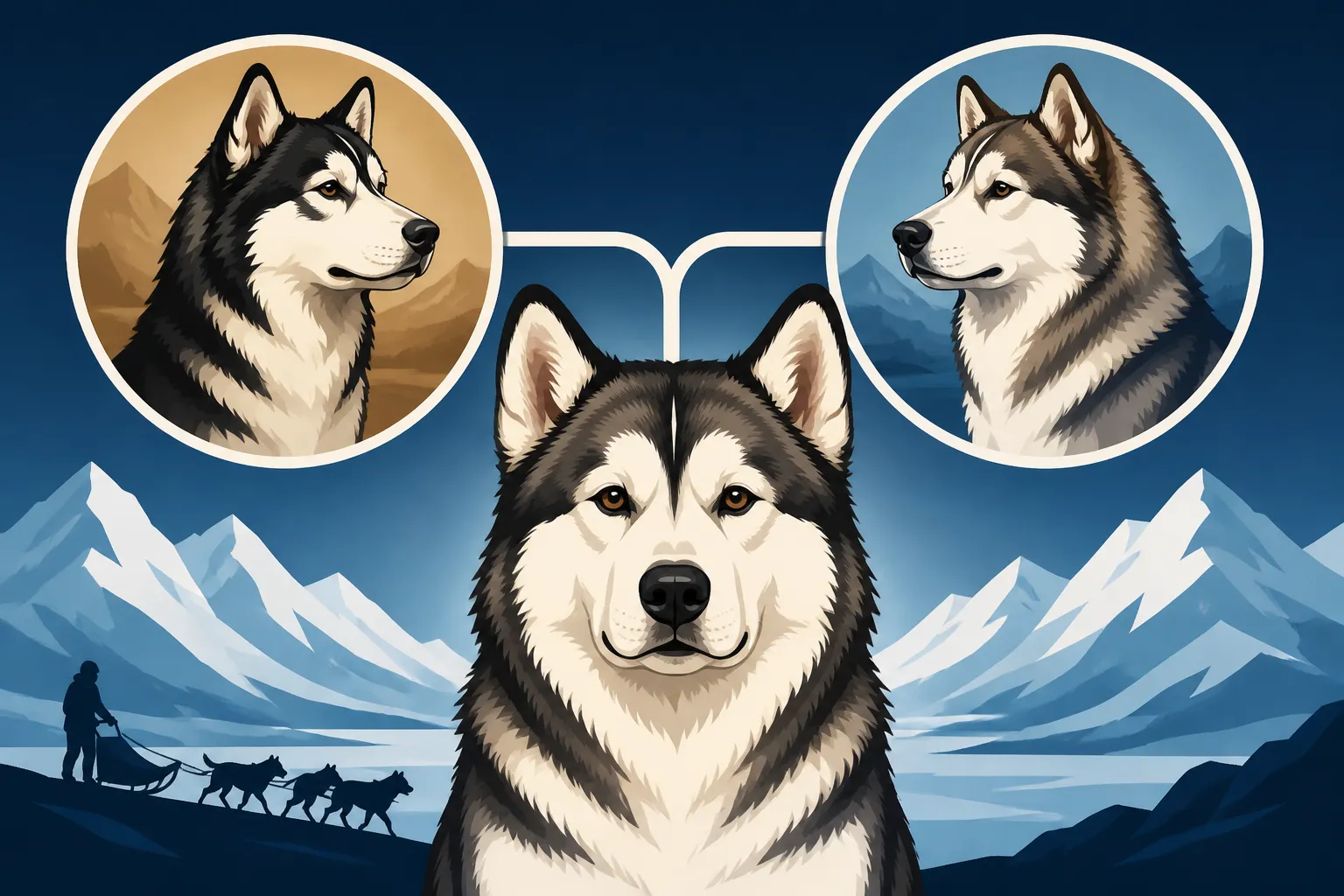
When you look at a group of Malamutes, you might notice some are a bit more compact, perhaps with a slightly finer bone structure and a refined head, while others are noticeably larger, heavier-boned, and possess a broader head. These variations often harken back to the Kotzebue and M'Loot influences. Dogs leaning more towards the Kotzebue end of the spectrum might exhibit the more classic "wolfy" head with a balanced stop and a somewhat lighter build, reflecting their heritage of persistent endurance. Conversely, dogs with stronger M'Loot ancestry might be notably larger and more massive, with a broader muzzle and a powerful, deep-chested physique that speaks to immense pulling power.
Temperamentally, these historical influences can also manifest. While the breed standard emphasizes a friendly disposition, some Malamutes might exhibit a more easygoing, dog-friendly nature that could be linked to Kotzebue influences. Others might show a stronger sense of independence, a more assertive presence, or a greater predisposition towards same-sex aggression, traits that are often associated with the M'Loot lines. It's vital to remember that these are tendencies, not absolute predictors. A well-bred Malamute, regardless of its ancestral leanings, should always possess a stable, loving temperament. Understanding these historical nuances helps owners appreciate the rich diversity within their beloved companions and plan for proper socialization and training.
Let's look at some general comparisons, keeping in mind that these are historical tendencies and not strict categories for modern dogs:
| Characteristic | Kotzebue Influence (General Tendency) | M'Loot Influence (General Tendency) |
|---|---|---|
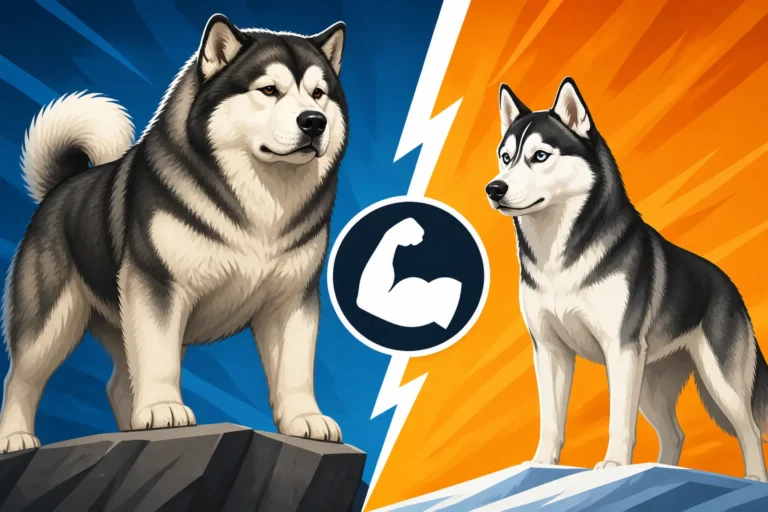
| Size/Bone | Moderate size, lighter bone, more refined | Larger, heavier bone, more powerful |
| Head Shape | More refined, classic wolf-like, balanced stop | Broader, heavier, more pronounced stop |
| Temperament | Often more dog-friendly, less assertive | Can be more independent, assertive, prone to same-sex aggression |
| Energy/Drive | Persistent endurance, efficient movers | Sheer power, strong pulling drive |
| Overall Look | Classic proportions, elegant, agile | Imposing, massive, robust |
Health Considerations and Lineage
While the historical lines themselves aren't directly linked to specific health crises, understanding the early emphasis of each line can sometimes give insight into discussions around breed health. For instance, the original Kotzebue line's smaller gene pool meant a higher risk of concentrating genetic disorders if not carefully managed. The broader genetic base introduced by the M'Loot line helped mitigate some of these risks by introducing new genetic material. However, both lines, and thus the combined modern Malamute, have their share of breed-specific health concerns that responsible breeders actively screen for today.
Conditions like Zinc Is the Thread Running Through Three Malamute Diseases or Hip Dysplasia in a Freighting Alaskan Malamute are not exclusive to one line or the other, but rather pervasive issues that require diligent screening across the entire breed. For instance, zinc responsive dermatosis, a metabolic issue where the dog struggles to absorb zinc from its diet, can affect any Malamute. Similarly, hip and elbow dysplasia are polygenic conditions that can appear in any line. What matters most today is not whether a dog is "Kotzebue" or "M'Loot," but whether its ancestors have undergone rigorous health testing for these and other inherited conditions. Ethical breeders prioritize genetic health over strict adherence to one physical "type," ensuring they screen for common ailments like inherited polyneuropathy, day blindness, and eye conditions. Reputable breeders will be transparent about their dogs' health clearances, often found through organizations like OFA (Orthopedic Foundation for Animals) or through specific DNA tests. The Health Tests Both Alaskan Malamute Parents Should Have are non-negotiable for a healthy future.
The Modern Alaskan Malamute: A Unified Legacy
Today, the idea of a "pure" Kotzebue or "pure" M'Loot Malamute is largely a historical concept. Every Alaskan Malamute registered with the AKC (and most other kennel clubs worldwide) carries a genetic heritage that is a blend of both foundational lines. The successful merging of these distinct groups was critical for the breed's survival and recognition, providing the genetic diversity needed to thrive. What matters now is not which line a dog predominantly embodies, but how well it represents the overall breed standard, its health, and its temperament.
Beyond the Lines: What Defines a Good Malamute Today
A truly good Alaskan Malamute today is defined by its adherence to the comprehensive breed standard, which encompasses physical characteristics, movement, and, crucially, temperament. We look for a dog that is strong, well-boned, and capable of performing the heavy freighting work for which it was originally bred. But equally important is a stable, friendly, and outgoing temperament—a dog that is devoted to its family, intelligent, and possesses that classic Malamute independence. The dog should be sound in body and mind, a testament to generations of thoughtful breeding that balanced the power of the M'Loot with the classic elegance of the Kotzebue.
Responsible breeders today do not selectively breed for one historical line over the other. Instead, they strive for a balanced Malamute that embodies the best qualities of both: the robust health and moderate proportions that make for an enduring worker, combined with the gentle disposition that allows them to be beloved family companions. The focus is on producing Malamutes that are excellent examples of the breed as a whole, exhibiting the characteristic strength, dignity, and loyalty that draws so many to them. It means moving beyond a fascination with historical labels and instead focusing on the living, breathing dogs in front of us. What an Alaskan Malamute Actually Weighs and How Tall an Alaskan Malamute Stands are just two examples of physical traits that should fall within the standard, regardless of which early lineage a dog might favor in appearance.
Resources for Prospective Owners and Ethical Breeding Practices
For anyone considering bringing an Alaskan Malamute into their home, understanding this lineage history is fascinating, but selecting a puppy or adult dog requires practical, forward-thinking decisions. The best advice is always to seek out reputable breeders who prioritize health, temperament, and adherence to the breed standard, not just historical labels. A good breeder will be transparent about the health testing of their breeding stock, including hips, elbows, eyes, and genetic tests for conditions like polyneuropathy and day blindness. They will also be eager to discuss their dogs' temperaments and how they socialize their puppies. They won't focus on marketing "pure" lines but on the quality and well-being of their current dogs.
The Alaskan Malamute Club of America (AMCA) is an invaluable resource, offering breeder directories, educational materials, and a wealth of information about the breed. They promote ethical breeding practices and are an excellent first point of contact for anyone serious about getting a Malamute. When you eventually bring your Malamute home, regardless of whether it looks more like a Kotzebue or an M'Loot, remember that companies like Chewy offer a fantastic range of products, from high-quality food to durable toys, ensuring you can meet all your Malamute's needs throughout its life. Remember that Whether a Malamute Breeder Should Publish DNA Results is a key question to ask, and understanding The Alaskan Malamute Club of America Offers a Buyer many resources can make your journey smoother. It is through these efforts that the magnificent legacy of both the Kotzebue and M'Loot lines continues to thrive in every Alaskan Malamute today.
Disclaimer
This article is for general informational purposes only and does not constitute professional advice. Laws, prices and regulations vary by location and change over time. Consult a qualified professional for guidance on your specific situation.