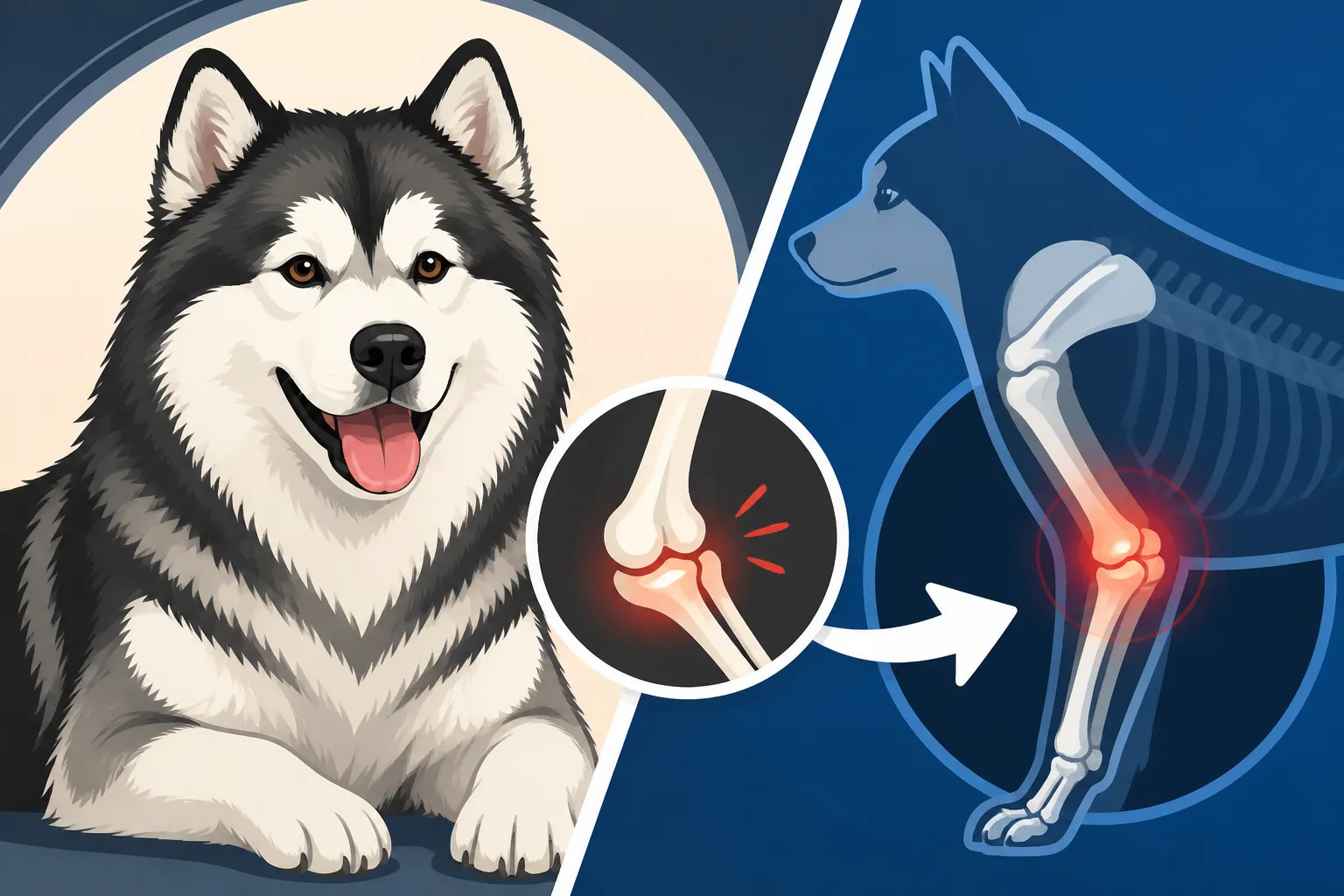
Whether a Malamute Gets Elbow Dysplasia
It’s a heartbreaking worry for any Alaskan Malamute owner: that subtle limp, the reluctance to jump, or the way your once-energetic companion seems to move with a stiffness that wasn't there before. These magnificent dogs are built for work and endurance, and the thought of a debilitating joint condition like elbow dysplasia can be truly devastating. This guide is here to walk you through everything you need to know about elbow dysplasia in Alaskan Malamutes, from identifying the early signs to understanding treatment options and, crucially, how to work towards prevention.
Understanding Elbow Dysplasia in Alaskan Malamutes
Elbow dysplasia, often abbreviated as ED, is a complex and often painful condition that affects the elbow joints of dogs, particularly larger, rapidly growing breeds like our beloved Alaskan Malamutes. Unlike a simple injury, ED is usually a developmental issue, meaning it arises as the dog grows, rather than from a single traumatic event. It’s not just one thing; it's a catch-all term for several specific developmental abnormalities that can occur in the elbow joint.
What Exactly is Elbow Dysplasia?
At its core, elbow dysplasia refers to an abnormal development of the elbow joint, which is comprised of three bones: the humerus (upper arm bone), the radius, and the ulna (forearm bones). In a healthy elbow, these bones fit together perfectly, allowing for smooth, pain-free movement. With ED, there's a mismatch in the growth rates of these bones or other issues with cartilage and bone formation, leading to an ill-fitting joint. This imperfect fit causes abnormal stress, friction, and wear, leading to pain, lameness, and eventually, degenerative joint disease or osteoarthritis. It’s similar in concept to hip dysplasia, but specifically affecting the elbow.
Imagine two gears that are supposed to mesh flawlessly. If one gear is slightly misshapen or grows faster than the other, they grind against each other instead of turning smoothly. This grinding causes damage over time, leading to pain and reduced function. That's essentially what happens in an elbow joint affected by dysplasia. The constant abnormal pressure wears down the cartilage and leads to bone spurs and inflammation, which is incredibly uncomfortable for your dog and drastically impacts their ability to move freely and enjoy life.
Why Malamutes Are Susceptible
Alaskan Malamutes, with their powerful build, rapid growth rate as puppies, and genetic predispositions, are unfortunately among the breeds susceptible to elbow dysplasia. Their large size and substantial bone structure mean that any minor developmental abnormality in the rapidly forming joints can be exacerbated by their body weight and the stresses of normal activity. It's a cruel twist when these dogs, bred for strength and pulling, are prone to issues that compromise their mobility.
Genetics play a significant role. While environmental factors like diet and exercise during puppyhood can influence the severity, the underlying predisposition is inherited. If a Malamute's parents or grandparents carried the genes for elbow dysplasia, there's a higher chance their offspring will develop it. This is why responsible breeding practices are so crucial, and we’ll delve deeper into that later. The rapid growth spurt in large breed puppies, typically between 4 and 7 months, is a particularly vulnerable time. Any imbalance in nutrition or excessive stress on immature joints during this critical period can trigger or worsen the expression of the condition if the genetic blueprint is already there.
The Different Forms of Elbow Dysplasia
As mentioned, elbow dysplasia isn't a single condition but a group of four primary developmental abnormalities. A dog can have one or a combination of these:
- Fragmented Coronoid Process (FCP): This is the most common form in many breeds, including Malamutes. The coronoid process is a small bony projection on the ulna. In FCP, a piece of this bone breaks off, becoming a loose fragment within the joint. This fragment irritates the joint lining and cartilage, causing pain and inflammation. Imagine a tiny pebble constantly rubbing inside a smooth hinge – it causes damage.
- Ununited Anconeal Process (UAP): The anconeal process is another small bony projection on the ulna. It typically fuses with the main part of the ulna by about 5 months of age. In UAP, this fusion fails to occur, leaving the process unattached. This loose bone causes instability and pain in the joint. It's like a crucial bolt in a machine that was never properly tightened, leading to constant jarring and wear.
- Osteochondritis Dissecans (OCD) of the Elbow: OCD involves a disturbance in the normal cartilage development in the joint. A flap of cartilage may form or detach, leaving underlying bone exposed. This exposed bone and loose cartilage flap cause inflammation, pain, and can accelerate the development of osteoarthritis. This is often seen in fast-growing puppies and can occur in other joints too, not just the elbow.
- Elbow Incongruity: This refers to a general misalignment or poor fit between the three bones of the elbow joint. If the radius and ulna grow at different rates, or if the curvature doesn't match the humerus, it leads to uneven pressure distribution across the joint surfaces. This abnormal loading causes excessive wear and tear on the cartilage, promoting painful degenerative changes.
Understanding these different forms is important because while the symptoms can be similar, the underlying problem dictates the most effective treatment approach.
Recognizing the Signs and Symptoms
One of the biggest frustrations for Malamute owners is that these stoic dogs often hide pain incredibly well. They are bred to push through discomfort, and it can take a keen eye and deep understanding of your dog to spot the subtle signs of elbow dysplasia before it becomes severe. Catching it early can make a world of difference in management and prognosis.
Early Warning Signs in Puppies and Adolescents
It’s often during puppyhood and adolescence, typically between 5 and 18 months, that the first subtle signs of elbow dysplasia might emerge. These signs can be intermittent, making them easy to dismiss as a clumsy puppy phase or a minor bump. But for a watchful owner, they are red flags.
You might notice a subtle lameness in one or both front legs, often after periods of rest or strenuous exercise. It might be a slight head bob when they walk, or an unevenness in their gait. Your puppy might show a reluctance to engage in activities they once loved, like running at full speed, jumping onto the couch, or playing rough with other dogs. They might seem to tire more quickly or even shift their weight away from the affected limb when standing. Another tell-tale sign can be what's called a "paddle gait" or "outward rotation" of the front paws, where they turn their feet out to try and alleviate pressure on the inner elbow. Don't fall into the trap of thinking they're just lazy; for a Malamute puppy, lack of enthusiasm for activity is always a cause for concern. For more on how these amazing dogs often conceal their struggles, you might find insight in our piece on Why a Malamute Shows Nothing Until It Cannot Work.
Symptoms in Adult Malamutes
If elbow dysplasia isn't diagnosed and managed during puppyhood, it inevitably progresses, leading to more pronounced and chronic issues in adult Malamutes. By this stage, the subtle developmental problems have usually resulted in significant osteoarthritis, making daily life a challenge.
Adult Malamutes with ED will often display chronic pain, which can manifest as persistent lameness that worsens with exercise and improves slightly with rest. You might notice them struggling to rise from a lying position, especially after a long nap, or having difficulty going up and down stairs. Their gait can become stiff and awkward, and you might observe muscle atrophy (wasting) in the affected front leg due to disuse. Some dogs might even develop behavioral changes, becoming less tolerant of handling, more irritable, or withdrawn because they are constantly in pain. They might groan when stretching or stand with their elbows "out" in an attempt to find comfort. If you notice your adult Malamute becoming less active or showing any new stiffness, it's definitely time for a vet visit.
Differentiating from Other Joint Issues
It's easy to jump to conclusions when your Malamute starts limping, but elbow dysplasia needs to be properly diagnosed to rule out other potential problems. Many conditions can cause front leg lameness in large breed dogs, and some can even co-exist with ED.
For instance, a simple sprain or strain from enthusiastic play might cause a temporary limp. However, these typically resolve quickly with rest, whereas ED-related lameness is usually persistent or recurrent. Arthritis, or osteoarthritis, is a consequence of elbow dysplasia, but it can also develop independently in older dogs due to wear and tear. Disc disease in the neck or spine can sometimes present as front leg lameness, mimicking elbow pain. And of course, there's always the concern about Hip Dysplasia in an Alaskan Malamute, which affects the hindquarters but is another major orthopedic issue for the breed. A thorough veterinary examination, including palpation and imaging, is crucial to pinpoint the exact cause of your Malamute's discomfort and ensure they get the right treatment.
| Symptom Category | Early/Puppy Signs | Adult/Chronic Signs |
|---|---|---|
| Lameness | Intermittent, subtle limp after rest/exercise; slight head bob. | Persistent lameness; worsens with activity; improves slightly with rest. |
| Activity | Reluctance to run, jump, play; tires easily. | Avoids stairs, jumping; struggles to rise; less interest in walks/play. |
| Gait | Uneven movement; outward rotation of paws ("paddle gait"). | Stiff, awkward gait; shorter strides; favoring one leg. |
| Physical | No obvious changes, possibly slight swelling near elbow. | Muscle atrophy in affected limb; joint swelling; decreased range of motion. |
| Behavioral | Reduced enthusiasm; might seek comfort in unusual positions. | Irritability, withdrawal; groaning with movement; reluctance to be touched. |
| Pain Level | Mild to moderate, often intermittent. | Moderate to severe, chronic. |
Diagnosis and Veterinary Intervention
When you suspect elbow dysplasia, the first step is always a trip to your veterinarian. They are your primary partner in unraveling the mystery of your Malamute's discomfort. It's easy to feel overwhelmed, but a good vet will guide you through the process, explaining each step and helping you make informed decisions.
The Diagnostic Process
Diagnosing elbow dysplasia usually begins with a thorough physical examination by your veterinarian. They will observe your Malamute's gait, palpate (feel) the elbow joints for swelling, pain, or crepitus (a grinding sound or sensation), and assess the range of motion. They might gently flex and extend the elbow, listening for clicks or signs of discomfort from your dog. This initial exam provides crucial clues about which joint might be affected and the severity of the pain.
If ED is suspected, the next step almost always involves diagnostic imaging, primarily X-rays. Standard X-ray views of the elbows, taken from specific angles, are essential. Your vet will likely sedate your Malamute for these X-rays to ensure proper positioning and minimize stress, as accurate positioning is critical for clear images. In some cases, especially when the X-rays are inconclusive or show subtle changes, more advanced imaging such as a Computed Tomography (CT) scan or even Magnetic Resonance Imaging (MRI) might be recommended. These provide much more detailed, 3D views of the bones and soft tissues, allowing for a more precise diagnosis of conditions like FCP or UAP. Sometimes, an arthroscopy, which is a minimally invasive surgical procedure where a tiny camera is inserted into the joint, might be performed not only for diagnosis but also for treatment.
When to Seek Veterinary Care
The moment you notice any persistent lameness, stiffness, or changes in your Malamute's activity level or behavior, it’s time to call your vet. Don’t wait. Early intervention is paramount for managing elbow dysplasia effectively. The sooner a diagnosis is made, the sooner a treatment plan can be put into action, potentially slowing the progression of osteoarthritis and improving your dog's quality of life. Delaying care can lead to more severe joint damage, more chronic pain, and a more challenging road to recovery.
Think of it this way: if you had a persistent ache in your elbow, you wouldn't wait months to see a doctor. Your Malamute relies on you to advocate for their health. Even if you only see subtle signs, it’s worth a consultation. Many loving owners have found themselves wishing they had acted sooner when faced with a rapidly progressing case. Plus, getting a diagnosis early allows you to start planning for any potential expenses, which an organization like Healthy Paws pet insurance could help with, easing the financial burden of advanced diagnostics or surgery.
Specialist Referrals and Imaging
In many cases, your primary veterinarian might recommend a referral to a board-certified veterinary orthopedic specialist. These specialists have advanced training and experience in diagnosing and treating complex joint conditions like elbow dysplasia. They often have access to more advanced diagnostic equipment, such as in-house CT scanners, and are highly skilled in interpreting subtle findings on X-rays.
A specialist can offer a deeper level of expertise, discuss the various surgical and non-surgical options in detail, and provide a more accurate prognosis based on the specific form and severity of ED. While a referral might seem like an extra step or expense, it ensures your Malamute receives the most informed and cutting-edge care available. They can also help you understand how elbow dysplasia relates to other potential genetic conditions and offer advice on broader care, similar to how they might advise on Caring for an Alaskan Malamute Past Eight if complications arise later in life.
Management and Treatment Options
Once elbow dysplasia is diagnosed, the focus shifts to managing the condition and alleviating pain. There isn't a "cure" in the sense that the joint can be returned to its original, perfect state, but there are numerous strategies to improve comfort and function significantly. The approach depends on the severity, the specific form of ED, and your Malamute's age and overall health.
Conservative Management Strategies
For many Malamutes, especially those with mild to moderate elbow dysplasia or those who are not surgical candidates, conservative management can provide significant relief. The cornerstone of conservative care is weight control. An overweight Malamute puts enormous additional strain on already compromised joints, accelerating degeneration. Given that Malamutes have a surprisingly The Efficient Metabolism That Surprises Every New Malamute Owner, keeping them lean is achievable but requires vigilance.
Exercise modification is also crucial. This doesn't mean no exercise, but rather controlled exercise. High-impact activities like intense fetch, jumping, or long-distance running on hard surfaces should be replaced with shorter, more frequent walks on soft ground, swimming, or carefully managed leash walks. Pain management is another key component, often involving non-steroidal anti-inflammatory drugs (NSAIDs) prescribed by your vet to reduce inflammation and pain. Other medications, such as gabapentin, might be used for neuropathic pain, or amantadine for chronic pain. Additionally, joint supplements containing glucosamine, chondroitin, and MSM can help support cartilage health, though their efficacy varies. You can learn more about suitable options in our guide on Joint Supplements for an Alaskan Malamute.
Surgical Interventions and Prognosis
For more severe cases, or when conservative management isn't providing sufficient relief, surgical intervention might be recommended. The type of surgery depends entirely on the specific form of elbow dysplasia. For FCP, arthroscopic removal of the fragmented coronoid process is a common procedure, aiming to remove the irritating loose piece of bone. For UAP, the ununited anconeal process can sometimes be reattached or removed, depending on the case. For OCD, the cartilage flap can be removed, and the underlying bone stimulated to form new cartilage. In cases of elbow incongruity, osteotomies (bone cuts) might be performed to realign the bones and improve joint fit.
The prognosis after surgery varies. Many dogs experience significant improvement in pain and lameness, especially if the surgery is performed early before extensive osteoarthritis has developed. However, surgery doesn't eliminate the predisposition to arthritis; it merely addresses the underlying cause of the abnormal joint mechanics. Regular follow-up with your vet and adherence to post-operative rehabilitation are critical for the best long-term outcome. The recovery period often involves strict rest, gradual reintroduction of exercise, and potentially physical therapy.
Rehabilitation and Long-Term Care
Regardless of whether your Malamute undergoes surgery or is managed conservatively, rehabilitation and long-term care are essential for maximizing their mobility and comfort. Physical therapy, guided by a certified canine rehabilitation therapist, can significantly improve joint function, strengthen supporting muscles, and reduce pain. This might include exercises to improve range of motion, balance work, and strengthening drills.
Hydrotherapy, such as underwater treadmill sessions or swimming, is particularly beneficial as it allows for low-impact exercise, building muscle without putting excessive strain on the joints. Ongoing pain management strategies may need to be adjusted over time as your Malamute ages, potentially including regular injections (like polysulfated glycosaminoglycans or hyaluronic acid) or even alternative therapies like acupuncture. Regular veterinary check-ups are vital to monitor the progression of osteoarthritis and adjust the treatment plan as needed. A long-term care plan, developed with your vet, is key to giving your Malamute the most comfortable and active life possible. Organizations like Healthy Paws can often cover rehabilitation therapies, which is a huge relief when considering the overall cost of managing a chronic condition.
Prevention and Responsible Breeding Practices
While elbow dysplasia is largely genetic, there are proactive steps both breeders and owners can take to minimize its occurrence and impact. Prevention truly is better than cure, especially with a condition that can so severely affect a dog's quality of life.
Screening and Genetic Testing
The most critical preventative measure for elbow dysplasia is rigorous screening of breeding dogs. Organizations like the Orthopedic Foundation for Animals (OFA) provide certification for elbows (and hips) in dogs. This involves submitting X-rays of the dog's elbows at 24 months of age or older to a panel of veterinary radiologists who evaluate them for signs of dysplasia. The elbows are graded as "Normal" or "Dysplastic" (Grade I, II, or III). Only dogs with "Normal" elbows should be used for breeding. You'll often see breeders proudly display their dogs' OFA certifications, which is a great sign of their commitment to health. Knowing The Age a Malamute Is Certified by OFA can help you understand the appropriate timeline for these tests.
Prospective puppy buyers should always ask to see the OFA elbow (and hip) clearances for both parents of a litter. Do not settle for verbal assurances; request copies of the certificates. If a breeder isn't screening their dogs, they aren't breeding responsibly, and you risk buying a puppy with a high likelihood of developing this painful condition. For comprehensive health considerations, refer to our guide on The Health Tests Both Alaskan Malamute Parents Should Have.
Nutritional and Environmental Factors
Even with excellent genetics, environmental factors during a Malamute puppy's rapid growth phase can influence the expression and severity of elbow dysplasia. Over-nutrition, particularly diets high in calories and calcium, can lead to excessively rapid growth and abnormal bone development. It's crucial to feed large breed puppy formulas that are specifically designed for controlled growth, providing balanced nutrients without encouraging too-fast weight gain. Avoid free-feeding, and stick to recommended portion sizes.
Controlled exercise is also paramount. While Malamute puppies are full of energy, excessive, high-impact exercise like long runs, forced jogging, or jumping from heights should be avoided. Their growth plates (soft areas in the bones that are still growing) are vulnerable until they close, typically around 12-18 months of age. Too much stress on these immature joints can exacerbate any underlying genetic predisposition to ED. Gentle play and short, frequent walks are much better than strenuous, prolonged activity. Knowing The Age a Malamute's Growth Plates Close helps manage activity levels appropriately.
The Role of Ethical Breeders
Ethical breeders are the frontline defense against inherited diseases like elbow dysplasia. They don't just breed for looks or temperament; they prioritize health. An ethical breeder will:
- Perform all recommended health clearances, including OFA elbows (and hips), on all breeding dogs.
- Be transparent about health results, showing certificates without hesitation.
- Be knowledgeable about the health history of their dog's lines, not just the immediate parents.
- Be selective about breeding pairs, avoiding dogs with a history of ED in their lineage, even if they themselves test clear.
- Educate prospective puppy buyers about the risks and responsible rearing practices.
- Offer health guarantees and be available for support throughout the dog's life.
They will never knowingly breed an affected dog, and they will carefully consider even carrier dogs, breeding them only to clear mates to reduce the incidence over generations. Choosing a puppy from a reputable, health-conscious breeder is the single most important decision you can make to minimize the risk of your Malamute developing elbow dysplasia. If you're wondering about the cost versus the value of a well-bred puppy, our article on Whether an Untested Alaskan Malamute Litter Is Worth Buying provides valuable perspective.
Disclaimer
The information provided in this article is for educational and informational purposes only and does not constitute medical advice for pets. Always consult with a qualified veterinarian for any health concerns or before making any decisions about your pet's health or treatment.