How Common Polyneuropathy Is in Alaskan Malamutes
It’s truly heartbreaking to watch your beloved Alaskan Malamute, a dog built for power and endurance, start to falter, stumble, or even struggle with something as simple as their own voice. When these changes appear, often in their prime, it sends a wave of fear through any devoted owner. This comprehensive guide is here to shed light on Inherited Polyneuropathy, a specific neurological challenge faced by our magnificent Mals, exploring just how common it is and what steps we can take as responsible guardians.
Understanding Inherited Polyneuropathy in Alaskan Malamutes
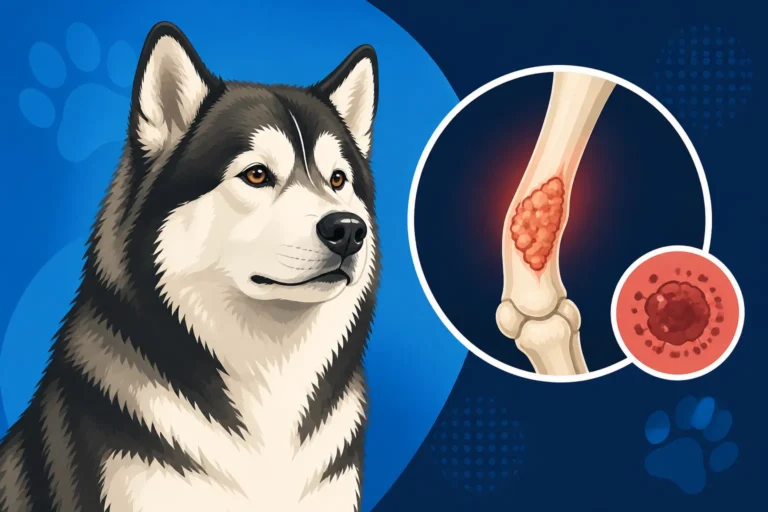
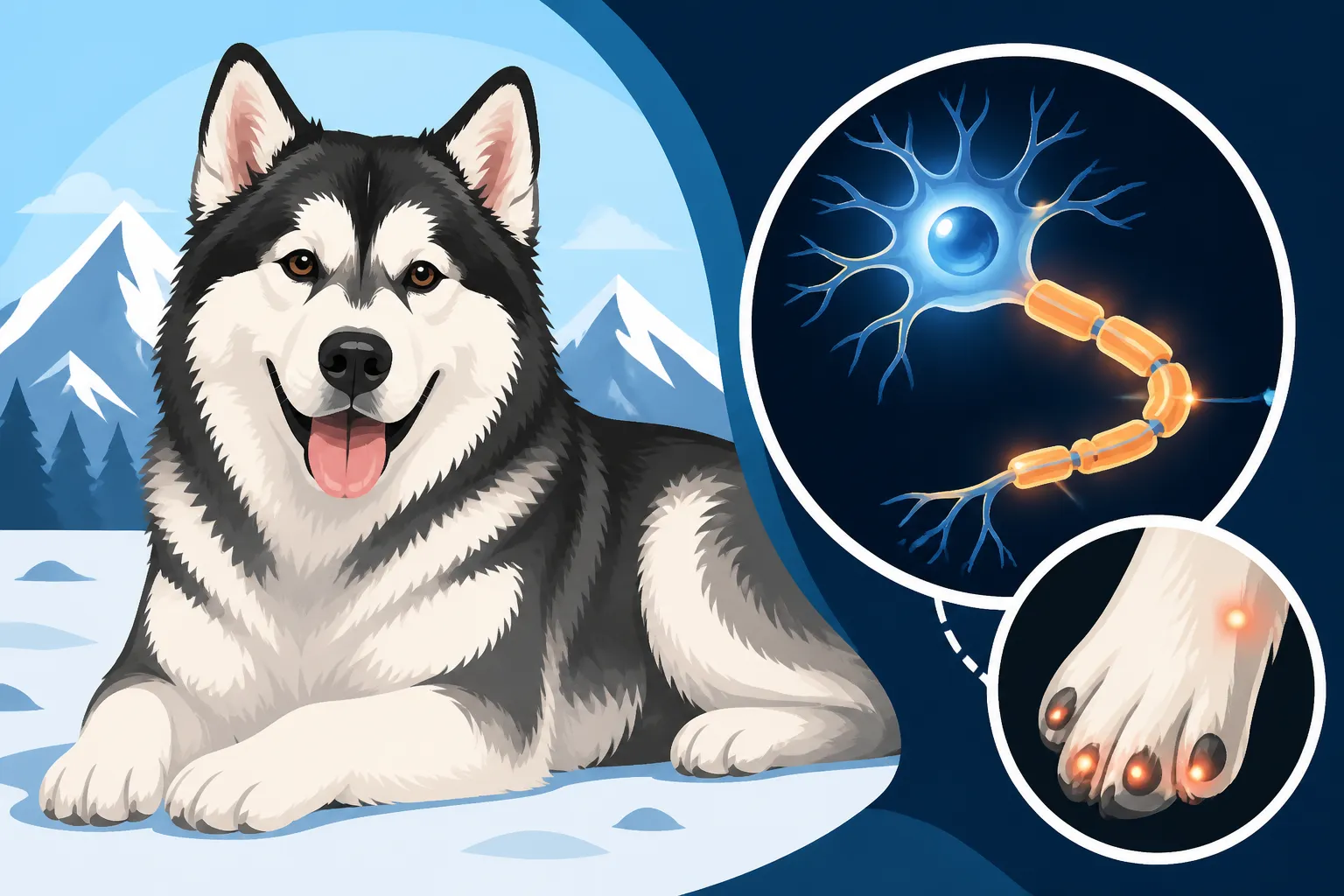
When we talk about Inherited Polyneuropathy (IPN) in Alaskan Malamutes, we're delving into a genetic condition that directly affects the nervous system. Specifically, it impacts the peripheral nerves, which are the vital communication lines between the brain and spinal cord and the rest of the body, including muscles. Imagine a complex electrical system where some of the wires start to fray or short out – that's essentially what's happening to a Mal with IPN. These nerves become demyelinated, meaning the protective sheath around them starts to break down, disrupting the signals.
What Inherited Polyneuropathy Does to a Malamute
The symptoms of IPN can be insidious, often starting subtly and then progressing. Initially, you might notice your Mal seems a bit weaker in their hindquarters, perhaps struggling slightly more to climb stairs or jump into the car. As the disease advances, this weakness becomes more pronounced. You might observe a wobbly gait, where they seem to trip over their own feet, or a characteristic high-stepping walk as they try to compensate for their lack of coordination. Muscle atrophy is also a common and visible sign, particularly in the hind legs, making their powerful physique appear gaunt and weak. These changes are deeply distressing for an owner because they erode the very essence of what a Malamute is: a strong, capable working dog.
Beyond the visible gait issues and muscle loss, IPN can also affect the laryngeal nerves. This might manifest as a change in your Malamute's voice, perhaps making their signature "woo-woo" sound hoarser or weaker than usual. In some severe cases, the laryngeal paralysis can even lead to difficulty breathing, especially after exertion, which is a truly frightening prospect. The disease is progressive, meaning it tends to get worse over time, and sadly, there is currently no cure, making supportive care and management paramount. For more on the specifics of how this disease impacts our furry friends, you might find this article on What Inherited Polyneuropathy Does to a Malamute particularly helpful.
The Age Polyneuropathy Appears in a Malamute
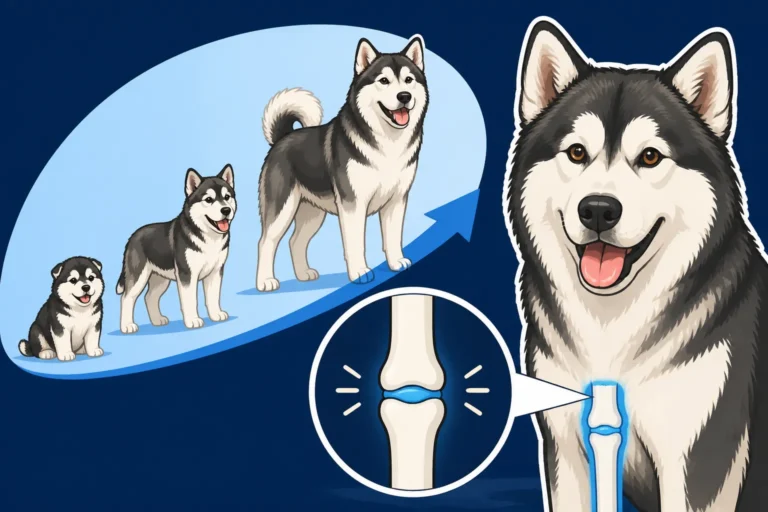
One of the most frustrating aspects of Inherited Polyneuropathy is its timing. It typically doesn't show up in adorable, bouncy puppies. Instead, symptoms usually begin to surface when Malamutes are in their prime, generally between one and three years of age. This means a dog can go through its puppyhood, adolescence, and even early adulthood appearing completely normal, perhaps even excelling in activities like hiking or junior weight pull, only for these debilitating symptoms to emerge unexpectedly.
This late onset makes it especially difficult for breeders and owners. A young dog that has already been bred might unknowingly pass on the gene before showing any signs themselves. Similarly, an owner might have spent years bonding with and training their healthy Mal, only to face a devastating diagnosis just as their dog should be enjoying the peak of its physical capabilities. Understanding The Age Polyneuropathy Appears in a Malamute can help you stay vigilant and recognize early signs.
How Common Is It Really? The Prevalence Puzzle
The question of how common Inherited Polyneuropathy is in Alaskan Malamutes isn't as straightforward as a simple number. It's not a condition that affects every other Mal, but it's also far from a rare, isolated incident. Rather, it's a known genetic disease within the breed, meaning its occurrence is directly tied to the presence of carrier dogs in the breeding population. Before the advent of reliable genetic testing, its true prevalence was harder to track, often mistaken for other neurological issues or attributed to old age, even in younger dogs.
Incidence Rates and Genetic Factors
Current data from various veterinary genetic labs suggests that while a significant portion of the Alaskan Malamute population carries the gene for IPN, the actual number of affected dogs (those that develop the disease) is thankfully lower. This is because IPN is an autosomal recessive disorder. This means a Malamute must inherit two copies of the defective gene – one from each parent – to actually develop the condition. Dogs with only one copy are considered carriers; they are healthy themselves but can pass the gene to their offspring.
Estimates vary, but some studies and genetic testing providers have reported that the carrier rate within the Malamute population can be substantial. For example, some labs might find that 15-20% or even more of tested Mals are carriers. If two carriers are bred, there's a 25% chance with each puppy that it will inherit two copies of the gene and thus be affected, a 50% chance it will be a carrier, and a 25% chance it will be clear. This inheritance pattern explains why, even with a high carrier rate, the disease itself is not seen in every litter, but it pops up frequently enough to be a significant concern for responsible breeders and owners. This is distinct from more widespread conditions like hip or elbow dysplasia, which are complex polygenic traits, not simple recessive inheritance.
Comparing Polyneuropathy with Other Malamute Health Concerns
To put IPN's prevalence into perspective, it's helpful to compare it with other health issues known to affect the breed. Conditions like hip dysplasia are unfortunately quite common, with various studies showing a notable percentage of Mals affected to some degree. Hip Dysplasia in an Alaskan Malamute is a concern for many owners. Similarly, Zinc Responsive Dermatosis is also a relatively frequent issue, often stemming from the breed's unique zinc absorption challenges.
IPN, while serious, tends to be less common than these broader, more prevalent conditions. However, its severity and the fact that it strikes often in the prime of life make it a critical genetic disease to address. The good news is that unlike some complex conditions, IPN can be completely avoided through responsible breeding practices utilizing genetic testing. This isn't always the case for other multifactorial diseases. For instance, How Common Chondrodysplasia Is in Alaskan Malamutes gives another insight into a different genetic concern.
Here’s a quick overview to highlight the differences:
| Condition | Type | Inheritance Pattern | Typical Onset Age | Prevalence in Breed (General) | Genetic Test Available? | Severity |
|---|---|---|---|---|---|---|
| Inherited Polyneuropathy | Neurological | Autosomal Recessive | 1-3 years | Moderate (Carrier rate higher) | Yes | Severe, progressive |
| Hip Dysplasia | Orthopedic | Polygenic (multiple genes) | Variable, often young | High | No (screening via X-rays) | Moderate to Severe |
| Day Blindness | Ocular | Autosomal Recessive | Puppyhood | Low (much reduced by testing) | Yes | Moderate |
| Chondrodysplasia (Dwarfism) | Skeletal | Autosomal Recessive | Puppyhood (visible at weeks) | Low (much reduced by testing) | Yes | Moderate to Severe |
| Zinc Responsive Dermatosis | Dermatological | Complex, likely genetic predisposition | Variable, often young adult | Moderate to High | No (diagnosis by response to zinc) | Moderate to Severe |
While IPN might not top the charts in sheer numbers compared to, say, orthopedic issues, its presence underscores the vital importance of genetic screening for all breeding Malamutes.
The Impact of Carrier Status and Responsible Breeding
Understanding the inheritance pattern of IPN is the key to controlling its prevalence. Since it's a recessive genetic disease, a Malamute can be a carrier without ever showing a single symptom of the illness itself. This makes the carrier status critically important for breeding decisions. You could have two perfectly healthy, robust, and beautiful Malamutes, both unknowingly carrying a single copy of the IPN gene, and if bred together, they could produce affected puppies. This is the silent threat that previously allowed the disease to persist in the gene pool.
The Power of Genetic Testing
Thankfully, advancements in veterinary medicine have provided us with a powerful tool: a specific DNA test for Inherited Polyneuropathy. This test, often available through labs like Canine HealthCheck or Embark, can definitively identify if a Malamute is clear, a carrier, or affected by IPN. For any responsible breeder, testing their breeding stock is now an absolute non-negotiable step. By knowing the genetic status of both parents, ethical breeders can make informed decisions to prevent producing affected puppies.
For instance, a clear dog can be safely bred with a carrier, as all puppies will either be clear or carriers themselves, but none will be affected by the disease. Breeding two clear dogs will produce only clear offspring. The only combination to avoid entirely is breeding two carriers together, which carries that 25% risk of affected puppies. This strategy is effectively Whether Malamute Polyneuropathy Is Being Bred Out. Many breeders transparently publish their dogs' results, often through databases like the Orthopedic Foundation for Animals (OFA) for public verification. This level of transparency is vital for prospective puppy buyers.
Ethical Breeding Practices to Minimize Risk
The goal of responsible breeding isn't just to produce pretty puppies; it's to produce healthy ones. This means actively working to reduce the incidence of genetic diseases like IPN within the breed. For a reputable Alaskan Malamute breeder, this involves:
- Pre-breeding Genetic Testing: Every dog considered for breeding should undergo the DNA test for IPN, along with other essential screenings such as those for hip and elbow dysplasia, eye conditions, and other relevant genetic tests. You can learn more about comprehensive health assessments by checking out The Health Tests Both Alaskan Malamute Parents Should Have.
- Strategic Pairings: Based on test results, breeders carefully select mates. A carrier dog, if exceptional in other areas (temperament, conformation, working ability), might still be part of a breeding program, but only if paired with a completely clear partner. The offspring would then need to be tested themselves before being considered for future breeding.
- Transparency: Reputable breeders are open about their dogs' health test results and explain the implications to prospective puppy owners. They understand that transparency builds trust and helps educate future Malamute guardians. They often provide written guarantees that reflect this commitment to health.
- Avoiding "Backyard Breeders": Unfortunately, not all breeders are diligent. Those who skip genetic testing contribute to the continued propagation of diseases like IPN. This is why it's so important to thoroughly vet any potential breeder and insist on seeing documented health clearances for both parents. Asking to see the Whether a Malamute Buyer Can See the Breeder's Results is a crucial step.
By embracing these practices, the Malamute community can collectively work towards making IPN a truly rare occurrence, ensuring healthier futures for our magnificent dogs. It also provides peace of mind that a genetic condition like IPN won't derail the life of a beloved companion, potentially leading to costly veterinary care which even pet insurance providers like Healthy Paws would need to factor into their plans.
Living with an Alaskan Malamute at Risk or Diagnosed
Discovering your Alaskan Malamute is a carrier for IPN, or worse, has been diagnosed with the condition, can be incredibly daunting. But understanding the implications and knowing what steps you can take will empower you to provide the best possible care for your furry family member.
What to Do if You Suspect IPN
If you notice any of the tell-tale signs of IPN – hind leg weakness, a change in gait, stumbling, or an altered bark – don't hesitate. Contact your veterinarian immediately. It's easy to dismiss early symptoms as just a bit of clumsiness or a minor sprain, especially in an active breed like the Malamute. However, early diagnosis is crucial. Your vet will conduct a thorough physical and neurological examination. If IPN is suspected, they may recommend further diagnostics, including nerve conduction studies and a muscle biopsy to confirm the diagnosis. Of course, a definitive diagnosis comes from the genetic test, especially if the dog's parents were not tested.
While there is no cure for IPN, getting a diagnosis helps you understand what you're dealing with and plan for your dog's future care. It also rules out other potentially treatable conditions that might present with similar symptoms. This can be a financially stressful time, with multiple vet visits and specialized tests; many owners find that a good pet insurance plan from providers like Healthy Paws can significantly alleviate the burden of these unexpected costs, allowing them to focus on their pet's care rather than the bill.
Management and Prognosis
The prognosis for Malamutes diagnosed with IPN is, unfortunately, guarded to poor, as the disease is progressive. However, supportive care can significantly improve their quality of life for as long as possible. This might include:
- Physical Therapy: Gentle exercises, hydrotherapy, and massage can help maintain muscle mass, improve circulation, and slow down atrophy. A canine rehabilitation specialist can create a tailored program.
- Mobility Aids: As weakness progresses, your Malamute might benefit from assistive devices like harnesses to help with walking, slings for support, or even custom wheelchairs for greater independence.
- Comfort and Environment: Ensure your home environment is safe and easy to navigate. Non-slip rugs, ramps instead of stairs, and easily accessible food and water bowls can make a huge difference. Provide comfortable, orthopedic bedding to ease joint pressure.
- Nutrition: While diet cannot cure IPN, ensuring a high-quality, easily digestible diet with appropriate supplements (under vet guidance) can support overall health.
- Monitoring Breathing: If laryngeal paralysis becomes a factor, careful monitoring for breathing difficulties, especially during exercise or in warm weather, is essential. In severe cases, surgical intervention (laryngeal tie-back) might be considered, though it carries its own risks. You might want to consider this article on Whether a Polyneuropathy Malamute Can Breathe Normally.
It’s important to have honest conversations with your vet about your Malamute’s quality of life as the disease progresses. While we always want to do everything we can, there comes a point where their comfort and dignity must be prioritized. Understanding Whether a Polyneuropathy Malamute Gets Worse and Whether a Polyneuropathy Malamute Can Be Treated can help prepare you for this difficult journey.
The Emotional Toll on Owners
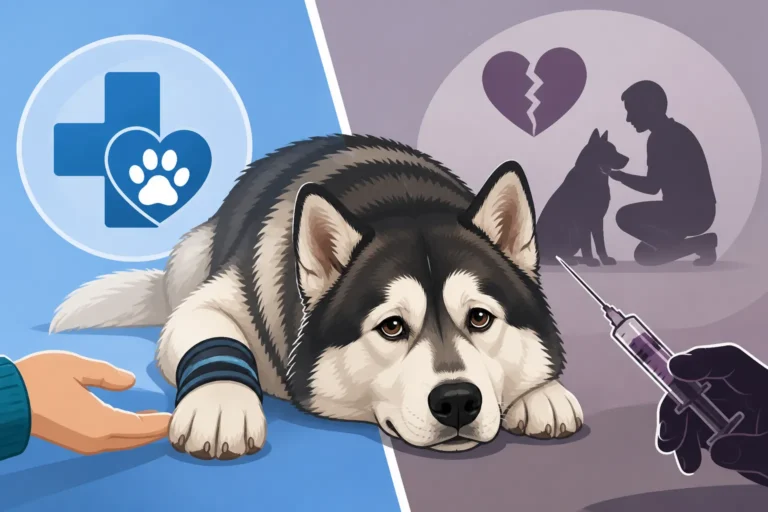
Living with a dog battling a progressive neurological disease like IPN takes an immense emotional toll. Watching a once vibrant, powerful Malamute lose their abilities is heartbreaking. It’s okay to feel sad, frustrated, and overwhelmed. Seek support from your vet, other Malamute owners who have faced similar challenges, or even pet loss support groups. Remember, you are doing your best for your beloved companion, and their comfort and happiness are paramount. Having a robust pet insurance policy like those offered by Healthy Paws can certainly remove one layer of stress during such a challenging time.
Disclaimer
This article is for general informational purposes only and does not constitute professional advice. Laws, prices and regulations vary by location and change over time. Consult a qualified professional for guidance on your specific situation.