Whether a Working Malamute Wears Out Early
It’s a common worry for anyone with an active, working Alaskan Malamute: are we asking too much of them? Does their incredible drive to pull, hike, or even just ceaselessly dig, mean they’re burning the candle at both ends and heading for an early retirement or, worse, an early decline in health? This guide delves deep into the realities of what "wearing out early" really means for our powerful, dedicated companions, and how responsible ownership can ensure a long, fulfilling life, full of the work they were born to do.
Understanding the Physical Demands of a Working Malamute
Alaskan Malamutes are magnificent, purpose-bred dogs. Their very existence is tied to pulling heavy loads over vast, often challenging, terrains. This isn't just a hobby for them; it's ingrained in their DNA. But this powerful build and immense stamina don't make them invincible. Just like any athlete, they are subject to wear and tear, and understanding these demands is the first step in mitigating potential issues.
The Rigors of Weight Pulling and Sledding
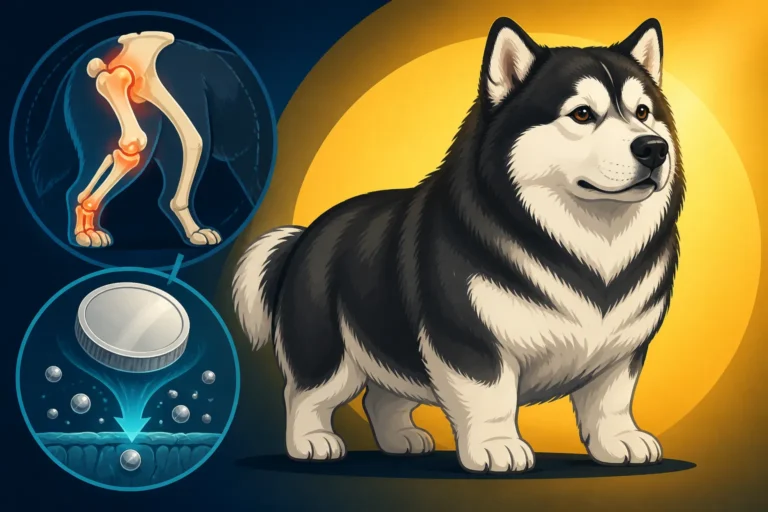
When a Malamute is engaged in serious weight pulling or sledding, especially competitively or for long-distance journeys, their body is under significant stress. Think about the sheer force required to move a sled laden with gear or to pull hundreds, sometimes thousands, of pounds in a weight pull event. This kind of exertion places immense pressure on their joints, particularly the hips, elbows, and spine. Repetitive motion, combined with sudden bursts of power, can lead to micro-traumas or more significant injuries over time if not managed correctly.
Beyond the joints, the muscular and cardiovascular systems are heavily taxed. A working Malamute needs powerful leg and back muscles, a strong core, and an incredibly efficient heart and lung system to sustain effort for hours. While these activities build strength and endurance, they also demand adequate recovery time and a precise conditioning program to prevent injuries like strains, sprains, or even more serious issues like torn ligaments or chronic inflammation. Neglecting these aspects can indeed lead to a working Malamute showing signs of discomfort or reduced performance far earlier than their non-working counterparts. Owners often monitor for signs of pain, which can be tricky as Malamutes are incredibly stoic, often masking discomfort until it's severe, as explored in articles like Why a Malamute Shows Nothing Until It Cannot Work.
Environmental Challenges and Endurance
The environments in which Malamutes typically work add another layer of demand. Imagine the icy grip of winter trails, the deep snow that requires powerful leg drives, or the uneven, rocky terrain of a summer hike where they might be carrying a pack. These conditions require intense focus, agility, and constant adjustment, all while maintaining a steady pace. While Malamutes are built for cold, their bodies are still reacting to the extreme conditions. Their fur protects them, but their paws are constantly exposed to abrasion, ice, or sharp debris. Checking an Alaskan Malamute's pads after pulling is crucial to prevent injury.
Furthermore, managing their body temperature, especially during prolonged exertion, is vital. While less common in their preferred cold climates, overheating can still be a concern during warmer seasons or intense activity. A Malamute might appear tireless, but their internal systems are working hard to maintain equilibrium. Owners must be vigilant for signs of fatigue or heat stress, as ignoring these can lead to serious health consequences, making it important to understand Whether a Malamute Recovers From Heat Stroke. The sustained effort required to cover long distances, even at a slower "freighting" pace, means their bodies are in a constant state of energy expenditure, necessitating meticulous care to avoid depletion and subsequent physical breakdown.
Proactive Care for Longevity in Working Malamutes
The good news is that a working Malamute doesn't have to wear out early. With dedicated, proactive care, these dogs can maintain their incredible work ethic and physical prowess well into their senior years. It's all about providing the right foundation and support.
Nutrition and Supplementation for Active Dogs
Fueling a working Malamute correctly is paramount. They require a high-quality, calorie-dense diet that supports muscle repair, sustained energy, and overall health. This isn't just about throwing extra kibble in the bowl; it's about providing a balanced macronutrient profile, often higher in fat and protein, that meets the intense demands of their activity. Owners often wonder Whether a Working Malamute Eats Double in Winter — the answer depends on the intensity and duration of their work.
Beyond the basic kibble, targeted supplementation can play a crucial role. Joint supplements containing glucosamine, chondroitin, and MSM are often recommended from an early age for working dogs to support cartilage health and reduce inflammation, especially given the stress on their joints from pulling. Fish oils provide Omega-3 fatty acids, which are excellent for reducing inflammation and supporting skin and coat health. Given the Malamute's unique genetic predisposition, ensuring adequate zinc intake is also critical, as some Malamutes struggle with zinc absorption, leading to dermatological issues. While Whether a Malamute Needs Zinc for Life is a valid question, many require it consistently to prevent problems like Zinc Responsive Dermatosis. Brands like Healthy Paws, while an insurance provider, highlight the importance of preventative care and how it can reduce the need for costly treatments down the line.
Conditioning, Training, and Injury Prevention
Proper conditioning is the cornerstone of a long working life. You wouldn't expect a human marathon runner to jump into a race without months of training, and the same applies to Malamutes. Their conditioning programs should be gradual, building stamina, strength, and resilience over time. This includes varied terrain work, different intensities, and ample rest days. Overtraining is a real risk and can lead to burnout, injuries, and a general loss of enthusiasm for work.
Regular veterinary check-ups are non-negotiable. A vet can spot subtle signs of strain or discomfort that might be missed by even the most observant owner. This includes routine physical exams, gait analysis, and sometimes even preventative X-rays, especially as the dog ages. Early intervention for minor aches or pains can prevent them from escalating into chronic issues. Many dedicated working Malamute owners also consult canine physical therapists or chiropractors to ensure their dog's body mechanics are optimal and to address any muscular imbalances. Investing in a good pet insurance plan, such as one from Healthy Paws, can provide peace of mind for covering these unexpected veterinary costs that can arise from an active lifestyle.
Genetic Screening and Responsible Breeding
One of the most impactful ways to ensure a working Malamute has a long, healthy life is through responsible breeding practices. Reputable breeders screen their breeding stock for common inherited conditions that could impact a dog's ability to work or shorten its lifespan. This includes tests for hip and elbow dysplasia, which are debilitating for a dog whose primary function is pulling. Understanding The Age a Malamute Is Certified by OFA gives insight into when these critical health assessments are typically performed.
Other important genetic screenings include tests for inherited polyneuropathy and day blindness. A dog with polyneuropathy, for instance, will experience progressive weakness and difficulty with coordination, making any kind of strenuous work impossible and shortening their quality of life, as explored in Inherited Polyneuropathy and the Malamute That Stumbles at a Year. By choosing a puppy from parents who have undergone thorough health testing and whose lineage is free from known issues, owners significantly reduce the risk of their working Malamute being "worn out" by genetic predispositions rather than age or activity.
Recognizing the Signs of Aging and Adapting Workloads
Even with the best care, time marches on. Alaskan Malamutes, like all living beings, will eventually show signs of aging. The key is recognizing these changes early and adapting their working life to maintain their comfort, happiness, and overall well-being. Knowing The Age an Alaskan Malamute Counts as a Senior is a helpful benchmark, usually around 8 years old.
Subtle Changes in Performance and Behavior
A working Malamute’s aging process might manifest subtly at first. You might notice a slight decrease in their stamina – they may not be able to pull as far, or they might tire more quickly than before. Their pace might slow down, or they might show less enthusiasm for starting a training session. Perhaps they're a little stiffer after a run, taking longer to warm up, or they choose to lie down more often during breaks. These are often the first quiet whispers that their body is changing.
Changes in gait can also be telling. A previously fluid, powerful stride might become shorter, or you might observe a slight hitch or limp, especially after exertion. They might struggle more with uneven terrain or steep inclines. Beyond physical cues, pay attention to behavioral shifts. An older Malamute might become less tolerant of other dogs during work, or they might show signs of discomfort when being harnessed or handled, indicating a new ache. This vigilance is crucial for their long-term comfort, as discussed in Signs an Alaskan Malamute Is Getting Old. Owners must be attuned to these nuanced signals and not simply push through, expecting their dog to perform as they did in their prime.
Transitioning from High-Intensity Work to Retirement
The transition from a high-intensity working life to a more relaxed retirement should be a gradual, thoughtful process. It's not about suddenly stopping all activity, which can lead to boredom, weight gain, and mental decline. Instead, it’s about adjusting the type and intensity of their work. A dog that once pulled heavy freight might now enjoy lighter recreational sledding, skijoring, or even just long, leisurely walks with a light pack.
Maintaining mental engagement is just as important as physical activity. Continue with training sessions, puzzle toys, and exploring new scents on walks. The goal is to keep them active, engaged, and happy, without putting undue strain on their aging body. This might mean fewer miles, shorter sessions, and more frequent rest breaks. The aim is to prioritize their comfort and enjoyment. Considering pet insurance, even for older dogs, can be valuable. Healthy Paws offers plans that can help cover eligible vet bills for new accidents and illnesses that can arise in a senior Malamute, allowing owners to make decisions based on care, not just cost. Caring for an Alaskan Malamute Past Eight often involves these kinds of careful considerations and adjustments to their lifestyle.
The Paradox: Work Ethic vs. Early Wear
It might seem counterintuitive, but for an Alaskan Malamute, having a "job" throughout their life can actually contribute to their longevity and overall health, rather than wearing them out prematurely. The key lies in understanding the difference between appropriate, managed work and overexertion or neglect.
The Malamute's Innate Drive to Work
Alaskan Malamutes are not meant to be couch potatoes. They were selectively bred for generations to perform demanding physical tasks in harsh conditions. This history has endowed them with an incredible drive, intelligence, and physical build that truly thrives on having a purpose. When a Malamute is engaged in activities like pulling, hiking, or even just consistent, structured exercise, they are not only physically fit but also mentally stimulated and content. A bored Malamute, on the other hand, is a recipe for destructive behaviors, anxiety, and a generally unhappy dog, which can inadvertently lead to physical ailments from lack of proper activity or stress, such as excessive digging, as outlined in What a Malamute Does to a Yard.
Their work ethic is a powerful asset. It keeps their muscles strong, their joints mobile, their cardiovascular system robust, and their minds sharp. A working Malamute, provided they are managed responsibly, is often a very fit and healthy Malamute. The pride and joy they exhibit when engaged in their work is undeniable; it’s a fulfillment of their very being.
Striking a Balance for Optimal Lifespan
The notion of a working Malamute wearing out early often stems from a misunderstanding of what "working" truly entails. It doesn't mean pushing them beyond their limits, neglecting their health, or ignoring signs of discomfort. Instead, it means providing them with structured, appropriate, and enjoyable tasks that respect their physical capabilities and genetic heritage.
A responsible owner provides excellent nutrition, preventative veterinary care, proper conditioning, and listens to their dog's body. They understand that a 10-year-old Malamute might not pull a thousand pounds like they did at four, but they can still enjoy a leisurely pull of a sled or a cart, keeping them active and mentally stimulated. When this balance is struck – between their innate drive to work and meticulous care – working Malamutes can often live full, vibrant lives, reaching the upper end of their breed's typical lifespan of The Ten to Fourteen Years an Alaskan Malamute Lives. It’s not the work itself that wears them out, but rather the lack of appropriate care, management, and respect for their evolving physical needs throughout their journey.
Here’s a helpful table summarizing key considerations for ensuring your working Malamute thrives:
| Aspect | Demands of Working Life | Proactive Care & Longevity Measures |
|---|---|---|
| Physical Strain | Joint stress, muscle fatigue, cardiovascular load | Gradual conditioning, warm-ups/cool-downs, adequate rest |
| Injury Risk | Sprains, strains, tears, paw pad damage | Regular vet checks, appropriate footwear, observant owner |
| Nutritional Needs | High caloric expenditure, nutrient depletion | High-quality, balanced diet, targeted supplements |
| Environmental Impact | Cold exposure, varied terrain, heat stress | Proper hydration, shelter, managing temperature extremes |
| Mental Engagement | Boredom, frustration if under-stimulated | Consistent training, varied activities, purposeful tasks |
| Aging Process | Decreased stamina, stiffness, behavioral changes | Early recognition of signs, workload adjustments |
Disclaimer
The information provided in this article is for general informational purposes only and does not constitute veterinary advice. Always consult with a qualified veterinarian for any health concerns or before making any decisions related to your pet's care, diet, or exercise regimen. Individual dogs may have unique needs and conditions.