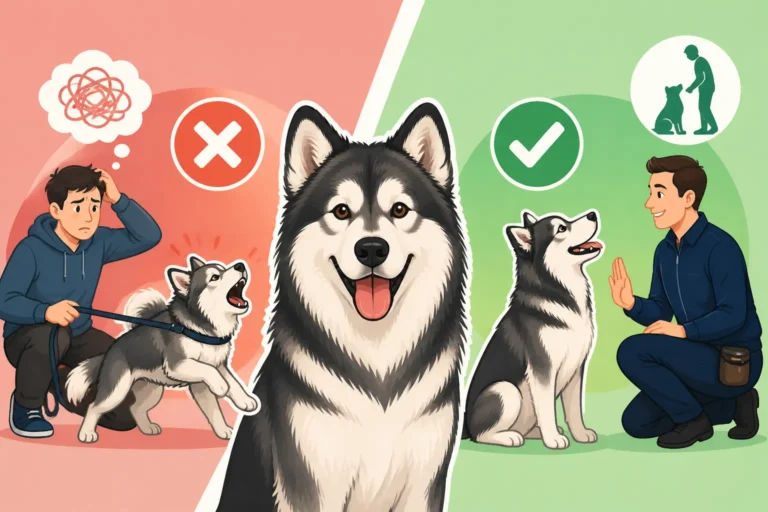
The First Year With an Alaskan Malamute Puppy
Bringing an Alaskan Malamute puppy home is a dream come true for many, filled with visions of majestic floofs frolicking in the snow. But let's be realistic: the first year with one of these magnificent, independent, and often hilariously stubborn creatures is a whirlwind of destruction, boundless energy, and constant learning – for both of you. This guide isn't about sugarcoating the journey; it's about preparing you for the glorious, challenging, and utterly unforgettable first twelve months with your Malamute pup, setting you up for a lifetime of adventure.
Bringing Your Malamute Puppy Home: The Early Days (8-16 Weeks)
That first day, when your tiny bundle of fluff steps paws into your home, is magical. But beneath that adorable exterior lies the heart of an ancient working dog, and those instincts are already stirring. The early weeks are crucial for laying down the foundation for behavior and bonding. It's a period of intense learning, not just for the puppy, but for you as you adjust to the sheer force of nature that is a Malamute.
Preparing Your Home for a Land Shark
Before your puppy even arrives, your home needs to undergo a transformation. Forget baby-proofing; you need Malamute-proofing. These puppies are born with an insatiable curiosity and a mouth that will explore everything. Electrical cords, treasured shoes, delicate furniture legs, remote controls – nothing is safe. They don't mean to be destructive; they're simply investigating their new world in the most effective way a puppy knows: with their teeth. You'll want to secure any loose cords, put away anything valuable that can be chewed or swallowed, and seriously consider lifting any cherished rugs or carpets for a few months.
Think about the environment from your puppy's perspective. Are there tempting low-lying items? Is your favorite armchair's leg too invitingly accessible? Many new Malamute owners are shocked by the sheer power and determination of their puppy's jaws. They can chew through things you never imagined possible, often with surprising speed. Investing in high-quality, durable chew toys right from the start is non-negotiable. Look for solid rubber, heavy-duty nylon, and treat-dispensing toys that can withstand rigorous chewing. Places like Amazon offer a wide selection of these "indestructible" options, and you'll soon learn which brands actually live up to the claim. Without appropriate outlets, your puppy will find its own chew toys, and they will almost certainly be things you care about. For a deeper dive into this, you might find What a Malamute Chews Through in a Year eye-opening.
The Potty Training Marathon
Potty training is a universal puppy challenge, but with a Malamute, consistency is your absolute mantra. These intelligent dogs learn quickly, but they also have bladders the size of a thimble in their early weeks. Expect frequent trips outside – every hour or two initially, immediately after waking up, after eating or drinking, and before bed. The key here is to preempt accidents by taking them out before they even think about going indoors. When they do go outside, praise them enthusiastically, throw a small party, and offer a high-value treat. This positive reinforcement creates a strong association: going outside equals good things!
Never punish your Malamute puppy for an indoor accident. They simply won't understand why they're being reprimanded after the fact. Instead, clean up thoroughly with an enzymatic cleaner to eliminate odors that might entice them to return to the spot. If you catch them in the act, a quick, firm "no" and immediately scooping them up and taking them outside is the best approach. The crate can be an invaluable tool here; dogs are naturally reluctant to soil their sleeping area, which helps them hold it longer. However, remember a young puppy cannot hold it for more than a few hours, so frequent potty breaks are still essential, especially if you're out of the house.
Early Socialization and Exposure
Socialization during these early weeks is paramount for a Malamute. While they are generally friendly, they can also be wary of new things and people if not properly introduced. This doesn't mean letting your unvaccinated puppy run rampant at the dog park, which carries significant health risks. Instead, focus on controlled, positive exposures. Carry your puppy to various environments: bustling shopping centers (keeping them in a carrier or your arms), busy streets, parks where you can observe from a distance. Let them see, hear, and smell the world without being overwhelmed. Introduce them to a wide variety of calm, vaccinated adult dogs one-on-one.
Exposure to different surfaces (grass, concrete, gravel, wood floors), sounds (traffic, sirens, vacuums), and people of all shapes, sizes, and ages (with gentle, supervised interactions) is crucial. The goal is to create a confident, well-adjusted adult dog that isn't fearful or reactive. Remember, a Malamute's natural instincts include a certain degree of independence and sometimes wariness; early positive experiences help them differentiate between truly threatening situations and normal, everyday life. For more detailed guidance on safe early exposure, check out Where to Socialize a Malamute Puppy Before Full Vaccination.
Navigating the Puppy Chewing and Destruction Phase (3-6 Months)
Just when you think you've gotten a handle on potty training, your Malamute puppy will likely hit another developmental milestone: the peak of their destructive chewing phase. This period often coincides with serious teething and a burst of energy that seems limitless.
Why They Chew Everything You Own
It's easy to take it personally when your Malamute puppy gnaws on your favorite chair leg, but try to understand their motivation. First, they are actively teething. Just like human babies, their gums are sore and itchy as baby teeth fall out and adult teeth emerge. Chewing provides immense relief. Second, Malamutes are highly intelligent and curious. Chewing is a primary way they explore their environment and engage with objects. It's a sensory experience, a way to test textures, smells, and tastes. Third, boredom is a massive trigger for destructive chewing in Malamutes. A bored Malamute is a destructive Malamute, almost without exception. If they aren't given appropriate physical and mental stimulation, they will create their own "fun," and that often involves redesigning your living space, one bite at a time.
Their strong jaws and powerful instinct to "work" with their mouths mean that a flimsy toy won't cut it. They need things designed to withstand significant abuse. If you notice your Malamute puppy suddenly becoming extra mouthy, it's a clear sign that they need more appropriate chew items and possibly more engagement from you. Many owners describe it as living with a tiny, fluffy, furry beaver determined to fell every tree in the house.
Management and Redirection Strategies
The most effective strategy against destructive chewing is a two-pronged approach: prevention through management and redirection through appropriate outlets. Management means not giving your puppy the opportunity to chew on inappropriate items. This involves crating or confining them to a puppy-proofed area when you can't actively supervise them. A secure ex-pen or a designated "puppy room" with nothing they can destroy is essential. When they are out and about with you, your eyes need to be on them constantly. If you see them eyeing something they shouldn't chew, immediately redirect them.
Have a variety of appropriate chew toys readily available. Offer a Kong filled with frozen peanut butter or plain yogurt, a sturdy Nylabone, or a West Paw Zogoflex toy. When you see them chewing something inappropriate, calmly say "no," remove the item, and immediately offer one of their approved chew toys instead. When they take the approved toy, praise them lavishly. This teaches them what they are allowed to chew. Some owners also find bitter apple spray helpful on furniture legs or other non-dog items, though not all Malamutes are deterred by the taste. Remember, consistency is critical. Every time they are allowed to chew something forbidden, the lesson is undermined.
The Foundation of Training: Positive Reinforcement
Training a Malamute puppy needs to start early, be consistent, and rely heavily on positive reinforcement. These dogs respond best to methods that make them feel good and reward their cooperation, rather than harsh corrections. They are not a breed that thrives under heavy-handed dominance-based training; in fact, such methods can often lead to them shutting down or becoming resistant. Start with very short, fun training sessions – just a few minutes at a time – several times a day. Keep it upbeat and engaging.
Focus on basic cues like "sit," "down," "stay," and a foundational "come." With a Malamute, "come" is often more aspirational than reliably perfected, but the effort is still crucial. Use high-value treats (tiny pieces of cooked chicken, cheese, or their favorite kibble) and enthusiastic verbal praise. The goal is to make training a positive game where they learn that listening to you results in good things. Building this strong, positive relationship early on will be invaluable as they enter their more challenging adolescent phase. For insights into effective training methods for this breed, you may want to read Whether Positive Training Alone Works on a Malamute. A platform like BAXTER & Bella offers excellent online puppy training programs that emphasize positive reinforcement, providing structured guidance for new owners navigating these crucial early stages.
The Adolescent Avalanche: Energy, Independence, and Testing Boundaries (6-12 Months)
If puppyhood was a sprint, adolescence with a Malamute is a full-blown marathon. This period, roughly from six months to a year (and often beyond), is where your fluffy land shark transforms into a teenage rebel, pushing boundaries and rediscovering all those instincts you worked so hard to channel.
The Energy Explosion and Exercise Needs
As your Malamute puppy grows, their energy levels don't just increase; they explode. What might have been enough exercise at four months will barely touch the sides at eight months. They are becoming stronger, faster, and their stamina is building. This is when regular, vigorous exercise becomes absolutely non-negotiable. Structured walks, hikes, and active play sessions are essential, not just letting them out into the yard to amuse themselves. Remember, a bored Malamute is a destructive Malamute, and an under-exercised Malamute has an endless capacity for mischief.
This is also around the time many Malamute owners start thinking about introducing their dogs to pulling activities. While their growth plates are still developing, you can gently introduce them to a harness and the idea of pulling light objects or weights, as long as it's done carefully and under veterinary guidance to avoid injury. Starting with very short, supervised sessions and light loads is key. They often take to it naturally, as it's what they were bred to do. For specifics on when it's safe to introduce these activities, The Age a Malamute Can Start Pulling offers valuable information. Channeling their natural drive into an acceptable activity is far more effective than trying to suppress it entirely.
The "Selective Hearing" Phase and Stubbornness
Ah, the "selective hearing" phase! Your Malamute, who once seemed to be making great progress with commands, suddenly seems to forget everything they ever learned. This isn't necessarily defiance; it's often a combination of increased independence, hormonal shifts, and the simple fact that the world outside is much more interesting than whatever you're asking them to do. Malamutes are not known for their eagerness to please; they are independent thinkers who will weigh the perceived value of your command against whatever exciting squirrel or intriguing smell has captured their attention.
Consistency, endless patience, and making yourself more rewarding than any distraction are your only allies. Don't give up on training; instead, double down, making it fun and unpredictable. Practice in various environments, gradually increasing distractions. Always reward generously when they do listen, even if it took a moment longer than you'd like. Remember, an adolescent Malamute is essentially a furry teenager, pushing boundaries to see what they can get away with. For a closer look at this particular challenge, The Adolescent Malamute That Rewrites the Rules at Fourteen Months provides excellent context. Your patience will be tested, but perseverance pays off.
Managing Emerging Behavioral Challenges
During adolescence, some classic Malamute behaviors start to solidify or emerge with more intensity. Digging, for example, is deeply ingrained in the breed. It's not a misbehavior; it's an instinct for cooling, hunting, and creating shelter. Rather than fighting it (a battle you will likely lose), consider providing an acceptable outlet. Creating a designated digging pit in your yard, filled with sand or loose soil and perhaps a buried toy, can save your landscaping. Giving an Alaskan Malamute Its Own Digging Pit delves into this solution.
Prey drive also often intensifies. That cute puppy who playfully chased leaves might now be seriously interested in squirrels, cats, or even small dogs. This instinct is incredibly powerful and virtually impossible to train out. Secure fencing, a reliable leash and harness, and constant vigilance are your tools. Never trust a Malamute off-leash in an unfenced area; their desire to chase can override any training. Understanding How Strong a Malamute's Prey Drive Is is crucial for their safety and the safety of other animals. Resource guarding, if not addressed early, can also become more pronounced, where they protect food, toys, or even people. Early intervention with trade-and-reward games can help prevent this from becoming a serious issue.
Social Dynamics and Boundaries: People, Dogs, and Other Animals
Malamutes are a deeply social breed, but their social dynamics are often complex and require careful management, especially as they mature. Their pack heritage influences how they interact with everyone and everything in their world.
Interactions with Humans: Family and Strangers
Generally, Alaskan Malamutes are known for being friendly and amiable with people, often exhibiting a charming, almost clownish demeanor. They love their families deeply and often show affection through leaning, nudging, and their signature "woo" sounds. However, they can also be somewhat reserved with strangers, not necessarily aggressive, but sometimes taking a moment to assess new individuals. This is a trait stemming from their working dog roots, where they were expected to be discerning. Early positive exposure to a wide variety of people, as discussed in the puppy socialization section, is key to fostering a friendly disposition.
Teaching polite greetings is essential. A full-grown Malamute can easily knock over a small child or elderly person with an enthusiastic jump. Consistent training using positive reinforcement for "four paws on the floor" when greeting new people is vital. If your Malamute tends to jump, turn your back and ignore them until they settle, then reward calm behavior. It's also important to establish clear boundaries for children interacting with your Malamute. While generally good-natured, all dogs have limits, and children need to be taught how to respect a dog's space and signals. Never leave small children unsupervised with any dog, especially a large, powerful breed. For safety tips regarding children and Malamutes, consider reading Whether an Alaskan Malamute Is Safe With Children.
Navigating Dog-on-Dog Interactions
This is often one of the trickiest aspects of Malamute ownership. While some Malamutes are perfectly happy with other dogs, many, particularly as they mature through adolescence, develop same-sex aggression. This isn't necessarily a sign of a "bad" dog; it's often a deeply ingrained instinct from their pack-hunting ancestry, where dominance and social hierarchy within their own sex were important. Two male Malamutes, or two female Malamutes, can often struggle to coexist peacefully, even if raised together. Same Sex Aggression in a Pack Bred Alaskan Malamute offers crucial insights into this behavior.
Careful, supervised introductions to new dogs are vital, always on neutral territory. Pay close attention to body language. A stiff posture, hard stare, or raised hackles are warning signs. Many Malamutes simply do not thrive in environments like dog parks, which are often chaotic and poorly supervised. The unpredictable nature of these environments can quickly escalate a minor disagreement into a serious fight, and a Malamute's power means such fights can be dangerous. For this reason, Why a Dog Park Is Wrong for an Alaskan Malamute is a must-read for many owners. Instead, focus on controlled playdates with known, stable dogs, or structured group classes where interactions are managed by a professional trainer.
Living with Cats and Small Pets
This is another area where a Malamute's strong prey drive comes into play. While some Malamutes can be raised successfully with a resident cat from puppyhood, it often requires immense effort, constant supervision, and a clear understanding that the risk never fully disappears. Their instinct to chase and potentially harm small, fast-moving creatures is powerful. A cat that runs, a bird that flutters, or a rabbit that darts across the yard can trigger this ancient hunting drive.
Never assume a Malamute will be safe with an unfamiliar small animal, even if they live peacefully with your own cat. The dynamics are entirely different. If you have cats or other small pets, strict management, such as separate living spaces, crates, and always supervising interactions, is crucial. Muzzles can also be an important safety tool during introductions or in high-risk situations. This is not a breed for a household with free-roaming guinea pigs or hamsters. For practical advice on managing these dynamics, An Alaskan Malamute in a Home With Cats or Small Dogs offers detailed strategies. Ultimately, for the safety of all animals, it's often best to avoid bringing a Malamute into a home with small, prey animals unless you are fully prepared for the significant commitment required to manage this innate drive.
Health and Wellness in the First Year
Ensuring your Malamute puppy's health and well-being during their first year is paramount. This foundational period sets the stage for a healthy, happy life, and proactive care can prevent many issues down the road.
Essential Vet Visits and Vaccinations
Your Malamute puppy will require a series of veterinary visits during their first year. These appointments are crucial for their initial health check, receiving their full course of core vaccinations (distemper, parvovirus, adenovirus, rabies), and starting on year-round parasite prevention (heartworm, fleas, and ticks). Your vet will also discuss deworming protocols and microchipping. These early visits aren't just about shots; they're an opportunity for your vet to monitor your puppy's growth and development, answer any questions you have, and establish a baseline for their health.
It's also the time to have crucial conversations about the timing of spaying or neutering. While traditionally done around six months, modern veterinary science suggests that for large breeds like Malamutes, delaying spay/neuter until they are more skeletally mature (often 12-18 months, or even later for males) can be beneficial for joint development and overall health. Your vet can provide personalized advice based on your puppy's individual growth and lifestyle. Remember, choosing a veterinarian who understands large breeds and is familiar with the specific health concerns of Alaskan Malamutes is incredibly valuable.
Nutrition for Growing Malamutes
Feeding a Malamute puppy isn't just about throwing food in a bowl; it's about supporting their unique growth trajectory. They are a large, powerful breed, but they are not meant to grow rapidly. Fast growth can put undue stress on developing joints, predisposing them to orthopedic issues like hip or elbow dysplasia. Therefore, choosing a high-quality large breed puppy food that is formulated for slow, steady growth is essential. These foods typically have a carefully balanced calcium-to-phosphorus ratio and moderate protein and fat levels.
Resist the urge to overfeed, no matter how much your Malamute puppy begs. Free-feeding is generally not recommended; instead, offer measured meals two or three times a day. Your vet can help you determine the appropriate caloric intake and monitor your puppy's body condition. Malamutes are also known for their efficient metabolism, a trait inherited from their ancestors who survived on limited rations in harsh environments. This means they often require less food than similarly sized breeds, and they can gain weight easily if overfed. An overweight puppy puts even more strain on their developing skeleton. Understanding Why a Malamute Puppy Should Grow Slowly and The Efficient Metabolism That Surprises Every New Malamute Owner will inform your feeding decisions throughout their first year.
Grooming Fundamentals for a Double Coat
Get ready to become intimately familiar with grooming tools! Alaskan Malamutes possess a dense, double coat designed for Arctic conditions, and managing it starts early. Even as puppies, introducing them to brushing, nail trims, and general handling is crucial. Make grooming sessions short, positive, and full of treats. This early desensitization will make future grooming much easier for both of you. Their puppy coat will be softer, but as they approach their first year, you'll notice the adult coat starting to come in, and with it, the "coat blow."
The first major "coat blow" typically occurs around 6-12 months of age, and it's an experience unlike anything you've likely encountered with other breeds. They will shed what feels like an entirely new dog's worth of fur. Understanding When an Alaskan Malamute Blows Its Coat will help you mentally and physically prepare for the onslaught of fluff. Regular brushing (daily during a blow, several times a week normally) with a good quality undercoat rake and slicker brush is necessary to remove dead hair, prevent matting, and keep their skin healthy. This routine also allows you to check for any skin irritations, lumps, or parasites. Early and consistent grooming isn't just for aesthetics; it's a vital part of your Malamute's overall health and comfort.
Training Beyond the Basics: Practical Skills for Malamute Life
While basic obedience is important, training a Malamute goes deeper, focusing on practical skills that enable them to safely and happily navigate a world not designed for their unique instincts. It's about ongoing education and management.
Leash Walking and the Art of the "Malamute Shuffle"
Ah, leash walking with an Alaskan Malamute. This is where many owners realize just how powerful and determined these dogs are. Bred to pull heavy loads, their natural inclination is to lean into a harness and move forward with immense strength. Achieving a loose-leash heel might feel like an impossible dream at times, especially during the adolescent phase when they discover their full power. While perfection is rare, significant improvement is absolutely possible with consistent training.
Start with positive reinforcement, rewarding every step taken with a loose leash. Using a front-clip harness or a head halter can be incredibly effective in redirecting their pulling power, making walks much more manageable for you and safer for your Malamute's neck. Teach them to respond to changes in direction and pace. Remember, walks aren't just about exercise; they're also prime opportunities for mental stimulation through sniffing and exploring. Accept that there will be days when it feels like you're water-skiing behind your dog – this is the "Malamute shuffle" – but don't give up. Understand that their recall will likely never be reliable, especially if something interesting captures their attention, which is why Why an Alaskan Malamute Will Never Have a Reliable Recall is a sobering but realistic read. Therefore, a secure leash and harness are your Malamute's lifelines.
Impulse Control and Boundary Training
Given a Malamute's independent nature and strong instincts, teaching impulse control is paramount. Commands like "leave it" (for ignoring tempting items on the ground or other dogs), "drop it" (for releasing something from their mouth), and patiently waiting at doorways are not just polite manners; they are critical safety skills. A Malamute who can't "leave it" could ingest something dangerous on a walk or steal food from a counter. One who doesn't wait at a door could dart out into traffic.
These skills require endless repetition, patience, and high-value rewards. Start in low-distraction environments and gradually increase the challenge. Make it a game! For instance, place a treat on the floor, cover it with your hand, say "leave it," and reward them when they look away or offer an alternative behavior. Boundary training, teaching them to respect certain areas of the house or yard, is also incredibly valuable. Consistency from all family members is key. Online training platforms like BAXTER & Bella often provide structured lessons specifically designed to build these essential impulse control skills, which can be invaluable for Malamute owners.
Mental Stimulation: The Key to a Happy Mal
Physical exercise alone is rarely enough for a Malamute. Their intelligence and problem-solving abilities mean they need mental stimulation just as much, if not more, than physical exertion. A bored Malamute is a destructive Malamute, and they will absolutely find ways to entertain themselves, usually at the expense of your furniture or landscaping. Incorporating puzzle toys, sniff walks, and training games into their daily routine is essential.
Puzzle toys that dispense treats when manipulated challenge their minds and keep them occupied. Sniff walks, where you let your Malamute lead and explore scents at their own pace, are incredibly enriching. They're like reading the daily newspaper for dogs! Short, fun training sessions, even reviewing known commands, provide mental engagement. Consider trying out simple scent work games or teaching them new tricks. Every bit of mental exercise helps prevent boredom and the associated destructive behaviors. Remember, a mentally tired Malamute is often a well-behaved Malamute.
The Emotional Journey of Owning a Malamute Puppy
Beyond the practicalities of training and care, the first year with an Alaskan Malamute puppy is an intense emotional journey. It will test your patience, stretch your understanding, and ultimately deepen your capacity for unconditional love.
Managing Expectations vs. Reality
Let's be brutally honest: owning an Alaskan Malamute is not for the faint of heart, nor is it always as glamorous as social media might portray. They are not "easy" dogs. They are intelligent, yes, but also immensely independent, stubborn, and driven by ancient instincts. You might have envisioned quiet evenings with a calm, cuddly companion, only to find yourself chasing a furry torpedo through the house, wondering if you'll ever have a non-chewed item again. The reality is that their puppyhood is often loud, messy, and requires an incredible amount of dedicated effort.
It's crucial to manage your expectations. Accept that recall will be unreliable, digging is instinctual, and same-sex dog aggression is a real possibility. They will challenge you in ways other breeds might not. But through these challenges, you'll learn an immense amount about dog behavior, patience, and your own resilience. The bond forged through overcoming these hurdles together is incredibly strong and unique. Embrace the Malamute for who they are, not who you wish they were, and you'll find immense joy in their quirky personalities and unwavering loyalty.
Finding Support and Community
You are not alone in this journey! Many Malamute owners have faced the same frustrations and celebrated the same triumphs. Connecting with a community of other Alaskan Malamute owners, whether through local breed clubs, online forums, or social media groups, can be a lifeline. They can offer advice, share relatable stories, and simply provide a listening ear when you feel overwhelmed. This community understands the unique Malamute traits and challenges in a way that owners of other breeds might not.
Don't hesitate to seek professional help when needed. A reputable positive reinforcement trainer or a veterinary behaviorist can provide invaluable guidance for specific behavioral challenges that might arise. Sometimes, an outside perspective and expert advice are exactly what's needed to overcome a hurdle. It's a sign of a responsible owner to ask for help, not a failure. Lean on your resources, both human and professional, to ensure you and your Malamute puppy are set up for success.
Celebrating Milestones and the Unconditional Bond
Despite the chewed shoes, the muddy paw prints, and the moments of pure exasperation, the first year with your Alaskan Malamute puppy is also filled with incredible joy and profound bonding. Every small victory – a successful potty break, a moment of loose-leash walking, a "leave it" executed perfectly – is a huge achievement and should be celebrated! These moments build confidence in both you and your puppy.
The Malamute's affection, though often expressed differently than a typical "velcro dog," is deep and unwavering. Their silly antics, their vocal "woos" (which you'll come to understand and cherish – Why a Malamute Wooes Instead of Barking), and their sheer zest for life are utterly captivating. Watching them grow from a tiny fluffball into a magnificent, powerful dog is an incredible privilege. The bond you forge during this challenging first year, through all the ups and downs, is a testament to your dedication and their unique spirit. It's a bond that will deepen over the years, providing companionship, laughter, and endless adventure.
Malamute Puppy Behavior: Expectations vs. Reality
To help set realistic expectations for new Malamute owners, here's a quick comparison of common puppy behaviors versus the unique Malamute puppy experience:
| Behavior Aspect | Typical Puppy Experience | Alaskan Malamute Puppy Experience |
|---|---|---|
| Chewing | Moderate chewing, often on specific toys and household items. | Intense, determined chewing; a "land shark" that will test everything. |
| Energy Level | Playful bursts, followed by long naps. | Constant, boundless energy, often seeming to have an endless supply. |
| Trainability/Recall | Generally eager to please, good recall with consistent training. | Independent, "selective hearing"; recall is often unreliable, instinct-driven. |
| Digging | Occasional playful digging in the yard. | Instinctual, persistent digging; can excavate craters in minutes. |
| Vocalization | Barks, whines, growls. | "Woos," howls, chuffs, grumbles; less barking, more expressive sounds. |
| Dog-on-Dog Play | Generally friendly, learns social cues quickly. | Can be boisterous; same-sex aggression may emerge during adolescence. |
| Patience Required | Moderate patience, learning curves. | Extreme patience; will test boundaries, need consistent, firm-but-fair handling. |
| Affection Display | Cuddles, licks, enjoys lap time. | Leans, nudges, "woos," shadow-follows; may be less "cuddly" but deeply loyal. |
| Grooming Need | Regular brushing, occasional baths. | Intense grooming during "coat blows"; constant shedding throughout the year. |
Disclaimer
This article is for general informational purposes only and does not constitute professional advice. Laws, prices and regulations vary by location and change over time. Consult a qualified professional for guidance on your specific situation.