How Much Weight a Malamute Can Pull in Competition
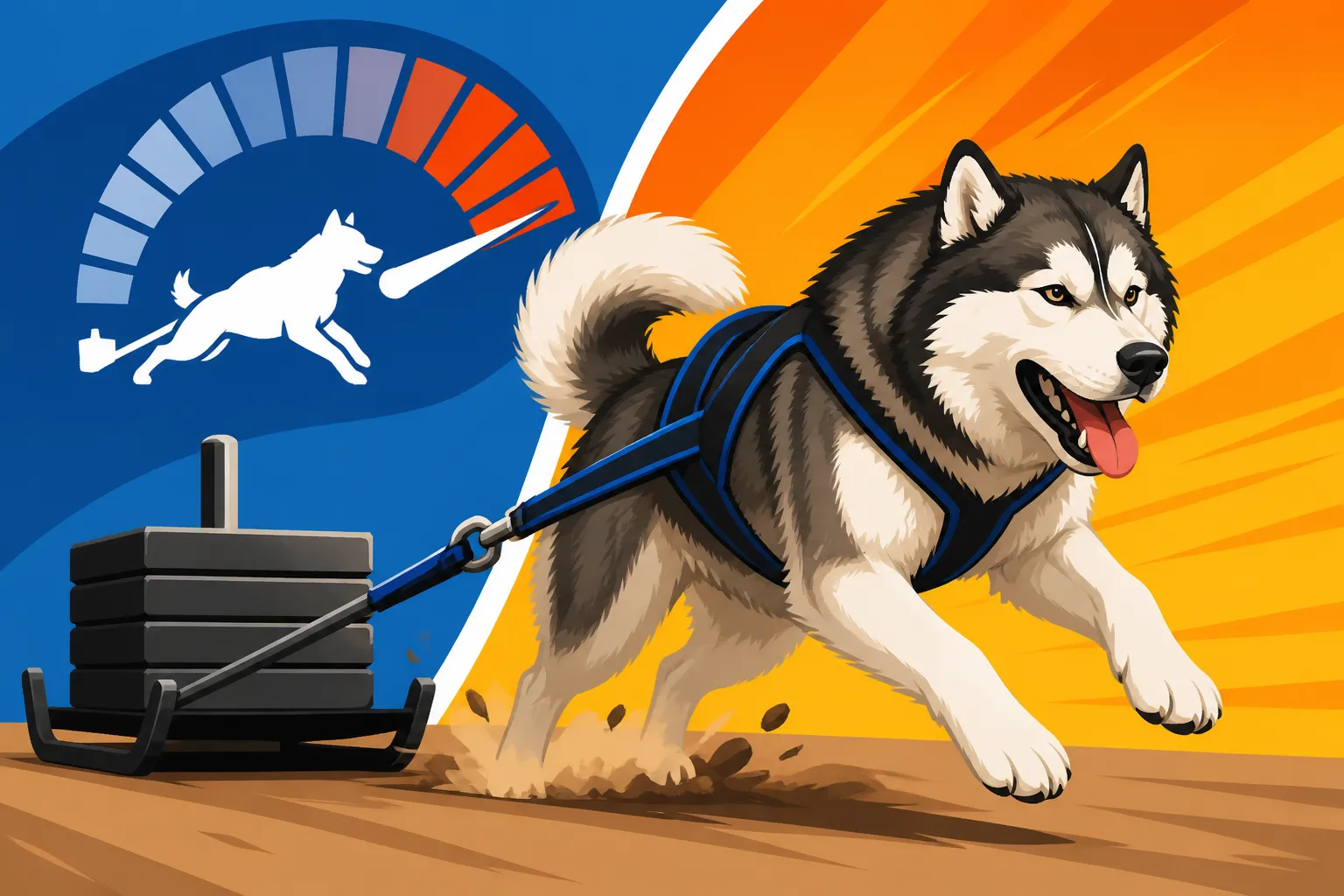
It's easy to look at an Alaskan Malamute, with their powerful build and deep chest, and imagine them effortlessly hauling massive loads. And while they were absolutely bred for serious work, the world of competitive weight pull is a specific discipline that has its own rules, techniques, and often, astounding results. This guide will walk you through what your Malamute is truly capable of in a weight pull competition, what factors play a role in their performance, and how to safely explore this incredible sport with your companion.
Understanding the Malamute's Natural Aptitude for Pulling
Alaskan Malamutes weren't just "bred to pull"; they were bred to pull freight. This isn't about speed or racing across a finish line first; it's about endurance, strength, and the sheer power to move heavy loads over long distances in brutal conditions. This fundamental difference sets them apart from many other sled dog breeds and makes them exceptional contenders in the sport of weight pulling. Their very design, from their bone structure to their musculature, screams "working dog."
The Historical Context of Malamute Pulling
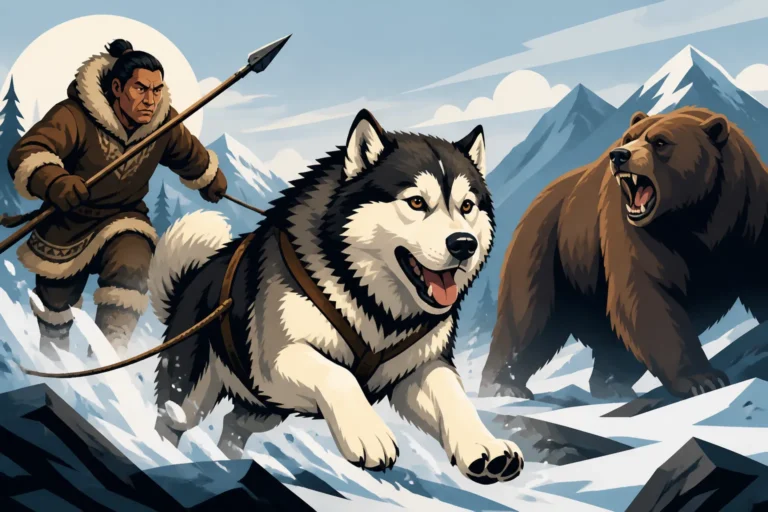
Imagine the harsh, unforgiving Arctic landscape where the Mahlemut people relied entirely on these magnificent dogs for survival. Their lives, and often the lives of their communities, depended on the Malamutes' ability to haul supplies, game, and even people across vast, snowy terrains. These dogs were literally the engines of their existence. This wasn't a recreational activity; it was essential labor that forged a dog with an unparalleled drive to put its shoulder into a harness and move whatever was asked of it. It’s a deep-seated instinct, a part of their very genetic code, to work alongside their human companions, sharing the burden and finding immense satisfaction in the task. This historical imperative is why you'll often hear that Pulling Is the Only Job an Alaskan Malamute Really Wants.
When you understand this history, you begin to see that competitive weight pull isn't some arbitrary human invention forced upon them; it's a modern manifestation of their ancient purpose. It taps into that primal desire to work, to contribute, and to engage their incredible physical prowess in a meaningful way. For a Malamute, pulling isn't just exercise; it's a mental and physical challenge that fulfills them in a way few other activities can. It's truly a legacy that lives on in every Malamute today, waiting for the opportunity to be unleashed.
What "Pulling" Really Means for a Malamute
For a Malamute, pulling isn't about a sprint; it's about a sustained, powerful effort. Think of it like a human powerlifter compared to a marathon runner. While a Siberian Husky might excel at pulling a lighter sled quickly over many miles, a Malamute is built for steady, unyielding power to move significant mass. Their broader chests, heavier bone structure, and powerful hindquarters are all perfectly adapted for this kind of work. They derive immense satisfaction from leaning into the harness, feeling the resistance, and overcoming it with their own raw strength.
This drive means that even a pet Malamute, one that might live a comfortable life indoors, still possesses this innate desire to pull. Without an outlet, this instinct can manifest in less desirable ways, such as pulling on the leash during walks, which can be a real struggle for owners. Providing a structured outlet like competitive weight pull, or even recreational activities like The Alaskan Malamute in Skijoring or Whether a Malamute Can Carry a Backpack, allows them to express this natural inclination in a controlled, safe, and fulfilling manner. It truly taps into their core being and allows them to be the magnificent working dogs they were born to be.
Factors Influencing a Malamute's Competitive Pulling Capacity
When you see a Malamute pull hundreds, sometimes even thousands, of pounds in competition, it's not just random strength. There's a complex interplay of factors at play, from their physical conditioning to the very ground they're pulling on. Understanding these elements is crucial for anyone considering this sport, both for the safety of the dog and for maximizing their potential.
Physical Condition and Training Regimen
Just like any athlete, a Malamute entering weight pull competition needs to be in peak physical condition. This means more than just being "fit"; it involves specific conditioning to build muscle, strengthen joints, and enhance endurance relevant to pulling. A dog that is overweight or out of shape is not only at a disadvantage but also at a much higher risk of injury. A well-conditioned Malamute, with lean muscle and a strong core, will have a far greater capacity to pull. This conditioning isn't something that happens overnight; it's a gradual process that builds strength and stamina over time. Think of it as a journey, not a sprint.
The training regimen itself is paramount. It involves careful, progressive loading, starting with very light weights and gradually increasing the challenge. This systematic approach allows the dog's body to adapt and strengthen without being overwhelmed. It also involves teaching proper pulling technique, ensuring the dog uses its body efficiently and safely. A crucial aspect is knowing The Age a Malamute Can Start Pulling safely, as puppies have developing bones and joints that shouldn't be subjected to heavy loads. Diet also plays a huge role; a working Malamute needs appropriate nutrition, often different from a sedentary pet. Feeding a Working Malamute Against a Pet One highlights the need for a diet that supports high energy expenditure and muscle recovery. Moreover, consistent, year-round exercise, even outside of active weight pull training, is vital for maintaining overall fitness and preventing deconditioning. This consistent effort ensures that the dog remains healthy and ready for the demands of the sport.
Equipment and Technique
You can't just hook a Malamute up to a heavy cart with any old harness and expect success. The right equipment is absolutely non-negotiable for competitive weight pulling. A properly fitted, purpose-built weight pull harness is essential. These harnesses are designed to distribute the load evenly across the dog's powerful chest and shoulders, preventing injury and maximizing their pulling efficiency. Unlike a walking harness, a weight pull harness ensures that the dog's energy is directed into moving the load, not into straining their throat or back. You can find a wide variety of these specialized harnesses on platforms like Amazon, but always ensure it's specifically designed for weight pull and fits your dog perfectly.
Beyond the harness, the dog's technique is vital. A well-trained Malamute will lean into the harness, keep its body low, and drive with its hindquarters, using its entire body as a powerful lever. This isn't just raw strength; it's coordinated power. A handler's role is also critical in encouraging and guiding the dog, using positive reinforcement to build confidence and motivation. Many competitive Malamutes respond incredibly well to vocal cues and encouragement, thriving on the partnership with their human. Building this relationship and understanding their individual motivation is key; some might work for food, others for praise, but all will work best when they feel confident and connected to their handler. Training for this level of discipline can often be enhanced with foundational obedience work, which resources like BAXTER & Bella can help establish, setting the stage for more specialized activities.
Environmental Conditions
The environment where a weight pull competition takes place dramatically affects how much weight a Malamute can pull. The type of surface is arguably the most significant factor. Pulling on a dry, grippy carpet surface, common in indoor events, allows a dog to get maximum traction, translating to much higher pulled weights. Imagine trying to push a heavy car on dry asphalt versus on slick ice; the difference in friction is enormous. Similarly, a carpeted surface provides the ideal friction for a dog's pads and claws to dig in and propel the weight.
In contrast, pulling on snow, ice, or even packed dirt provides far less traction, meaning the same dog will be able to pull significantly less weight. These conditions introduce variables like slipping and uneven footing, which can make it harder for the dog to maintain power and momentum. Whether a Malamute Should Pull in Warm Weather is also a critical consideration. Malamutes are built for cold climates, and high temperatures can quickly lead to overheating and exhaustion, severely limiting their performance and, more importantly, posing a serious health risk. The temperature and humidity on competition day can be just as crucial as the dog's training.
| Surface Type | Typical Weight Multiplier (Relative to Dog's Body Weight) | Traction Level | Notes |
|---|---|---|---|
| Carpet (indoors) | 20-50x (or more) | Excellent | Highest performance potential, ideal for setting records. |
| Dirt/Gravel (packed) | 5-15x | Good | Variable depending on compaction, dust, and moisture. |
| Grass | 3-8x | Fair | Can be slippery when wet, uneven. |
| Snow (packed) | 5-15x | Good | Excellent for traditional sled dogs, but traction can vary with snow type. |
| Ice | 1-3x | Poor | Extremely challenging, high risk of slipping. |
Note: These multipliers are generalized and individual dog performance can vary greatly based on training, condition, and technique.
Typical Weight Pull Records and Expectations
When discussing how much weight a Malamute can pull, it’s important to distinguish between what's technically possible and what's realistically achievable for the average well-trained dog. The record books are filled with astonishing feats, but these are often the result of years of dedicated training, genetic predisposition, and optimal conditions.
Different Surfaces, Different Weights
As we've touched upon, the surface makes an enormous difference. On ideal carpeted surfaces, a supremely conditioned and trained Alaskan Malamute can pull truly staggering amounts of weight. It's not uncommon to see Mals pull 20 to 50 times their own body weight, and sometimes even more. Imagine a 100-pound Malamute pulling 2,000 to 5,000 pounds – that's two and a half tons! These record-breaking pulls are usually achieved on specialized weight pull carts with minimal rolling resistance, often on carpet, where every ounce of power translates directly into moving the load.
However, if you move to a natural surface like dirt or snow, those numbers drop significantly. On packed dirt, a strong Malamute might pull 5 to 15 times its body weight. On snow, which offers a different kind of resistance and varying levels of grip, the figures are comparable, depending on the snow's condition – soft powder is harder than well-packed trail. The goal in these competitions isn't just about the absolute heaviest weight, but often about seeing how well dogs can perform relative to their size and the challenges of the environment. It showcases their raw power and determination, regardless of the numerical "record."
Setting Realistic Goals for Your Malamute
While it's inspiring to read about the Malamutes who pull thousands of pounds, it's crucial for new weight pull enthusiasts to set realistic and safe goals for their own dogs. Your Malamute might not be the next world champion, and that's perfectly okay! The primary goal should always be the health, safety, and enjoyment of your dog. Starting with very light weights, even just the empty cart, allows your Malamute to learn the commands, understand the concept, and build confidence without any physical strain. Incrementally increasing the weight over weeks and months, focusing on good form and enthusiastic participation, is the way to go.
Many clubs and organizations structure weight pull competitions with progressive weight classes and different surface options, making it accessible for dogs at various stages of their training and physical ability. For a healthy, well-conditioned adult Malamute, pulling 5-10 times their body weight on a good surface is a very respectable achievement and a testament to their strength. It's about celebrating their inherent capabilities and giving them a fulfilling "job" they excel at. Remember, the journey of training and bonding is often more rewarding than any single record. For more general guidelines on their capabilities, you might explore How Much a Malamute Can Pull.
Getting Started in Competitive Weight Pull
So, you're inspired and ready to introduce your Alaskan Malamute to the exciting world of competitive weight pull. That's fantastic! It's a sport that truly celebrates their natural abilities. However, diving in requires more than just enthusiasm; it demands thoughtful preparation, the right gear, and a deep commitment to safe and progressive training. This isn't just about strapping on a harness; it's about building a partnership and ensuring your dog thrives in this demanding activity.
Essential Gear for Training and Competition
Before your Malamute even thinks about pulling a competition cart, you need to invest in the correct gear. This isn't just a suggestion; it's a safety imperative.
Firstly, a high-quality, professional weight pull harness is non-negotiable. These harnesses are engineered specifically for the biomechanics of pulling heavy loads. They differ significantly from walking or even recreational sledding harnesses. A proper weight pull harness will have wide, padded straps that distribute pressure evenly across the dog's chest and shoulders, preventing injury to their neck, spine, and joints. The attachment point for the cart or sled will be low on the back, allowing the dog to drive forward with their powerful hindquarters without lifting their rear or straining. You can find excellent options on Amazon, but always ensure it's a dedicated weight pull harness and get professional guidance on fitting if you're unsure. A poorly fitting harness can cause chafing, discomfort, and serious injury, so investing in the best you can afford and ensuring a perfect fit is paramount. Understanding What a Weight Pull Harness for a Malamute Costs can help you budget appropriately.
Secondly, you'll need a suitable training cart or sled. For beginners, a small, lightweight cart on wheels that rolls easily is ideal. This allows your dog to get used to the sensation of pulling and the weight behind them without any significant strain. As they progress, you can gradually add weight. For snow pulling, a small sled or even a tire can be a good starting point. You'll also need a tow line with a shock-absorbing section to reduce sudden jolts, and some weights to add to your cart or sled. These can be anything from sandbags to old car tires, as long as they can be secured safely. Finally, don't forget the basics like a sturdy leash, high-value training treats, and a water bowl for hydration during training sessions.
Training Principles and Safety Considerations
Training for weight pull is a marathon, not a sprint. It must be a gradual, positive experience, focusing on building strength, technique, and confidence. Never force your Malamute to pull. The goal is for them to want to pull, to find joy in the work. Start with an empty cart or a very light load. Introduce the harness first, letting them wear it around the house or on short walks to get comfortable. Then, attach the empty cart and let them drag it a few feet. Reward heavily for any forward movement and enthusiasm.
Progressive loading is the golden rule. Increase the weight by small increments, perhaps no more than 5-10% at a time, and only when your dog is confidently and happily pulling the current weight. Watch your Malamute closely for any signs of discomfort, fatigue, or loss of enthusiasm. If they seem hesitant, tired, or sore, stop immediately. It’s better to end a session early and positively than to push them too far and risk injury or developing a negative association with pulling. Keep training sessions short, especially in the beginning, focusing on quality over quantity. Ten to fifteen minutes of focused, positive pulling is far more beneficial than an hour of struggle.
Safety is paramount, especially regarding your Malamute's physical development. Avoid any heavy pulling until your Malamute's growth plates have closed, which is typically between 18 to 24 months of age for giant breeds like Malamutes. Premature heavy pulling can cause irreversible damage to growing joints. The Age a Malamute Can Start Pulling safely is a critical piece of knowledge for any aspiring weight pull enthusiast. Always consult with your veterinarian before starting any strenuous exercise program, especially weight pull, to ensure your Malamute is in good health and has no underlying conditions that could be exacerbated by the sport. Regular vet check-ups, appropriate nutrition, and maintaining a healthy weight are all crucial components of a safe and successful weight pull journey. Furthermore, understanding that Why a Pet Malamute Still Needs to Pull can provide additional motivation and insight into this natural drive. If you feel you need professional guidance, resources like BAXTER & Bella can provide foundational training support, and then finding an experienced weight pull mentor or trainer is invaluable to ensure you're employing the safest and most effective techniques.
Disclaimer
This article is for general informational purposes only and does not constitute professional advice. Laws, prices and regulations vary by location and change over time. Consult a qualified professional for guidance on your specific situation.