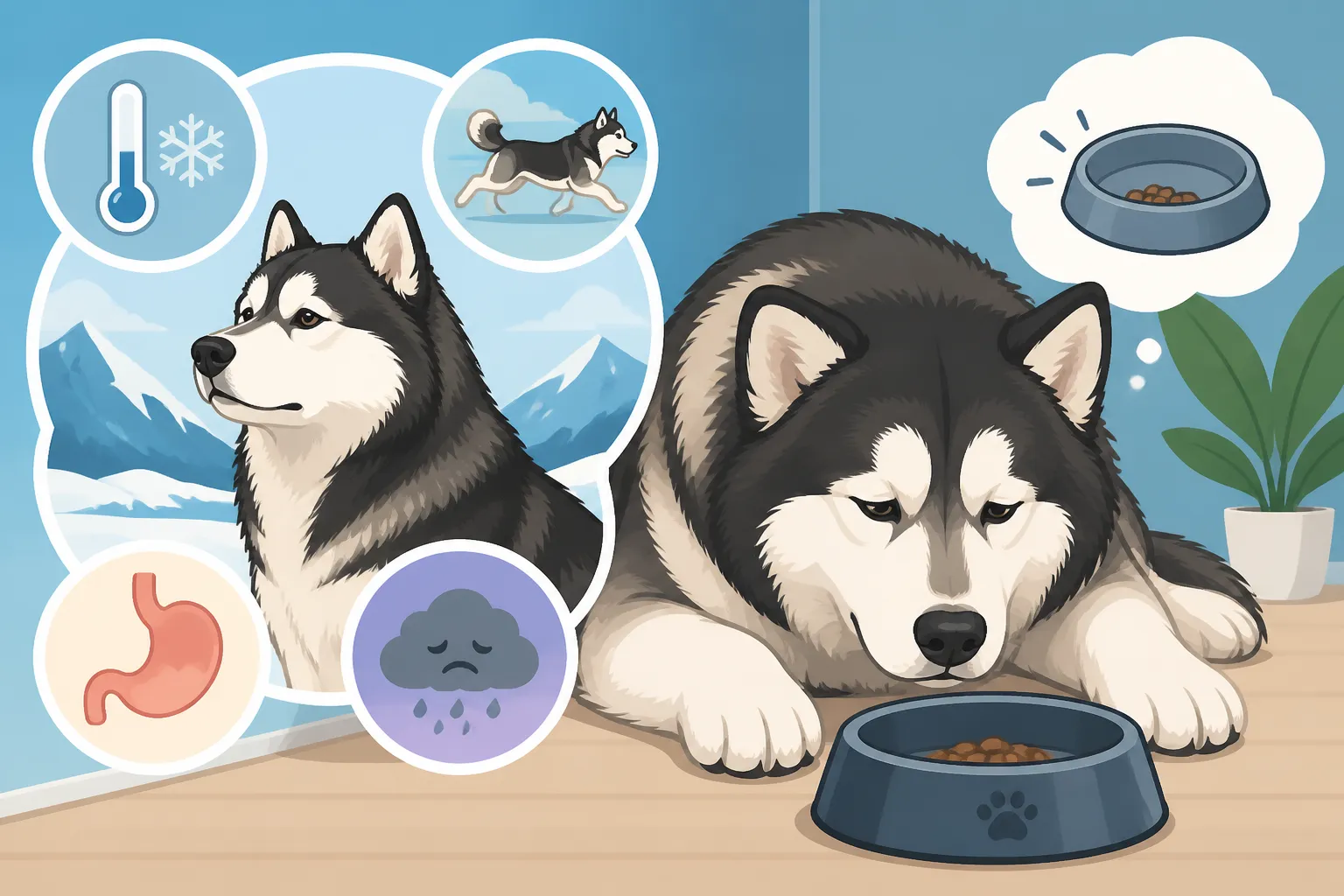
Why an Alaskan Malamute Eats Less Than Expected
It’s a common scenario that baffles so many new Alaskan Malamute owners: you bring home this magnificent, powerful dog, expecting it to eat like a small horse, only to find it picking at its food or leaving half its meal. This can be incredibly worrying, making you question if your beloved Mal is sick, stressed, or just plain finicky. This guide is here to unravel the mystery behind why your Alaskan Malamute eats less than you might expect, delving into their unique metabolism and the environmental factors that shape their appetite, so you can confidently nourish your furry family member.
The Malamute's Ancestral Metabolism: Built for Efficiency
Let's be real, many of us assume a big dog needs big bowls of food. But with an Alaskan Malamute, that assumption can actually lead to overfeeding, or at least a lot of head-scratching. Their eating habits aren't a quirk; they're a testament to their incredible history.
A Legacy of Scarcity, Not Abundance
Imagine living in the Arctic, where food isn't always plentiful and temperatures are brutally cold. That's the world the ancestors of our modern Alaskan Malamutes inhabited alongside the Mahlemut people. Their very survival depended on their ability to make the most of every morsel. These dogs weren't bred for constant access to a brimming food bowl; they were bred for resilience in times of feast and famine.
This harsh environment shaped their physiology profoundly. Their bodies became incredibly efficient at converting whatever limited food they received into usable energy, storing fat when possible, and conserving every calorie. It's a survival mechanism ingrained deep in their DNA. This heritage is truly remarkable and speaks volumes about their incredible adaptability, but it means their caloric needs are fundamentally different from breeds developed in more temperate, food-secure regions. You can learn more about their incredible origins in The Mahlemut of Kotzebue Sound Bred the Alaskan Malamute.
The Thrifty Gene Hypothesis in Action
The concept of a "thrifty gene" perfectly describes the Alaskan Malamute's metabolism. Their bodies are expert economists, optimizing every nutrient to extract maximum energy. This means they simply don't require the same volume of food per pound of body weight as many other large breeds might. If a Labrador Retriever of similar size might need three cups of kibble, your Malamute might be perfectly content and healthy on two, or even less, depending on activity and temperature.
This incredible efficiency is a double-edged sword for modern Malamutes. While it allowed their ancestors to survive, it makes them prone to weight gain in a pampered household. Overfeeding, even by a little, can quickly lead to obesity and associated health problems. It's a constant tightrope walk for owners, trying to balance their dog's historical predisposition with the realities of modern pet life. Understanding this innate efficiency is the first step in not panicking when your Mal doesn't clear its bowl. The Efficient Metabolism That Surprises Every New Malamute Owner sheds more light on this fascinating aspect.
Metabolic Slowdown and Energy Conservation
Beyond just being efficient, a Malamute's metabolism can also actively slow down when conditions permit, further reducing their appetite. Think about a warm summer day: your Malamute is likely lounging, finding the coolest spot in the house, perhaps panting lightly. In this state, their body isn't working hard to maintain warmth or to fuel intense activity. Consequently, their internal furnace doesn't demand as much fuel.
This metabolic adaptation means that a decreased appetite isn't always a sign of illness; it's often a natural, inherited response to their environment and activity level. If the weather is warm, or if your Mal has had a less active day, it's perfectly normal for them to be less enthusiastic about dinner. Their body is simply signaling that it has enough stored energy and isn't in high demand for more. It's like a car with excellent fuel economy; it doesn't need to fill up as often as a gas-guzzler.
Environmental and Lifestyle Factors Influencing Appetite
It's not just about what's hardwired into their genes; the world around your Malamute plays a huge role in how much they feel like eating. These aren't fragile dogs, but they are keenly attuned to their environment.
The Impact of Climate and Temperature
This is perhaps one of the most significant factors influencing a Malamute's appetite, and it often catches new owners off guard. Alaskan Malamutes were literally bred for the cold. Their dense double coats, robust bodies, and efficient metabolism are all designed to thrive in freezing temperatures, where they need to consume significant calories just to stay warm.
When the mercury rises, especially in warmer climates, their energy requirements plummet. They no longer need to burn extra calories to produce body heat. In fact, eating a large meal can even make them feel hotter as their body digests food, leading them to actively avoid eating much. You might notice your Malamute grazing rather than devouring its meal in July, even if it's the same kibble it loved in January. A Mal that might happily eat three cups of food in a snowy winter could easily only want one or two in the summer heat. This instinct to conserve energy and avoid overheating is crucial for their survival, as outlined in Summer Is the Season That Kills Alaskan Malamutes.
Activity Levels and Energy Output
Just like humans, a Malamute's appetite is directly proportional to how much energy they've expended. A Malamute that spends its days pulling a sled, hiking miles through rugged terrain, or engaging in strenuous play will naturally have a much heartier appetite than a Malamute whose daily routine involves a couple of leisurely walks around the block.
Think about the difference between a working Malamute on a freight team versus a beloved family pet. The working dog is burning thousands of calories and will be ravenous; the pet Malamute's needs are significantly lower. If there's a period of decreased activity – perhaps an owner is busy, the weather is bad, or the dog is recovering from a minor injury – you will almost certainly see a corresponding dip in their interest in food. It's essential to adjust their food intake based on their actual energy output, not just what a generic feeding guide might suggest for their weight. This topic is explored further in Feeding a Working Malamute Against a Pet One.
Stress, Routine Changes, and Appetite Fluctuation
Malamutes, for all their stoicism and independence, can be creatures of habit and sensitive to disruptions. Changes in routine, a new environment, or even emotional stress can temporarily impact their appetite. Moving to a new house, introducing a new pet or family member, or even a trip to the vet can throw them off their game and make them less interested in eating.
For example, a Malamute that normally enjoys its dinner might ignore it completely after an intense thunderstorm or a long car ride. This isn't necessarily a sign of illness but rather their body's way of coping with stress. Maintaining a consistent routine for feeding, exercise, and quiet time can help minimize these stress-induced appetite fluctuations. While they might not show overt signs of anxiety like some other breeds, a subtle shift in their eating pattern can be their way of signaling that something feels a bit "off" in their world.
Common Misconceptions and Owner Worries
When your Malamute doesn't eat "enough," it's easy to fall into a spiral of worry. Many common ideas about dog eating habits just don't apply to this unique breed, leading to unnecessary concern.
Comparing to Other Breeds
One of the biggest pitfalls new Malamute owners face is comparing their dog's appetite to other breeds they've owned or seen. You might have friends with Golden Retrievers or German Shepherds who gobble down every meal and then look for more. It's incredibly frustrating, and even alarming, to see your large, majestic Malamute seemingly eat half as much as a smaller dog or a different large breed.
This comparison is almost always unfair and inaccurate because it ignores the Malamute's unique metabolic heritage. They are built differently. What might be considered a "normal" appetite for a Husky or a Standard Poodle is often more than what a Malamute truly needs. The Alaskan Malamute Against the Siberian Husky highlights many differences between these two Arctic breeds. Instead of looking at the bowl, look at your dog: Is your Malamute maintaining a healthy weight? Does it have good energy levels? Is its coat healthy and shiny? If so, its "less than expected" appetite is likely its normal.
The Myth of the Always-Hungry Large Dog
There's a prevailing myth that all large dogs should be perpetually ravenous, always eager for their next meal. For many breeds, this might hold true, but it's far from a universal truth, especially for Malamutes. Your Malamute might be perfectly content eating smaller portions, grazing throughout the day, or even skipping a meal entirely now and then without any ill effects. They can be quite particular about their food, or just simply not driven by constant hunger.
This means you might offer a full meal, only for your Mal to take a few bites and walk away. This isn't necessarily "pickiness" in the spoiled sense, but rather their body regulating its intake based on actual need. If your Malamute is otherwise healthy, active, and maintains a good body condition, then its smaller-than-expected appetite is usually just part of being a Malamute. It's about shifting your perception of what a "normal" appetite looks like for this specific breed.
Differentiating Pickiness from True Anorexia
It's important to distinguish between a Malamute being "picky" or having a naturally smaller appetite, and a genuine refusal to eat due to illness (anorexia). Malamutes can indeed be a bit finicky; they might turn up their nose at a new kibble, or decide they're bored with a particular flavor they once loved. This kind of pickiness usually means they'll eventually eat if truly hungry, or if offered something different and appealing.
True anorexia, on the other hand, is a complete and sustained refusal to eat, often accompanied by other signs of illness like lethargy, vomiting, diarrhea, pain, or fever. If your Malamute suddenly and completely stops eating, especially if combined with other worrying symptoms, then it's absolutely time to call your veterinarian. A sudden loss of appetite is a red flag. However, if your Malamute is just eating less than you anticipated but is otherwise energetic, playful, and maintaining a healthy weight, then it's far more likely to be their efficient metabolism at play rather than a serious health issue.
Practical Strategies for Managing a Malamute's Diet
Since your Malamute’s eating habits might defy expectations, you need a proactive and informed approach to their nutrition. It’s less about filling the bowl and more about understanding what their body truly needs.
Monitoring Weight and Body Condition
Forget the "cups per day" guidelines printed on kibble bags as the sole indicator of health for a Malamute. Those are often generic and don't account for your Mal's unique metabolism or activity level. The most reliable way to monitor your Malamute's nutritional status is through regular weight checks and, critically, by assessing their body condition score. Underneath that magnificent, fluffy coat, it can be hard to tell what's going on!
You should be able to easily feel your Malamute's ribs with slight pressure, like feeling the back of your hand, not like feeling your knuckles (too thin) or needing to press hard (too heavy). They should also have a noticeable waist when viewed from above, behind the ribs, and a slight tuck-up in their abdomen when viewed from the side. Regular hands-on checks are crucial, especially when they blow coat, as their thick fur can hide a multitude of sins – both too thin and too heavy. Keeping an eye on their weight is also key to avoiding conditions like hip dysplasia later in life. Get familiar with how your Mal should feel, not just how it looks. Keeping an Alaskan Malamute at a Working Weight offers excellent guidance on this.
Choosing the Right Food and Feeding Schedule
Given their efficient metabolism, the quality of the food you offer is even more important than the quantity. Opt for a high-quality, nutrient-dense dog food. This means looking for ingredients lists where meat is the first ingredient, and avoiding excessive fillers. Because they eat less, every bite needs to count nutritionally.
When it comes to scheduling, many Malamutes do well on one or two meals a day. While some larger breeds can free-feed, it's generally not recommended for Malamutes due to their tendency to gain weight easily and the increased risk of bloat if they gorge themselves. Offering meals at consistent times helps establish a routine. Many owners find success with premium kibbles available on Chewy or specialized fresh food diets like Ollie, which are often nutrient-dense, allowing smaller portions while ensuring they get all essential vitamins and minerals. Experiment with what works best for your individual Mal, but always prioritize quality. How Many Meals a Day an Alaskan Malamute Needs provides more detailed information on feeding schedules.
When to Be Concerned and Seek Veterinary Advice
While a slightly reduced appetite can be perfectly normal for an Alaskan Malamute, it's vital to know when to escalate your concerns to a veterinarian. If your Malamute suddenly and completely stops eating for more than 24 hours, or if its decreased appetite is accompanied by other symptoms, it’s time for a vet visit.
Watch for signs such as lethargy, vomiting, diarrhea, visible pain, a distended abdomen, changes in water intake, or fever. These are all red flags that suggest something more serious than just a "Malamute appetite" is at play. Another subtle but important sign can be changes in their skin or coat quality, which could indicate a zinc deficiency. Zinc Responsive Dermatosis in an Alaskan Malamute explains how this common Malamute issue can impact overall health, including appetite. Always err on the side of caution when your dog's behavior changes dramatically, especially when combined with a persistent refusal to eat.
Enhancing Palatability and Encouraging Healthy Eating Habits
If your Malamute consistently turns its nose up at meals, and you've ruled out health issues, there are several ways you can make mealtime more enticing and establish good habits.
Making Meals More Appealing
Sometimes, a little flair can make all the difference. Malamutes can sometimes be a bit particular, and a lukewarm or slightly enhanced meal can often pique their interest. Try warming their kibble slightly by adding a bit of warm water or low-sodium broth. This can release more of the food's aroma, making it more appealing. You can also incorporate safe, healthy toppers like a spoonful of plain pumpkin, plain yogurt, or cooked, unseasoned meat. Just be mindful of calories, especially with toppings, to prevent unintended weight gain.
Consider rotating proteins or kibble brands periodically to keep things interesting, but always do so gradually over several days to avoid digestive upset. Another fantastic approach is to use interactive feeders or puzzle toys for mealtime. These can turn eating into a mental challenge, which some Malamutes find highly stimulating and can encourage them to engage with their food. Even simple slow feeders found on Amazon can make a difference by extending mealtime and making it more engaging.
Establishing a Predictable Feeding Routine
Malamutes, like most dogs, thrive on routine. A consistent feeding schedule can help regulate their internal clock and signal to their body when it's time to eat. Instead of leaving food out all day, which can allow them to graze inefficiently and potentially lead to pickiness, try offering meals at specific times.
Place their food down for about 15-20 minutes, and if they haven't eaten it, pick it up until the next mealtime. This technique, sometimes called "meal feeding," teaches your Malamute that food is available at certain times and encourages them to eat when offered. It helps prevent them from becoming overly "snacky" and ensures they approach meals with a more genuine appetite. A consistent routine also supports their digestive health and can help manage issues like bloat. Whether a Malamute Should Rest After Eating also touches on the importance of routine around meal times.
The Role of Exercise in Stimulating Appetite
It sounds simple, but it's incredibly effective: a tired Malamute is often a hungry Malamute. Adequate physical exercise is one of the best natural appetite stimulants you can provide. When your Malamute expends energy, its body needs to replenish those calories, naturally increasing its hunger drive.
Ensure your Malamute is getting sufficient, appropriate exercise for its age and health. This isn't just a quick walk around the block; Malamutes are working dogs that need to move. Long hikes, vigorous play sessions in cool weather, or even engaging in dog sports like weight pulling or sledding can make a huge difference in their appetite. Pulling Is the Only Job an Alaskan Malamute Really Wants emphasizes just how important physical activity is for this breed. If your Malamute is consistently less active, it makes perfect sense that their appetite would be lower. So, lace up those boots and get moving with your Mal – it's good for both of you, and it just might encourage them to clean their bowl!
| Factor | Typical Large Breed Expectation | Alaskan Malamute Reality | Healthy Indicator |
|---|---|---|---|
| Food Volume | Large portions, frequent refills | Smaller portions, might skip meals | Healthy body condition |
| Metabolism | Generally higher, less efficient | Highly efficient, conserves energy | Consistent weight, good coat |
| Response to Heat | May still eat, slight decrease | Significant decrease in appetite | Seeking cool spots, panting |
| Activity-Appetite Link | Strong correlation | Very strong, immediate correlation | Energy levels match intake |
| "Pickiness" | Often a sign of illness/spoiling | Can be normal, discerning, or bored | Eats when truly hungry |
| Focus For Owner | How much is in the bowl | Body condition, overall health, energy | Ribs palpable, visible waist |
In conclusion, encountering a majestic Alaskan Malamute that eats less than you initially expected is a very common experience for owners and rarely a cause for alarm if your dog is otherwise healthy. Their unique ancestral metabolism, built for efficiency and survival in harsh Arctic conditions, means they simply don't require the same volume of food as many other large breeds. Environmental factors like warm weather and their actual activity levels also play a significant role in shaping their daily hunger.
Instead of focusing on comparing your Malamute to other dogs or obsessing over every morsel in their bowl, shift your attention to their overall well-being. A Malamute maintaining a healthy weight, with bright eyes, a shiny coat, and good energy levels, is a well-fed Malamute, regardless of how much it "seems" to eat. By understanding these intrinsic traits and implementing practical strategies for diet and exercise, you can confidently nourish your Alaskan Malamute and enjoy many happy, healthy years together.
Disclaimer
This article is for general informational purposes only and does not constitute professional advice. Laws, prices and regulations vary by location and change over time. Consult a qualified professional for guidance on your specific situation.