Whether a Malamute’s Bald Patch Needs a Vet
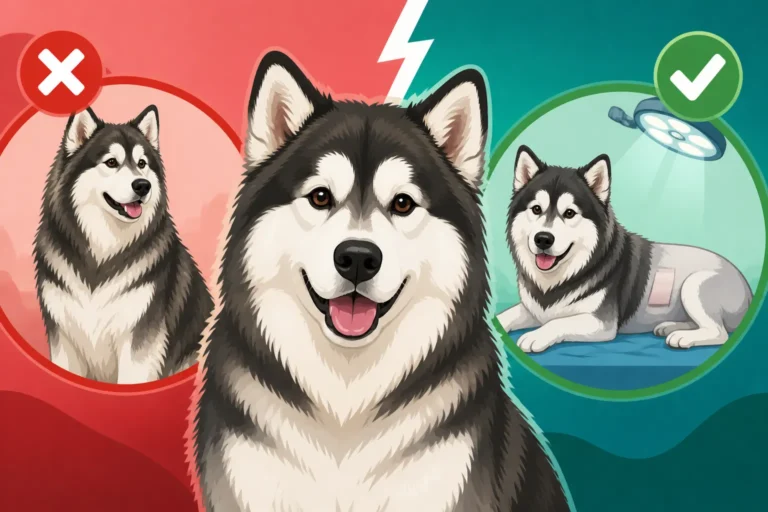
Finding a bald patch on your beloved Alaskan Malamute can be incredibly unsettling, leaving you wondering if it's just a normal part of their intense shedding cycle or something more serious. It's a common worry for Malamute owners, as these majestic dogs have such dense coats that any abnormality stands out. This comprehensive guide will walk you through understanding your Malamute's coat, identifying common causes of hair loss, and, most importantly, knowing when a bald patch truly warrants a trip to the veterinarian.
Understanding the Malamute Coat and Common Shedding
The Alaskan Malamute's coat is a marvel of nature, perfectly designed for the harsh Arctic environments their ancestors thrived in. It's thick, dense, and provides incredible insulation. But this beautiful coat also comes with its own unique characteristics and challenges, especially when it comes to shedding.
The Double Coat's Role in Health
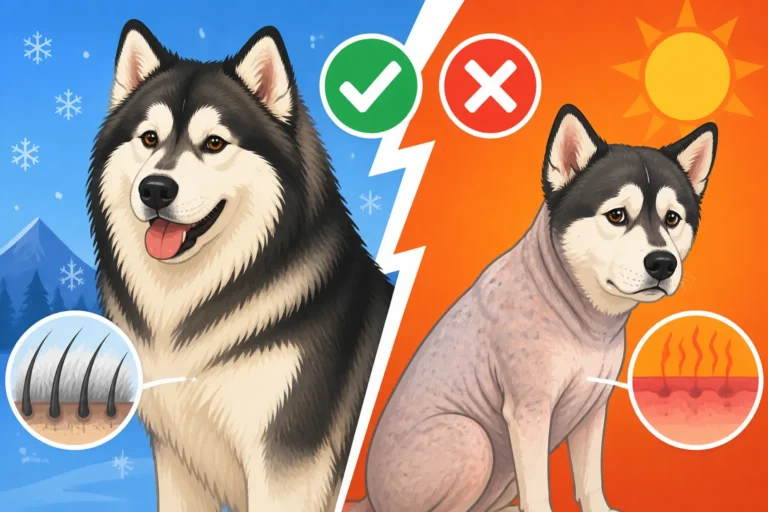
Your Malamute's coat isn't just one layer; it's a magnificent double coat. There's the harsh, protective outer guard coat, which repels water and dirt, and then the incredibly dense, woolly undercoat. This undercoat is what truly insulates them, keeping them warm in freezing temperatures and, surprisingly, helping to keep them cool in moderate warmth by trapping air. When this system is healthy, the fur has a natural sheen, the skin beneath is supple, and shedding, while significant, follows a predictable pattern. A healthy coat is a primary indicator of overall well-being.
Any deviation from this healthy state can manifest as changes in the coat or skin, including bald patches. The skin underneath is surprisingly delicate despite the robust fur, and various internal and external factors can impact it. Regularly checking your Malamute's skin, especially during grooming, helps you catch potential issues early, long before a noticeable bald spot forms. Being proactive and knowing what to look for when you're Reading a Malamute's Skin Before the Crusts Appear can save a lot of worry and vet visits down the line.
Normal Coat Blow vs. Abnormal Shedding
Malamutes are famous for their "coat blow," a massive shedding event that typically happens twice a year, usually in spring and fall. During a coat blow, they shed their entire undercoat, and it can feel like you're literally vacuuming up another dog's worth of fur every day. This is normal. You'll see clumps of loose hair, and even large sections might seem thinner as the old undercoat detaches. However, normal coat blow results in diffuse thinning, not distinct bald patches where the skin is completely exposed or appears irritated.
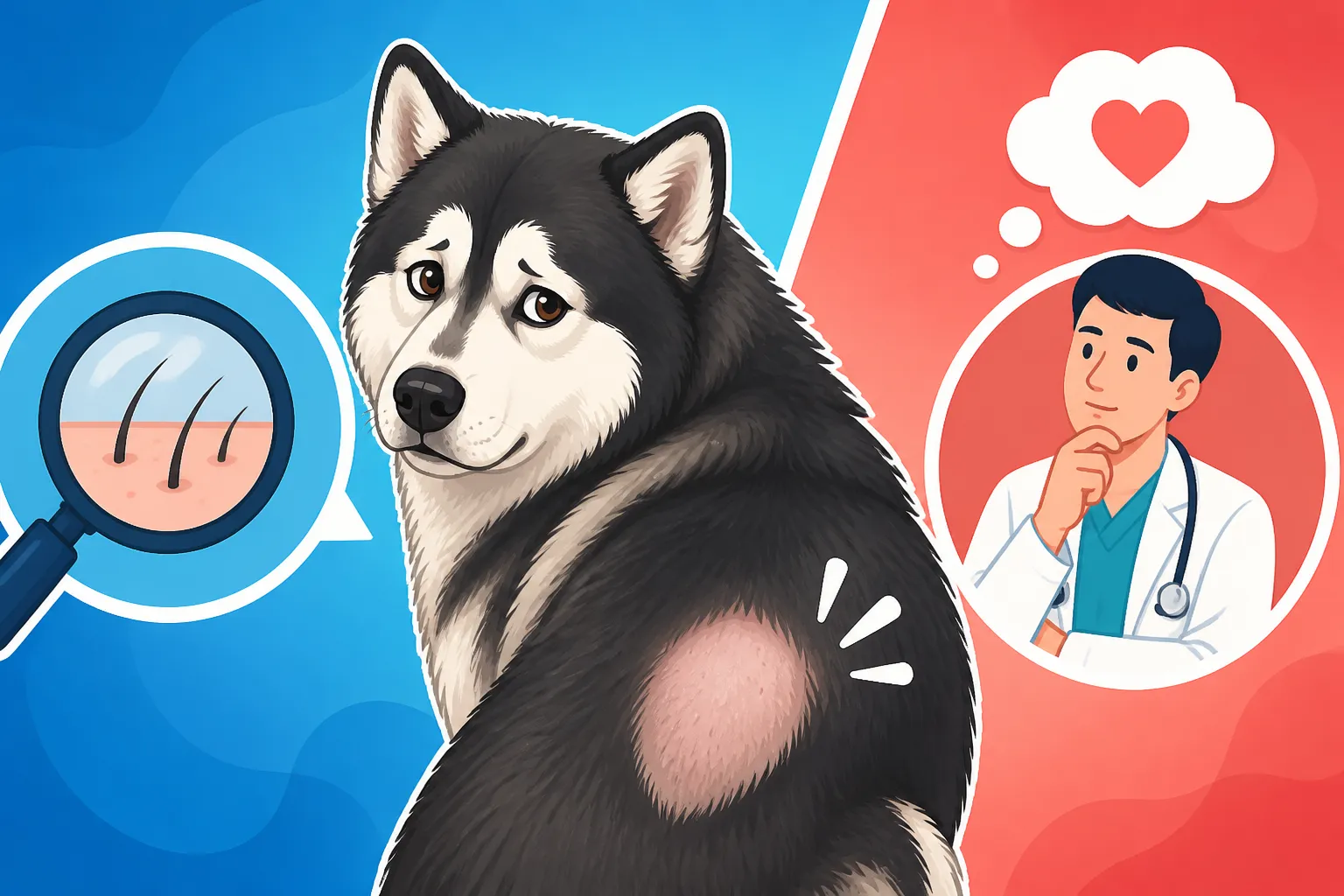
Abnormal shedding, on the other hand, is usually localized and often accompanied by other symptoms. If you find a patch where the hair is completely gone, the skin is red, flaky, thickened, or if your Malamute is excessively scratching, licking, or biting at the area, that's not normal coat blow. It's a sign that something else is going on. Understanding the difference between a minor temporary thinning during a massive The Malamute Coat Blow That Fills a Vacuum in an Afternoon and a concerning bald spot is the first step in deciding if a vet visit is needed.
Common Causes of Hair Loss That Might Not Be Serious
Not every bald patch spells disaster. Sometimes, the cause is benign and can be addressed with simple changes at home. It’s important to observe your Malamute closely and consider recent changes in their routine or environment.
Seasonal Shedding Exacerbated
While a normal coat blow doesn't typically create bald patches, some Malamutes, especially those in warmer climates or those with underlying minor skin sensitivities, might experience more pronounced thinning that looks a bit alarming. For instance, if your Malamute is constantly trying to cool itself by lying on cold surfaces, or if the transition between seasons is particularly harsh, their skin might react with more intense shedding than usual. This can lead to areas of very sparse hair, particularly on the belly or inner thighs, as they try to regulate their body temperature.
This type of exacerbated seasonal shedding is usually uniform across a larger area, rather than a distinct, coin-sized bald spot. The skin underneath should still look healthy, without redness, flaking, or inflammation. Often, increasing grooming during this period to help remove the dead undercoat and providing cooler resting spots can alleviate the issue. Think about whether they have enough access to shade outside or if an extra cooling mat, easily found on Amazon, might help them feel more comfortable indoors.
Friction and Pressure Sores
Alaskan Malamutes are big, often lazy dogs who love to sprawl out and sleep. If your Malamute has a favorite sleeping spot, especially on a hard surface like concrete, tile, or even thin carpet, they can develop pressure calluses or sores. These most commonly appear on the elbows, hocks (ankles), and hips. Over time, constant friction and pressure can cause the hair in these areas to wear away, leaving a bald, thickened, and sometimes darker patch of skin.
While these might look concerning, they are often not painful unless they become infected or crack. You'll usually notice the skin is quite tough and dry. Providing soft, supportive bedding can make a huge difference. Investing in a thick, orthopedic dog bed – perhaps from a reputable pet supply store like Chewy – can prevent these issues from developing or worsening. If the skin is broken, bleeding, or shows signs of infection, however, it does warrant a vet visit.
Minor Skin Irritations and Allergies
Just like people, Malamutes can suffer from minor skin irritations or environmental allergies. This might manifest as mild itchiness, leading to excessive scratching, licking, or chewing, which in turn causes hair loss. A small bald patch could simply be an "itch spot" that your Malamute has over-groomed. Common culprits include:
- Contact Allergies: Reaction to a new shampoo, a cleaning product on the floor, or certain plants in the yard.
- Flea Allergy Dermatitis: Even a single flea bite can trigger an intense allergic reaction in sensitive dogs, leading to localized scratching and hair loss.
- Environmental Allergies (Atopy): Pollen, dust mites, or mold can cause generalized itchiness, but dogs often focus on specific areas, creating bald spots.
Observe if the bald patch is red, bumpy, or if your Malamute is constantly bothering it. If you suspect fleas, ensure they are on a good flea prevention regimen. For suspected contact allergies, try to identify and remove the allergen. A mild oatmeal shampoo can sometimes soothe irritated skin, but persistent or worsening irritation should always be checked by a vet.
When a Bald Patch Signals a Vet Visit
While some bald spots are minor, others are red flags that point to underlying health issues requiring professional attention. Knowing these warning signs can ensure your Malamute gets the care they need promptly.
Parasites and Fungal Infections
Certain external parasites and fungal infections are notorious for causing distinct bald patches. These aren't just cosmetic issues; they can be quite uncomfortable for your dog and, in some cases, contagious to other pets or even humans.
- Mange (Mites): Sarcoptic mange (scabies) and demodectic mange (demodex) are caused by tiny mites. Sarcoptic mange is incredibly itchy, leading to intense scratching, redness, crusting, and hair loss, often starting on the ears, elbows, and hocks. Demodectic mange, while less itchy, can cause localized bald spots around the face, eyes, and forelegs, sometimes progressing to larger areas. The skin often appears red and scaly.
- Ringworm: Despite its name, ringworm is a fungal infection, not a worm. It typically presents as circular, bald patches with red, scaly, and sometimes crusty edges. These lesions can be itchy and spread quite easily. If you notice a perfectly round, scaly bald spot, especially if it's expanding, ringworm is a strong possibility.
Both mange and ringworm require veterinary diagnosis, usually through skin scrapings or fungal cultures, and specific medication. Over-the-counter remedies are often ineffective and can even complicate diagnosis. If you suspect either of these, don't delay a vet visit.
Hormonal Imbalances and Systemic Diseases
The skin and coat are often mirrors of internal health. Several hormonal imbalances and systemic diseases can manifest as hair loss, sometimes symmetrically, other times as irregular bald patches. These conditions are usually more serious and require a vet for diagnosis and management.
- Hypothyroidism: This is a common endocrine disorder in dogs, where the thyroid gland doesn't produce enough hormones. One classic symptom is a dull, dry, brittle coat and symmetrical hair loss, often on the flanks and tail, sparing the head and legs. The skin might also become thickened and dark. Whether an Alaskan Malamute Gets Hypothyroidism is a concern for many owners, and a bald patch could be an early sign.
- Cushing's Disease (Hyperadrenocorticism): This condition results from an overproduction of cortisol. Symptoms include symmetrical hair loss on the body (often sparing the head and legs), thinning skin, a pot-bellied appearance, increased thirst, and increased urination.
- Adrenal-related Sex Hormone Imbalances: Less common but can also lead to hair loss patterns.
These conditions typically don't cause itchiness initially, and the bald patches may develop slowly. Other systemic signs like changes in appetite, energy levels, or water intake will usually accompany them. A veterinarian will need to perform blood tests to diagnose these issues. Why a Malamute Shows Nothing Until It Cannot Work sometimes applies to these slower-developing systemic issues; by the time you see the physical signs, the internal process may have been underway for a while.
Nutritional Deficiencies, Especially Zinc
Alaskan Malamutes are unique in their nutritional needs, and deficiencies can directly impact their skin and coat health. One of the most common and critical deficiencies for Malamutes is zinc. They are prone to a genetic condition called Zinc Responsive Dermatosis (ZRD), where their bodies either can't absorb zinc effectively from their diet or require much higher levels than other breeds. This is why Zinc Is the Thread Running Through Three Malamute Diseases, including skin issues.
Zinc deficiency manifests as dry, flaky, crusty skin, often accompanied by hair loss, particularly around the eyes, muzzle, ears, and pressure points like elbows and hocks. The bald patches might be red and inflamed, and secondary bacterial infections are common. You might see similar symptoms to What Zinc Responsive Dermatosis Looks Like on a Malamute. If you notice these specific signs, especially around the face and extremities, it's a strong indication that your Malamute needs vet attention and likely zinc supplementation. Discussing How a Malamute's Zinc Deficiency Is Treated with your vet is crucial, as is understanding Whether a Malamute Needs Zinc for Life.
| Symptom Appearance | Potential Cause | Urgency for Vet Visit | Other Key Indicators |
|---|---|---|---|
| Diffuse thinning, no skin change | Normal Coat Blow/Exacerbated Shedding | Low | No irritation, generally healthy skin, occurs seasonally, no distinct bald spots. |
| Bald, thickened, callused skin | Friction/Pressure Sore | Low (unless infected) | Appears on elbows, hocks, hips; not itchy; skin intact. |
| Small bald spot, red, itchy | Minor Skin Irritation/Allergy | Moderate | Dog scratching/licking area; may be self-limiting or respond to topical relief. |
| Circular bald patch, scaly | Ringworm | High | May be itchy; lesions are distinct rings; potentially contagious. |
| Patchy hair loss, intensely itchy | Mange | High | Intense scratching; red, bumpy skin; possible crusting; can spread quickly. |
| Symmetrical hair loss, dry coat | Hypothyroidism/Cushing's | High | Other systemic signs (lethargy, weight changes, thirst); often not itchy. |
| Crusty, flaky bald patches (muzzle, eyes) | Zinc Responsive Dermatosis | High | Specific pattern of lesions; often unresponsive to general skin treatments. |
Diagnosing the Underlying Issue: What to Expect at the Vet
When you bring your Malamute to the vet for a bald patch, they won't just guess. A thorough diagnostic process is usually involved to pinpoint the exact cause, leading to the most effective treatment plan.
Initial Examination and Diagnostic Tests
Your veterinarian will start with a comprehensive physical examination, paying close attention to the bald patch and the surrounding skin. They'll ask you a lot of questions about when you first noticed it, if it's itchy, your Malamute's diet, recent changes in environment, and their general health. This detailed history is often the first big clue.
Depending on their initial assessment, they may recommend several diagnostic tests:
- Skin Scrape: This is a quick and simple procedure where the vet gently scrapes the surface of the skin with a blade to collect cells and debris, which are then examined under a microscope for mites (like those causing mange) or other parasites.
- Fungal Culture: If ringworm is suspected, a sample of hair and skin may be sent to a lab to grow any fungus present. This can take a couple of weeks for results.
- Cytology: A sample of cells taken from the skin (either by impression or tape strip) can be examined under a microscope to look for bacterial or yeast infections, which often occur as secondary issues with skin problems.
- Blood Tests: If hormonal imbalances or systemic diseases are suspected, blood work will be necessary. This might include a complete blood count (CBC), a biochemistry panel, and specific thyroid hormone tests to check for conditions like hypothyroidism.
- Biopsy: In some complex or unusual cases, a small piece of skin tissue might be surgically removed and sent to a specialized lab for histopathological examination. This can provide definitive answers for certain skin diseases or cancers. While it might sound daunting, a What a Dermatology Referral Costs a Malamute Owner can be invaluable for these complex cases.
Treatment Approaches for Specific Conditions
Once a diagnosis is made, your vet will tailor a treatment plan. It's important to follow these instructions precisely, as skin conditions can be stubborn and require consistent care.
- Parasitic Infections: Mange typically requires specific oral or topical medications, often given for several weeks to ensure all mites are eradicated. Ringworm is usually treated with oral antifungal medications and topical antifungal shampoos or creams. Environmental decontamination is also crucial to prevent reinfection.
- Bacterial or Yeast Infections: These secondary infections are often treated with oral antibiotics or antifungals, along with medicated shampoos. Your vet might suggest a specific medicated shampoo that you can easily order from Chewy or your local pet store.
- Hormonal Imbalances: Conditions like hypothyroidism are usually managed with daily oral medication to replace the deficient hormones. This is typically a lifelong treatment, and regular blood tests are needed to monitor hormone levels and adjust dosages.
- Nutritional Deficiencies: For Zinc Responsive Dermatosis, the primary treatment is zinc supplementation. Your vet will prescribe the correct type and dosage of zinc, which may be different from over-the-counter human supplements. Which Zinc Supplement Suits a Malamute is a common question, and your vet will know best. This often needs to be continued for life. You might find specific veterinary-approved supplements on Chewy or other online retailers like Amazon.
- Allergies: Management depends on the type of allergy. For flea allergies, strict flea control is paramount. Environmental allergies might be managed with antihistamines, steroids, allergy shots (immunotherapy), or special diets.
The goal isn't just to make the bald patch disappear, but to address the root cause, prevent recurrence, and ensure your Malamute's overall health and comfort. You'll likely need to maintain a long-term strategy, understanding Whether a Malamute Needs Zinc for Life or whether their diet requires permanent changes.
Managing and Preventing Hair Loss: Beyond the Vet Visit
Once your Malamute's bald patch has been diagnosed and treated, or if the cause was determined to be minor, there are ongoing steps you can take to support their skin and coat health and prevent future issues. This is all part of providing What an Alaskan Malamute Needs Every Day for a long, healthy life.
Diet and Supplementation Strategies
Nutrition plays a monumental role in skin and coat health. A high-quality diet provides the building blocks for healthy hair growth and strong skin.
- Balanced Diet: Ensure your Malamute is eating a high-quality, complete, and balanced dog food appropriate for their life stage and activity level. Look for foods with good sources of animal protein and healthy fats, especially omega-3 and omega-6 fatty acids, which are vital for skin health. Some owners consider fresh food options like Ollie, which can offer nutrient-dense meals.
- Omega Fatty Acids: These essential fatty acids reduce inflammation and support skin barrier function. Supplements like fish oil are readily available on Amazon or Chewy and can be a beneficial addition to many Malamutes' diets, especially if they have dry skin or a history of skin issues.
- Zinc Supplementation: If your Malamute has been diagnosed with Zinc Responsive Dermatosis, consistent zinc supplementation as prescribed by your vet is non-negotiable. Even if not diagnosed with ZRD, some Malamutes may benefit from a vet-approved zinc supplement if their diet is low in bioavailable zinc or if they show mild signs of deficiency. Remember that excessive zinc can be harmful, so always consult your vet before adding supplements.
Monitoring your Malamute's diet and discussing any concerns with your veterinarian will contribute greatly to their long-term coat health and can help ensure Whether a Malamute's Bald Patch Grows Back effectively.
Grooming and Environmental Management
Good grooming and a suitable environment are also key to preventing hair loss and maintaining skin health.
- Regular Brushing: Consistent brushing, especially with an undercoat rake, helps remove dead hair, distribute natural skin oils, and prevent matting. It also stimulates circulation to the skin. This is particularly important during coat blows. Aim for at least a few times a week, and daily during heavy shedding cycles.
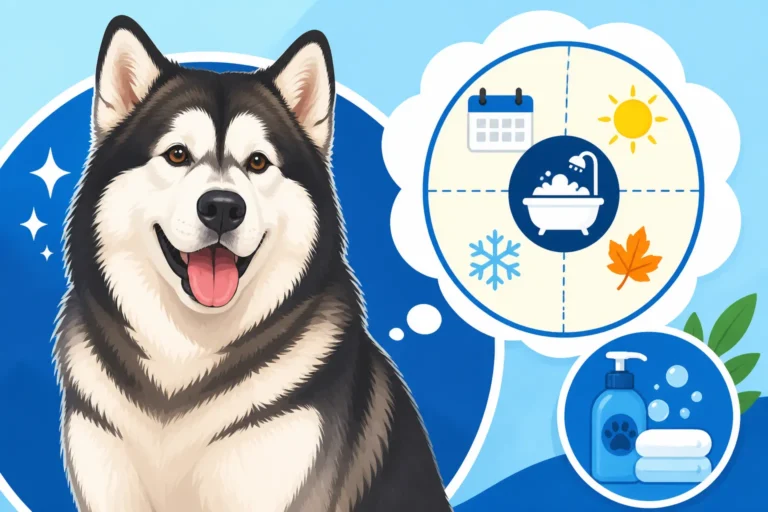
- Appropriate Bathing: While Malamutes don't need frequent bathing, occasional baths with a gentle, moisturizing dog shampoo can help keep their skin clean and healthy. If your Malamute has sensitive skin or a history of dermatological issues, your vet might recommend a specific medicated or hypoallergenic shampoo.
- Comfortable Bedding: To prevent pressure sores and friction baldness, ensure your Malamute has access to soft, supportive bedding. If they prefer to lie on hard surfaces, try to make those areas more appealing with thick mats or rugs.
- Climate Control: Malamutes are built for cold. In warmer climates, it's crucial to provide them with ample shade, access to cool water, and air conditioning indoors. Overheating can stress their system and indirectly affect skin health. Cooling mats or elevated beds can also help them stay comfortable.
Regular vigilance and proactive care can help you spot issues like Whether a Malamute's Skin Smells When Infected before they become full-blown bald patches, making management much simpler.
Lifestyle Adjustments for Skin Health
Beyond diet and grooming, some lifestyle factors can influence your Malamute's skin and coat condition.
- Stress Reduction: Stress can manifest physically, sometimes even impacting skin and coat health. Ensure your Malamute has a consistent routine, adequate exercise, and mental stimulation to reduce stress levels. A bored or anxious Malamute might engage in excessive licking or chewing, leading to hair loss.
- Flea and Tick Prevention: Consistent, year-round flea and tick prevention is vital, not just for preventing parasitic infections but also for avoiding allergic reactions that can lead to scratching and bald patches. Consult your vet for the best product for your area.
- Regular Vet Check-ups: Routine veterinary visits are crucial for overall health, including early detection of systemic diseases that can cause hair loss. Your vet can perform regular screenings and catch potential issues before they become severe. This proactive approach can catch things like emerging Zinc Responsive Dermatosis in an Alaskan Malamute or other issues that affect coat health.
By integrating these strategies into your Malamute's daily care, you're not just treating symptoms; you're building a foundation for robust health that extends to their beautiful, thick coat.
Disclaimer
This article is for general informational purposes only and does not constitute professional advice. Laws, prices and regulations vary by location and change over time. Consult a qualified professional for guidance on your specific situation.