The Temperature at Which a Malamute Should Stay Indoors
It's a common misconception that because Alaskan Malamutes thrive in the bitter cold, they're simply "cold dogs" and don't need protection from heat. This couldn't be further from the truth, and this oversight can lead to serious, even fatal, health issues. Many of us grapple with trying to keep our beloved fluffballs comfortable when the mercury rises, wrestling with air conditioning settings and worrying about every pant. This guide is here to walk you through understanding your Malamute's unique needs when it comes to indoor temperatures, recognizing signs of distress, and practical strategies to ensure their well-being.
Understanding the Malamute's Natural Thermostat
Your Alaskan Malamute isn't just a dog with a thick coat; they are a marvel of Arctic engineering, specifically bred by the Mahlemut people of Alaska for centuries to withstand extreme cold and haul heavy loads across vast, icy landscapes. This heritage means their physiology is fundamentally different from breeds developed in warmer climates or even other northern breeds like the Siberian Husky, particularly when it comes to managing heat.
The Double Coat: A Masterpiece of Insulation
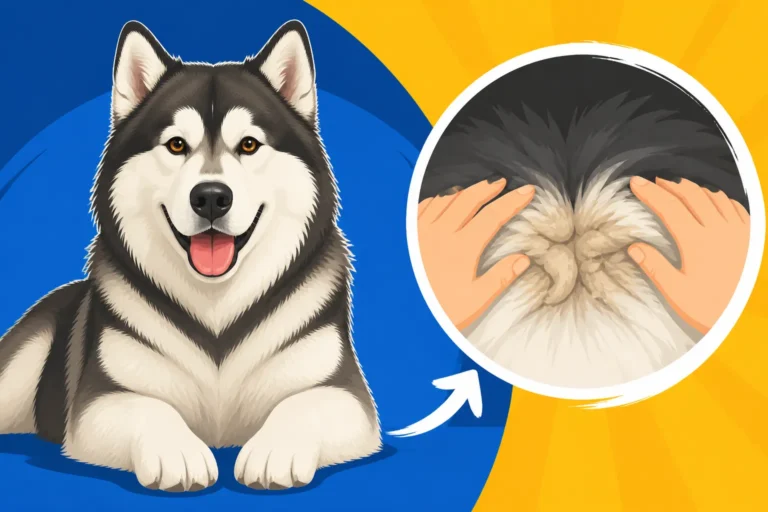
The Malamute's iconic double coat is truly magnificent, but it's often misunderstood in warmer environments. It consists of two distinct layers: a soft, dense, woolly undercoat that can be one to two inches thick, and a coarser, longer guard coat that protects the undercoat and sheds water and snow. In winter, this combination creates an insulating barrier that traps body heat, keeping them warm even in sub-zero temperatures. It's like wearing a top-of-the-line down jacket that's also waterproof.
However, this incredible insulation works both ways. While it keeps warmth in when it's cold, it also makes it incredibly difficult for heat to escape when it's warm. Unlike humans who sweat profusely through their skin, dogs primarily cool themselves by panting. The thick coat acts as a barrier, preventing air from circulating against their skin and limiting evaporative cooling. This means that even a light breeze or a fan struggles to penetrate that dense fur and reach their skin, making them far more susceptible to overheating than a single-coated breed.
Origins and Adaptation: Built for the Arctic
The Alaskan Malamute's lineage traces back to the Arctic, where temperatures rarely climb above freezing for long periods. They evolved in an environment where conserving heat was paramount for survival. Their compact body structure, short ears, and heavily plumed tail all contribute to reducing heat loss. Their feet are built to handle snow and ice, not scorching pavement. This deep-seated genetic predisposition means their bodies are simply not designed to dissipate heat efficiently in warmer climates. They don't just prefer cold; they need it to function optimally and avoid significant health risks.
Their metabolism, too, is geared towards efficiency in cold environments. They don't need as many calories as one might expect for a dog of their size, especially when not working strenuously, because their bodies are so good at converting food into sustained energy and heat. This efficient metabolism, while fantastic for endurance in the cold, further compounds their problems in heat, as their bodies are inherently less wasteful with energy, including energy that translates to heat. This is why The Efficient Metabolism That Surprises Every New Malamute Owner is such a crucial topic for new owners.
The Metabolism Myth: Less is More
There's a persistent myth that because Malamutes are large and active, they must require immense amounts of food. While they do need quality nutrition, their metabolism is incredibly efficient. This efficiency, honed over millennia in the Arctic, means they can extract more energy from less food, and they also generate less excess heat through metabolic processes compared to many other breeds. While this is great for winter sledding, it means that in warmer weather, owners need to be particularly careful not to overfeed them, as extra calories just add to their internal heat burden.
An overweight Malamute is at an even greater risk for heatstroke. That extra layer of fat acts as additional insulation, trapping even more heat within their body and making it harder for them to cool down. It's a vicious cycle where a heavier dog gets hotter faster and struggles more to recover. So, keeping your Malamute at a healthy, lean weight is not just about general health; it's a critical component of their heat management strategy. It's often surprising How Much an Adult Alaskan Malamute Should Eat because it's usually less than people expect for such a large dog.
Defining "Too Warm": Specific Temperature Thresholds for Indoors
It's tempting to think of temperature in a purely human context, but for your Malamute, the numbers mean something very different. What feels comfortable to you indoors might already be a struggle for them. Understanding these thresholds is vital for their health and happiness, especially if you live in a climate that experiences significant warm periods.
The Comfort Zone: Ideal Indoor Temperatures
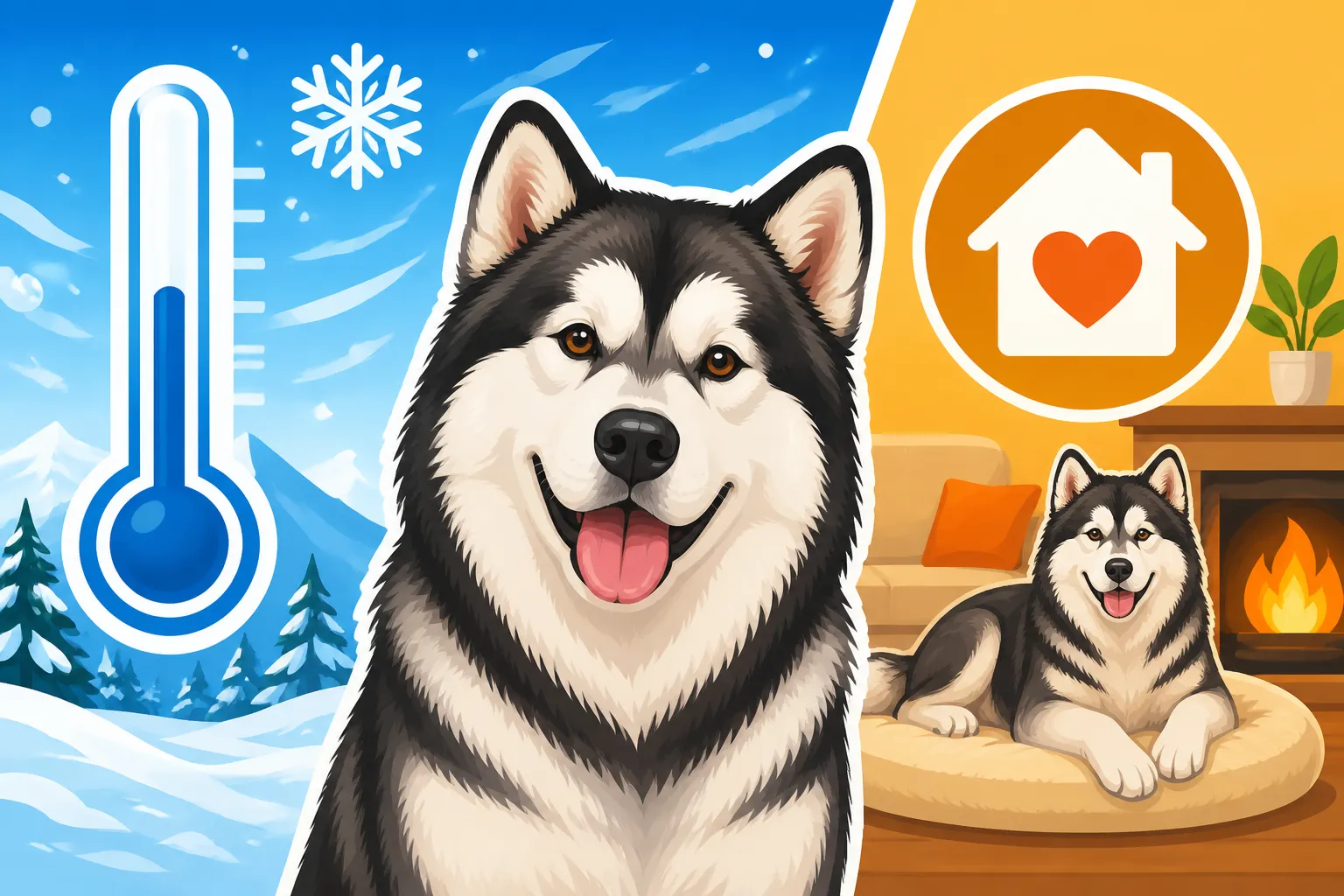
Generally speaking, an Alaskan Malamute is most comfortable in temperatures ranging from -20°F to 60°F (-29°C to 15°C). Yes, you read that right – below freezing is their happy place! When it comes to indoor living, it's virtually impossible for most homes to maintain temperatures that low. So, we aim for the upper end of their comfort range. For indoors, a temperature of 60-68°F (15-20°C) is generally considered ideal for a Malamute. This range allows them to relax without constantly working to cool themselves.
In this temperature range, you'll likely see your Malamute stretched out, perhaps on a cool tile floor, but not panting heavily or seeking out every cold surface in desperation. They'll be able to sleep soundly without waking up feeling overheated. This might feel chilly to you, requiring an extra sweater, but for them, it's akin to a pleasant spring day. Anything above this, and they start to expend more energy trying to regulate their body temperature, even if they're not yet in immediate danger.
When to Start Worrying: Upper Temperature Limits
As the indoor temperature creeps up, so does the risk. Once the indoor temperature hits 70°F (21°C) and climbs towards 75°F (24°C), your Malamute is likely starting to feel uncomfortably warm. You'll observe them panting more frequently, seeking out cool spots, and perhaps becoming less active. This isn't just about discomfort; prolonged exposure to even moderately warm temperatures can be stressful on their system.
Beyond 75°F (24°C), especially with high humidity, the risk of heatstroke becomes significantly higher. At this point, simply leaving a fan on might not be enough. Their body's ability to cool itself is severely challenged, and they can quickly go from uncomfortable to critically ill. Summer Is the Season That Kills Alaskan Malamutes for a reason, and it's not always direct sun exposure. Even inside a poorly cooled home, the ambient temperature can be lethal. It's during these times that you need to be actively monitoring them and taking aggressive cooling measures. Remember, for a Malamute, a slight increase in temperature for us can mean a significant struggle for them.
Individual Variations: Age, Health, and Activity Levels
It's important to remember that these are general guidelines, and individual Malamutes can have different tolerances. Factors like age, overall health, and current activity levels play a huge role.
A young, healthy Malamute puppy might tolerate slightly warmer temperatures for short periods, especially if they are actively playing and then resting. However, puppies also have less efficient thermoregulation initially, so they can overheat quickly if not watched. An older Malamute, or one with underlying health conditions like heart disease, obesity, or hypothyroidism, will be far more susceptible to heat stress. These dogs need cooler temperatures and extra vigilance. Similarly, a Malamute that has just engaged in strenuous activity, even indoors, will have a higher core body temperature and need cooler conditions to recover than one that has been lounging. This is why it’s not just the static thermostat reading, but the context of your dog’s day that matters most.
Here's a simple guide to indoor temperature considerations for your Malamute:
| Temperature Range (F/C) | Malamute's Comfort Level | Action Recommended |
|---|---|---|
| Below 60°F / 15°C | Ideal | No special action needed, enjoy the chill! |
| 60-68°F / 15-20°C | Comfortable | Good, but offer cool spots like tile/bed. |
| 69-74°F / 20-23°C | Mildly Uncomfortable | Monitor for panting; increase air movement; provide water and cool resting areas. |
| 75-79°F / 24-26°C | Concerning | Actively cool: AC on max, multiple fans, access to cooling mats, limit activity. Check for signs of overheating. |
| 80°F+ / 27°C+ | Dangerous | IMMEDIATE action needed. Seek cooler environment, emergency cooling measures. HIGH risk of heatstroke. |
Signs Your Malamute Is Overheating (and it's not always obvious)
Recognizing the signs of overheating early can literally be the difference between life and death for your Alaskan Malamute. Their thick coats and stoic nature can mask discomfort until it becomes an emergency. It's not just about heavy panting; there are often subtle clues that precede a full-blown crisis. Being vigilant and proactive is key to protecting your furry companion.
Subtle Clues: Early Warning Signs
Before the situation becomes critical, your Malamute will often give you hints that they are too warm. These early signs are crucial to catch. One of the first things you might notice is increased panting, even when they haven't been active. This isn't frantic, desperate panting yet, but it's more frequent and perhaps a bit deeper than usual. They might also start seeking out cold surfaces – the tile floor in the kitchen, a spot by the exterior door, or even trying to lie in the bathtub. This instinctive behavior is them trying to radiate heat away from their bodies.
You might also observe a decrease in their usual energy levels. A Malamute who is normally eager for a game or a walk might seem lethargic or uninterested. They may refuse food or water, or their gums might appear a darker red than their usual healthy pink. Some Malamutes might seem restless, unable to settle comfortably. Pay attention if their ears feel unusually warm to the touch. These are all signals that their internal temperature is starting to rise and they're working harder to cool down.
Urgent Symptoms: When to Act Immediately
When these subtle signs escalate, you're entering a danger zone, and immediate action is required. The panting will become very heavy, rapid, and distressed, often accompanied by a loud, raspy sound. They might start drooling excessively, with thick, ropey saliva. Their gums and tongue could turn a bright cherry red or even a greyish-blue if they're struggling to get enough oxygen. Their eyes may appear glazed or sunken, and they might seem disoriented or confused, bumping into furniture or stumbling.
At this stage, their body temperature is dangerously high, and organ damage can occur rapidly. They might vomit or have diarrhea, which further dehydrates them. In severe cases, they can collapse, have seizures, or lose consciousness. These are all clear indicators of severe heatstroke, a medical emergency that requires immediate veterinary intervention. Knowing Signs an Alaskan Malamute Is Too Hot is vital for any owner.
Beyond Body Temperature: Behavioral Changes
Beyond the physical symptoms, overheating can manifest in behavioral changes that are often overlooked. A Malamute under heat stress might become unusually anxious or agitated, pacing back and forth, or trying desperately to get outside to a cooler area. Conversely, some might become unusually quiet and withdrawn, hiding away in a corner, which can be just as concerning. They might seem less responsive to commands or even appear to ignore you entirely, not out of stubbornness, but because their body is in crisis mode.
Remember, Malamutes are incredibly tough and often mask pain or discomfort until it's very advanced. This means you need to be extra vigilant and trust your gut feeling. If your Malamute just isn't acting "right" on a warm day, assume it's heat-related and take steps to cool them down. Don't wait for the most severe symptoms to appear. Early intervention can save their life.
Creating a Cool Haven: Indoor Strategies to Beat the Heat
Even if you don't live in the Arctic, you can create an indoor environment that helps your Alaskan Malamute stay safe and comfortable during warmer periods. It takes a bit of planning and consistent effort, but these strategies are crucial for their well-being. Think of it as creating their own personal winter wonderland, even if it's just in a corner of your home.
Air Conditioning and Fan Placement
Air conditioning is your Malamute's best friend when temperatures climb. Keeping your home's ambient temperature in that ideal 60-68°F (15-20°C) range is paramount. If you're going to be out of the house, it's not a luxury to leave the AC on for your Malamute; it's a necessity. Turning it off to save a few dollars can have devastating consequences. The cost of What Cooling a House for a Malamute Costs in Summer is negligible compared to a vet emergency bill for heatstroke.
Beyond central air, strategic use of fans can significantly improve air circulation and provide some evaporative cooling. Place floor fans where your Malamute likes to rest, but ensure they are not directly blowing hot air onto them, which would be counterproductive. Aim for cross-ventilation. Ceiling fans are also excellent for circulating air throughout a room. Remember that a fan primarily helps by moving air over a dog's fur, which aids in evaporation if they're panting, but it's not as effective as true air conditioning because their dense coat acts as a barrier.
Cooling Accessories and Resources
There's a whole world of cooling accessories designed to help dogs like Malamutes. Cooling mats, often filled with gel that activates under pressure, can provide a wonderfully refreshing spot for your dog to lie down. Brands like Green Pet Shop or K&H Pet Products offer these, and you can often find a good selection on Chewy or Amazon. Make sure it's durable and won't be chewed through. Elevated dog beds, which allow air to circulate underneath, are another excellent option, especially if your Malamute usually sleeps on a solid surface.
Frozen treats are also fantastic. You can freeze Kongs stuffed with wet food, peanut butter, or yogurt. Ice cubes in their water bowl or even a dedicated "ice bucket" can encourage them to drink more, which is crucial for hydration. Some owners even use cooling bandanas or vests, which you soak in cold water and wring out, to help lower their core temperature. Just be careful that these items don't trap more heat than they dissipate, especially if they are not truly wet and evaporative.
Scheduling and Activity Adjustments
In warm weather, your Malamute's daily routine needs a serious overhaul. Forget midday walks or strenuous play sessions. All exercise should be limited to the very early morning or late evening hours when temperatures are at their lowest. Even then, keep it short and monitor your dog closely. If it's too hot for you to walk barefoot on the pavement, it's too hot for your Malamute's paws. Pavement burns an Alaskan Malamute's pads very easily.
Indoors, replace high-energy games with mental stimulation. Puzzle toys, training sessions with new tricks, or scent work can tire them out mentally without raising their body temperature. This helps keep them engaged and prevents boredom that might lead to destructive behaviors, which can often occur when their physical needs aren't met due to heat restrictions. Remember, What an Alaskan Malamute Needs Every Day isn't always about running miles; sometimes it's about thoughtful engagement.
Outdoor Considerations: When Indoor Isn't Enough
While indoor cooling strategies are critical, your Malamute will still need to go outside for potty breaks and, ideally, some exercise. Navigating the outdoors in warm weather requires extreme caution and a deep understanding of their vulnerabilities. Never underestimate the speed at which a Malamute can overheat outdoors.
Hot Pavement and Morning/Evening Walks
The ground temperature can be significantly hotter than the air temperature, especially asphalt and concrete. On a 77°F (25°C) day, asphalt can reach a scorching 125°F (52°C), hot enough to cause burns to human skin in just 60 seconds. Imagine what that does to your Malamute's paw pads, which are designed for snow and ice! Always test the pavement with the back of your hand; if you can't hold it there for five seconds, it's too hot for your dog.
Limit walks to the coolest parts of the day – dawn or dusk. Even then, choose grassy or shaded routes. Consider dog booties if you absolutely must walk on warmer surfaces, but remember they don't protect against overall body overheating. Keep walks short and focused on potty breaks. Prolonged exposure, even on grass, can still lead to overheating. Always carry water for your Malamute on walks, no matter how short.
Water Activities and Shade
Water can be a Malamute's salvation in hot weather, but it must be managed safely. Many Malamutes love to play in shallow water or a kiddie pool. This allows them to cool their paws and belly, which helps lower their core temperature. However, not all Malamutes are natural swimmers, and their dense coat can become waterlogged and heavy, making swimming difficult and potentially dangerous. Always supervise them closely around water and never force them into it.
Access to shade is non-negotiable outdoors. If your Malamute spends any time outside, they must have constant access to a shaded area, whether from trees, an awning, or a purpose-built structure. A shaded area can be dramatically cooler than direct sunlight. Never leave your Malamute tethered in the sun, even for a moment. This is a recipe for disaster.
Travel and Vehicle Safety
Leaving a Malamute in a parked car, even with windows cracked, is absolutely lethal. The interior temperature of a car can rise by 20 degrees Fahrenheit in just 10 minutes, and cracking windows offers minimal relief. On an 80°F (27°C) day, the inside of a car can reach 100°F (38°C) in 10 minutes, and 120°F (49°C) in 30 minutes. This is why Heat Kills More Malamutes Than Disease.
If you must travel with your Malamute in warm weather, ensure your vehicle's air conditioning is fully functional and directed towards them. Schedule travel for the coolest parts of the day. Carry plenty of water and ice. For longer trips, plan frequent stops in shaded areas where your Malamute can stretch, hydrate, and cool down outside the car. If your Malamute is prone to car sickness, ensure they're not getting overheated, as this can exacerbate their discomfort.
Long-Term Health and Lifestyle for a Heat-Sensitive Breed
Caring for an Alaskan Malamute in anything but a consistently cold climate requires a commitment to a specific lifestyle and ongoing health management. It’s not just about crisis management; it’s about making long-term choices that support their unique physiology.
Diet and Hydration in Warmer Climates
Proper nutrition and hydration are always important, but they become critical for a heat-sensitive breed. Ensure your Malamute always has access to fresh, cool water, especially in warmer months. Consider adding ice cubes to their bowl to keep it appealing. Some owners even use pet water fountains to encourage more drinking.
When it comes to food, Malamutes have an incredibly efficient metabolism. They often eat less than you'd expect for their size, especially if they're not actively working or in very cold temperatures. Overfeeding can lead to obesity, which significantly increases their risk of overheating. Pay attention to how much it eats (Why an Alaskan Malamute Eats Less Than Expected). You might even notice your Malamute skipping meals on hot days, which is their natural way of reducing metabolic heat. High-quality kibble from brands like Royal Canin or Pro Plan is great, or you could explore fresh food options like Ollie, which often have higher moisture content. Just ensure any dietary changes are made gradually and with vet consultation.
Grooming for Heat Management (and what not to do)
Grooming is essential, but there's a huge misconception about shaving a Malamute for summer. Never, ever shave your Alaskan Malamute. Their double coat is designed to protect them from both cold and heat. The undercoat provides insulation, and the guard hairs protect against sun and insects. Shaving them removes this natural protection, exposing their delicate skin to harmful UV rays (leading to sunburn and skin cancer) and making them less able to regulate their temperature. Why an Alaskan Malamute Must Never Be Shaved is a message every owner needs to hear.
Instead of shaving, focus on regular and thorough brushing, especially during their bi-annual "coat blow" when they shed enormous amounts of undercoat. Using a good undercoat rake can remove dead fur, which improves air circulation closer to the skin and helps them feel cooler. A clean, well-groomed coat functions better than a matted, unbrushed one. Regular brushing helps prevent matting, which can trap heat and lead to skin infections. The Malamute Coat Blow That Fills a Vacuum in an Afternoon is no exaggeration, so be prepared with the right tools.
Vet Check-ups and Heat-Related Conditions
Regular veterinary check-ups are crucial for early detection of any underlying health conditions that could exacerbate heat intolerance. Your vet can assess your Malamute's overall health, weight, and discuss specific strategies for managing heat in your local climate. They might also suggest specific supplements or dietary adjustments.
Be aware of heat-related conditions beyond immediate heatstroke. Prolonged exposure to even moderate heat can lead to chronic stress on their cardiovascular system, affecting heart and lung health. A Malamute's Skin Smells When Infected is something to watch for, as humid heat can also make them prone to skin issues or hot spots under their dense fur if not properly cared for. Always discuss any concerns about your Malamute's ability to cope with heat with your veterinarian. Being proactive and informed is the best way to ensure your magnificent Malamute lives a long, healthy, and comfortable life, no matter the season.
Disclaimer
This article is for general informational purposes only and does not constitute professional advice. Laws, prices and regulations vary by location and change over time. Consult a qualified professional for guidance on your specific situation.