Why an Alaskan Malamute Barely Smells
It’s a common pet parent lament: that distinct, often overpowering "dog smell" that seems to permeate everything, from the couch to your clothes. Many dog owners resign themselves to a constant battle against canine odors, scheduling frequent baths and investing in every deodorizing spray imaginable. But for those of us lucky enough to share our lives with an Alaskan Malamute, there's often a surprising lack of this typical doggie funk, and it’s a truly fascinating aspect of their unique physiology. This guide will dive deep into why these magnificent dogs often defy the stinky dog stereotype.
The Evolutionary Advantage of a Low-Odor Coat
The Alaskan Malamute is a breed forged in the unforgiving Arctic. Their physical characteristics, from their powerful build to their dense double coat, are all finely tuned adaptations for survival and work in extreme cold. This isn't just about looking majestic; it's about pure, unadulterated functionality, and that includes their remarkably low odor.
A Double Coat Designed for Harsh Environments
Imagine living and working in sub-zero temperatures, often for days or weeks at a time, without the luxury of a shower. You'd want a coat that could withstand everything, wouldn't you? That's precisely what a Malamute has. Their coat isn't merely thick; it's a marvel of natural engineering, consisting of two distinct layers: a coarse, water-repellent outer guard coat and a dense, woolly undercoat.
The guard hairs are tough and slightly oily, acting like a natural shield. They shed dirt, snow, and moisture incredibly effectively. When a Malamute rolls in mud or snow, much of it simply brushes off once dry. This outer layer also creates a barrier, preventing much of the environmental grime from even reaching their skin. Beneath this, the undercoat is incredibly insulating, trapping air and keeping the dog warm. This combination means that their skin is largely protected from external elements that might contribute to odor, and the coat itself is designed to stay cleaner, longer. It's truly a testament to nature's design that this dual-layer system not only protects them from the cold but also from developing that pervasive "wet dog" smell or general mustiness that plagues many other breeds.
Self-Cleaning Nature and Natural Oils
Beyond the physical structure, Malamutes possess an almost "self-cleaning" quality. Their coats tend to release dirt and debris rather than holding onto it. Have you ever seen a Malamute shake off? It’s not just to dry off; it’s an effective way to dislodge loose hair and trapped dirt. This natural shedding process, especially during their famous "coat blows," helps to constantly refresh the coat and prevent accumulation of odor-causing elements.
Unlike some breeds that have very oily skin which can contribute to a strong, distinctive scent, Malamutes generally have healthier, less oily skin. Their skin produces just enough natural oils to keep the coat healthy and water-resistant, without leading to excessive greasiness that can trap bacteria and dirt, thus generating odor. Think of it like a perfectly balanced self-care routine, honed over centuries without any human intervention. When you combine this with their typical grooming habits – they often keep themselves quite tidy, much like cats – it becomes clear why they maintain a generally neutral scent profile.
Lifestyle and Environment as Factors
It's also crucial to consider the historical lifestyle of the Alaskan Malamute. These dogs were bred for rigorous outdoor work in cold, dry climates. Their bodies, including their skin and coat, evolved in an environment where moisture was often frozen, and constant exposure to fresh, cold air kept things naturally clean. They weren't lounging on carpets in heated homes all day.
While most modern Malamutes now live indoors, their genetic predisposition for low odor persists. However, their environment still plays a role. A Malamute living in a high-humidity area, or spending a lot of time in damp conditions, might develop more of a scent than one living in a dry climate. Similarly, a Malamute with a job that involves rolling in questionable things will naturally pick up odors. But even then, many owners report that these external smells don't seem to "stick" to the Malamute's coat with the same tenacity as they might to a Labrador's or a Hound's. This is part of the magic of their Arctic heritage. The Mahlemut of Kotzebue Sound Bred the Alaskan Malamute specifically for this kind of rigorous, outdoor existence, where efficiency in all aspects, including coat maintenance, was paramount.
What Contributes to a Dog's Scent (and Why Malamutes Differ)
To truly appreciate the Malamute's lack of odor, it helps to understand why other dogs often smell. Odor in dogs is typically a complex mix of factors, stemming from skin health, diet, and hygiene, among other things. Malamutes, due to their unique physiology and genetics, often bypass many of these common odor culprits.
Skin Health and Oil Production
Many dog breeds are prone to skin issues, which can be a primary source of odor. Dogs with folds of skin, allergies, or an overproduction of sebaceous oils often develop bacterial or yeast infections on their skin, leading to a distinct, often yeasty or pungent smell. Breeds like Basset Hounds, Bulldogs, or Cocker Spaniels, for example, are known for their propensity for skin folds or oilier coats that can trap moisture and microbes.
Malamutes, generally, have a healthy skin barrier and balanced oil production. Their skin is not excessively oily, nor is it typically prone to the deep folds where moisture and bacteria can fester. This robust skin health means they are less likely to develop the chronic skin infections that often lead to bad smells. Of course, this isn't to say a Malamute can't get skin problems – even they can suffer from issues like Zinc Responsive Dermatosis in an Alaskan Malamute, which can cause skin lesions and secondary infections that lead to odor. But in a healthy Malamute, their skin is largely a non-contributor to pervasive dog smell.
Diet and Its Role in Overall Odor
What a dog eats profoundly impacts their overall health, including the health of their skin and coat, and consequently, their smell. A diet lacking in essential nutrients, or one that triggers sensitivities, can manifest as dull, flaky, or excessively oily skin, which can become a breeding ground for odor-causing bacteria. Poor quality ingredients, fillers, or allergens can also lead to digestive upset, flatulence, and even bad breath, all contributing to an unpleasant general aroma.
Malamutes, with their efficient metabolism, often require specific dietary considerations. The Efficient Metabolism That Surprises Every New Malamute Owner often means they eat less than you'd expect for their size, but the quality of that food is paramount. A well-balanced diet rich in high-quality proteins, healthy fats (like omega-3s), and appropriate vitamins and minerals supports a healthy skin barrier and a low-odor coat. When fed a species-appropriate, high-quality diet, a Malamute's internal systems work optimally, minimizing external signs of dietary stress like a smelly coat or skin. Conversely, a poor diet can compromise even a Malamute's naturally robust skin and coat health, leading to issues.
Anal Glands, Ears, and Dental Hygiene
While a Malamute's coat might be miraculously fresh, other parts of any dog's anatomy can still be sources of strong odors if neglected. Anal glands, for example, can become impacted or infected, releasing a potent, fishy smell. Similarly, ear infections, often characterized by a yeasty or putrid odor, are unfortunately common in many breeds, and can certainly affect Malamutes if not addressed. Dental hygiene is another huge factor; bad breath (halitosis) from plaque, tartar, and gum disease is a prevalent issue in dogs and can make any close encounter unpleasant.
It's important to remember that a Malamute's "low odor" primarily refers to their coat and general body scent. They are not immune to these other common sources of bad smells. Regular checks of their ears, consistent dental care (brushing, dental chews, or professional cleanings), and awareness of anal gland issues are just as important for a Malamute as for any other dog. Even a wonderfully fresh-smelling Malamute coat can't mask the overpowering stench of an infected ear or severe dental disease. What an Alaskan Malamute Needs Every Day often includes these fundamental care practices.
Maintaining a Malamute's Natural Freshness (Without Overdoing It)
Given their naturally low-odor coats, the key to keeping a Malamute smelling fresh isn't aggressive bathing or perfuming, but rather consistent, appropriate care that respects their unique coat structure and natural physiology. Sometimes, less truly is more when it comes to grooming these dogs.
The Art of Brushing: Beyond Just Shedding
Brushing is probably the single most important grooming activity for an Alaskan Malamute, and it does far more than just manage shedding. Regular, thorough brushing, especially during their notorious "coat blows," helps to remove dead hair, dander, and trapped dirt that could otherwise become a source of odor. It also distributes natural oils evenly through the coat, promoting healthy skin and a clean, fresh scent.
You'll need the right tools for this job. A good quality undercoat rake and a pin brush are indispensable. During a coat blow, which can be intense, you might find yourself filling a vacuum cleaner in an afternoon! The Malamute Coat Blow That Fills a Vacuum in an Afternoon is a real phenomenon. Aim for at least 2-3 times a week, and daily during seasonal shedding. Pay close attention to areas where mats or tangles might form, like behind the ears or under the legs, as matted fur can trap moisture and dirt, leading to skin irritation and odor. Think of brushing as their natural dry cleaning process.
Bathing Practices for the Alaskan Malamute
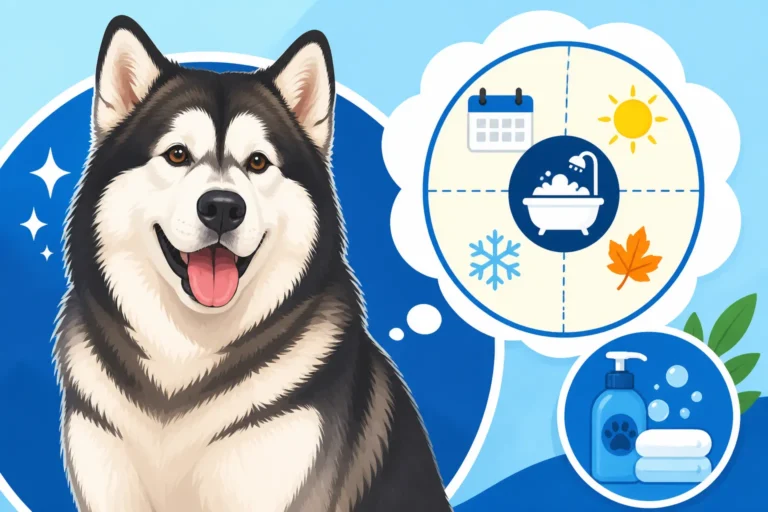
This is where many new Malamute owners are surprised. Unlike some breeds that require weekly or bi-weekly baths, frequent bathing can actually be detrimental to a Malamute's coat and skin. Over-bathing strips the natural oils that contribute to their coat's water repellency and health, potentially leading to dry, irritated skin, and ironically, more odor in the long run as the skin overproduces oils to compensate.
Most Malamutes only need a bath a few times a year, or when they've genuinely rolled in something truly foul. If your Malamute is regularly brushed, their coat tends to stay remarkably clean. When you do bathe them, use a good quality dog shampoo specifically formulated for double coats or sensitive skin, and ensure you rinse thoroughly. Leaving shampoo residue behind can irritate the skin and attract dirt. Use a powerful dryer, preferably a force dryer, to ensure their dense undercoat is completely dry, preventing mildewy smells and potential skin issues. How Often an Alaskan Malamute Should Be Bathed highlights this crucial balance.
Mindful Diet Choices for Skin and Coat Health
As we discussed, diet plays a significant role in skin and coat health. Providing your Malamute with a high-quality, balanced diet is fundamental to maintaining their natural freshness from the inside out. Look for foods with real meat as the first ingredient, healthy fats like salmon oil or flaxseed, and digestible carbohydrates.
Many reputable brands offer excellent options. For instance, you can find a wide variety of high-quality kibble or even fresh-food options on platforms like Chewy or subscribe to services like Ollie that deliver tailored meal plans. If you're considering supplements to further support skin and coat health, such as omega-3 fatty acids, these are readily available through retailers like Amazon. Always introduce new foods or supplements gradually and consult with your vet, especially if your Malamute has specific sensitivities. A healthy gut and a well-nourished body are the foundation for a healthy, odor-free coat.
Environmental Factors and Odor Control
Even the cleanest Malamute can pick up ambient smells from their environment. Regularly cleaning your home, especially areas where your Malamute spends a lot of time, can help. This includes vacuuming pet hair (which Malamutes produce in abundance!) and washing pet bedding regularly. Good ventilation in your home can also make a big difference, preventing stale air and trapped odors.
Consider the humidity levels in your home. While Malamutes are adapted to cold, dry air, prolonged exposure to high humidity, especially after being wet, can encourage bacterial or fungal growth on their coat, leading to a smell. Ensuring they dry thoroughly after a swim or a rainy walk is crucial. Providing a clean, dry sleeping area will also prevent absorbed odors. Even simple things like keeping their water bowl clean can contribute to overall freshness!
When a Malamute Does Smell: Red Flags to Watch For
While Alaskan Malamutes are known for their low odor, it's not a foolproof guarantee. If your usually fresh-smelling Malamute suddenly starts to develop a noticeable or unpleasant odor, it’s a strong indicator that something is amiss. This isn't just about a "dog smell"; it's a sign that you should investigate further, as it often points to an underlying health issue or a significant environmental factor.
Medical Conditions Manifesting as Odor
A sudden or persistent bad odor is often your Malamute’s way of telling you they’re not feeling well. Here are some common medical culprits:
- Skin Infections: Bacterial or yeast infections of the skin can produce a distinct, often yeasty, cheesy, or pungent smell. These can arise from allergies, flea infestations, hormonal imbalances (like Whether a Malamute Gets Hypothyroidism), or immune system issues. Look for redness, scratching, hair loss, or crusty patches, especially on the muzzle, ears, armpits, or groin. Reading a Malamute's Skin Before the Crusts Appear is a good preventative measure.
- Ear Infections: A very common source of foul odor, ear infections can be bacterial, fungal (yeast), or parasitic. You might notice a strong, sweetish, or rotten smell coming from the ears, along with head shaking, scratching at the ears, redness, or discharge.
- Dental Disease: As mentioned earlier, poor oral hygiene leads to plaque and tartar buildup, which harbors bacteria and causes severe bad breath. This isn't just unpleasant; it can lead to more serious health problems.
- Anal Gland Issues: Impacted, infected, or ruptured anal glands release an extremely potent, fishy smell. Dogs will often scoot their bottoms on the floor, lick excessively at the area, or strain to defecate.
- Urinary Tract Infections (UTIs): While less common to cause a general body odor, a UTI can make urine smell particularly strong, and if your Malamute has an accident or licks themselves frequently, this can contribute to an overall bad scent.
- Specific Malamute Conditions: Even conditions like Zinc Responsive Dermatosis in an Alaskan Malamute can, if severe and left untreated, lead to skin breakdown and secondary bacterial infections that produce a foul odor. Always be vigilant for changes in their skin or coat.
If you suspect any of these conditions, a visit to your veterinarian is crucial. They can accurately diagnose the problem and prescribe appropriate treatment, restoring your Malamute to their naturally fresh state.
Diet-Related Issues and Digestive Upset
Sometimes, the culprit isn't a direct infection but something internal, like their diet or digestive health. A sudden change in diet, or feeding a food that doesn't agree with your Malamute, can cause digestive upset leading to excessive flatulence or unusually smelly feces, which can then cling to their coat, especially around the rear.
Furthermore, some dietary sensitivities or allergies can manifest as skin irritation, which, as discussed, can lead to secondary infections and odor. If your Malamute’s diet isn’t supporting a healthy gut and skin barrier, you might notice a dull coat, flakiness, or a general lack of that signature clean smell. This is another reason why choosing high-quality, easily digestible food is so important for these dogs, whose efficient metabolism means every nutrient counts.
External Factors: Skunk Encounters and Environmental Contaminants
Finally, sometimes the odor has nothing to do with your Malamute's health, but rather an unfortunate external encounter. The most obvious, of course, is a run-in with a skunk – a smell no dog's natural coat can repel! Other environmental contaminants, like rolling in something particularly noxious on a walk (think rotting animals or foul mud), can also temporarily make your Malamute quite stinky.
Even with their "self-cleaning" coat, truly potent external odors will require intervention. For skunk odors, commercial skunk-removing shampoos or a homemade solution (hydrogen peroxide, baking soda, and dish soap) are often necessary. For other external filth, a thorough bath with a good dog shampoo should suffice. The key here is that these are external issues, not intrinsic to the Malamute’s natural body odor, and once the contaminant is removed, their natural freshness should return.
| Source of Odor | Common Dog Breeds Affected | Why Malamutes Are Different/Less Affected | How to Mitigate |
|---|---|---|---|
| Skin/Coat | Oily breeds, breeds with skin folds, allergies | Balanced oil production, robust double coat repels dirt & moisture, healthy skin | Regular brushing, infrequent bathing, high-quality diet, vet for skin issues |
| Ears | Floppy-eared breeds, allergy-prone breeds | No inherent difference, but often cleaner due to overall good health | Routine ear checks & cleaning, vet for infections |
| Mouth/Teeth | Small breeds, breeds prone to dental disease | No inherent difference; dental hygiene still crucial for all dogs | Regular dental brushing, dental chews, professional cleanings |
| Anal Glands | Small breeds, breeds with soft stools | No inherent difference; can affect any dog with digestive issues | Consistent, firm stools through good diet; vet for impaction/infection |
| Digestive Issues | Breeds with sensitive stomachs, food allergies | Efficient metabolism can be sensitive to poor quality food, but generally robust | High-quality, appropriate diet; gradual food changes |
| External Contaminants | All breeds | Natural coat repels some dirt, but strong odors still require cleaning | Avoidance, immediate appropriate bathing/cleaning |
Disclaimer
This article is for general informational purposes only and does not constitute professional advice. Laws, prices and regulations vary by location and change over time. Consult a qualified professional for guidance on your specific situation.