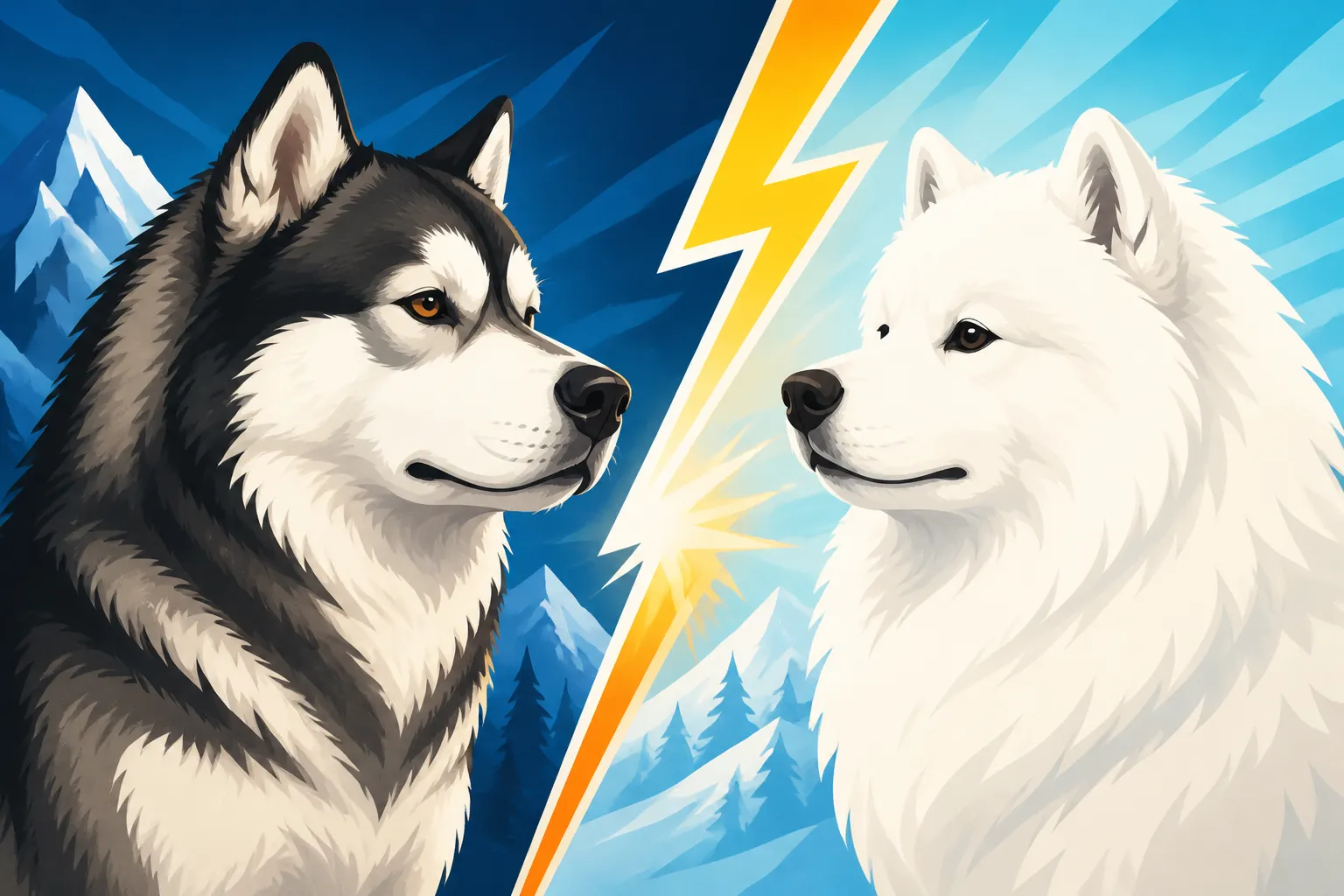
The Alaskan Malamute Against a Samoyed
It's easy to look at two beautiful, fluffy, northern breeds and think they're cut from the same cloth, or worse, mistakenly believe they are interchangeable. Many first-time owners of spitz-type dogs find themselves drawn to the majestic appearance of both the Alaskan Malamute and the Samoyed, without fully grasping the deep, historical differences that shape their very distinct personalities and needs. This guide will walk you through the nuanced distinctions between these two magnificent breeds, helping you understand which one might truly be the right fit for your home and lifestyle.
Origins and Purpose: Understanding Their Roots
To truly appreciate the differences between an Alaskan Malamute and a Samoyed, you have to go back to their ancestral homes and the very specific jobs they were bred to do. These aren't just pretty faces; their entire being, from their physical build to their innate instincts, is a product of centuries of purposeful breeding in challenging environments. Understanding their history is the first step in understanding the dog standing before you.
The Malamute's Freight Hauling Legacy
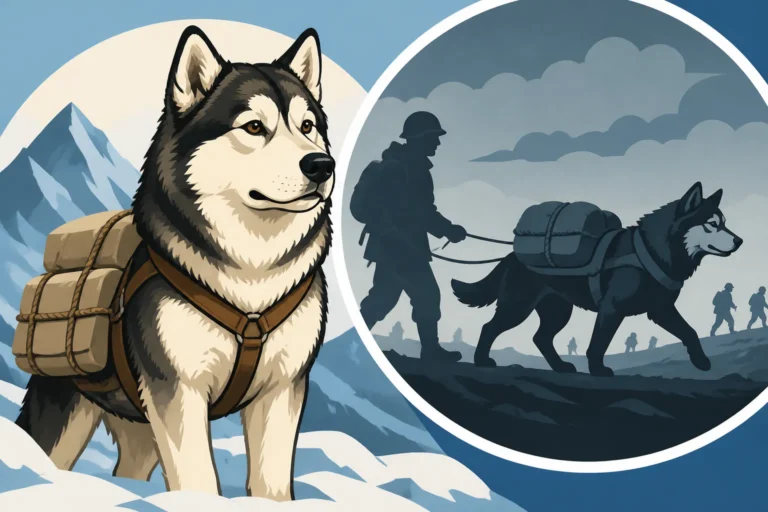
The Alaskan Malamute hails from the Arctic regions of Alaska, specifically among the Mahlemut Inuit people of Kotzebue Sound. Their existence was intrinsically linked to survival in one of the harshest climates on Earth. These dogs were not bred for speed in racing, but for immense strength and endurance. Their primary role was to haul heavy freight over long distances, often through deep snow and treacherous terrain. Imagine an entire village's supplies, food, and even shelter needing to be moved from one place to another – that was the Malamute's job, day in and day out. They were literally beasts of burden, essential to human life in the Arctic.
This demanding history means that the Malamute developed a robust, powerful build and a strong, independent nature. They needed to make decisions on their own, often without direct human command, to navigate dangerous conditions. This self-reliance translates into a dog that is intelligent and capable, but also one that often thinks for itself rather than always seeking to please. They are not dogs that can be left idle; their bodies and minds crave purposeful work. If you're curious about their specific heritage, you can delve deeper into The Mahlemut of Kotzebue Sound Bred the Alaskan Malamute. Their powerful build means they are adept at their ancestral job, and if you want to understand how much they can handle, it's worth exploring How Much Weight a Malamute Can Pull.
The Samoyed's Herding and Companion Role
In contrast, the Samoyed originates from the nomadic Samoyedic peoples of Siberia. While they also lived in a cold, unforgiving environment, their primary tasks were quite different from the Malamute's. Samoyeds were multi-purpose dogs: they herded reindeer, guarded their owners and their herds from predators, and most uniquely, they were cherished companions. These dogs often slept inside the tents with their families, providing warmth and companionship in the frigid nights. This close interaction with humans forged a bond and a temperament distinct from the more independently working Malamute.
Their herding instincts gave them a keen intelligence and a desire to work cooperatively with humans, guiding and protecting livestock. Their role as guardians meant they were alert and vocal, ready to warn of intruders, whether human or animal. The close companionship they provided within the family tent led to their famously affectionate and people-oriented nature. While they are strong and athletic, their build is generally more agile and less heavy-boned than a Malamute, reflecting their different working demands.
Appearance: More Than Just White Fluff
At a glance, both breeds share that characteristic thick, double coat and powerful presence associated with northern dogs. But look closer, and you'll find significant differences in their build, facial expressions, and overall demeanor that are direct reflections of their distinct histories. It's not just about color; it's about form following function.
Size, Stature, and the Malamute's Robust Build
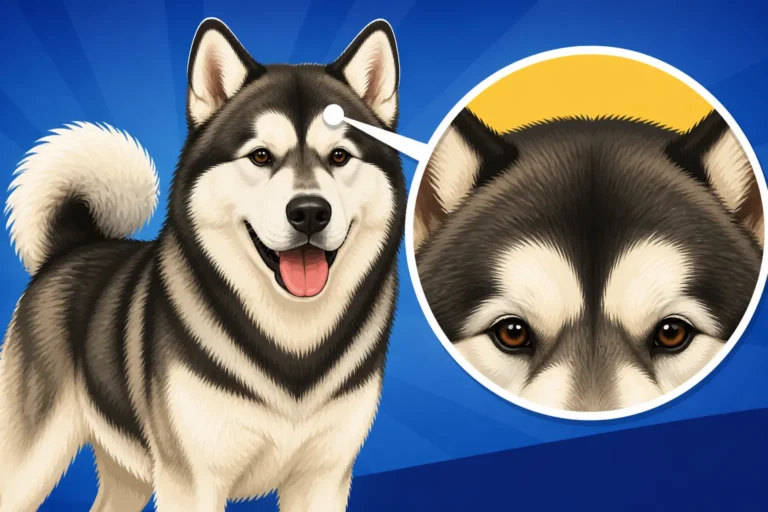
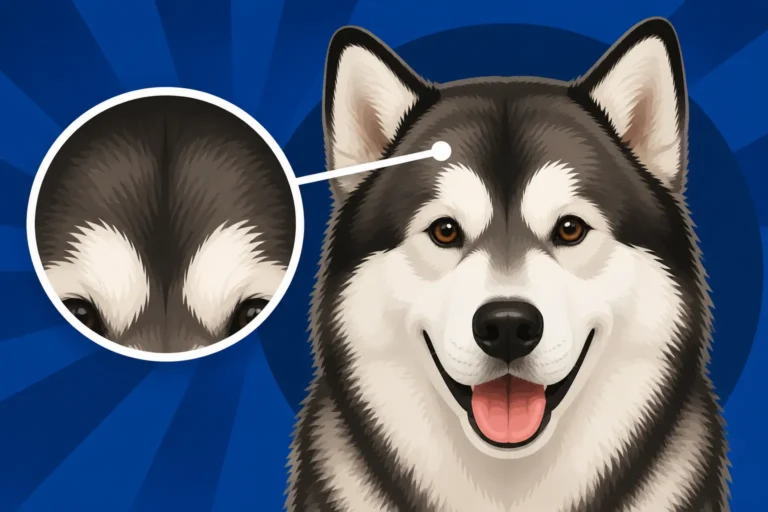
The Alaskan Malamute is, first and foremost, a powerful, substantial dog. They are built for strength and endurance. Males typically stand between 23 to 25 inches at the shoulder and can weigh anywhere from 75 to 85 pounds, sometimes more, while females are slightly smaller but still very robust. Their frame is deep-chested, heavily boned, and muscular, designed to pull heavy loads for miles without tiring. You can learn more about What an Alaskan Malamute Actually Weighs to appreciate their impressive physicality. Their heads are broad and strong, with a slightly softer expression than some other spitz breeds, but still commanding.
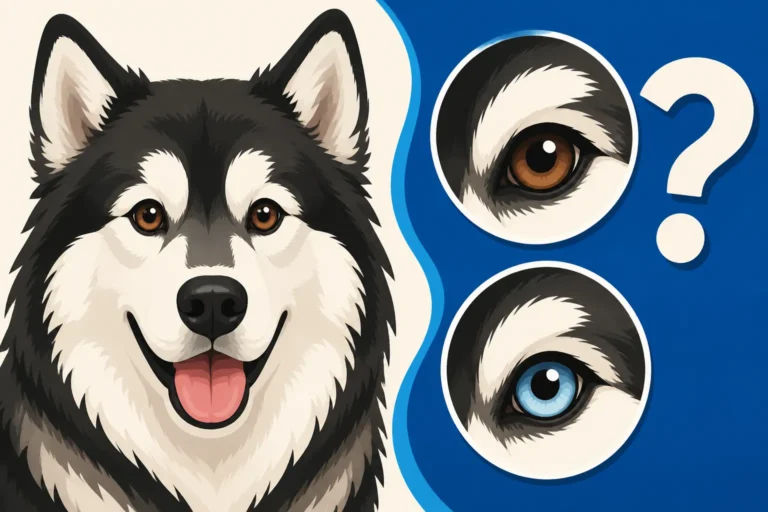
Their coats come in a variety of colors, from light gray to black, often with white markings on the underbelly, legs, and face. Solid white Malamutes also exist, but they are never truly pure white, always carrying a cream or ivory undertone. Their eyes are always brown, and any blue eyes are considered a serious fault, suggesting a potential outcross in their lineage. This is such a critical breed characteristic that understanding Why a Malamute Should Never Have Blue Eyes is paramount for any enthusiast or prospective owner. The overall impression of a Malamute is one of immense power, dignity, and purpose.
The Samoyed's "Smiling" Demeanor and Elegant Frame
The Samoyed, while also a powerful dog, presents a more elegant and agile silhouette compared to the Malamute. Males typically stand 21 to 23.5 inches at the shoulder and weigh between 45 to 65 pounds, with females being slightly smaller. They are lighter-boned and built for speed and agility, allowing them to herd reindeer effectively over various terrains. Their most distinctive feature is arguably their "Samoyed smile," created by the upward curve of their lips, which often gives them a perpetually happy and friendly expression.
Their coat is almost always a pristine white, sometimes with biscuit or cream markings, but pure white is the ideal. This brilliant white coat served a practical purpose in their native lands, helping them blend into snow-covered landscapes when guarding herds. Samoyeds always have dark brown or black eyes, and like the Malamute, blue eyes are not typical of the breed and would be a strong indicator of mixed ancestry. The Samoyed's overall appearance is one of grace, alertness, and joyful friendliness, a stark contrast to the Malamute's more stoic and powerful presence.
Temperament and Personality: Beneath the Fluffy Exterior
Here's where the rubber truly meets the road, and where many aspiring owners find themselves surprised. Both breeds are intelligent, but their historical roles have sculpted vastly different approaches to life, training, and interaction with their human families and other animals. Don't let the fluff fool you into thinking their personalities are the same.
The Independent and Strong-Willed Malamute
The Alaskan Malamute is often described as an independent, intelligent, and strong-willed dog. They are pack animals by nature and need a firm, consistent leader. They respect authority that is earned through fair and consistent training, not through harsh methods. Because they were bred to make decisions for themselves when pulling heavy loads, they often have their own ideas about what they want to do. This isn't stubbornness, exactly, but rather an innate self-reliance that can be frustrating for a novice owner expecting eager obedience. A Malamute might know exactly what you're asking, but may choose to evaluate if your request aligns with their current agenda. This independent streak is why many experienced owners will tell you that Why an Alaskan Malamute Will Never Have a Reliable Recall is a common reality – they're explorers at heart and easily distracted by interesting scents or sights.
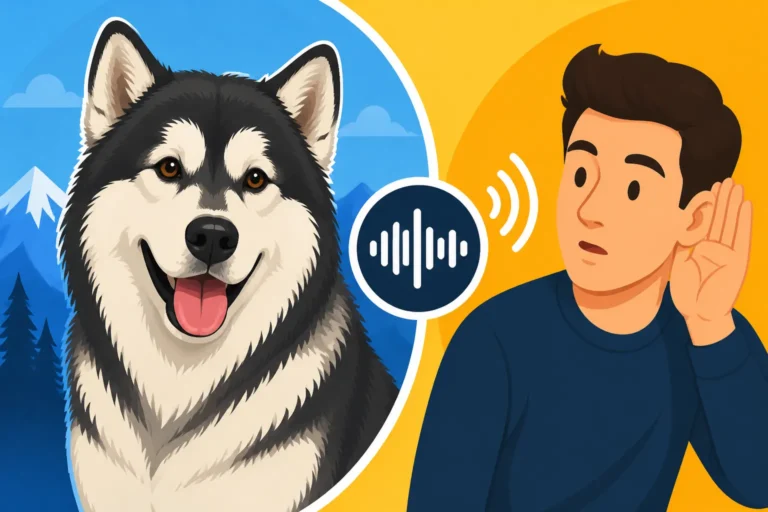
Malamutes are generally very affectionate with their own families, often described as "big teddy bears" who love to lean on you or sprawl out nearby. However, they are not typically "velcro dogs" and appreciate their personal space. They can be good with children they are raised with, but their size and boisterous play style require supervision. With other dogs, especially those of the same sex, Malamutes can display territoriality or dominance, an echo of their pack heritage. Socialization from a young age is absolutely critical. They are also known for their distinctive vocalizations, a series of "woos" and howls rather than frequent barking, which makes understanding Why a Malamute Wooes Instead of Barking quite fascinating for new owners.
The Affectionate and Vocal Samoyed
The Samoyed, with its perpetual smile, typically lives up to its cheerful appearance. They are known for being outgoing, friendly, and deeply devoted to their families. Their history as close companions meant they thrived on human interaction and developed a cooperative nature. Samoyeds generally aim to please and are more responsive to training than Malamutes, though they still possess a northern breed intelligence that requires engaging methods. They are known for being excellent family dogs, typically gentle and playful with children, though their enthusiastic greetings and medium size still warrant supervision with very young ones.
Unlike the more independent Malamute, Samoyeds are often described as "shadows" who want to be involved in all family activities. They are highly social and can become destructive or vocal if left alone for extended periods, suffering from separation anxiety. Samoyeds are also considerably more vocal than Malamutes, known for their frequent barking, howling, and yodeling, which they use to communicate their feelings and alert their families. This can be charming for some, but a significant challenge for others, especially in close living quarters. They generally get along well with other dogs, given proper socialization, and their herding background can make them curious about small animals, but usually not with the intense predatory drive of a Malamute.
Exercise and Training Needs: Built for Different Lifestyles
Both the Alaskan Malamute and the Samoyed require substantial exercise and mental stimulation to be happy and well-adjusted. However, the type and intensity of that engagement differ, reflecting their historical purposes. Mistaking one breed's needs for the other can lead to frustration for both dog and owner.
Malamute's Drive for Work and Endurance
An Alaskan Malamute is a true working dog, and their exercise needs are immense. They thrive on long, strenuous activity. Daily walks around the block simply won't cut it for this breed. They need sustained exercise that taps into their genetic predisposition for pulling and endurance. This can include activities like hiking, jogging, sledding (even with just a single dog on a rig or scooter), weight pulling, or long, vigorous games of fetch in a secure area. Without adequate exercise, a Malamute will become bored, destructive, and potentially difficult to manage.
Training a Malamute requires patience, consistency, and a deep understanding of their independent nature. They are intelligent and capable of learning many commands, but they might not always choose to obey if they don't see the value in it or if their attention is elsewhere. Positive reinforcement methods work best, building a strong bond and making training a rewarding experience for them. Harsh corrections will likely be met with stubborn resistance. Socialization from puppyhood is paramount to help them navigate interactions with other dogs and people, given their strong pack instincts and potential for same-sex aggression. Because of their sheer power, leash training is non-negotiable, as they can easily pull an unprepared owner off their feet. Many Malamute owners find that joining local weight pulling or mushing clubs provides an excellent outlet for their dogs' energy and fosters good behavior.
Samoyed's Need for Engagement and Socialization
While Samoyeds also require significant exercise, their needs lean more towards consistent activity combined with mental stimulation and social interaction. They are agile and playful, enjoying activities like brisk walks, running, hiking, and interactive games. Their herding background means they often excel in dog sports like agility, obedience, and rally, which tap into their intelligence and desire to work with their handler. A Samoyed needs at least an hour or two of vigorous exercise daily, but it's not just about physical exertion; it's about shared activity with their people.
Training a Samoyed is generally more straightforward than training a Malamute, as they have a stronger desire to please their human companions. However, they are still intelligent northern dogs and can get bored with repetitive drills. Positive reinforcement, using treats and praise, is highly effective. Early socialization is crucial to foster their naturally friendly nature and prevent excessive shyness or reactivity. Because of their vocal tendencies, training a "quiet" cue is often essential, particularly for those living in apartments or close neighborhoods. Like Malamutes, Samoyeds are clever escape artists and require secure fencing. For both breeds, finding durable, engaging toys on platforms like Chewy can be a lifesaver in keeping their intelligent minds occupied when you can't be actively engaging with them.
Grooming and Climate: Managing Those Arctic Coats
Both breeds boast magnificent double coats that are perfectly adapted to frigid northern climates. While their coats share similarities in structure, their distinct colors and textures mean their grooming requirements, and how they handle different temperatures, have some notable differences. Living with either breed means accepting a certain level of commitment to coat care and climate management.
The Malamute's Double Coat and Seasonal Sheds
The Alaskan Malamute possesses a thick, coarse outer coat over a dense, woolly undercoat. This formidable insulation allowed them to survive and thrive in arctic temperatures, even sleeping outdoors in extreme cold. Their coat is generally lower maintenance for much of the year, requiring weekly brushing to keep it free of mats and distribute natural oils. However, this all changes during their "coat blow" seasons, which typically happen twice a year (though can be more frequent in warmer climates or with intact females). During these periods, the Malamute sheds its entire undercoat in massive clumps, a process that can last for several weeks. This is a truly astonishing amount of fur, enough to "fill a vacuum in an afternoon," as many owners attest – if you've never experienced it, prepare for The Malamute Coat Blow That Fills a Vacuum in an Afternoon. Daily, intensive brushing with a good undercoat rake and slicker brush is essential to manage the shedding and prevent matting.
Because of their heavy coat, Malamutes are highly susceptible to overheating in warm weather. They are truly built for cold climates, and Summer Is the Season That Kills Alaskan Malamutes for many unprepared owners. They need constant access to shade, fresh water, and ideally, air conditioning during hot months. Walks should be limited to the very early morning or late evening, and never during the heat of the day. They should never be shaved, as their double coat not only insulates against cold but also helps regulate body temperature and protects their skin from sunburn.
The Samoyed's Pristine White Coat Maintenance
The Samoyed's coat is equally impressive, consisting of a harsh, straight outer coat and a soft, dense, woolly undercoat. Their beautiful white color is iconic, but it does come with specific grooming challenges. Samoyeds shed year-round, with two major "blows" per year, similar to Malamutes. During these periods, you'll be brushing daily, sometimes for hours, to prevent massive mats and keep the fur manageable. Their long, fine undercoat can easily tangle, especially behind the ears, under the legs, and around the tail. Regular brushing, at least 2-3 times a week, is crucial even outside of shedding season to keep their coat healthy and clean. Understanding How Often an Alaskan Malamute Needs Brushing provides a good benchmark for Samoyeds as well, though the color adds another layer of maintenance.
The Samoyed's white coat tends to show dirt more readily than a Malamute's darker hues. While their coats are somewhat self-cleaning, they may require more frequent bathing to maintain their pristine appearance, especially if they enjoy rolling in mud or dirt. Like Malamutes, Samoyeds are built for cold weather and can overheat quickly in warm climates. They require careful management in hot temperatures, including access to cool environments and avoidance of strenuous activity during peak heat. Again, shaving is a definite no-go for all the same reasons as the Malamute – it disrupts their natural insulation and can cause coat damage.
Health Considerations: What to Watch Out For
Both Alaskan Malamutes and Samoyeds are generally robust breeds, but like all purebred dogs, they are prone to certain genetic health conditions. Responsible breeders conduct health screenings on their breeding stock to minimize the incidence of these issues. Understanding these potential health challenges is crucial for prospective owners to ensure they are prepared for the lifelong care of their companion.
Common Malamute Health Concerns
Alaskan Malamutes are known to be generally hardy, but there are several health issues that are more prevalent in the breed. Hip and elbow dysplasia are significant concerns, affecting the joint development and potentially leading to arthritis and pain. Many breeders screen for this, and it's wise to understand the implications of Hip Dysplasia in an Alaskan Malamute. Another breed-specific condition is Chondrodysplasia, often referred to as "dwarfism," which affects bone and cartilage development. There are specific genetic tests for this, and responsible breeders use them to avoid producing affected puppies.
Zinc Responsive Dermatosis is another notable health issue in Malamutes, where the dog has difficulty absorbing zinc from its diet, leading to skin problems, crusting, and hair loss. This often requires lifelong zinc supplementation. Learning What Zinc Responsive Dermatosis Looks Like on a Malamute can help owners identify early signs. Polyneuropathy, an inherited neurological disorder affecting nerve function, can cause weakness, coordination problems, and a change in bark quality. Genetic tests are available for this condition as well. Finally, day blindness (hereditary cataracts and progressive retinal atrophy) can impact their vision, and early screening is important. Platforms like Chewy offer a variety of joint supplements or specialized foods that can support overall health, but always consult your vet for specific dietary or supplement recommendations, especially for conditions like zinc deficiency.
Typical Samoyed Health Issues
Samoyeds are also known for their good health and longevity, but they have their own set of predisposed conditions. Like Malamutes, hip dysplasia is a concern, and responsible breeders will always screen for it. Progressive Retinal Atrophy (PRA) and Glaucoma are two significant eye conditions that can affect Samoyeds, potentially leading to blindness. Regular eye examinations by a veterinary ophthalmologist are recommended.
Samoyed Hereditary Glomerulopathy, a severe kidney disease, is a devastating condition that can affect young males, although genetic testing is available to identify carriers. They can also be prone to certain heart conditions, such as subvalvular aortic stenosis (SAS). Diabetes Mellitus, a pancreatic disorder, and Hypothyroidism, a thyroid hormone deficiency, are also observed in the breed. Although rare, a condition known as Samoyed Alopecia X can cause hair loss without identifiable cause. As with Malamutes, ensuring your breeder performs all recommended health clearances for their lines is paramount. For general well-being, both breeds often benefit from a high-quality diet; if you're exploring options, remember that retailers like Chewy carry many premium large-breed formulas.
Final Considerations: Choosing Your Companion
Deciding between an Alaskan Malamute and a Samoyed is not merely a matter of aesthetics; it's about choosing a companion whose fundamental nature aligns with your lifestyle, expectations, and experience level. Both are incredible dogs, but they offer vastly different experiences as family members.
If you're seeking a powerful, dignified, and somewhat independent working dog that thrives on strenuous activity and respects a clear, consistent leader, the Alaskan Malamute might be your ideal companion. You must be prepared for their immense physical needs, their unique vocalizations, their periodic coat blows, and their strong-willed approach to training. They are not for the faint of heart or the sedentary lifestyle, but for the right owner, their loyalty and majestic presence are unmatched. Remember, their efficient metabolism means The Efficient Metabolism That Surprises Every New Malamute Owner can impact feeding routines and weight management.
On the other hand, if you dream of a cheerful, deeply affectionate, and highly social dog that wants to be involved in every aspect of your life, is generally good-natured with children and other animals, and thrives on interactive play and mental challenges, the Samoyed might be calling to you. You'll need to be ready for their more vocal nature, their intense desire for companionship, and the dedication required to maintain their stunning white coat. They require significant attention and interaction to prevent boredom and potential anxiety.
Ultimately, both breeds demand a significant commitment of time, energy, and resources. They are not dogs that can be left in a yard or ignored. They are intelligent, sentient beings with complex needs rooted in their ancient past. Do your research, meet both breeds, and be brutally honest about whether you can truly meet the demands of either of these magnificent northern dogs. No matter which you choose, a lifetime of joy, laughter, and a whole lot of fur awaits!
| Feature | Alaskan Malamute | Samoyed |
|---|---|---|
| Origin | Alaska (Mahlemut Inuit) | Siberia (Samoyedic Peoples) |
| Primary Purpose | Heavy freight hauling, endurance | Herding reindeer, guarding, companionship |
| Size (Male) | 23-25 inches, 75-85+ lbs | 21-23.5 inches, 45-65 lbs |
| Build | Robust, heavy-boned, powerful | Elegant, agile, medium-boned |
| Temperament | Independent, strong-willed, dignified, affectionate with family, often dog-selective | Outgoing, friendly, devoted, eager to please, social, good with children & other dogs |
| Vocalizations | "Woos," howls; less frequent barking | Frequent barking, howling, yodeling |
| Exercise Needs | High; strenuous activity, long distances, pulling work | High; brisk walks, running, interactive play, mental challenges, dog sports |
| Trainability | Intelligent but independent; requires consistency and patience | Intelligent and cooperative; generally eager to please, can be bored by repetition |
| Coat Color | Various (gray, black, red, sable) with white markings; solid white also | Predominantly white; sometimes biscuit or cream |
| Eye Color | Always brown; blue eyes are a fault | Always dark brown/black; blue eyes are a fault |
| Grooming | Heavy shed twice yearly ("coat blow"); regular brushing needed | Heavy shed twice yearly; daily brushing needed, prone to showing dirt |
| Climate Suitability | Best in cold climates; very prone to overheating in heat | Best in cold climates; prone to overheating in heat |
| Common Health Issues | Hip/elbow dysplasia, chondrodysplasia, zinc responsive dermatosis, polyneuropathy, day blindness | Hip dysplasia, PRA, glaucoma, Samoyed Hereditary Glomerulopathy, SAS, hypothyroidism, diabetes |
Disclaimer
This article is for general informational purposes only and does not constitute professional advice. Laws, prices and regulations vary by location and change over time. Consult a qualified professional for guidance on your specific situation.