Whether a Malamute’s Skin Infections Are Secondary
It's incredibly frustrating, isn't it? You notice your majestic Alaskan Malamute constantly scratching, then you spot those unsightly red patches, maybe even some crusting or a funky smell. You might wonder if it’s just a minor irritation, but often, these persistent skin issues are actually secondary infections, a symptom of something deeper going on. This guide is here to shed light on why your Malamute's skin problems are rarely just skin-deep and what you can do about it.
Understanding Primary Skin Conditions in Malamutes
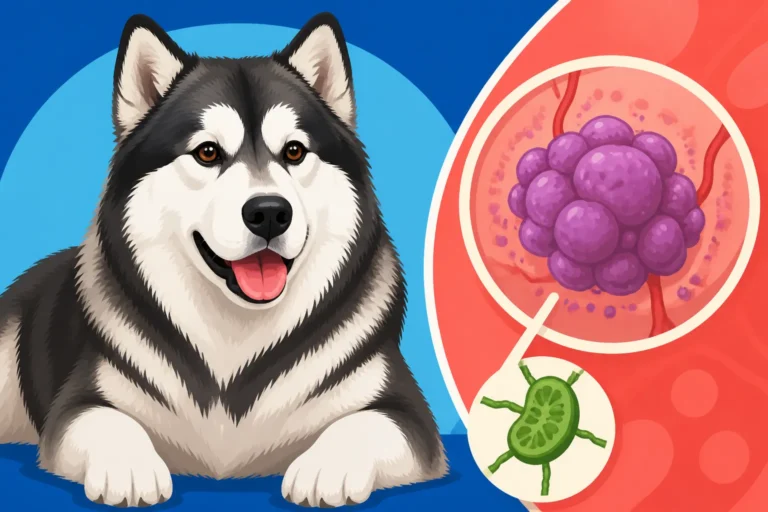
When your Malamute develops a skin infection, it's almost always an opportunistic invasion – meaning bacteria or yeast, which are normally present on the skin, take over because something else has weakened the skin's natural defenses. Think of it like a crack in the fortress wall; the invaders couldn't get in before, but now they see an opening. Understanding these primary underlying issues is crucial for effective treatment and preventing recurrence.
Genetic Predispositions and Their Role
Alaskan Malamutes, like many purebred dogs, come with certain genetic predispositions that can make them more susceptible to skin problems. One of the most well-known culprits is a metabolic issue with zinc absorption. Even if your Malamute is eating a high-quality diet, their body might not be able to utilize zinc effectively, leading to a condition known as Zinc Responsive Dermatosis in an Alaskan Malamute. This isn't just about a scaly patch; zinc is vital for skin health, immune function, and overall cellular integrity. When zinc absorption is impaired, the skin barrier becomes compromised, making it an easy target for bacteria and yeast to set up shop. This is why you might see persistent crusting, hair loss, and inflammation, particularly around the eyes, muzzle, ears, and paw pads.
Another consideration, though less directly linked to primary skin infections, is how certain inherited conditions can indirectly stress the body and impact skin health. While not a direct cause of infection, any chronic illness or systemic issue can make a dog more vulnerable. Understanding How Poor Zinc Absorption Links a Malamute's Three Disorders gives a broader perspective on how one genetic metabolic issue can cascade into multiple health challenges, including skin integrity. Responsible breeders screen for many of these, but issues can still arise.
Environmental Triggers and Sensitivities
Beyond genetics, Malamutes can react to their environment just like us. Dust mites, pollen, grasses, and even certain cleaning products in your home can trigger allergic reactions. These aren't usually visible as open sores initially, but they cause intense itching. A Malamute might scratch, lick, or chew at their skin relentlessly, causing self-inflicted trauma. This constant scratching breaks the skin barrier, creating microscopic abrasions and irritation that become perfect entry points for opportunistic bacteria or yeast.
It's a vicious cycle: the allergen causes itch, the itch causes scratching, the scratching causes microscopic wounds, and those wounds allow bacteria or yeast to proliferate, leading to a full-blown secondary skin infection. Sometimes, the initial itch is so subtle you might only notice the secondary infection once it’s well established. These environmental allergies often manifest as itchy paws, belly, ears, or around the eyes.
Common Underlying Causes Leading to Secondary Infections
It’s easy to focus on the visible skin infection, but successful long-term management means digging deeper. The skin is a window into overall health, and recurring infections often signal a systemic issue.
The Pervasive Issue of Zinc Deficiency
We touched on this earlier, but it truly deserves a deeper dive because it’s so prevalent in Malamutes. Zinc is an essential trace mineral, and Malamutes have a unique genetic quirk that makes some individuals unable to absorb and utilize zinc efficiently from their diet. This isn't just about eating enough zinc; it's about the body's ability to process it. Even on a top-tier kibble, a Malamute with this genetic trait can show symptoms. You might first notice Whether a Malamute's Crusty Skin Means Zinc Deficiency, often starting around the muzzle, eyes, or ears.
When zinc levels are insufficient, the rapidly dividing cells of the skin and hair follicles suffer. This leads to a compromised skin barrier that is less able to protect against external pathogens. It also impacts the immune system's ability to fight off minor invaders, turning common bacteria and yeast into a major problem. The resulting inflammation, scaling, and hair loss create an ideal warm, moist environment for secondary bacterial (pyoderma) or yeast (Malassezia) infections. Without addressing the underlying zinc issue, these secondary infections will keep returning, no matter how many antibiotics or antifungals you throw at them. Understanding Whether a Malamute's Zinc Problem Is Diet or Genetics is key to proper treatment.
Allergies: Environmental and Food-Related
Allergies are another huge driver of secondary skin infections. They fall into two main categories: environmental (atopy) and food allergies/sensitivities.
Environmental allergies, as mentioned, are reactions to common allergens like pollen, dust mites, mold spores, or even fabrics. These can be seasonal or year-round. The primary symptom is intense itchiness, usually not confined to one spot. A Malamute might constantly chew their paws, rub their face, or scratch their flanks and belly. The incessant licking and scratching damage the skin, introducing bacteria and yeast. What starts as red, irritated skin quickly progresses to pustules, scabs, and thick, discolored skin due to secondary infections. If your Malamute is always itchy, especially in certain seasons, environmental allergies are high on the suspect list.
Food allergies or sensitivities are reactions to specific ingredients in their diet, most commonly proteins like chicken, beef, or dairy, but also grains like wheat or corn. Unlike environmental allergies which often manifest as itch, food sensitivities can present with gastrointestinal issues and skin problems. The skin symptoms are similar to environmental allergies – generalized itchiness, redness, ear infections, and paw chewing. The key difference is often the year-round nature of the symptoms and the potential for concurrent digestive upset. Pinpointing a food allergy requires a strict elimination diet, which can be a long and challenging process, but it's often the only way to get to the root of the problem.
Hypothyroidism and Hormonal Imbalances
Sometimes, the culprit isn't external or genetic to the skin, but an internal hormonal imbalance. Hypothyroidism, a common condition in dogs where the thyroid gland doesn't produce enough hormones, can significantly impact skin health. The thyroid hormones play a crucial role in metabolism, including skin cell turnover and hair growth. When these hormones are low, the skin becomes dry, flaky, and more susceptible to infection.
Malamutes with hypothyroidism might exhibit a dull, sparse coat, hair loss, particularly on the flanks and tail, and thickened, darkened skin (hyperpigmentation). They might also seem lethargic, gain weight easily, or be intolerant to cold. The compromised skin barrier, combined with a potentially weakened immune response due to the hormonal imbalance, makes these dogs prime candidates for recurring bacterial or yeast infections. If you're wondering Whether a Malamute Gets Hypothyroidism, it's definitely a condition your vet will want to check for with a simple blood test if chronic skin issues are present alongside other symptoms.
Recognizing the Signs of Secondary Skin Infections
It's one thing to know why secondary infections happen, but it's another to actually spot them on your furry friend. Malamutes have thick coats, which can sometimes hide problems until they're quite advanced. Regular hands-on checks are crucial.
Visual Cues and Physical Changes
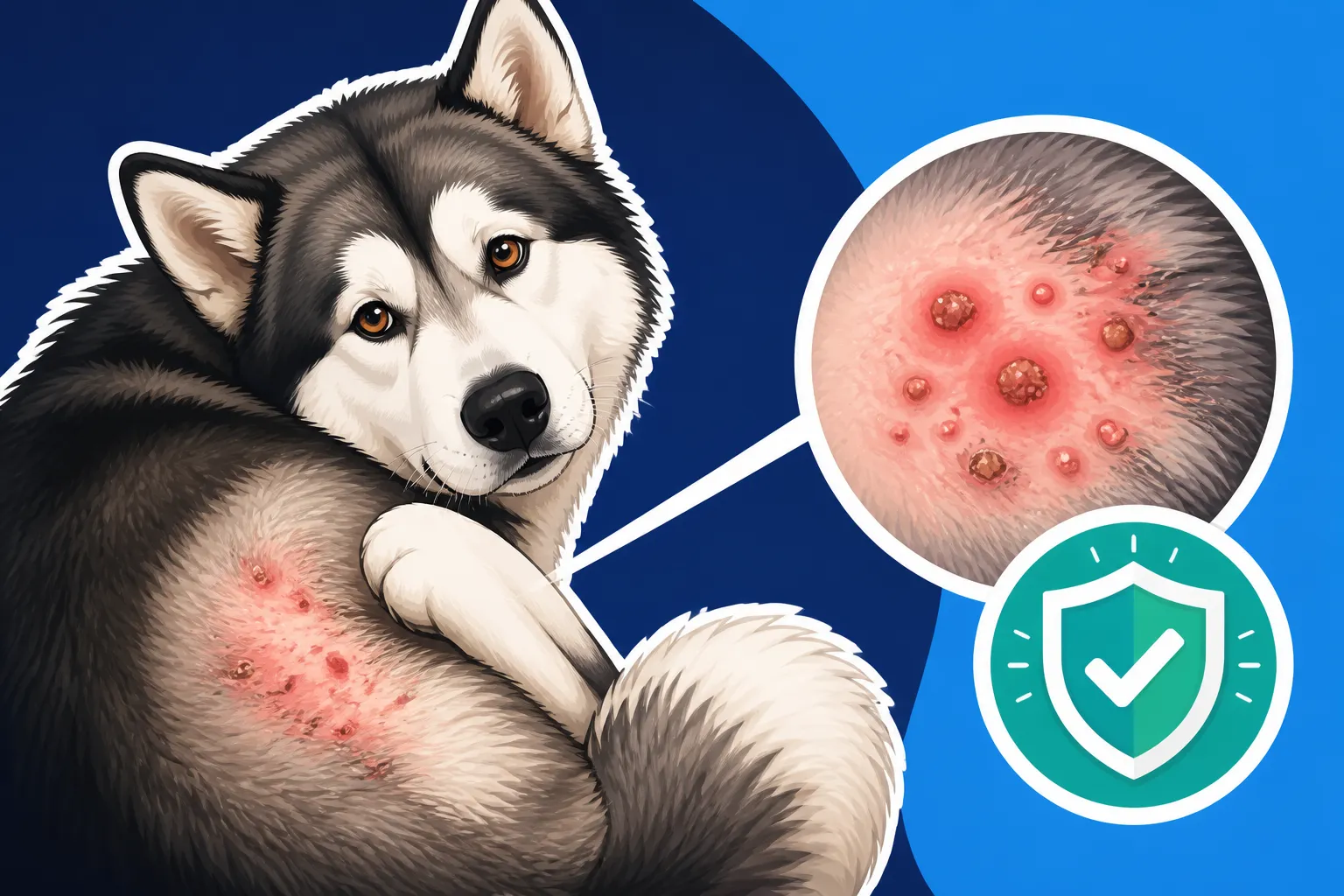
The most common signs of a secondary skin infection are often visible. Look for redness, inflammation, and small red bumps or pustules, which indicate a bacterial infection (pyoderma). You might also see crusting, scabs, and flaky skin, particularly in areas like the muzzle, around the eyes, armpits, groin, and between the toes. Patches of hair loss are also very common, as the infection damages hair follicles or the Malamute licks/chews the hair away.
Another key visual cue is thickened, darkened skin, often described as "elephant skin" (lichenification). This occurs after prolonged inflammation and scratching. With yeast infections (Malassezia dermatitis), the skin might appear greasy, reddish-brown, and have a distinct, often sweet or musty odor. The areas between toes, skin folds, and ears are common sites for yeast overgrowth. Pay close attention to these sensitive spots when you're doing your regular Reading a Malamute's Skin Before the Crusts Appear.
Behavioral Indicators of Discomfort
Your Malamute’s behavior can be a huge indicator that something is wrong, even before you see obvious skin lesions. The most telling sign is excessive scratching, licking, or chewing. If your Malamute is constantly pawing at their face, chewing their paws, rubbing against furniture, or scooting their rear, it's a strong signal of skin irritation. They might even become restless, unable to settle down due to the persistent itch.
Ear infections, which are often secondary to allergies or zinc deficiency, can cause head shaking, ear scratching, or a discharge from the ear canal. You might notice they are more irritable or withdrawn, as chronic discomfort can impact their mood. A change in their usual demeanor, combined with any of the visual cues, warrants a vet visit. Remember, these powerful dogs are masters at hiding discomfort, so subtle changes in behavior are worth investigating immediately.
Effective Management and Prevention Strategies
Dealing with secondary skin infections in your Malamute isn't just about quick fixes. It requires a comprehensive approach, addressing both the immediate infection and the underlying cause, to provide lasting relief and prevent recurrence.
Diagnostic Approaches and Veterinary Care
The first step, always, is a visit to your veterinarian. They will conduct a thorough physical exam and gather a detailed history of your Malamute's symptoms. Don't be surprised if they recommend several diagnostic tests to get to the root cause.
Common tests include:
- Skin cytology or scrapings: Your vet will take samples of the skin to look for bacteria, yeast, or mites under a microscope. This is crucial for identifying the type of secondary infection.
- Fungal cultures: If ringworm is suspected, a culture will be performed.
- Blood tests: These are vital for checking for systemic issues like hypothyroidism (thyroid panel) or general inflammatory markers. They can also provide insight into overall health, which could impact a pet insurance claim, though policies like those from Healthy Paws often cover diagnostic tests if they lead to a covered condition.
- Dietary elimination trial: If food allergies are suspected, your vet will guide you through a strict diet change using a novel protein or hydrolyzed protein food for 8-12 weeks. This involves feeding only the prescribed food and absolutely nothing else, no treats, no table scraps, no flavored medications.
- Allergy testing: For environmental allergies, blood tests (serum allergy testing) or intradermal skin testing can help identify specific allergens. This can then guide immunotherapy (allergy shots or drops) or avoidance strategies.
Based on the diagnosis, your vet will prescribe appropriate medications for the secondary infection, such as antibiotics for bacterial infections or antifungals for yeast. These might be oral medications or topical treatments like medicated shampoos, sprays, or wipes.
| Primary Underlying Cause | Common Secondary Infections | Key Diagnostic Tests | Typical Treatments for Infection |
|---|---|---|---|
| Zinc Responsive Dermatosis | Bacterial (Pyoderma), Yeast | Skin cytology, Zinc blood test, Biopsy, Dietary history | Zinc supplementation, Antibiotics, Antifungals, Medicated shampoos |
| Environmental Allergies | Bacterial (Pyoderma), Yeast | Skin cytology, Allergy testing (serum/intradermal), Elimination diet (less common for environmental) | Antihistamines, Steroids, Immunotherapy, Antibiotics, Antifungals, Medicated shampoos |
| Food Allergies | Bacterial (Pyoderma), Yeast | Skin cytology, Strict dietary elimination trial | Hypoallergenic diet, Antibiotics, Antifungals, Medicated shampoos |
| Hypothyroidism | Bacterial (Pyoderma), Yeast | Skin cytology, Thyroid panel (blood test) | Thyroid hormone replacement, Antibiotics, Antifungals, Medicated shampoos |
| Parasites (e.g., Mites) | Bacterial (Pyoderma) | Skin scrapings | Parasiticides, Antibiotics |
Long-Term Management and Lifestyle Adjustments
Once the immediate infection is under control, the real work of managing the underlying cause begins. This is where a long-term strategy, often involving lifestyle changes and ongoing support, comes into play.
For Malamutes with zinc responsive dermatosis, lifelong zinc supplementation is almost always necessary. Your vet will determine the correct type and dosage of zinc, as Whether Too Much Zinc Harms a Malamute is a valid concern. Regular monitoring might be required. You'll also need to be mindful of their diet, ensuring it doesn't contain ingredients that could interfere with zinc absorption, such as high levels of calcium or phytates found in certain grains, which can sometimes block zinc uptake.
For allergic Malamutes, management can be multifaceted. If environmental allergies are identified, options include:
- Immunotherapy: Allergy shots or oral drops, tailored to your Malamute's specific allergens, can desensitize their immune system over time. This is often the most effective long-term solution.
- Medications: Antihistamines, corticosteroids (used cautiously due to side effects), or newer medications like Apoquel or Cytopoint can help control the itch.
- Environmental control: Reducing exposure to allergens (e.g., frequent vacuuming, air purifiers, wiping paws after outdoor excursions).
- Omega-3 fatty acids: Supplements can support skin barrier health and reduce inflammation.
If a food allergy is diagnosed, strict adherence to the appropriate hypoallergenic or novel protein diet is paramount. This means being incredibly diligent about treats, chews, and preventing access to other pets' food. This might be a challenge, but consistency is key.
Regardless of the underlying cause, general good care practices are essential. Regular grooming, including gentle brushing, helps distribute natural oils and removes loose hair, preventing matting which can trap moisture and bacteria. However, be cautious with over-bathing; your vet can recommend appropriate medicated shampoos or conditioners that support skin health without stripping natural oils. Maintaining a healthy weight, providing a balanced diet (like those recommended for The Efficient Metabolism That Surprises Every New Malamute Owner), and ensuring regular exercise also contribute to a strong immune system and overall well-being, helping your Malamute fight off any potential opportunistic infections. Remember, consistent care and attention to What an Alaskan Malamute Needs Every Day will make a huge difference in their skin health.
Disclaimer
The information provided in this article is for general informational purposes only and is not intended as a substitute for professional veterinary advice. Always consult with a qualified veterinarian for any health concerns or before making any decisions related to your pet's health or treatment.