Arthritis in an Older Alaskan Malamute
It’s a heartbreaking moment for any Malamute owner to see their once-powerful, energetic companion start to slow down. One day they're bounding through snowdrifts, the next they're hesitating before jumping onto the couch or struggling to get up after a long nap. This often signals the onset of arthritis, a common and often debilitating condition in our beloved older dogs. This guide is here to walk you through understanding what arthritis is in an Alaskan Malamute, how to recognize its signs, and most importantly, the comprehensive ways you can manage it to keep your senior Malamute comfortable and happy for as long as possible.
Understanding Arthritis in Your Older Malamute
Arthritis isn't just a vague "old age ache"; it's a specific, progressive disease that impacts your dog's quality of life. Knowing what you're up against is the first step in providing the best care.
What is Canine Arthritis and Why Malamutes Get It
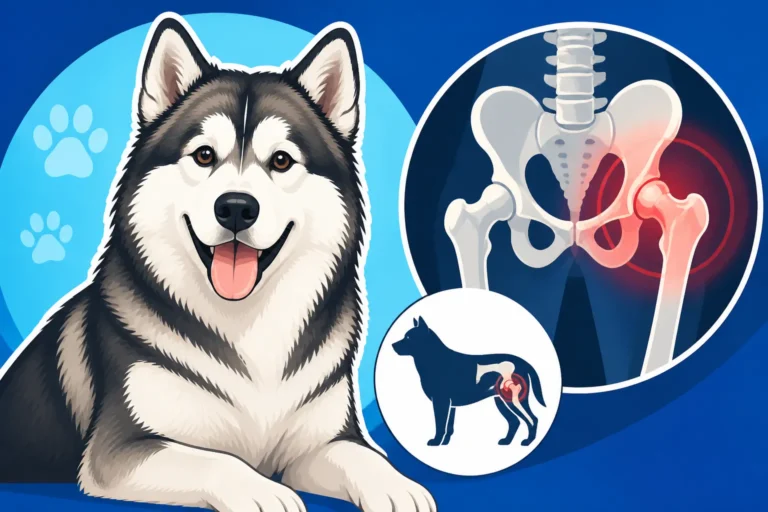
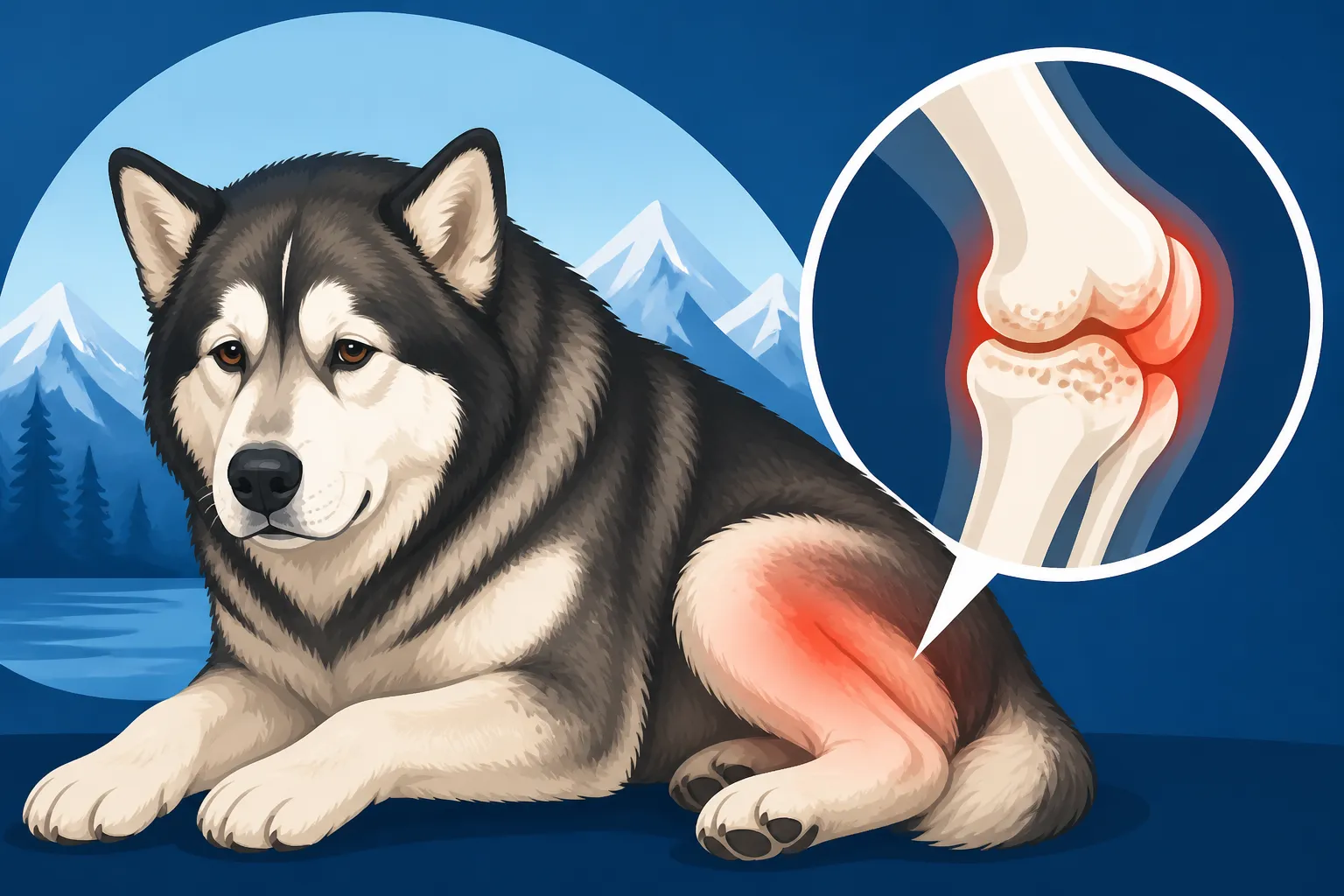
At its core, canine arthritis, or osteoarthritis, is a degenerative joint disease. Think of it like this: healthy joints have smooth cartilage covering the ends of bones, acting as a cushion. This cartilage allows the bones to glide effortlessly over each other. With arthritis, this cartilage begins to wear down, erode, and become rough. As it deteriorates, the bones can rub against each other, leading to inflammation, pain, and the formation of bone spurs (osteophytes) around the joint. It's a painful cycle that gets worse over time.
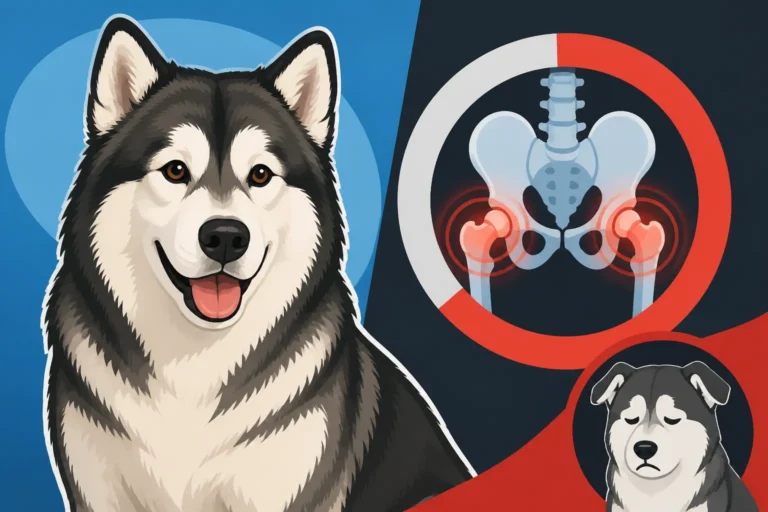
Alaskan Malamutes are particularly susceptible to arthritis for several reasons. Their large size means more weight and pressure on their joints over a lifetime. Furthermore, their breed is predisposed to certain developmental orthopedic conditions like Hip Dysplasia in an Alaskan Malamute and elbow dysplasia. These conditions, which might have shown subtle signs in younger years, often lay the groundwork for severe arthritis as the dog ages. An active life, full of pulling, hiking, and vigorous play, while essential for a Malamute's well-being, also puts significant wear and tear on their joints. It’s not that their activity causes arthritis, but rather that underlying joint issues are exacerbated by their natural, powerful movements.
Recognizing the Subtle Signs of Joint Pain
Malamutes are incredibly stoic animals. They are bred to work in harsh conditions and often mask pain until it's quite advanced. This makes it crucial for owners to be vigilant and recognize the subtle cues that might indicate your senior Malamute is struggling with arthritis. It's rarely a sudden limp; it's usually a gradual decline.
You might notice stiffness, especially after they've been lying down for a while, like after a long nap or first thing in the morning. They might take a few awkward steps before "warming up." Jumping into the car, onto the bed, or even climbing stairs might become a hesitant, slow, or altogether avoided activity. Their gait might change – perhaps a shorter stride, a slight head bob, or a general awkwardness in movement. Watch them closely during play; are they less enthusiastic? Do they lie down more often? Are they reluctant to engage in activities they once loved, like a vigorous game of fetch or a long hike? Sometimes, the only sign is a change in behavior, such as irritability when touched in certain areas, less desire to interact, or difficulty getting comfortable for sleep. These are all critical indicators that your beloved Malamute is experiencing discomfort. If you're seeing these signs, it's time to speak with your veterinarian.
Diagnosis: What Your Vet Will Look For
When you bring your Malamute to the vet with concerns about arthritis, the diagnostic process usually begins with a thorough physical examination. Your veterinarian will carefully palpate (feel) your dog's joints, checking for swelling, pain, warmth, or crepitus (a grinding sensation). They'll also assess your Malamute's range of motion, gently extending and flexing their limbs to identify any limitations or discomfort. They'll also observe your Malamute's gait, asking them to walk and sometimes trot, to pinpoint lameness.
Following the physical exam, the next crucial step is typically imaging, specifically X-rays. X-rays allow your vet to visualize the bone and joint structures. On an X-ray, they can look for classic signs of osteoarthritis such as narrowed joint spaces (indicating cartilage loss), bone spurs (osteophytes) around the joint margins, increased bone density in areas of stress, and sometimes even subchondral bone cysts. While X-rays won't show the cartilage itself, the changes in bone are clear indicators of its deterioration. In some less common scenarios, or if there's suspicion of other joint issues, your vet might recommend further diagnostics like joint fluid analysis or even more advanced imaging like an MRI or CT scan, though these are typically reserved for more complex cases or surgical planning. The goal is to confirm the diagnosis, assess the severity, and rule out other potential causes of lameness or pain.
Managing Arthritis: A Multifaceted Approach
Caring for an arthritic Malamute requires a comprehensive strategy. There's no single magic bullet, but a combination of treatments can significantly improve their comfort and quality of life.
Pain Management Strategies and Medications
One of the cornerstones of arthritis management is controlling pain and inflammation. Non-Steroidal Anti-Inflammatory Drugs (NSAIDs) are often the first line of defense. Medications like Carprofen (Rimadyl), Meloxicam (Metacam), and Galliprant work by reducing the inflammation that causes pain and stiffness. It’s crucial that these are prescribed and monitored by a vet, as long-term use requires regular blood work to check liver and kidney function, especially in older dogs. Your vet will establish the correct dosage and frequency to minimize side effects while maximizing relief.
Beyond NSAIDs, other pain relievers may be added, particularly for more severe or chronic pain. Gabapentin can be used as an adjunct pain medication, often effective for neuropathic pain or to enhance the effects of NSAIDs. Amantadine is another option, often used in conjunction with NSAIDs to help manage chronic pain by targeting different pain pathways. Newer, exciting developments include injectable therapies. Adequan, a polysulfated glycosaminoglycan, works to slow cartilage breakdown and promote repair. Even more recently, monoclonal antibody therapies like Librela have emerged, offering monthly injections that specifically target Nerve Growth Factor, a key mediator of pain, providing sustained relief with minimal systemic side effects. These advancements truly offer hope for long-term comfort for your Malamute. Pet insurance plans, such as those offered by Healthy Paws, can be incredibly beneficial in covering the ongoing costs of these specialized medications and treatments, making comprehensive care more accessible.
Environmental Modifications for Comfort
While medication tackles the internal pain, modifying your Malamute's living environment can make a world of difference in their daily comfort and ability to move around. Start with their sleeping area. Replace hard beds with soft, supportive orthopedic beds, ideally with memory foam, to cushion their aching joints. A comfortable, supportive bed can reduce pressure points and ease stiffness upon rising.
Consider ways to minimize jumping. Ramps are invaluable for helping your Malamute get in and out of the car, navigate stairs in the house, or even get onto a favorite piece of furniture. This reduces the impact on their joints, preventing further pain and potential injury. If you have slick floors like hardwood or tile, lay down non-slip rugs or runners. Malamutes with arthritic joints struggle to get traction and can easily slip, leading to falls and increased pain. Ensuring easy access to food and water bowls, perhaps raised to a comfortable height, also helps reduce strain on their neck and front legs. Finally, a consistent, warm sleeping area, free from drafts, especially during colder months, is important. While Malamutes are built for cold, aching joints can be more sensitive to dampness and chill. Think about it: a warm, cozy spot can be just as important as medicine in making them feel better. Making your home Malamute-friendly as they age is an important part of caring for an Alaskan Malamute past eight.
The Role of Controlled Exercise and Physical Therapy
It might sound counterintuitive, but exercise is still vital for an arthritic Malamute. The key word here is "controlled." Complete inactivity can lead to muscle atrophy and further joint stiffness. The goal is to maintain muscle mass, flexibility, and joint lubrication without causing further damage or pain. Shorter, more frequent walks are much better than one long, strenuous one. Opt for soft surfaces like grass, dirt trails, or even sand, as these are much gentler on joints than hard pavement.
Physical therapy can be incredibly beneficial. Hydrotherapy, often involving an underwater treadmill or swimming, is particularly excellent for Malamutes. The buoyancy of the water reduces the impact on joints while allowing for full range of motion and muscle strengthening. Many Malamutes love water, making it an enjoyable form of therapy. A certified canine physical therapist can also teach you therapeutic massage techniques and gentle stretching exercises to perform at home, which can improve flexibility and reduce stiffness. Remember that a Malamute's instinct to pull or run vigorously might still be strong, but their body can't handle it like it used to. It's our job to protect them from over-exertion, which could lead to a painful flare-up. Even if your Malamute still wants to pull, their physical capabilities need to be carefully managed to prevent injury.
Nutritional Support and Supplements
What goes into your Malamute's body plays a huge role in managing arthritis. From keeping them lean to boosting joint health, diet and supplements are critical pieces of the puzzle.
Weight Management: Less Weight, Less Strain
This cannot be stressed enough: maintaining a lean body weight is one of the most impactful things you can do for an arthritic Malamute. Every extra pound your dog carries puts additional stress on already compromised joints, accelerating cartilage breakdown and increasing pain. It's simple physics – less weight means less load. For a breed like the Malamute, known for its dense coat, it can be tricky to tell if they are at an ideal weight. You should be able to easily feel their ribs without seeing them, and they should have a discernible waist when viewed from above.
If your Malamute is overweight, discuss a weight loss plan with your vet. This typically involves reducing calorie intake and increasing controlled, low-impact exercise. Remember that The Efficient Metabolism That Surprises Every New Malamute Owner means they often require less food than their size might suggest, especially as they become less active with age. Choosing a high-quality, lower-calorie senior or weight-management food can be a good starting point. Regular weigh-ins and consistent portion control are key to success. Taking weight off a Malamute that is not working is a deliberate process, but the relief it brings to their joints is immeasurable.
Joint Supplements: What Actually Helps?
The market is flooded with joint supplements, and it can be overwhelming to know what's truly effective. The most commonly recommended ingredients for canine arthritis include glucosamine and chondroitin sulfate. These compounds are naturally found in healthy cartilage and are thought to help support cartilage health, reduce further breakdown, and promote repair. Many vets recommend brands like Cosequin or Dasuquin, which are veterinary-specific formulations with proven bioavailability.
Another powerhouse ingredient is Omega-3 Fatty Acids, particularly EPA (eicosapentaenoic acid) and DHA (docosahexaenoic acid), found in fish oil. These have potent anti-inflammatory properties that can help reduce joint pain and swelling. Ensure you choose a high-quality supplement with guaranteed EPA and DHA levels, as not all fish oil is created equal. MSM (Methylsulfonylmethane) is often included in joint formulas for its anti-inflammatory and pain-reducing effects. Green Lipped Mussel is another popular natural supplement, rich in a unique combination of omega-3s, glucosamine, chondroitin, and other minerals that support joint health. Before adding any supplements to your Malamute's regimen, always consult your veterinarian. They can help you choose the right product and dosage, ensuring it's safe and effective for your individual dog, especially considering a Malamute needs joint supplements for an Alaskan Malamute. Healthy Paws pet insurance might also cover some prescribed supplements if they are part of a vet-recommended treatment plan.
Diet Considerations for Arthritic Malamutes
Beyond specific supplements, the overall diet for an arthritic Malamute warrants careful consideration. High-quality dog food provides essential nutrients to support overall health, including joint health. Many premium senior dog foods are formulated with fewer calories to help manage weight and often include added joint support ingredients like glucosamine and chondroitin.
Some specialty veterinary diets are specifically designed for joint health, featuring higher levels of omega-3 fatty acids, antioxidants, and ingredients to support cartilage. It’s worth discussing these options with your vet. Given that Malamutes can be prone to zinc deficiency (and related skin issues), and excess calcium can interfere with zinc absorption, it's a good idea to ensure their diet is balanced and doesn't exacerbate potential issues. While this article focuses on arthritis, the broader health of your Malamute is always interconnected, and ensuring a balanced diet that considers their unique needs is crucial. Make sure you understand Whether a Malamute Needs Zinc for Life to avoid compounding problems.
Here's a quick comparison of common joint supplements:
| Supplement Type | Primary Benefit | How It Helps Arthritic Malamutes | Important Considerations |
|---|---|---|---|
| Glucosamine & Chondroitin | Cartilage health & repair | Provides building blocks for cartilage, slows breakdown, improves joint fluid. | Slow acting, requires consistent use. Look for veterinary-grade products. |
| Omega-3 Fatty Acids (Fish Oil) | Anti-inflammatory | Reduces inflammation and pain in joints, supports overall health. | Potency varies, check EPA/DHA levels. Can cause stomach upset in high doses. |
| MSM (Methylsulfonylmethane) | Pain relief & anti-inflammatory | Reduces pain and inflammation, supports connective tissue. | Often combined with glucosamine/chondroitin. Generally well-tolerated. |
| Green Lipped Mussel | Comprehensive joint support | Natural source of omega-3s, glucosamine, chondroitin, and minerals; anti-inflammatory. | Holistic approach, usually well-absorbed. Check for purity. |
| Monoclonal Antibodies (Librela) | Targeted pain relief | Directly blocks Nerve Growth Factor, a key pain mediator, offering consistent pain control with monthly injections. | Prescription only, newer therapy. Excellent for long-term pain management. |
Ensuring Quality of Life and Comfort
Ultimately, our goal as Malamute owners is to ensure our companions live out their senior years with dignity, comfort, and as much joy as possible, even with the challenges of arthritis.
Balancing Activity with Rest
This is perhaps one of the trickiest aspects of caring for an arthritic Malamute. Their inherent drive and love for activity, ingrained from their working heritage, doesn't just disappear overnight. Your Malamute might still want to pull, run, or wrestle, even if their body can no longer safely perform these actions. This strong will can lead to them pushing themselves too hard, resulting in increased pain and inflammation. It's a fine line between keeping them engaged and preventing injury.
The key is to modify activities, not eliminate them. Instead of long, strenuous hikes, opt for shorter, more frequent, gentle walks on soft ground. Engage their minds with puzzle toys or scent games, which provide mental stimulation without putting stress on their joints. Tug-of-war might be out, but gentle retrieves of soft toys are often still possible. Provide ample opportunities for undisturbed rest in comfortable, warm spaces. Observe your Malamute closely: if they seem more stiff or reluctant the day after an activity, you've likely overdone it. Learning to recognize Whether an Old Malamute Still Wants to Pull versus what their body can handle is a critical skill for any owner of a senior Malamute. Understanding What an Alaskan Malamute Needs Every Day will change as they age, with less emphasis on intense physical exertion and more on gentle engagement and comfort.
Regular Vet Check-ups and Monitoring
Arthritis is a progressive condition, meaning it tends to worsen over time. Regular veterinary check-ups are absolutely essential to monitor the disease's progression and adjust the management plan as needed. For Malamutes on NSAIDs, this includes routine blood work (usually every 6-12 months, or as directed by your vet) to ensure their liver and kidney function remain healthy. These check-ups are also an opportunity to discuss any new symptoms you've observed, assess the effectiveness of current medications and supplements, and explore new treatment options as they become available.
Maintaining open communication with your veterinarian is vital. You are your Malamute's primary advocate, and your observations about their daily comfort, mobility, and behavior are invaluable to the vet. Don't hesitate to ask questions or express concerns. Knowing the Signs an Alaskan Malamute Is Getting Old will help you communicate better with your vet about the subtle changes. Early intervention and proactive management are crucial in slowing the progression of arthritis and maintaining a good quality of life. This is part of the broader commitment to the Caring for an Alaskan Malamute Past Eight.
The Emotional Toll on Owners and Dogs
Caring for an older Malamute with arthritis can take an emotional toll on both the dog and the owner. For your Malamute, the inability to perform activities they once loved can lead to frustration, anxiety, or even depression. They might become more withdrawn or show changes in temperament. It's important to be patient and understanding, and to continue to provide affection, reassurance, and mental enrichment to keep their spirits up.
For owners, watching a once-vigorous companion decline is incredibly difficult. There can be feelings of guilt, sadness, and helplessness. It's important to acknowledge these feelings and to seek support if needed. Focus on the quality of life you can provide now – the gentle snuggles, the comfortable bed, the delicious, easy-to-eat meals, and the modified playtime. Pet insurance, such as Healthy Paws, can also help alleviate some financial stress, allowing you to focus on care rather than cost. Ultimately, the most challenging part of this journey may be recognizing when your Malamute's quality of life has diminished to a point where humane euthanasia becomes the most compassionate option. This decision, while agonizing, is the final act of love we can offer our cherished companions. Knowing What Alaskan Malamutes Actually Die Of can help you prepare for the inevitable difficult decisions. While the physical toll is evident, the emotional toll needs attention too. Consider what The Age an Alaskan Malamute Counts as a Senior means for your expectations and care strategy, which often includes proofing your house.
Disclaimer
The information provided in this guide is for general educational purposes only and should not be considered a substitute for professional veterinary advice. Always consult with a qualified veterinarian for any health concerns or before making any decisions about your pet's medical care, diet, or treatment plan.