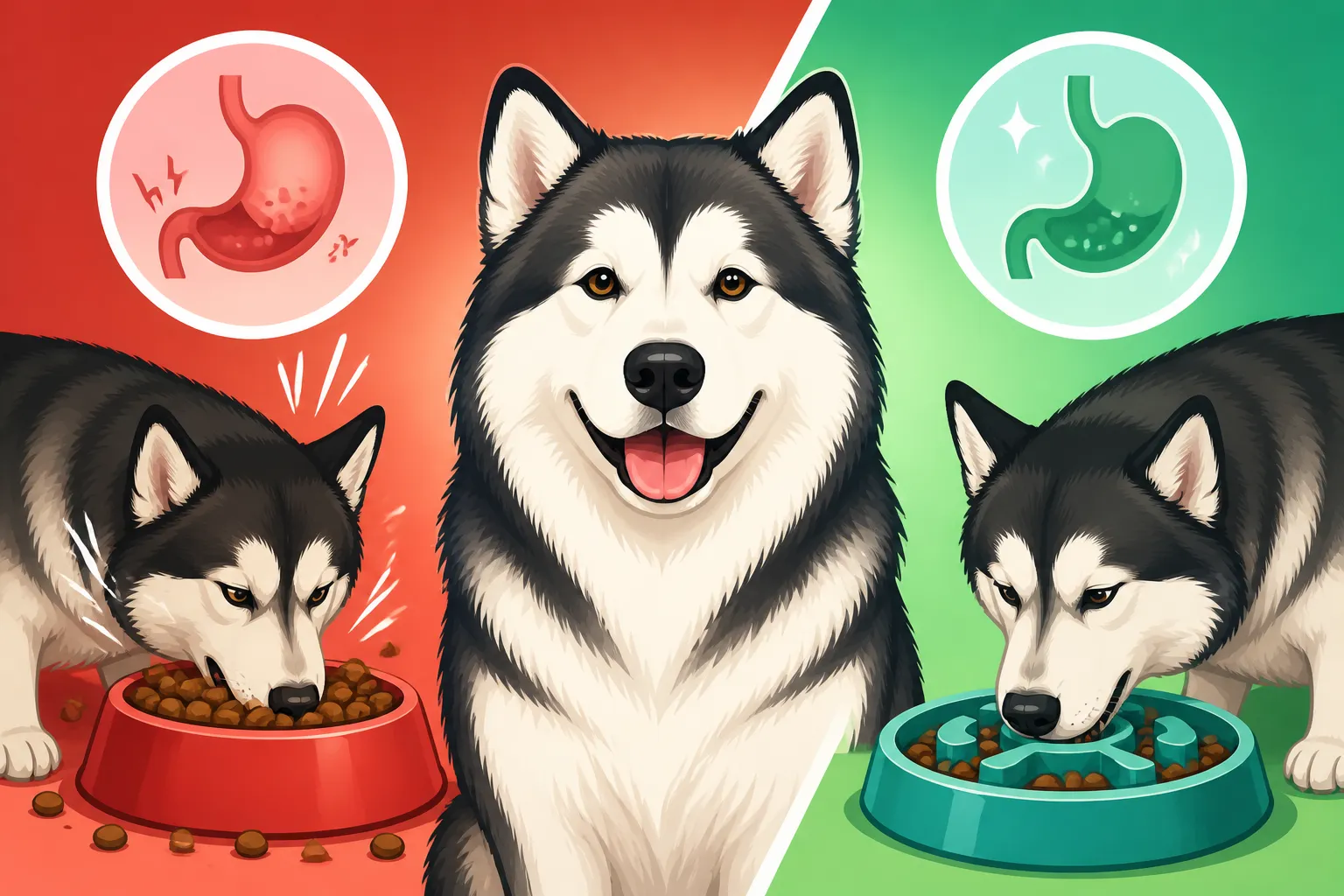
Whether a Slow Feeder Reduces a Malamute’s Bloat Risk
The sudden, terrifying onset of bloat in an Alaskan Malamute is one of those nightmares that keeps owners up at night. The sheer speed at which a healthy, happy dog can go from playful to critically ill is truly harrowing, and understandably, we clutch at any straw that promises to mitigate this risk. This guide will delve into whether a slow feeder can genuinely make a difference in reducing your Malamute's susceptibility to bloat, offering a clear, realistic look at what these tools can and cannot do.
The Real Fear of Bloat: Understanding GDV in Alaskan Malamutes
Bloat, or more precisely, Gastric Dilatation-Volvulus (GDV), is a condition that strikes fear into the hearts of large breed dog owners, and Malamutes are unfortunately among the breeds at higher risk. It's not just an upset stomach; it's a life-threatening emergency that demands immediate veterinary intervention.
Why Malamutes Face Higher Risks
Alaskan Malamutes, with their magnificent, deep chests, are anatomically predisposed to GDV. The deep chest cavity allows the stomach more room to twist. But it's not just anatomy; several factors contribute to their vulnerability:
- Anatomy: That proud, deep chest, while characteristic of the breed, is a double-edged sword when it comes to bloat. It provides ample space for the stomach to expand with gas and then, terrifyingly, to twist upon itself.
- Eating Habits: Many Malamutes are enthusiastic eaters, to put it mildly. They can Hoover down a meal in minutes, often gulping down excessive amounts of air along with their food. This rapid ingestion of air is believed to be a significant contributor to the initial gastric distension.
- Stress and Activity: High-stress situations, vigorous exercise too close to meal times, or even changes in routine can contribute to the complex physiological processes that lead to bloat. Owners often report that bloat incidents occur after a large meal followed by intense activity or excitement.
Spotting the Danger Signs of GDV
Recognizing the symptoms of bloat quickly is paramount, as every minute counts. This isn't a condition where you can "wait and see." If you suspect bloat, drop everything and head to the emergency vet.
The most common signs to look out for include:
- Retching without Vomiting: Your Malamute may try repeatedly to vomit, bringing up only foamy saliva or nothing at all. This is a classic, alarming sign.
- Abdominal Distension: The abdomen, particularly on the left side, may appear visibly swollen, tight, or drum-like to the touch. It might be hard to miss on a fluffy Malamute, but feel for tightness.
- Restlessness and Pacing: Your dog will likely be extremely uncomfortable, pacing, unable to lie down, or constantly shifting positions. They might stretch out as if trying to relieve pressure.
- Pain and Discomfort: They may whine, groan, or show signs of pain when their abdomen is touched.
- Drooling: Excessive drooling can occur due to nausea and discomfort.
- Weakness and Collapse: As the condition progresses, your Malamute may become weak, lethargic, have pale gums, or even collapse as their circulation is compromised.
It's vital to know these indicators. For more specific details on what to watch for, refer to our guide on Signs a Malamute Is Bloating. If you see any combination of these symptoms, don't hesitate. Head to the nearest emergency veterinary clinic immediately.
The Slow Feeder Concept: Does it Really Help?
Given the harrowing nature of bloat, it's completely natural to seek out any tool or strategy that might offer protection. Slow feeders have gained popularity for good reason, but it's important to understand their mechanism and the scientific backing (or lack thereof) for bloat prevention specifically.
How Slow Feeders Aim to Work
The basic premise of a slow feeder is straightforward: make it harder for your dog to gulp down their food in one go. These bowls typically feature ridges, mazes, or nubs that create barriers, forcing your Malamute to eat around them, picking up smaller mouthfuls.
The intended benefits include:
- Reducing Air Intake: By slowing down the eating process, the dog is less likely to gulp down large volumes of air along with their food. This ingested air is a primary factor in the initial distension of the stomach that precedes a twist.
- Promoting Better Chewing: While Malamutes aren't typically known for their meticulous chewing, a slow feeder can encourage them to at least take smaller bites, potentially aiding in the initial stages of digestion.
- Enhancing Satiety: Eating more slowly gives the stomach time to signal to the brain that it's full. This can lead to your Malamute feeling more satisfied with their meal, reducing the likelihood of overeating or seeking additional food too soon.
The theory sounds solid, right? Slower eating, less air, better digestion – all good things.
The Current Evidence and Veterinary Consensus
Here's where it gets a little nuanced. While slowing down a dog's eating speed is undoubtedly beneficial for general digestion, reducing the risk of choking, and preventing post-meal vomiting, the direct scientific evidence linking slow feeder use to a significant reduction in GDV risk is not as robust or definitive as we might hope.
Many veterinary professionals recommend slow feeders as part of a comprehensive bloat prevention strategy, primarily because they address a known risk factor: rapid eating and excessive air ingestion. However, GDV is a complex condition influenced by multiple factors, including genetics, stomach ligament laxity, diet, and stress. A slow feeder addresses only one piece of that puzzle.
It's crucial to understand that slow feeders are not a magic bullet or a guaranteed preventative measure against bloat. They are a tool that can help mitigate one potential trigger. Think of them as part of a broader "bloat-aware" lifestyle for your Malamute. Some studies on GDV risk factors have even suggested that raised food bowls might increase the risk of bloat in large, deep-chested breeds, which runs counter to previous advice. This highlights how complex and sometimes counter-intuitive this issue can be. For this reason, many vets now advise against raised bowls for at-risk breeds unless medically necessary for other conditions like megaesophagus.
Regarding post-meal activity, it's widely accepted that exercise should be avoided. We often recommend a period of calm after eating, as discussed in our article Whether a Malamute Should Rest After Eating, and a slow feeder can contribute to this calmer digestive process. While slow feeders are a helpful accessory, it's important to view them as an aid rather than a sole solution for bloat prevention. They contribute to healthier eating habits, which can indirectly support overall gut health and potentially lessen some of the predisposing factors for GDV. If you're considering a slow feeder for your Malamute, our guide on Whether a Slow Feeder Suits an Alaskan Malamute provides additional insights.
Integrating Slow Feeders into Your Malamute's Routine
So, you're convinced that slowing down mealtime is a good idea for your Malamute. Excellent! But with so many options out there, how do you pick the right one, and what other strategies should you be combining it with?
Choosing the Right Slow Feeder for Your Mighty Malamute
Not all slow feeders are created equal, and what works for a tiny terrier might not stand up to the might of a Malamute.
- Durability is Key: Malamutes can be powerful chewers. Look for sturdy, high-quality, food-grade plastic, ceramic, or stainless steel options. Brands like Outward Hound offer a range of robust maze bowls that can withstand enthusiastic eating. Avoid anything flimsy that could break apart and become a choking hazard.
- Design Matters: The effectiveness of a slow feeder comes down to its design. Bowls with intricate mazes, deep nubs, or large obstacles are best for slowing down a fast eater. Some bowls are designed more like puzzle feeders, where your dog has to push food around, adding a mental challenge.
- Types of Slow Feeders:
- Maze Bowls: These are the most common, featuring raised patterns on the bottom.
- Puzzle Feeders: These require your dog to manipulate parts of the feeder to get the food, providing mental enrichment alongside slower eating. Consider products from companies like Kong or Nina Ottosson for these.
- Snuffle Mats: Made of fabric strips, these turn mealtime into a foraging game, burying kibble for your dog to sniff out. They are excellent for slowing down eating and providing mental stimulation, though they require more cleaning.
When selecting, consider your Malamute's personality. Is your dog easily frustrated? Start with a simpler maze. Is your dog a canine genius? A more complex puzzle feeder might be perfect!
More Than Just a Bowl: Comprehensive Bloat Prevention Strategies
A slow feeder is a fantastic step, but it's just one piece of the puzzle. A truly holistic approach to bloat prevention for your Alaskan Malamute involves several key strategies:
- Multiple Small Meals: Instead of one or two large meals a day, consider feeding your Malamute two to three smaller meals. This reduces the amount of food and air ingested at any one time, lessening the burden on their digestive system. Our article, How Many Meals a Day an Alaskan Malamute Needs, can give you more insights here.
- Restrict Exercise Around Meals: This is critical. Avoid vigorous exercise or highly exciting play for at least an hour before and two hours after eating. A full, distended stomach jostling around during activity is a prime scenario for a twist.
- Consistent Water Access (but managed): While your Malamute should always have access to fresh water, don't let them gulp down massive amounts immediately after a meal, as this can also contribute to stomach distension. Offer smaller amounts more frequently.
- Dietary Choices: Some experts suggest that dry kibble that swells significantly when wet might contribute to bloat, though evidence is mixed. Opt for high-quality food with meat as the first ingredient. We'll delve deeper into dietary choices shortly.
- Stress Reduction: A stressed dog can be more prone to digestive issues. Maintain a calm feeding environment and a consistent routine to help minimize stress.
- Gastropexy: For breeds at high risk like Malamutes, many veterinarians recommend a prophylactic gastropexy. This surgical procedure permanently tacks the stomach to the abdominal wall, preventing it from twisting. While it doesn't stop the stomach from dilating (bloating), it prevents the fatal volvulus (twist). This is a serious consideration for any Malamute owner and often done concurrently with spay/neuter surgery. You can learn more in our article about Whether a Malamute Should Have a Gastropexy.
- Be Prepared for Emergencies: No matter how many precautions you take, bloat can still occur. Know the symptoms, know the location and contact information for your nearest 24-hour emergency vet, and have a plan. The cost of emergency bloat surgery can be staggering. An episode of Bloat in an Alaskan Malamute can easily run into thousands of dollars. Having pet insurance from a reputable provider like Healthy Paws can literally be a lifesaver, covering a significant portion of these unexpected emergency costs.
Remember, prevention is always better than cure, especially with a condition as deadly as bloat. Implementing these strategies proactively can help give you peace of mind and protect your beloved Malamute.
Dietary Considerations and Overall Well-being
Beyond how quickly your Malamute eats, what they eat, and how that integrates with their overall lifestyle, plays a significant role in their digestive health and, by extension, their susceptibility to conditions like GDV.
The Role of Food Type and Ingredients
The quality and composition of your Malamute's diet are foundational to their health. While there's no single "anti-bloat" food, certain considerations can contribute to a healthier gut and potentially reduce risk factors:
- Kibble Size and Shape: Some theories suggest that larger kibble size may encourage chewing and slow down eating, thereby reducing air intake. However, this isn't universally accepted and some dogs may just try to gulp larger kibble too. Small kibble can sometimes be swallowed too quickly. The key is finding a food that your Malamute chews appropriately, not just swallows whole.
- Ingredients: Focus on high-quality dog foods with whole meat sources as the primary ingredients. Avoid foods with excessive fillers, artificial preservatives, or colors, as these can be harder to digest and potentially contribute to gas production.
- Fat Content: Foods with high fat content, especially in the first four ingredients, have sometimes been implicated as a risk factor, though research findings are inconsistent. It's generally wise to choose a balanced diet appropriate for your Malamute's activity level and life stage.
- Wet vs. Dry Food: Some owners find that feeding a mix of wet and dry food, or simply wet food, can reduce the amount of air ingested. Wet food typically has higher moisture content, which can aid digestion and hydration. If you feed dry kibble, you might consider adding a little warm water to it to soften it before serving.
- Grains vs. Grain-Free: The debate around grains in dog food is ongoing. While some owners believe grain-free diets are superior, there is no definitive evidence linking grains to bloat. In fact, some grain-free diets high in legumes have been associated with potential cardiac issues in some breeds. Always consult with your veterinarian about the most appropriate diet for your individual Malamute.
A word on raised bowls: For many years, it was common advice to use raised bowls for large breeds, with the idea that it made eating more comfortable and reduced air intake. However, several studies, including one significant Purdue University study, actually found an increased risk of GDV in large and giant breeds using raised bowls. While more research is always beneficial, current veterinary advice often leans towards ground-level feeding for at-risk breeds. This is a point of contention, and it's always best to discuss it with your vet, especially if your Malamute has other conditions like arthritis that might benefit from a raised bowl. You can explore this further in Whether an Alaskan Malamute Should Eat From a Raised Bowl.
Managing Stress and Ensuring Hydration
Stress and hydration are often overlooked but can have a tangible impact on a Malamute's digestive health and overall well-being.
- Stress as a Factor: Just like humans, dogs can experience digestive upset due to stress. A calm, predictable routine, especially around meal times, can help reduce anxiety. Avoid sudden changes in diet or environment. If your Malamute is prone to anxiety, discuss strategies with your vet or a certified professional dog trainer. Sometimes, simple changes like feeding in a quiet room or away from other pets can make a difference. Chronic stress can contribute to a host of health issues, and it's worth considering when you look at the bigger picture of What Alaskan Malamutes Actually Die Of.
- Consistent Hydration: While we cautioned against excessive water intake immediately post-meal, consistent access to fresh, clean water throughout the day is crucial. Dehydration can lead to a myriad of health problems, and proper hydration supports healthy digestion. Keep multiple water bowls around the house, especially during warmer months or after exercise. Ensuring your Malamute drinks adequately but not excessively at any one time is the goal.
A well-hydrated, unstressed Malamute on a good diet, eating at a sensible pace from a slow feeder, and avoiding risky activity around meals, is a Malamute with a significantly better chance of avoiding the terror of bloat. While you can never eliminate the risk entirely, stacking these preventative measures in your favor is the most responsible approach.
Here's a quick comparison of various slow feeder types:
| Slow Feeder Type | Design & Mechanism | Pros | Cons | Best For |
|---|---|---|---|---|
| Maze Bowl | Raised ridges/patterns in a standard bowl | Simple, effective, easy to clean | Less mental stimulation; some dogs still manage to eat quickly | Everyday use, dogs new to slow feeding |
| Puzzle Feeder | Compartments, sliders, or removable pieces | High mental stimulation, very effective | Can be frustrating for some dogs; harder to clean intricate designs | Intelligent dogs, boredom prevention |
| Snuffle Mat | Fabric strips where kibble is hidden | Promotes natural foraging, engaging | Can get dirty quickly; not as durable for strong chewers; harder for wet food | Mental enrichment, easy for any dog type |
| Lick Mat | Textured silicone mat where wet food/treats are spread | Calming, prolongs mealtime for wet food/soft treats | Only suitable for wet food or paste-like treats; not for kibble | Dogs needing calming activity, wet food diets |
Remember, no single strategy guarantees immunity from bloat. However, by understanding the risks, implementing preventative measures, and recognizing the signs, you empower yourself to be the best advocate for your Malamute's health. The cost of veterinary emergencies is significant, with What Bloat Surgery Costs on an Alaskan Malamute being a prime example. Having a financial safety net, whether through savings (Whether a Malamute Owner Should Bank Each Month) or pet insurance like Healthy Paws, is a critical component of responsible Malamute ownership. It's also worth investigating policies to understand Whether an Insurer Excludes Malamute Inherited Disease to ensure comprehensive coverage.
Disclaimer
The information provided in this article is for educational purposes only and is not a substitute for professional veterinary advice. Always consult with a qualified veterinarian for any health concerns or before making any decisions about your pet's health or treatment.