Whether an Old Malamute Still Wants to Pull
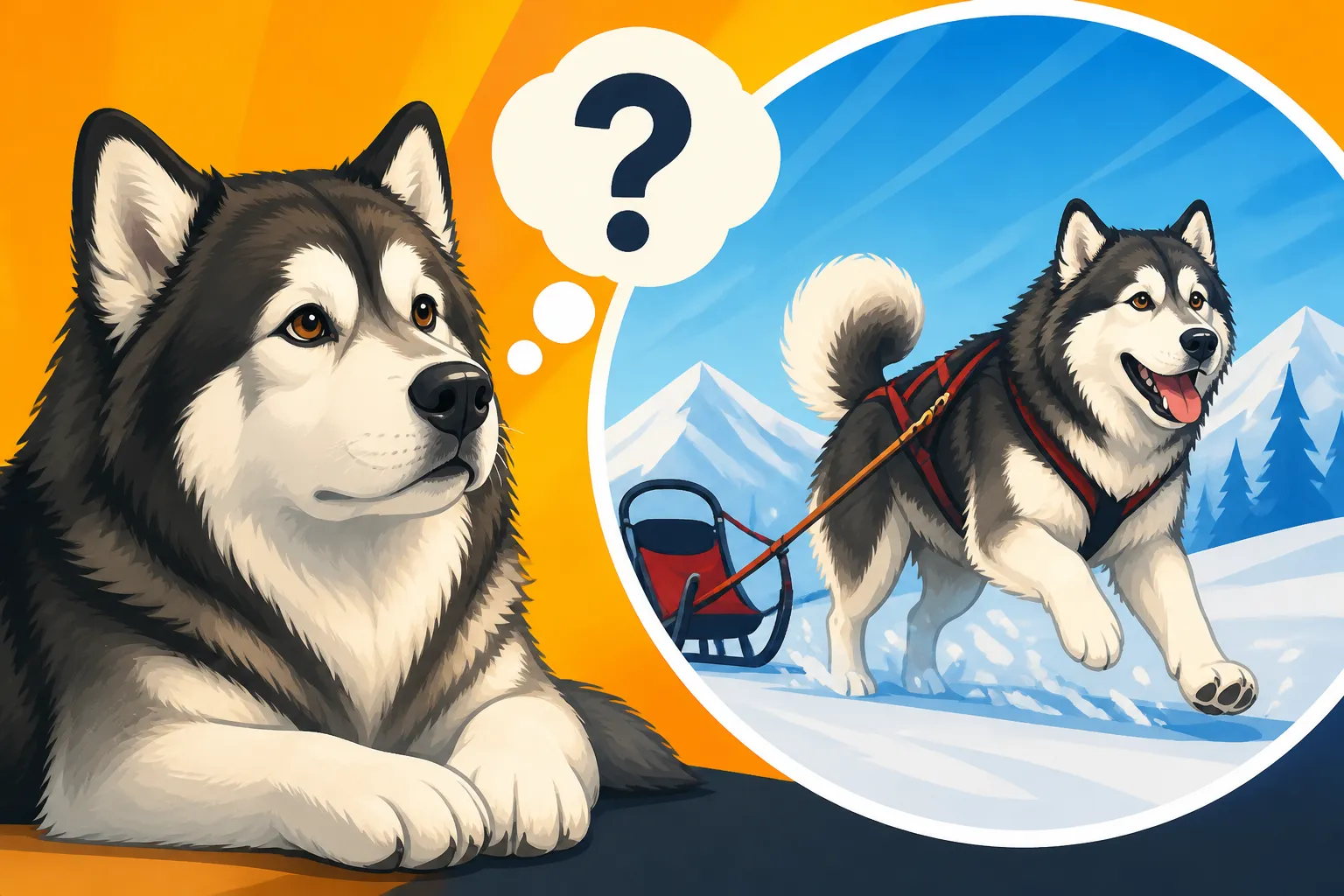
It’s a bittersweet moment when you look at your grizzled, beloved Alaskan Malamute, their muzzle flecked with white, and wonder if that innate drive to pull is still there. Many of us grapple with the question of whether our senior working dogs still yearn for the trail, or if it’s our own nostalgia that makes us think they do. This guide aims to help you understand the subtle signs your older Malamute gives, how to assess their physical capabilities, and how to safely allow them to continue enjoying their passion for pulling as they gracefully age.
The Enduring Spirit of a Senior Malamute
There's something truly profound about watching an Alaskan Malamute, even one with a bit of a wobble in their step, still light up at the sight of a harness. It reminds us that their purpose isn't just a job; it's deeply woven into their very being. Just because they've reached an age where we consider them "senior" doesn't mean their core identity as a freighting dog has evaporated.
Why the Drive to Pull Persists
For an Alaskan Malamute, pulling isn't just exercise; it's a fundamental expression of who they are. They were bred for millennia to haul heavy loads across vast, frozen landscapes, and that genetic blueprint doesn't just switch off when they turn eight or ten years old. While their bodies may not be as robust, their minds and spirits often retain that incredible work ethic and joy for the trail. Think of it like a seasoned artisan who still finds immense satisfaction in their craft, even if they can't work as long or as strenuously as they once did. The act of harnessing up, feeling the gentle resistance, and moving forward with a purpose provides immense mental stimulation and satisfaction. It's a connection to their heritage, a dance they've performed countless times, and for many, it's a source of profound happiness. Understanding that this drive is often still very much alive is the first step in honoring your senior Malamute. It's not just about what they can do, but what they want to do. Many owners notice their Malamutes, even as they hit The Age an Alaskan Malamute Counts as a Senior, still show that unmistakable sparkle in their eyes when a harness comes out.
Reading Your Malamute's Cues
The challenge with an aging Malamute isn't just about their physical limits, but about learning to interpret their quieter, more subtle communications. They are stoic animals, and they often won't overtly complain until discomfort is significant. So, how do you know if their eagerness is genuine desire or a deeply ingrained habit, perhaps even pushing through pain?
You need to become a master observer. When you bring out the harness, does your Malamute's tail wag with genuine excitement, or is it a more subdued, hesitant wag? Do they eagerly push their head into the loops, or do they stand a little stiffer, perhaps looking away briefly? On the trail, watch their gait. Is it fluid, even if slower, or do you notice any stiffness, hesitation, or favoring of a limb? Are they pulling steadily, or do they seem to lean into the harness less, taking more breaks, or showing signs of fatigue earlier than before? Observe their breathing and overall demeanor. A truly happy pulling Malamute, even an old one, will have bright eyes, loose body language, and a consistent, albeit slower, pace. If you start to see Signs an Alaskan Malamute Is Getting Old that impact their mobility, these cues become even more critical to decode. Any vocalization that isn't their typical happy "woo," or a change in their willingness to engage, should be a red flag prompting further investigation.
Assessing Your Old Malamute's Physical Capability
While the spirit may be willing, the body might have its limitations. It's crucial to objectively evaluate your senior Malamute's physical health to prevent injury and ensure their comfort. This often means working closely with your veterinarian and making adjustments to their routine.
Common Age-Related Conditions Affecting Pulling
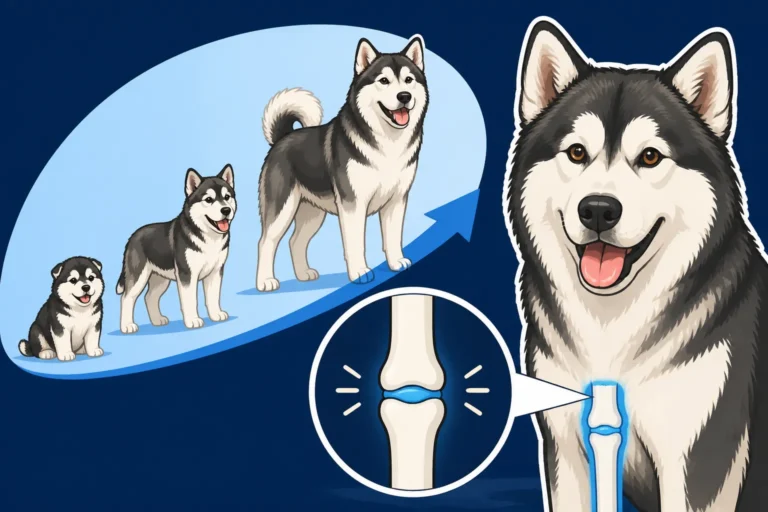
As Malamutes age, like all large breeds, they become more susceptible to certain conditions that can impact their ability to pull. Joint issues are high on that list. Arthritis can develop in their hips, elbows, and spine, making the sustained effort of pulling, especially under load, painful. Many Malamutes can develop Hip Dysplasia in an Alaskan Malamute earlier in life, which can worsen significantly with age. You might notice them moving a little slower, struggling more with stairs, or taking longer to get up after resting.
Beyond joints, muscle atrophy can set in, meaning their powerful pulling muscles become weaker and less efficient. This can make them prone to strains or simply less capable of handling even light loads. Cardiovascular health also becomes a consideration. Their heart and lungs may not be as robust, meaning they can tire more easily or become overheated more quickly. Less common, but still important, are conditions like Whether a Malamute Gets Hypothyroidism, which can cause lethargy and muscle weakness, or even subtle vision and hearing changes that can make navigating a trail more challenging. All these factors need to be weighed against their desire to work.
Consulting Your Veterinarian
Your veterinarian is your most important ally in managing your senior Malamute's health. Regular senior check-ups, ideally twice a year, become even more critical. During these visits, your vet can perform a thorough physical examination, paying close attention to joint mobility, muscle tone, and heart and lung function.
They might recommend diagnostic tests such as X-rays to assess the severity of arthritis or other orthopedic issues. Bloodwork can help rule out systemic problems like thyroid dysfunction, kidney disease, or liver issues that could impact their energy levels or overall well-being. If your Malamute is showing signs of discomfort, your vet might suggest a trial of anti-inflammatory medications, pain relievers, or joint supplements, such as those discussed in Joint Supplements for an Alaskan Malamute. Many dedicated Malamute owners find that investing in pet insurance, like Healthy Paws, offers invaluable peace of mind. It can help significantly with the costs of these more frequent vet visits, specialized diagnostics, and ongoing medications for age-related conditions, allowing you to prioritize your senior dog's comfort and continue their favorite activities for as long as possible without undue financial stress.
Modifying Workloads and Equipment
Once you've got a handle on your Malamute's physical condition with your vet's input, the next step is to make smart adjustments to their pulling routine. The days of epic, multi-mile treks with heavy loads are likely behind them, and that's okay. The goal now is enjoyment, not competition.
Start by significantly reducing the mileage and the weight they pull. Instead of five miles, maybe aim for one or two. Instead of a heavily laden sled or cart, consider a lighter rig or just letting them pull an empty one. Speed should be kept to a gentle trot or even a brisk walk. Also, think about the terrain. Avoid steep hills, deep snow that requires excessive effort, or very uneven ground that could challenge their balance and put extra strain on their joints. Opt for flat, smooth, familiar trails. Equipment also plays a role. Look for harnesses designed for comfort and even pressure distribution, perhaps with extra padding. Booties can be a lifesaver for older paws, which might have thinner pads or be more prone to cracking, especially in cold or rough conditions. And always, always be mindful of the temperature. Older Malamutes can overheat more easily, so remember that Summer Is the Season That Kills Alaskan Malamutes and plan pulling activities for the coolest parts of the day, or even skip them entirely in hot weather.
Creating a Tailored Senior Pulling Program
Even with all the considerations for age, the joy of seeing your Malamute’s tail plume high as they lean into the harness is a powerful motivator. Crafting a special program for them ensures they can continue to experience this joy safely and comfortably.
Prioritizing Comfort and Enjoyment
When working with an older Malamute, the paradigm shifts entirely. We are no longer aiming for personal bests, high speeds, or endurance records. Our focus is squarely on their comfort, mental enrichment, and sheer enjoyment. This means shorter, more frequent sessions are often better than one long, taxing one. A leisurely half-mile pull three times a week might be more beneficial and enjoyable than a two-mile pull once a week that leaves them stiff and sore.
Allow for plenty of breaks. Stop frequently for water, a sniff around, or just a moment to rest. The pace should always be dictated by your Malamute. If they slow down, you slow down. If they stop, you stop. The journey itself is now the reward, not reaching a specific destination or maintaining a certain pace. Lavish them with praise and positive reinforcement throughout the activity. This isn't about challenging them; it's about celebrating their enduring spirit and giving them a job that brings them happiness without undue strain. Remember, the core of What an Alaskan Malamute Needs Every Day is purpose and connection, and for many, pulling fulfills both.
Alternative Activities to Satisfy Their Drive
If traditional pulling becomes too much, or if you simply want to offer variety, there are many other ways to tap into that inherent Malamute drive. Light backpack excursions are a fantastic option, as discussed in Whether a Malamute Can Carry a Backpack. Even an empty backpack can give them the sense of "working" without adding significant strain. They get to carry something, which fulfills a primal urge, and you can enjoy a more leisurely walk together.
Scent work and tracking games are wonderful mental exercises that engage their powerful noses and problem-solving skills, providing profound satisfaction without physical exertion. You can set up simple scent trails in your yard or local park. For those still capable of some movement, gentle urban mushing, like very slow bikejoring or canicross on soft, flat trails, can provide that forward momentum they love, but at a controlled, comfortable pace. Even just putting on their harness and going for a "practice pull" around the block, allowing them to lean into the harness and feel that familiar resistance for a few minutes, can offer a significant psychological boost. It's about finding creative ways to honor their working heart.
Knowing When to Fully Retire
This is perhaps the hardest part of having a senior Malamute who loves to pull: knowing when to say enough is enough. It's an emotional decision, often fraught with guilt, but it's essential for their quality of life. Look for clear signs that pulling is no longer a source of joy but rather discomfort. This might include reluctance to get in the harness, favoring a leg during the activity, excessive panting or labored breathing, stiffness or limping after even a short session, or a general lack of enthusiasm that persists even with modifications.
If their body language indicates pain or severe discomfort, or if they seem genuinely unhappy during or after the activity, it’s time to seriously consider full retirement. This doesn't mean their life is over; it means transitioning to a new phase of enrichment that focuses entirely on their comfort and mental well-being. This might involve more gentle walks, car rides to new places, puzzle toys, snuggling, or simply enjoying your company. The decision to retire them fully is an act of deep love and compassion, ensuring that their golden years are filled with comfort rather than pain. It often comes down to Knowing When an Old Alaskan Malamute Has Had Enough, and that can be a heartbreaking but necessary discernment.
| Signs Your Senior Malamute Still Wants to Pull | Signs They Need to Slow Down/Retire |
|---|---|
| Eagerly approaches harness with tail wags | Hesitates or moves away from harness |
| Bright, alert eyes and loose body language | Dull eyes, stiff posture, reluctance to move |
| Maintains a consistent (even if slower) pace | Stumbles, lags, or frequently stops |
| Enjoys the experience, looking happy and engaged | Appears uncomfortable, anxious, or vocalizes pain |
| Recovers quickly after activity, minimal stiffness | Significant stiffness, limping, or difficulty rising post-activity |
| Shows interest in the trail, sniffing and exploring | Appears disinterested, head down, focused on pain |
| Good appetite and normal energy levels otherwise | Decreased appetite, lethargy, or behavioral changes |
Disclaimer
This article is for general informational purposes only and does not constitute professional advice. Laws, prices and regulations vary by location and change over time. Consult a qualified professional for guidance on your specific situation.