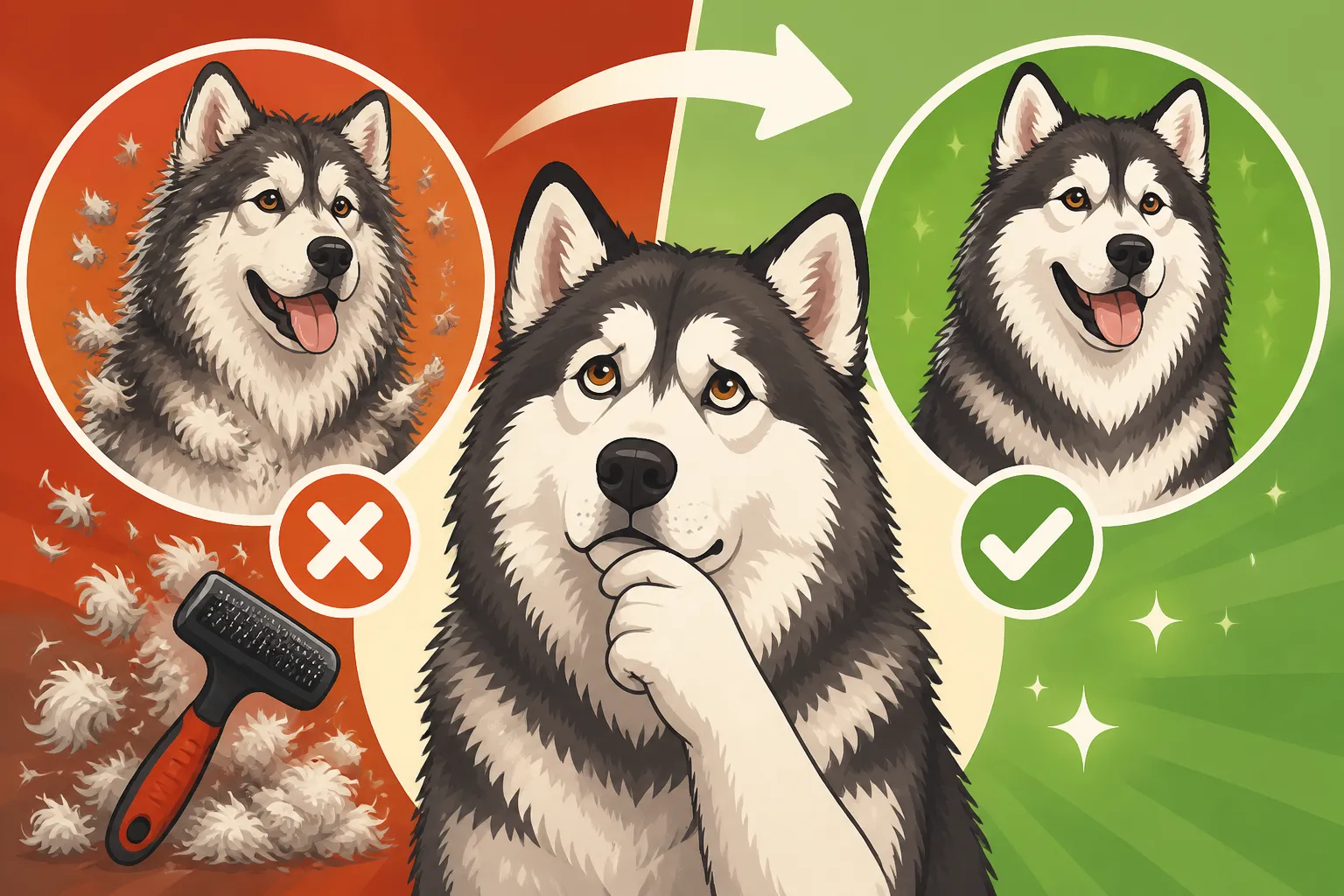
Whether a Deshedding Treatment Is Worth It on a Malamute
Anyone who lives with an Alaskan Malamute knows the sheer, unadulterated avalanche of fur that can engulf a home, especially during their infamous "coat blow." It’s a frustrating cycle, isn't it? You sweep, you vacuum, you brush, and still, tumbleweeds of soft undercoat drift across the floor. This leads many Malamute owners to wonder if those enticing professional deshedding treatments offered by groomers are truly a magic bullet, or just another expense in the never-ending battle against the floof. This guide is here to help you navigate that decision, offering a realistic look at what these treatments entail and whether they're truly worth your hard-earned money and your Malamute's patience.
Understanding the Malamute's Double Coat and Why it Sheds So Much
Let's be honest, the Malamute's coat is magnificent, a marvel of nature designed for extreme cold. But that very magnificence is precisely why it sheds with such intensity. It's not just a bit of loose hair; it's a structural component of their survival.
The Anatomy of a Malamute's Coat: Guard Hairs vs. Undercoat
Imagine wearing a winter parka that's both waterproof and incredibly warm. That's essentially what your Malamute wears year-round. Their coat consists of two distinct layers, each with a crucial role to play:
- The Outer Coat (Guard Hairs): These are the longer, coarser hairs that you see on the surface. They’re relatively straight, strong, and stiff. Their primary job is protection – they're like the waterproof shell of that parka, repelling water, snow, and dirt. They also provide a barrier against UV rays and physical abrasions. When these shed, it's usually a much smaller, more manageable amount, often just individual hairs that have reached the end of their life cycle.
- The Undercoat: Ah, the culprit behind the "Malamute snowstorm"! This layer is incredibly dense, soft, and woolly, much like a thick layer of fleece. It grows shorter than the guard hairs and is responsible for insulation, trapping air close to the dog's body to keep them warm in freezing temperatures and, paradoxically, helping to regulate their temperature in warmer weather. It's this undercoat that comes out in astounding volumes, especially when your Malamute decides it's time for a major wardrobe change.
The frustration is real when you feel like you're brushing for hours, only for more fur to appear out of nowhere. It's because that undercoat is so tightly packed, and it's constantly being replaced. When the seasons change, or sometimes even just because their body decides it's time, they "blow" this undercoat, shedding massive clumps to make way for a new, appropriate layer for the upcoming weather.
The Natural Cycle of a Malamute's Coat Blow
Most people expect dogs to shed, but the Malamute's coat blow is on an entirely different level. It’s a phenomenon that truly needs to be witnessed to be believed. Typically, an Alaskan Malamute will experience two major coat blows a year. You’ll usually see this happen in spring, as they prepare for warmer weather by shedding their heavy winter undercoat, and then again in the fall, making space for the new, denser winter insulation to grow in.
However, it’s not always so neat and tidy. Some Malamutes, particularly those living in more consistent indoor temperatures, might shed a more moderate amount year-round, punctuated by a couple of heavier "blowouts." Intact females also often experience a significant coat blow after their heat cycle or after weaning a litter, which is a hormonal response. During these periods, the amount of loose fur can be truly overwhelming. We're talking about enough fur to make another small dog! It accumulates in corners, floats in the air, and attaches itself to every piece of furniture, clothing, and even your morning coffee. For a deeper dive into this phenomenon, you might find When an Alaskan Malamute Blows Its Coat helpful. The sheer volume can be shocking, and it can feel like it never ends. If you've ever felt like The Malamute Coat Blow That Fills a Vacuum in an Afternoon, you're not alone!
What Exactly is a Professional Deshedding Treatment?
When you’re knee-deep in Malamute fluff, the idea of someone else tackling the problem with specialized tools sounds incredibly appealing. But what exactly are you paying for when you opt for a professional deshedding treatment?
The Process: Specialized Shampoos, Conditioners, and Tools
A typical professional deshedding treatment is more than just a regular bath. Groomers often follow a multi-step process designed specifically to loosen and remove as much dead undercoat as possible:
- Specialized Bath: It starts with a thorough bath using deshedding shampoos and conditioners. These products often contain ingredients formulated to moisturize the skin and hair follicles, making it easier for the loose undercoat to release. The groomer will usually lather the dog thoroughly, allowing the products to soak in for a few minutes to work their magic.
- High-Velocity Dryer: This is where a significant amount of the magic happens. After the bath, a powerful high-velocity dryer is used to blow water (and subsequently, a huge amount of loose hair) off the dog’s coat. These dryers are incredibly strong, far more powerful than anything you’d typically have at home, and they effectively blast out the dead undercoat that's still clinging to the skin. It’s like a mini hurricane for fur, and it's often the most effective step in physically separating the old coat from the new. What a Force Dryer Does for a Malamute's Coat Blow is truly remarkable.
- Deshedding Tools: Once the coat is mostly dry, the groomer will use a variety of specialized tools. This might include undercoat rakes, which have long, blunt teeth designed to reach deep into the dense undercoat and pull out loose hairs without cutting the guard hairs. They may also use tools that resemble a brush with a fine comb-like edge (often referred to generically by brand names like Furminator, though many different companies make similar tools). These tools are used carefully to ensure that only dead undercoat is removed, reducing the amount of shedding.
The goal is to physically extract as much of that dense, fluffy undercoat as possible in a single session, aiming to give you a reprieve from the daily shedding struggle.
The Claims: What Groomers Promise
When you're struggling with a mountain of Malamute fur, the promises made by groomers for deshedding treatments sound like a dream come true. You'll often hear claims like:
- "Reduces shedding by up to 90%!"
- "Leaves your dog’s coat healthier and shinier!"
- "Significantly decreases the amount of fur in your home!"
- "Helps prevent matting and skin issues!"
These claims are enticing, and to some extent, they do hold true in the short term. A good deshedding treatment will remove an impressive amount of loose undercoat, and your Malamute's coat will feel lighter and look tidier immediately afterward. The promise of a healthier coat is also plausible, as removing dead hair allows for better air circulation to the skin and can prevent matting, especially in the denser areas.
However, for a Malamute owner, it’s crucial to approach these promises with a dose of realistic skepticism. Your Malamute is built to shed. It’s a fundamental part of their biology. While a professional treatment can certainly reduce the visible shedding for a period, it won't stop it entirely or permanently. The undercoat will continue to grow and shed as part of their natural cycle. The "up to 90% reduction" often refers to the amount of hair removed during the grooming session itself, not the long-term reduction in shedding over weeks or months. It’s more about a concentrated effort to remove a backlog of fur, rather than preventing future shedding.
Is it Worth the Cost for an Alaskan Malamute? Pros and Cons
This is the million-dollar question for many Malamute owners. The answer, as with most things in life, isn't a simple yes or no. It depends on your circumstances, your budget, and your Malamute's tolerance for grooming. Let's weigh the potential benefits against the realistic downsides.
The Potential Benefits of Professional Deshedding
When performed correctly, a professional deshedding treatment can offer some tangible advantages, especially during those intense coat blow seasons.
- Immediate, Significant Reduction in Loose Fur: This is arguably the biggest and most immediate benefit. A professional groomer with the right tools and techniques can remove an astonishing amount of dead undercoat in one session. This means for a few days, or even a couple of weeks, you'll notice a marked decrease in the amount of fur floating around your house, on your clothes, and on your furniture. For someone overwhelmed by fur, this can provide a much-needed reprieve and a reset button.
- Improved Coat and Skin Health: By thoroughly removing dead hair, a deshedding treatment allows for better air circulation to the skin. This can reduce the risk of skin irritations, hot spots, and matting, especially in denser areas like behind the ears, armpits, and britches. The undercoat can become packed and prevent the skin from breathing, leading to problems. A deep clean can alleviate this. Furthermore, proper brushing and removal of dead hair helps distribute natural oils, contributing to a healthier-looking, shinier coat.
- Convenience and Time-Saving: Let’s face it, brushing out a Malamute during a coat blow is a monumental task that can take hours, even days, of consistent effort. Not everyone has the time, the physical ability, or the appropriate high-velocity dryer to do it effectively at home. Handing your Malamute over to a professional groomer means they do the heavy lifting, saving you valuable time and effort. It's especially helpful if you're preparing for guests or an event and want your home to be as fur-free as possible. Many pet supply retailers, like Chewy, offer a wide array of grooming tools and even direct you to local grooming services, highlighting the demand for such convenience.
The Downsides and Realistic Expectations
While the benefits are clear, it's equally important to have realistic expectations and understand the potential drawbacks of professional deshedding treatments for an Alaskan Malamute.
- The Cost Factor: Professional grooming, especially for a large, double-coated breed like a Malamute requiring specialized deshedding, is not cheap. What a Groomer Adds for a Malamute's Undercoat can significantly increase the price of a standard bath. These treatments need to be repeated, usually seasonally, to maintain the reduced shedding. If you factor in two or three treatments a year over your Malamute’s lifespan, the costs can quickly add up, easily becoming a significant line item in your annual pet budget. This isn't a one-and-done solution; it's an ongoing expense if you want to reap the benefits regularly.
- Temporary Relief, Not a Permanent Cure: This is perhaps the most crucial point for Malamute owners. A deshedding treatment removes the current loose undercoat. It does not alter your Malamute's natural shedding cycle. Within a few weeks, sometimes even sooner if they're in the peak of a coat blow, new undercoat will grow and old undercoat will start to loosen again. You will still have to brush your dog at home. The idea that a single treatment will make your house magically fur-free for months is simply not realistic for an Alaskan Malamute.
- Stress for the Dog: Not all Malamutes enjoy the grooming process, particularly the loud noise of a high-velocity dryer or being handled extensively by a stranger. While many groomers are excellent at making dogs comfortable, some Malamutes may find the experience stressful. For dogs with anxiety or those not well-socialized to grooming, repeated professional deshedding could be a negative experience.
- Risk of Improper Technique: Unfortunately, not all groomers are equally skilled or knowledgeable about double-coated breeds. Improper use of deshedding tools can damage the guard hairs, potentially altering the texture of the coat, or even irritating the skin. Shaving a Malamute's coat, while sometimes done by inexperienced groomers in an attempt to "stop shedding," is a huge mistake. Why an Alaskan Malamute Must Never Be Shaved is a crucial piece of knowledge for any Malamute owner, as it can ruin their natural insulation and protective qualities, leading to skin issues and difficulty regulating body temperature. You need to ensure your groomer is experienced with Arctic breeds.
- Still Requires Home Grooming: Even with professional deshedding, you cannot completely abdicate your grooming responsibilities. You’ll still need to brush your Malamute regularly, especially during a coat blow, to keep on top of the shedding and prevent matting. A professional treatment simply makes your home efforts a bit easier for a little while. For more on the ongoing battle, consider How Long a Malamute Coat Blow Takes to Brush Out.
DIY Deshedding at Home: A More Sustainable Approach
Given the costs and temporary nature of professional treatments, many Malamute owners find that a consistent, well-equipped home grooming routine is a more sustainable and ultimately more effective long-term strategy for managing their dog's epic shedding.
The key here is consistency and having the right tools. You don't need to be a professional groomer, but you do need to commit to regular sessions, especially during those heavy shedding periods.
- High-Velocity Dryer: If you're serious about tackling the undercoat at home, investing in your own high-velocity dog dryer is arguably the single most effective tool you can buy. While it's an upfront cost, it pays for itself quickly compared to repeated professional treatments. These dryers are fantastic for blasting out loose undercoat after a bath and can significantly reduce drying time, preventing damp coat issues.
- Quality Undercoat Rakes and Brushes: Forget flimsy brushes. You need tools designed to penetrate the dense undercoat without damaging the guard hairs. An undercoat rake with long, rotating teeth is essential. A sturdy slicker brush can help after the bulk of the undercoat is removed, and a wide-toothed comb is great for checking for any tangles. Which Brush Gets Through a Malamute's Undercoat is a deep dive into choosing the right arsenal for the job. Regular brushing is paramount, and during a coat blow, it might even mean daily sessions to really make a dent. For ideas on frequency, check out How Often an Alaskan Malamute Needs Brushing.
- Regular Baths with Deshedding Shampoo: While a high-velocity dryer is crucial, regular bathing with a good deshedding shampoo and conditioner can help loosen that undercoat. Ensure you rinse thoroughly to avoid skin irritation.
- Nutrition for a Healthy Coat: A dog's diet plays a significant role in coat health. A high-quality diet rich in Omega fatty acids can contribute to healthier skin and coat, potentially reducing excessive shedding (though it won't stop the natural blow). Brands like Ollie focus on fresh, high-quality ingredients that can support overall canine health, including skin and coat. You can also look for reputable kibble brands on platforms like Chewy that offer formulas specifically for skin and coat health.
This DIY approach requires effort and dedication, but it allows you to manage the shedding on your own terms, at your dog’s pace, and without the recurring professional grooming fees.
| Feature | Professional Deshedding Treatment | DIY Home Grooming (Equipped) |
|---|---|---|
| Effectiveness | High initial removal of loose undercoat | High, with consistent effort and proper tools |
| Cost | High recurring cost per session | High initial investment for tools, then low ongoing cost |
| Convenience | You drop off, they do the work | Requires your time and effort at home |
| Stress for Dog | Varies, potentially high due to unfamiliarity, noise | Can be less stressful, done at home, at dog's pace |
| Coat/Skin Health | Excellent if done properly, prevents matting | Excellent with consistent care, prevents matting |
| Required Tools | Groomer's equipment | High-velocity dryer, undercoat rake, deshedding shampoo |
| Long-Term Impact | Temporary relief, shedding resumes | Consistent management, proactive approach to shedding |
| Skill Required | Professional groomer | Owner learns proper techniques, patience |
Making the Decision: When to Consider Professional Help
So, when does it make sense to bring in the pros, and when is it best to stick to your own routine? It really boils down to your specific needs and circumstances as a Malamute owner.
When Professional Deshedding Might Be a Good Idea
Despite the arguments for DIY grooming, there are definitely scenarios where outsourcing the deshedding process to a professional groomer can be incredibly beneficial and even necessary:
- Physical Limitations: If you have physical limitations, such as back problems, arthritis, or other health issues that make it difficult to perform the strenuous task of brushing a large, dense-coated dog for extended periods, then professional grooming is a fantastic option. Your Malamute still needs proper coat care, and a groomer can ensure they get it without you risking injury or discomfort.
- Severe Matting or Packed Undercoat: While prevention is always the best cure, sometimes, despite your best efforts, a Malamute's undercoat can become severely packed or even matted. This is especially true if a section gets wet and isn't dried properly, or if an area is simply missed during regular brushing. In these cases, a professional groomer has the expertise, tools, and sometimes even a second pair of hands to carefully and safely detangle or remove the matted fur without causing pain or skin damage. Trying to tackle severe matting at home can be agonizing for both you and your dog.
- Lack of Time or Equipment: If your schedule is absolutely packed, or if you simply don't have the space, budget, or inclination to invest in a high-velocity dryer and a full arsenal of grooming tools, then a professional service offers a convenient solution. It ensures your Malamute receives proper coat maintenance even if you can't provide it yourself. It's a trade-off of time and money, and for some, that trade-off is well worth it.
- One-Off Situations: Perhaps you're moving, hosting an important event, or just need a temporary break from the fur onslaught. A professional deshedding can be a great way to "reset" the house, remove a large volume of fur quickly, and give you a clean slate before resuming your home grooming routine.
- Allergies in the Household: If someone in your household has mild dog allergies, a professional deshedding can help reduce dander and loose hair, which are common allergy triggers, providing a period of relief. It's not a cure, but it can lessen symptoms.
Long-Term Strategies for Managing Malamute Shedding
Regardless of whether you use professional services or stick solely to DIY, effective long-term management of your Alaskan Malamute's shedding requires a multi-pronged approach rooted in understanding their unique coat.
- Consistent, Regular Brushing: This is the absolute cornerstone of Malamute coat care. During heavy coat blows, you might need to brush daily or every other day. At other times, a couple of times a week might suffice. The goal is to remove loose undercoat before it has a chance to fall out around your house or become matted. Remember, How Much Undercoat Comes Off an Alaskan Malamute can be immense, so consistent effort is key.
- Appropriate Diet and Supplements: A healthy coat starts from within. Feed your Malamute a high-quality, balanced diet. Some owners find that adding Omega-3 and Omega-6 fatty acid supplements, like fish oil, can contribute to healthier skin and a shinier coat, potentially reducing the amount of unhealthy shedding. Always discuss supplements with your vet. Brands like Ollie emphasize fresh, nutrient-rich food, and you can find many quality supplements on Chewy designed to support coat health.
- Proper Bathing and Drying: When you do bathe your Malamute, ensure you use appropriate shampoos and conditioners, and most importantly, dry them thoroughly. A damp undercoat can quickly become a breeding ground for skin issues and matting. A high-velocity dryer is invaluable here.
- Regular Veterinary Check-ups: Sometimes, excessive or unusual shedding can be a sign of underlying health issues, such as allergies, parasites, or hormonal imbalances. Whether a Malamute Gets Hypothyroidism for instance, can manifest in coat changes. Regular veterinary check-ups are essential to rule out any medical causes for shedding concerns. Pet insurance, like that offered by Healthy Paws, can be a valuable tool to help manage unexpected veterinary costs should a skin or coat issue arise that requires more than just grooming.
- Embrace the Fur: Ultimately, living with an Alaskan Malamute means living with fur. It’s part of the package. While you can manage and reduce the amount of loose hair in your home, you will never eliminate it entirely. A sense of humor, a good vacuum cleaner, and accepting that your clothes will forever bear some Malamute glitter are essential parts of the Malamute ownership experience. As for the year-round aspect of shedding, you might be interested in Whether an Alaskan Malamute Sheds All Year.
Deciding whether a deshedding treatment is worth it for your Malamute depends on your individual circumstances. For some, it's a valuable service that provides a much-needed break from the fur onslaught. For others, a dedicated home grooming routine with the right tools is more economical and equally effective. Either way, understanding your Malamute's unique coat and committing to its care is paramount to their health and your sanity.
Disclaimer
This article is for general informational purposes only and does not constitute professional advice. Laws, prices and regulations vary by location and change over time. Consult a qualified professional for guidance on your specific situation.