How Much a Malamute Can Pull
There's a common misconception that all sled dogs are built for speed, zipping across frozen landscapes in a blur. While some breeds excel at lightning-fast sprints, the Alaskan Malamute was bred for a different, equally impressive task: hauling immense weight over long distances. If you've ever wondered just how much power lies within those broad chests and sturdy legs, this guide is for you. We're going to dive deep into the incredible pulling capabilities of the Alaskan Malamute, exploring their historical purpose, the factors that influence their strength, and how you can safely engage them in this fulfilling activity.
The Malamute's Historical Role: Freight vs. Speed
To truly appreciate the Alaskan Malamute's pulling prowess, we need to look back at their origins. These magnificent dogs weren't developed for races or quick dashes; they were the indispensable partners of the Mahlemut people of Alaska, bred for survival in one of the harshest environments on Earth. Their very physiology speaks to a heritage of strength, endurance, and a relentless drive to move heavy loads.
Built for Endurance, Not Speed
Imagine vast, snowy expanses where survival depended on moving supplies, game, and even people across challenging terrain. This wasn't a job for a lightly built, sprint-focused dog. The Malamute's ancestors needed to be powerful, with a dense bone structure, deep chest, and well-muscled body to sustain effort for hours, even days, on end. Their efficient metabolism meant they could do more with less, a crucial trait when food supplies were scarce. Their gait is not designed for blistering speed but for a tireless, ground-covering trot that conserves energy while moving a substantial load. This is a fundamental difference that sets them apart from the more common image of a "sled dog." They are the marathon runners of the canine freight world, not the sprinters. This inherent design is what makes them so robust and capable when it comes to pulling. If you've ever observed a Malamute's powerful rear drive, you'll see generations of selective breeding for sheer force in action.
The Mahlemut's Needs
The indigenous Mahlemut people of the Kotzebue Sound region developed these dogs specifically for their utilitarian needs. Their survival depended on a reliable method of transportation for hunting and daily life. They needed dogs that could haul heavy catches of seals or fish, transport building materials, and move their families and possessions when camps needed to be relocated. Picture a team of these powerful animals drawing a loaded sled piled high with provisions, slowly but steadily navigating through deep snow or across frozen rivers. Speed was secondary to the ability to consistently move a significant amount of weight, day after day, through unforgiving conditions. This consistent, heavy-duty work shaped the breed's physical attributes and their deep-seated desire to pull. Without these dogs, the Mahlemut's way of life would have been impossible. Their needs were practical and survival-driven, directly translating into the Malamute's incredible capacity to pull. For more insight into their historical purpose, consider Freight, Not Speed: What Separates a Malamute From a Racing Dog.
Genetic Predisposition
Over centuries, the selective breeding practices of the Mahlemut people honed the Malamute's genetics for pulling. Dogs that excelled at moving heavy loads, possessed unwavering stamina, and had the robust physical build to withstand the rigors of the Arctic were the ones chosen to reproduce. This isn't just about physical strength; it's also about an innate drive and mental fortitude. A Malamute inherently wants to pull. It’s not just a physical act for them; it’s a deep-seated instinct, a job they feel compelled to do. When you harness a Malamute, you're tapping into generations of purpose-bred instinct. This genetic predisposition means that even a Malamute living a pampered pet life often displays a strong inclination to pull on their leash, sometimes to the exasperation of their owners! It's not defiance; it's simply what they were born to do. This powerful desire is a gift, provided it's channeled appropriately.
Factors Influencing a Malamute's Pulling Capacity
While all Alaskan Malamutes possess an impressive inherent ability to pull, the actual amount of weight an individual dog can move is influenced by a combination of physical, mental, and environmental factors. It's not just a matter of hooking them up to something heavy; it's a nuanced interplay of many elements.
Physical Condition and Health
First and foremost, a Malamute's physical condition and overall health are paramount. A dog must be in excellent shape to safely engage in pulling activities, especially competitive weight pulling. This means having appropriate muscle mass, a healthy cardiovascular system, and sound joints. Conditions like Hip Dysplasia in an Alaskan Malamute or elbow dysplasia, which are not uncommon in large breeds, can severely limit a dog's ability to pull safely and comfortably. Even minor injuries or underlying health issues can compromise their performance and put them at risk. Regular veterinary check-ups are crucial to ensure they are fit for work. A Malamute that is overweight or underweight will not perform optimally and could be prone to injury. Think of an athlete; they require peak physical conditioning, and your Malamute is no different if you expect them to engage in demanding work. Their diet also plays a role, ensuring they receive the proper nutrients to support muscle development and energy levels.
Training and Conditioning
Even with the best genetics, a Malamute won't reach its full pulling potential without proper training and conditioning. This isn't just about teaching them to lean into a harness; it's about gradually building their strength, stamina, and mental focus. Training should start with light weights and short distances, slowly increasing the load and duration as the dog's fitness improves. Consistent, progressive training helps build the specific muscle groups used in pulling, strengthens their core, and develops their endurance. It also teaches them proper pulling technique, such as keeping a low center of gravity and using their body efficiently. Just like a human weightlifter doesn't start by lifting their maximum capacity, a Malamute needs a structured program to get there. This also includes mental conditioning – teaching them to ignore distractions and focus on the task at hand. Resources for general obedience and foundation work, such as online courses from BAXTER & Bella, can be a great starting point before moving into specialized pulling commands.
Individual Temperament and Drive
Beyond physical attributes, an individual Malamute's temperament and drive play a significant role in how much they can pull. Some Malamutes possess an extraordinary will to work, with an almost unstoppable determination. They thrive on the challenge and find immense satisfaction in completing a task. Others, while still capable, might not have the same level of intensity or focus. A dog's confidence, willingness to please, and ability to concentrate under pressure are all factors. A strong bond between handler and dog is also critical, as trust and clear communication enhance performance. A Malamute that is eager and happy in its work will consistently outperform one that is hesitant or easily distracted. This deep desire to perform is why Pulling Is the Only Job an Alaskan Malamute Really Wants rings so true for many owners. It's about harnessing that incredible spirit as much as their physical strength.
Understanding Weight Pulling Sports
If you've never seen a Malamute in a competitive weight pull event, you might be surprised by the sheer power they can demonstrate. This sport is a true testament to their historical purpose and genetic design, showcasing their ability to move astonishing amounts of weight.
What is Weight Pulling?
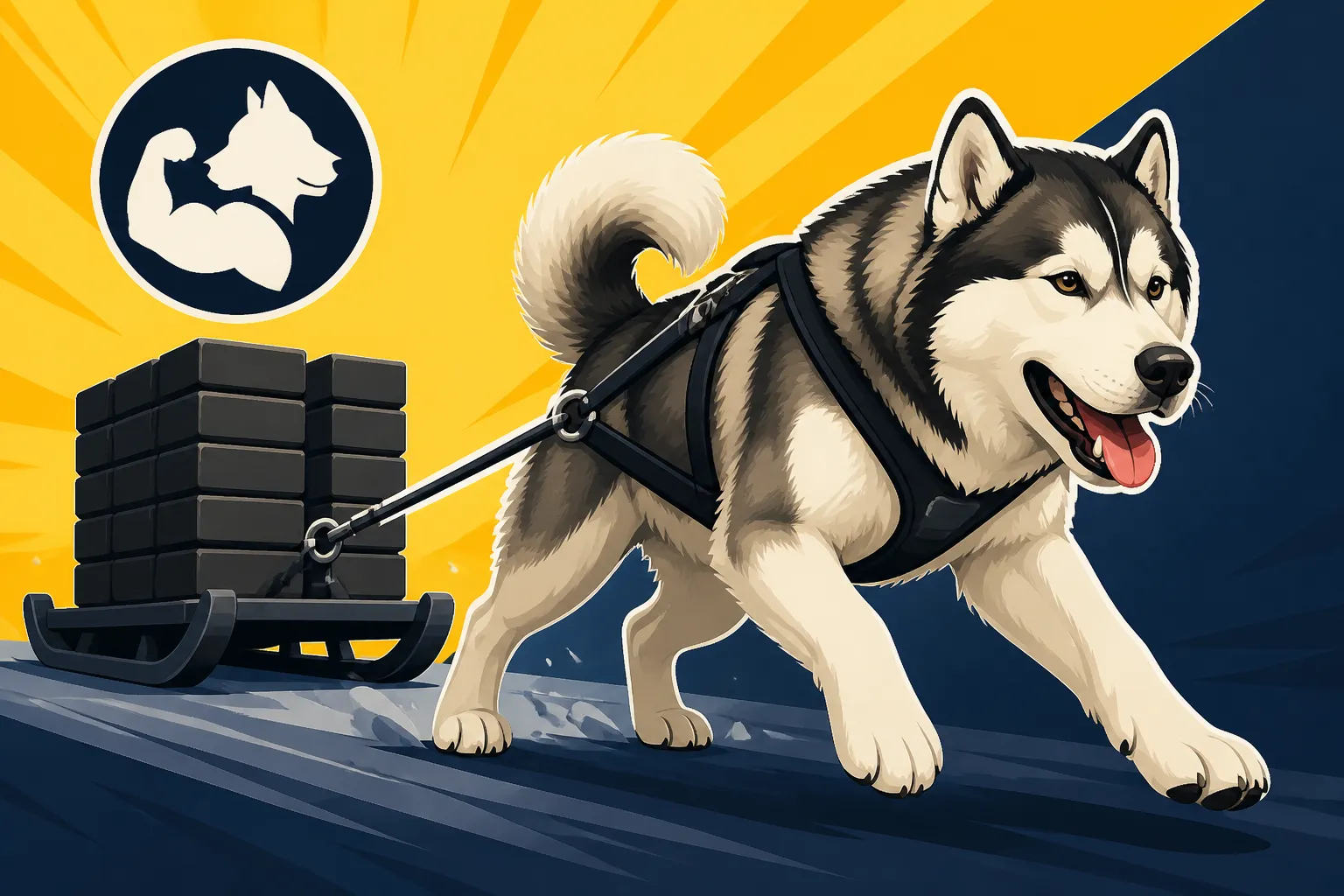
Weight pulling is a canine sport where dogs pull a weighted cart or sled a short distance, typically 15-20 feet, on a surface like dirt, carpet, or snow. Dogs compete in different weight classes to ensure fair competition. The objective is to pull the most weight relative to their body size, or simply the most weight overall. It's not a race; it's a pure test of strength, technique, and mental fortitude. The equipment is specialized, featuring a padded, form-fitting harness designed to distribute the load evenly across the dog's chest and shoulders, preventing injury. The dog is given a set amount of time to complete the pull, with handlers encouraging them from the finish line. It’s a remarkable display of raw power and canine athleticism, and it’s one of the few dog sports where the Malamute truly shines, often outperforming many other breeds due to their specialized build.
Average Pulling Capacities
This is where the Malamute truly impresses. While numbers can vary greatly depending on the dog's training, condition, and individual drive, a well-trained Alaskan Malamute can pull many times their own body weight. In sanctioned weight pull competitions, it's not uncommon for Malamutes to pull loads ranging from 1,000 to over 3,000 pounds on dirt or carpet, and even more on snow or ice where friction is significantly reduced. Some exceptional dogs have even pulled upwards of 4,000 to 5,000 pounds!
To put this in perspective, here's a general idea of what a fit, trained Malamute might accomplish:
| Surface | Average Trained Malamute (lbs) | Exceptional Malamute (lbs) | Relative to Body Weight (Avg) |
|---|---|---|---|
| Dirt/Carpet | 1,000 – 2,000 | 3,000 – 4,000+ | 10-20 times body weight |
| Snow/Ice | 1,500 – 3,000 | 4,000 – 5,000+ | 15-30 times body weight |
Please remember these are general ranges and not guarantees. A dog's actual performance will depend heavily on all the factors discussed above.
It's important to differentiate between competitive pulling and recreational freighting. For everyday activities like pulling a child in a sled or a cart with groceries, a Malamute can easily handle loads of 100-300 pounds without strain, provided they are fit and properly conditioned. The key is always to start light and build up gradually, ensuring the dog enjoys the work and remains healthy. For a closer look at competitive numbers, see How Much a Malamute Can Pull in Competition.
The Mechanics of a Successful Pull
A successful pull in weight sports isn't just about brute strength; it's a sophisticated interplay of technique, balance, and mental focus. The Malamute uses its entire body as a lever. They dig their powerful rear legs into the ground for traction, lower their chest to engage their full body weight, and lean into the harness with their shoulders and chest. Their low center of gravity and broad stance provide stability. The ideal technique involves a smooth, consistent pull, avoiding jerky movements that can waste energy or cause injury. Handlers often use specific commands and encouragement to motivate their dog to start and maintain the pull. The fit of the harness is absolutely critical here; a poorly fitting harness can chafe, restrict movement, and lead to injury, making a successful pull impossible. The dog needs to feel comfortable and confident in their gear to exert maximum effort safely.
Safe Practices for Working Your Malamute
Engaging your Malamute in pulling activities can be incredibly rewarding, both for you and your dog, as it taps into their natural instincts. However, safety must always be the top priority. Without proper precautions, you risk injury to your dog and a negative experience that could dampen their enthusiasm for the work.
Essential Gear
The right equipment is non-negotiable for any pulling activity. The most crucial piece of gear is a properly fitted harness. This isn't just a walking harness; it's a specialized pulling harness designed to distribute pressure evenly across the dog's chest and shoulders, allowing them to lean into the weight without restricting their breathing or movement. There are various styles, such as X-back harnesses for sledding or carting, and weight pull harnesses that are heavily padded and designed for extreme loads. A common mistake is using a regular walking harness, which puts all the pressure on the dog's throat and can cause severe injury.
Beyond the harness, you'll need ganglines (the lines connecting the harness to the cart/sled), and the cart or sled itself. For weight pulling, these are specialized carts with weighted platforms. For recreational pulling, you might use a child's sled, a wagon, or a purpose-built dryland cart. Always inspect all equipment before each use for wear and tear. You can often find a wide range of suitable harnesses and basic pulling accessories on platforms like Amazon, but always prioritize quality and fit over price. To learn more about specific equipment, check out What a Weight Pull Harness for a Malamute Costs.
Environmental Considerations
The environment plays a massive role in safe pulling. Alaskan Malamutes are bred for cold climates, and heat is their enemy. Never engage in strenuous pulling activities when temperatures are high or humid. Even moderate temperatures can be dangerous, especially with their thick double coat. Early morning or late evening in cooler seasons are ideal. Always carry plenty of water for both you and your dog, and offer frequent breaks for hydration. Terrain also matters. Smooth, even surfaces like packed dirt or snow are preferable. Avoid rough, rocky, or asphalt surfaces that can injure paw pads or strain joints. Pay attention to your dog's signals. Excessive panting, lagging, or seeking shade are all signs they are overheating or tiring, and you should stop immediately. Remember, Summer Is the Season That Kills Alaskan Malamutes, so extreme caution is warranted.
Avoiding Injury and Overtraining
Preventing injury and overtraining is critical for a long and happy pulling career for your Malamute. Always start with a proper warm-up: a brisk walk or light jog to get their muscles ready. Similarly, end with a cool-down period. Never jump straight into heavy pulling. The progression should be slow and steady, gradually increasing weight and distance over weeks and months, not days. Listen to your dog. If they seem reluctant, tired, or show any signs of discomfort (limping, stiffness, altered gait), stop the activity and consult your veterinarian. Don't push them to perform beyond their current conditioning level or when they're not feeling their best. Proper nutrition and joint support can also contribute to their longevity in pulling activities. Consider discussing Joint Supplements for an Alaskan Malamute with your vet, especially as your dog ages or if they are performing heavy work. Consistency, moderation, and attentive observation are your best tools for keeping your Malamute safe and sound.
How to Introduce Your Malamute to Pulling Work
Introducing your Alaskan Malamute to pulling work can be an incredibly rewarding experience, tapping into their deepest instincts. However, it's a process that requires patience, positive reinforcement, and a step-by-step approach to build confidence and strength. Rushing it can lead to frustration for both of you, and potentially even injury.
Puppy Foundations and Early Exposure
While serious weight pulling shouldn't begin until a Malamute is fully grown and their growth plates have closed (typically around 18-24 months), you can lay crucial groundwork during puppyhood. Start with basic obedience training: teaching reliable 'stay', 'come', 'leave it', and 'walk nicely on a leash' commands. A solid foundation in manners makes future specialized training much smoother. Positive reinforcement is key here – Malamutes respond best to clear, consistent, and reward-based training. Online training resources, like those offered by BAXTER & Bella, can be invaluable for establishing these foundational skills. Early exposure to different environments, sights, and sounds, known as socialization, also builds a confident and calm dog, which is essential for focused work. You can introduce a light, well-fitting harness early on, just to get them accustomed to wearing it, even if they're not pulling anything yet. This ensures the harness itself isn't a novel or startling experience when it's time to add weight. Remember, the goal in puppyhood is confidence, good manners, and a positive association with harnesses and learning.
Gradual Weight Introduction
Once your Malamute is physically mature and has a strong obedience foundation, you can begin introducing them to actual pulling. The keyword here is gradual. Start with extremely light loads – sometimes just an empty cart or a small log that drags easily. The initial goal is simply to get them used to the sensation of something behind them and to understand that leaning into the harness means moving forward.
Begin with very short distances, maybe just across the yard. Celebrate every forward step with enthusiastic praise and high-value treats. As they become comfortable and confident with the light load, you can slowly, incrementally increase the weight. Never add too much weight at once, and always observe your dog for any signs of strain or discomfort. A good rule of thumb is that the dog should still be able to move the weight easily and enthusiastically. The progression should be over weeks and months, not days. This careful approach prevents injury, builds muscle and stamina safely, and most importantly, keeps the activity fun and engaging for your Malamute. For considerations on when to start, refer to The Age a Malamute Can Start Pulling.
Positive Reinforcement and Motivation
Alaskan Malamutes are intelligent and strong-willed, and they thrive on positive reinforcement. Forcing a Malamute to pull is a recipe for disaster; they will shut down, become resistant, or develop a negative association with the activity. Instead, make pulling a joyful partnership. Use plenty of praise, petting, and the highest value treats you can find when they perform well. Celebrate every milestone, no matter how small.
Some Malamutes are highly motivated by toys or a favorite activity, so find what truly excites your dog. Keeping training sessions short, fun, and varied prevents boredom, which Malamutes are notorious for. Always end on a positive note, even if it means doing one last easy pull and showering them with rewards. This ensures they look forward to the next session. Remember, your Malamute wants to pull; your job is to guide that natural instinct in a positive, safe, and motivating way. A strong, positive relationship built on trust and mutual respect will make all the difference in their pulling journey. This deep bond is truly why Why a Pet Malamute Still Needs to Pull is so crucial, fostering a complete and happy life for your working breed.
Disclaimer
This article is for general informational purposes only and does not constitute professional advice. Laws, prices and regulations vary by location and change over time. Consult a qualified professional for guidance on your specific situation.