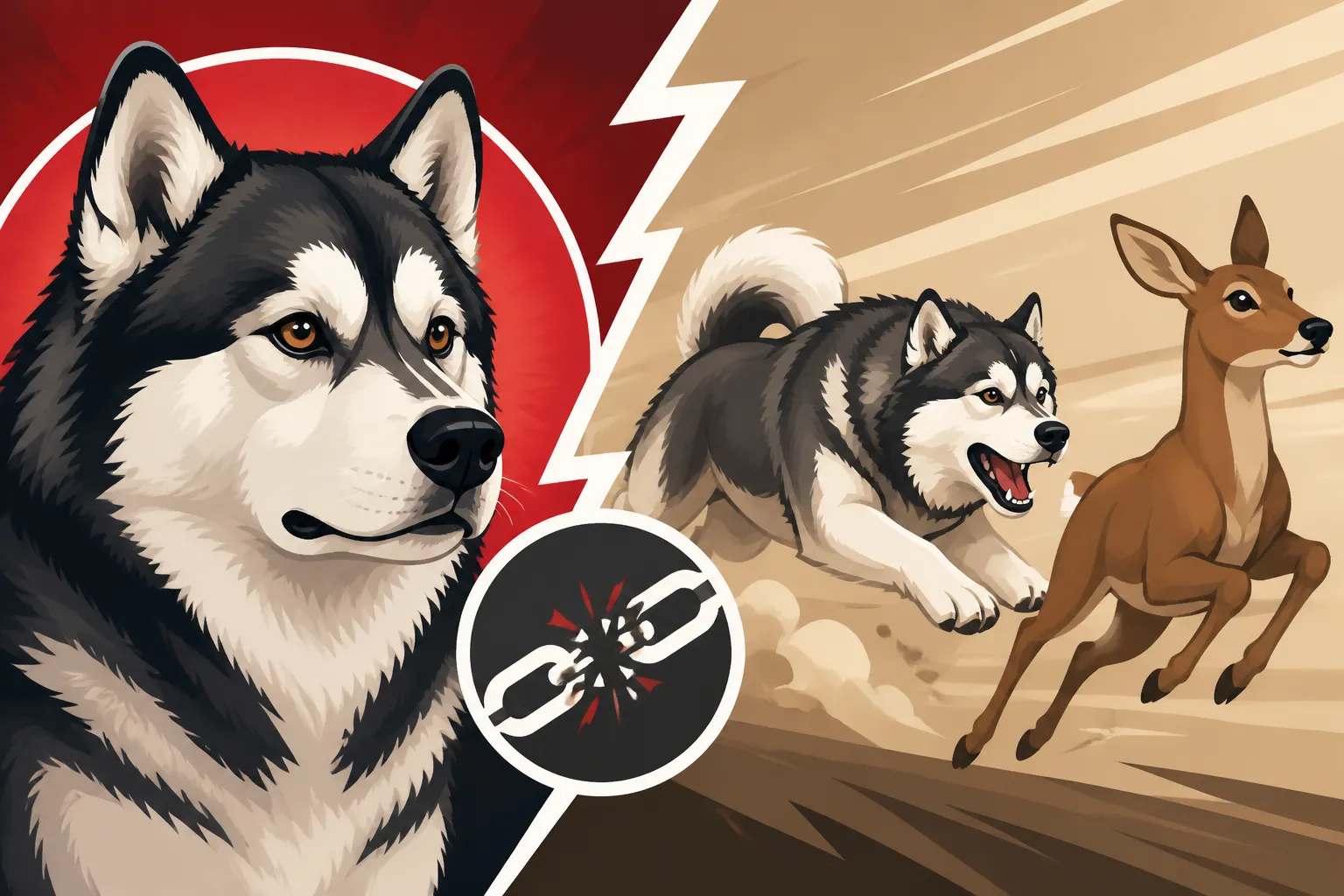
Why a Malamute Cannot Be Broken of Chasing
It’s a scenario many Alaskan Malamute owners know all too well: you’re out for a walk, enjoying the crisp air, and suddenly, a squirrel darts across your path. Before you can even tighten your grip, your powerful Malamute is lunging, pulling with all their might, completely deaf to your frantic calls. That overwhelming, instinctual urge to chase is not just a nuisance; it's a deep-seated behavior that can be incredibly frustrating, and frankly, dangerous. This guide is here to explain why this drive is so prevalent in Malamutes and, more importantly, what you can realistically do to manage it, rather than trying to "break" an instinct that's simply part of who they are.
The Ancient Instinct: Why Chasing is Hardwired into Alaskan Malamutes
Understanding your Malamute starts with understanding their history. These magnificent dogs weren't just pets; they were integral survival partners to the Mahlemut people of Alaska, working tirelessly in one of the harshest environments on Earth. Their very existence depended on their physical prowess and keen instincts, and among those instincts, the drive to hunt and chase was paramount.
A Legacy of Survival: Hunter and Provider
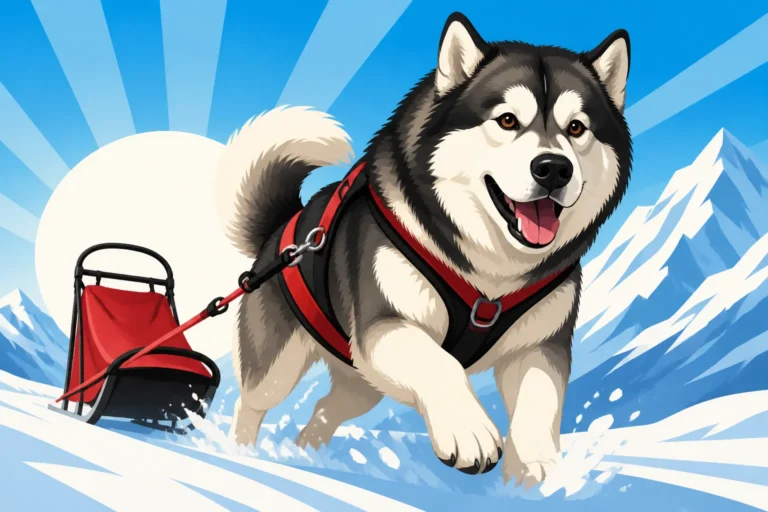
Imagine the unforgiving landscape of the Arctic. Food wasn't plentiful, and survival meant teamwork between humans and dogs. Alaskan Malamutes were bred to be powerful freighting dogs, capable of hauling heavy loads over vast distances, but they were also vital hunting partners. Their ancestors were skilled at tracking and cornering game, from smaller prey to much larger animals. This isn't just a quaint historical fact; it's etched into their DNA. When you see your Malamute fixating on a rabbit or a deer, you're not seeing a disobedient pet; you're seeing generations of genetic programming come alive. They assisted in hunts, helping to A Malamute Was Bred to Hunt Bears and It Has Not Forgotten and track other wildlife crucial for sustenance.
This isn't about conscious choice for your Malamute; it's about an automatic response system that has kept their lineage alive for centuries. The quick movement, the scent, the sound—these are all triggers that ignite an ancient pattern of behavior. It’s not about being malicious or trying to defy you; it’s about their very essence. They were also instrumental in finding food sources like seals, a crucial part of the Mahlemut diet. How a Malamute Found Seals for the Mahlemut speaks to the depth of this partnership. This isn't a behavior you can simply scold or train out because it's as fundamental to them as breathing.
The "Prey Drive" Explained: It's More Than Just a Game
When we talk about "prey drive" in an Alaskan Malamute, we're describing a sequence of innate behaviors related to hunting: orienting, stalking, chasing, biting to capture, and often, dissecting or consuming. For many Malamutes, the "chase" phase is particularly strong. It's not necessarily aggression; it's an instinctual motivation to pursue something that moves. How Strong a Malamute's Prey Drive Is becomes evident when you see the intensity in their eyes, the tautness of their body, and the sheer force they can exert on a leash.
This drive is often triggered by movement—a running cat, a flapping bird, a bicycle whizzing by, or even a child playing enthusiastically. To a Malamute, these aren't just objects; they are potential "prey" that needs to be pursued. This isn't unique to Malamutes, of course, but in a breed so powerfully built and historically reliant on this instinct, it manifests with particular intensity and often, deafening focus. Trying to break this instinct entirely is like trying to teach a fish not to swim; it goes against their very nature. The challenge for us as owners isn't to erase this part of them, but to understand it, manage it safely, and redirect it appropriately.
The Limitations of Training Against Instinct
Many new Malamute owners, full of hope and good intentions, start training with the belief that consistent effort will eventually eliminate this chasing behavior. While training is absolutely crucial for a well-behaved Malamute, it's vital to have realistic expectations, especially when it comes to prey drive.
Why a Reliable Recall is a Myth
Let's be frank: for most Alaskan Malamutes, a "reliable recall" – where they come bounding back to you no matter the distraction – is largely a myth, especially once they've locked onto something interesting. You can practice in controlled environments, use high-value treats, and build a strong foundation of positive reinforcement, but when that squirrel or rabbit bolts, the ancient instinct kicks in. The reward of the chase, the sheer exhilaration of it, often far outweighs any treat you might offer or any command you might give. Why an Alaskan Malamute Will Never Have a Reliable Recall isn't a statement about your training skills; it's a statement about the breed's fundamental nature.
I've seen countless devoted owners pour hours into recall training, only to have their Malamute bolt after a deer in the woods, disappearing for hours. It’s heartbreaking and terrifying. This isn't to say you shouldn't train recall; you absolutely should, as it's a critical safety command for any dog. However, with a Malamute, it's about managing risk, not achieving perfection. You might get a 90% recall in a low-distraction environment, but that remaining 10% can be life-threatening. This inherent drive also explains Why a Malamute's Recall Cannot Be Trusted in an uncontrolled setting.
The Unyielding Lure of the Hunt
The moment a Malamute's prey drive is triggered, a powerful cocktail of hormones and instincts takes over. Their hearing narrows, their vision focuses intensely on the moving target, and their body language shifts. Commands you've practiced a thousand times become background noise. It's not personal; it's biological. The lure of the hunt is so strong that it overrides all other stimuli. This is why you can have a Malamute that is perfectly behaved indoors, knows all its commands, and is gentle with family, but becomes a completely different dog the moment a cat runs past the window or a bird takes flight in the yard.
This isn't a sign of a "bad" dog or a "stubborn" dog in the human sense. It's a dog responding to its genetic blueprint. Think of it like an involuntary reflex. When an unexpected movement happens, that switch flips, and the Malamute is no longer choosing to chase; it's compellingly driven to. The energy and focus they pour into this pursuit are astounding, showcasing the immense power they possess, which makes controlling them in such moments nearly impossible without physical intervention.
The Ineffectiveness of Punishment
When dealing with a behavior as deeply ingrained as prey drive, using punishment is not only ineffective but can also be detrimental to your relationship with your Malamute. Yelling, jerking the leash, or using harsh tools when your Malamute is in the throes of a chase won't teach them not to chase; it will teach them to associate you with unpleasantness when they're simply acting on instinct. At worst, it can create fear, anxiety, and even aggression in your dog, leading to a breakdown of trust.
A Malamute that associates your presence with punishment during high-prey-drive moments might become sneakier about chasing, or even worse, learn to avoid you altogether when they've fixated on something. You're not addressing the root cause – the powerful instinct – but merely suppressing the outward behavior through fear. This suppression is often temporary and can lead to more problematic behaviors down the line. Instead, the focus should be on proactive management and redirection, creating environments where the chase instinct doesn't become a safety hazard. Positive reinforcement, while not eliminating the drive, builds a foundation of communication and trust, making your Malamute more receptive to your guidance in other areas.
Realistic Strategies for Management and Safety
Since we understand that completely eradicating prey drive isn't a realistic goal for most Alaskan Malamutes, our focus shifts entirely to management and safety. This involves creating a secure environment, utilizing appropriate tools, and providing safe, constructive outlets for their natural instincts.
Containment is Non-Negotiable
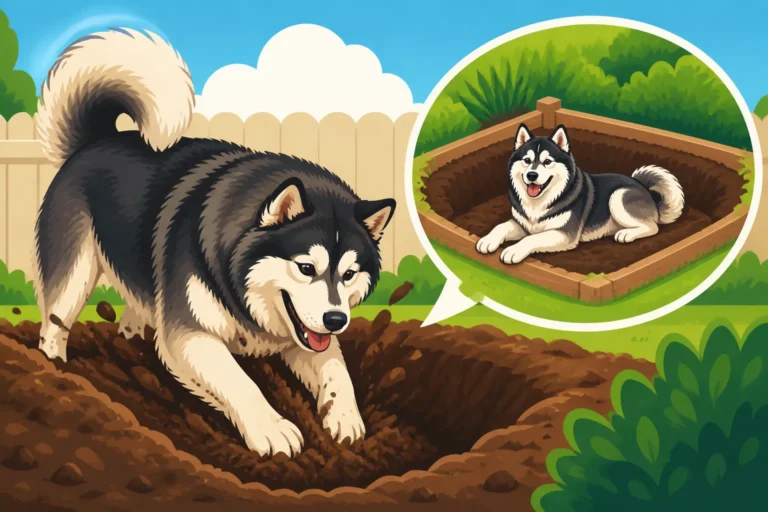
This is perhaps the most critical aspect of owning an Alaskan Malamute with a strong prey drive. Your yard must be secure. These dogs are intelligent, athletic, and highly motivated to explore, and a small animal running past your fence is a powerful motivator for them to find a way out. This means high fences – often 6 feet or more – and, crucially, a dig-proof perimeter. Fencing a Yard Against a Malamute That Was Bred to Dig is not an exaggeration; they are master excavators. Many owners find success burying chicken wire or a concrete footer along the base of their fence to deter digging escapes. How Deep a Malamute Fence Must Be Buried can give you an idea of the effort required.
When outside your secure yard, your Malamute should always be on a leash. This isn't just a recommendation; it's a necessity for their safety and the safety of other animals. The thought of an off-leash Malamute encountering a neighborhood cat or a child on a bicycle is enough to give any responsible owner chills. The phrase Why an Alaskan Malamute Can Never Be Off Leash isn't a judgment; it's a simple truth derived from their breed characteristics. It only takes one lapse in judgment, one moment of distraction, for a tragedy to occur.
Essential Tools for Every Malamute Owner
Because the chase instinct is so strong, certain tools become indispensable for Malamute owners:
- Long Lines: These are invaluable for giving your Malamute more freedom to explore and run safely in open, contained areas (like a truly secure, empty field, never near roads or wildlife). They allow your dog to move further away from you while still remaining physically connected. You can find robust long lines on Amazon in various lengths and materials.
- GPS Collars: Given their propensity to escape and their powerful prey drive, a GPS collar is an absolute must. Even with the best precautions, accidents happen. A gate might be left ajar, or a leash might break. A GPS tracker can be the difference between a terrifying search and a quick reunion. This tool helps you pinpoint your dog's location, which is especially important if How Far a Loose Alaskan Malamute Travels. Why a GPS Collar Is Essential for a Malamute cannot be overstated.
- Muzzles: Muzzle training is not about having an aggressive dog; it's about responsible ownership and preparedness. A well-fitting basket muzzle allows your Malamute to pant and drink water but prevents them from biting. It’s a tool for safety, especially if your Malamute has a history of chasing and potentially harming smaller animals, or for vet visits and emergencies. Muzzles can greatly reduce anxiety for both you and your dog in situations where you might worry about their prey drive. Learning When a Malamute Should Wear a Muzzle is part of being a proactive owner.
Redirecting and Channeling the Drive
While you can't eliminate the prey drive, you can absolutely provide healthy, safe, and appropriate outlets for it. This is where channeling their instincts truly shines and strengthens your bond.
- Flirt Poles: These are fantastic! A flirt pole is essentially a long stick with a lure (often a toy or piece of fabric) attached to a rope. You drag the lure on the ground, making it dart and weave like prey, and your Malamute gets to chase and "capture" it. This is a controlled, safe way for them to express their chase and capture instincts without harming anything. It’s also a great workout for both of you!
- Spring Poles: If you have a sturdy tree branch or beam, a spring pole can provide hours of fun. It’s a flexible pole or rope with a toy attached that dangles just within reach. Your Malamute can jump, pull, and tug at the toy, engaging their predatory instincts in a constructive way. Always supervise your dog with a spring pole.
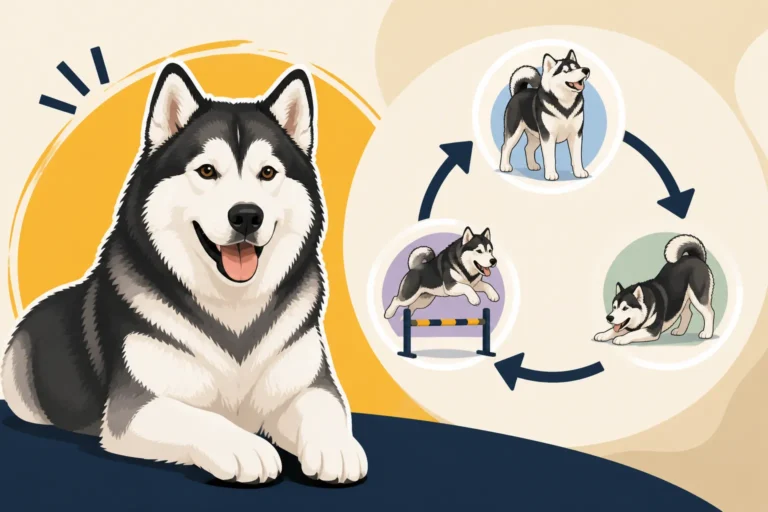
- Dog Sports: Consider activities like weight pulling, canicross, bikejoring, or even sledding if you have the right climate. While these focus more on pulling than chasing, they provide immense physical and mental stimulation that can help manage excess energy that might otherwise be directed towards inappropriate chasing. Remember, Pulling Is the Only Job an Alaskan Malamute Really Wants, and fulfilling this need can have a positive impact on other behaviors.
- Treibball: This is a fantastic sport for herding breeds, but many Malamutes enjoy it too. It involves directing large exercise balls into a goal using only verbal cues and body language. It taps into their desire to "herd" or move objects, offering a mental challenge that satisfies some of that underlying drive.
- High-Value Training Games: Engage your Malamute with scent work or hide-and-seek games using their favorite toys or treats. This taps into their hunting instincts for tracking and finding, providing mental engagement that can be just as satisfying as a physical chase. Many online resources, like those from BAXTER & Bella, offer structured programs and ideas for engaging training games that can help channel your Malamute's energy positively.
| Chasing Outlet | Description | Safety Considerations | Pros | Cons |
|---|---|---|---|---|
| Loose in a park | Unrestricted running and chasing, owner calls. | Extremely high risk of dog fighting, car accidents, livestock/wildlife injury. | None, purely recreational for owner. | Highly dangerous, illegal in many areas, irresponsible. |
| Flirt Pole | Owner-controlled lure on a stick; dog chases and "captures." | Ensure dog doesn't ingest lure; proper surface for running/jumping. | Safe, controlled, excellent exercise, fulfills prey drive. | Requires owner participation, not self-entertaining. |
| Securely Fenced Dog Park (with supervision) | Off-leash play with other dogs; potential for chase games. | Risk of dog aggression (especially same-sex), high prey drive can target small dogs. | Socialization, exercise. | Not all Malamutes are suitable; constant vigilance needed. |
| Spring Pole | Suspended toy for tugging, jumping, and biting. | Ensure proper height, supervise to prevent injury/over-exertion, strong attachment. | Excellent strength building, mental engagement, safe capture. | Requires installation, can be overused if not supervised. |
| Canicross/Bikejoring | Dog pulls owner while running or cycling. | Proper harness, owner fitness, safe trails, temperature management. | Fulfills pulling instinct, great exercise, strong bond. | Requires specialized gear, training, specific climate needs. |
| Interactive Toys | Puzzle feeders, durable chew toys that release treats. | Supervise with new toys to prevent ingestion; select durable toys for strong chewers. | Mental stimulation, redirects chewing, can occupy them solo. | Less intense than physical chase; not a complete replacement. |
Understanding and Accepting Your Malamute's Nature
Living with an Alaskan Malamute means embracing their unique characteristics, even the challenging ones like a strong prey drive. It's about respecting their heritage and providing an environment where they can thrive safely.
Socialization vs. Suppression
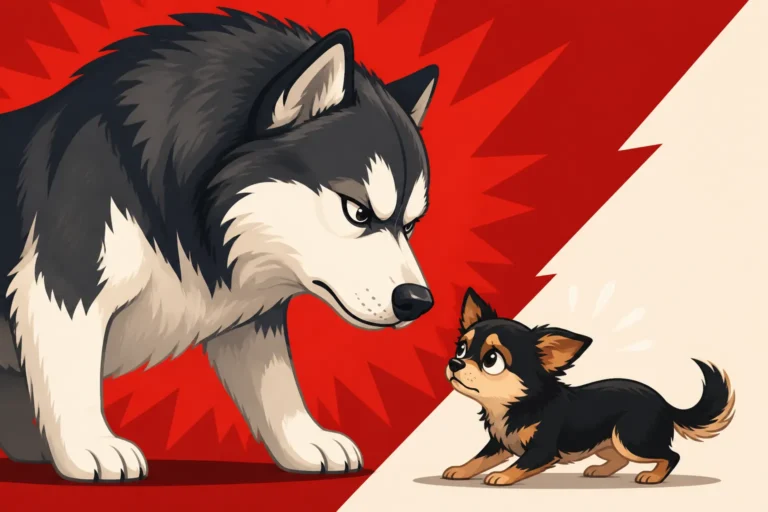
One common misconception is that extensive socialization as a puppy will "fix" or suppress a Malamute's prey drive. While early and continuous socialization is absolutely critical for raising a well-adjusted dog – exposing them to various sights, sounds, people, and other appropriate dogs – it does not eliminate an innate prey drive. A well-socialized Malamute might be perfectly friendly with people and large dogs, but still view a running cat or squirrel as a target. An Alaskan Malamute in a Home With Cats or Small Dogs requires extraordinary vigilance and management, and often, it's not a suitable environment for either the Malamute or the smaller animal.
Socialization teaches your Malamute how to interact politely with the world around them, but it doesn't fundamentally alter their genetic programming. It’s the difference between teaching manners and changing personality. You can teach a child not to grab candy off a shelf, but you can’t make them stop wanting candy. Similarly, you can train your Malamute to not chase your neighbor's cat (with immense effort and management), but the desire to chase will likely always be present. Understanding What an Alaskan Malamute Does to Small Animals if given the chance is crucial for responsible ownership.
The Importance of Consistent Positive Reinforcement
Even though you can't "break" the chase instinct, consistent, positive reinforcement training plays a huge role in developing a strong bond and making your Malamute more responsive to you in general. A dog that trusts and respects you, and finds value in listening, is more likely to check in with you, even when temptations arise. This isn't about eliminating prey drive, but about building a relationship where your Malamute chooses to listen more often because good things happen when they do.
Focus on building a strong "Leave It" or "Look At Me" command with incredibly high-value rewards. Practice these commands frequently in varied environments, gradually increasing distractions. While it won't be a magic bullet for a full-blown chase, a solid foundation might give you those crucial few seconds to intervene before the full chase sequence engages. Resources like BAXTER & Bella offer excellent online training programs that focus on positive reinforcement and building foundational skills, which can be invaluable for managing a high-drive breed. It’s a lifelong commitment to training, not just a few weeks of puppy classes.
Managing Multi-Pet Households
If you live in a multi-pet household with smaller animals (cats, rabbits, guinea pigs, small dogs), owning an Alaskan Malamute with a strong prey drive adds a significant layer of responsibility. It is paramount that the Malamute never be left unsupervised with these smaller pets, even if they seem to get along. The sudden dart of a cat, an unexpected squeak from a guinea pig, can trigger the instinct without warning.
Management solutions might include:
- Crate and Rotate: When you can't actively supervise, one animal is crated or separated into a different room.
- Baby Gates/Secure Doors: Creating physical barriers between your Malamute and smaller pets is essential.
- Dedicated Safe Spaces: Ensure smaller pets have areas where the Malamute cannot access them, allowing them to feel secure and relax.
It's a demanding commitment, and for many, the risk is simply too high. Realistic assessment of your living situation and your ability to maintain constant vigilance is key to ensuring the safety and well-being of all your animals.
Disclaimer
This article is for general informational purposes only and does not constitute professional advice. Laws, prices and regulations vary by location and change over time. Consult a qualified professional for guidance on your specific situation.