Why the Alaskan Malamute Is Not a Guard Dog
It’s a common sight: a magnificent Alaskan Malamute, standing tall and proud, and the immediate thought that springs to many people's minds is, "Wow, what a great guard dog!" It's easy to look at their impressive size, their wolf-like appearance, and their powerful presence and assume they're built for protecting property and deterring intruders. But if you're bringing a Malamute into your home with this expectation, you're likely setting yourself up for disappointment and potentially misunderstanding your wonderful companion. This guide will delve deep into why the Alaskan Malamute, despite its imposing stature, is inherently not a guard dog, exploring their history, temperament, and what their protective instincts truly look like.
Understanding the Malamute's True Nature and Purpose
To truly grasp why Malamutes don't fit the typical "guard dog" mold, we have to go back to their roots and understand the environment and purpose for which they were originally bred. It’s not about their capability to be intimidating, but about their intrinsic motivations and the historical role they played.
A History of Freight, Not Fences
The Alaskan Malamute's lineage traces back thousands of years to the Mahlemut people of Alaska, who bred these incredible dogs for one primary purpose: pulling heavy freight. Their job wasn't to patrol borders or aggressively protect resources from human threats. Instead, it was to tirelessly haul supplies, assist in hunting large game like seals and bears (working alongside humans, not independently), and offer companionship in some of the most unforgiving climates on Earth. Their survival, and indeed the survival of their human companions, depended on cooperation and a friendly disposition towards their human handlers and other dogs within the pack.
Think about it: a dog bred to be aggressive towards people would be a liability in a small, close-knit community where teamwork was paramount. They needed dogs that were reliable, tractable, and above all, people-oriented. These traits are diametrically opposed to the suspicion and territorial aggression found in true guard dog breeds. The Malamute’s strength was in its endurance and loyalty to its immediate human companions, not in its ferocity towards strangers. You can learn more about their incredible history in The Mahlemut of Kotzebue Sound Bred the Alaskan Malamute and How a Malamute Hunted Bears Alongside the Mahlemut.
The Friendly Giant Stereotype
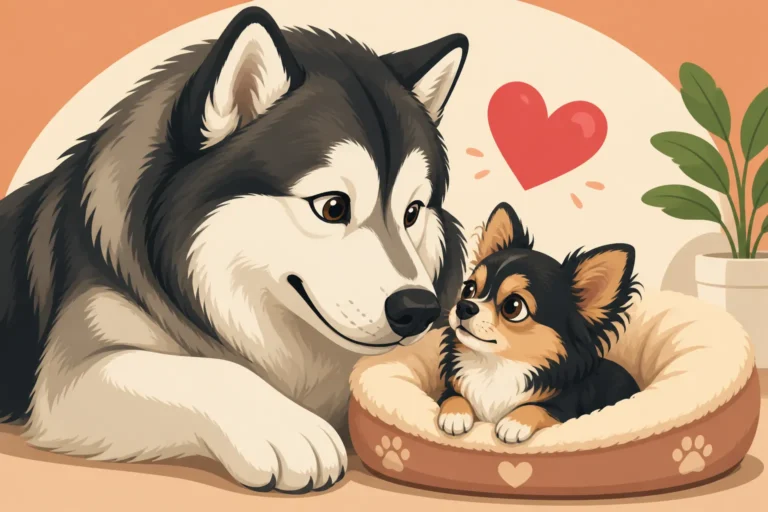
If you've spent any time around Alaskan Malamutes, you'll quickly realize that "stranger danger" isn't high on their list of priorities. In fact, many Malamutes are notoriously friendly, even downright boisterous, when meeting new people. Their natural greeting is far more likely to involve a full-body wiggle, a big sloppy kiss, or that famous "woo-woo" sound than it is to be a deep growl or a defensive posture. They crave attention and social interaction, often viewing new visitors as potential playmates or sources of affection.
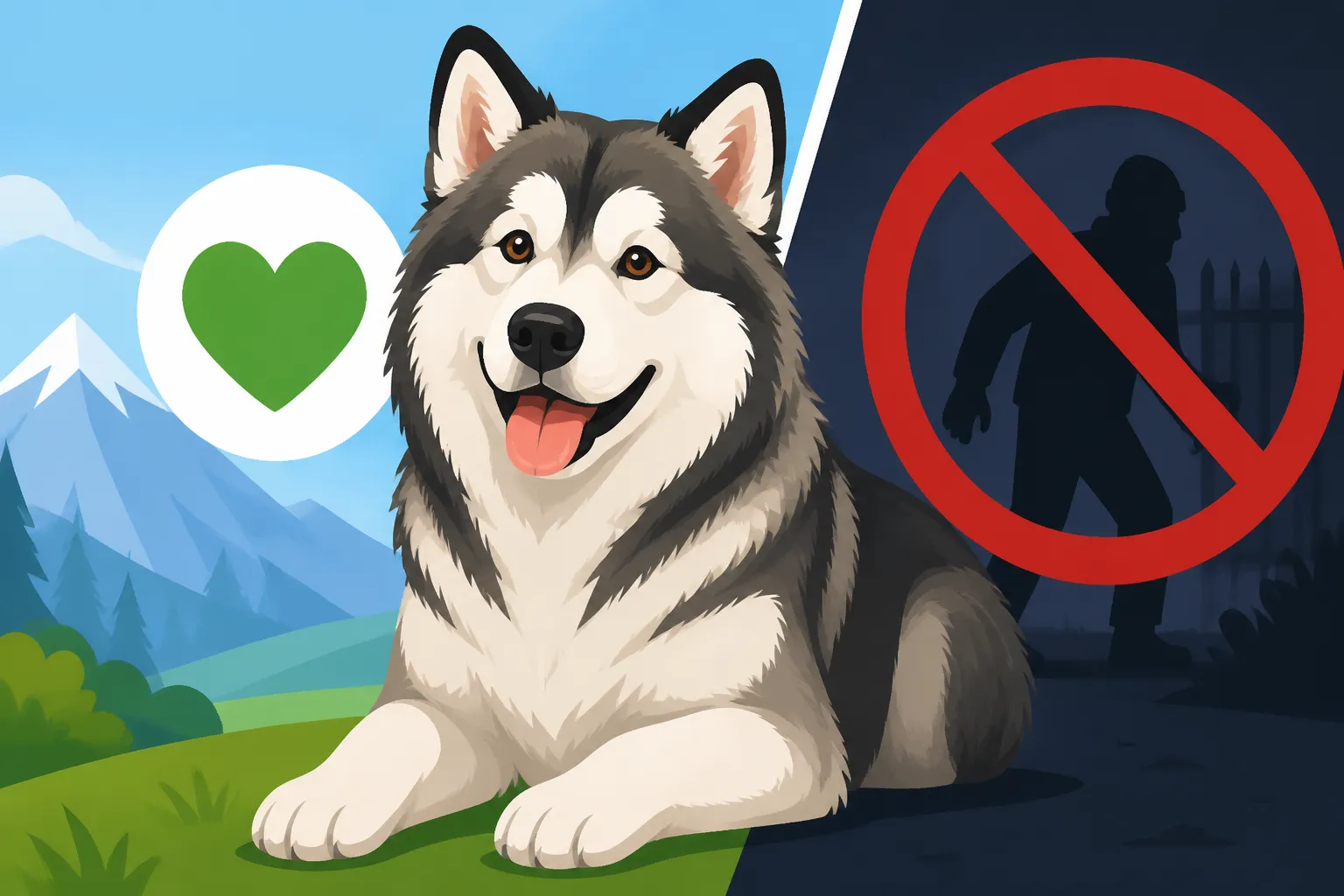
This inherent friendliness means that if an intruder were to walk through an unlocked door, a Malamute might very well greet them with enthusiasm, perhaps even showing them where the treat jar is! While this might sound endearing to a dog lover, it's certainly not what you want from a dog whose job is to deter threats. The misconception often stems from their imposing size and strength, leading people to believe they must be protective. However, their physical presence is more about pulling power than predatory defense against humans.
What a Malamute Will Protect (and What It Won't)
While the idea of a Malamute guarding your house might be a fantasy, it doesn't mean they lack protective instincts entirely. It's just that their instincts manifest in very specific ways, aligned with their ancient purpose rather than modern security needs.
Protecting Their Pack, Not Your Property
Alaskan Malamutes are deeply loyal to their immediate family, their "pack." If a family member were genuinely threatened or attacked, a Malamute's protective instincts could certainly kick in. This isn't a territorial defense of property, but rather a fierce, instinctive desire to protect those they consider their kin. You might see a Malamute put itself between a beloved child and perceived danger, or react strongly if a stranger were to physically harm someone in their family. This kind of protection is deeply ingrained, but it's not proactive guarding against entry; it's reactive defense of a loved one.
It’s a crucial distinction. A true guard dog is often suspicious of anyone outside the immediate family, viewing them as a potential threat to the property it’s assigned to protect. A Malamute, however, generally sees all humans as friends until proven otherwise. This means your mail carrier, the delivery driver, or even a persistent salesperson is more likely to be met with joyful exuberance than a defensive display. Their focus is on their people, not the inanimate objects or boundaries of your yard.
Prey Drive vs. Guard Drive
One area where Malamutes can exhibit intense focus and drive is their prey drive. These dogs were bred to hunt, and that instinct remains incredibly strong. A squirrel darting across the yard, a rabbit hopping through the bushes, or even a neighborhood cat can trigger a powerful chase response. This drive is often mistaken for a "guarding" instinct by inexperienced owners, but it's fundamentally different. A dog chasing a rabbit is not guarding; it's hunting. How Strong a Malamute's Prey Drive Is provides more insight into this powerful instinct.
This strong prey drive can actually be a significant challenge if you have smaller pets, like cats or tiny dogs, in your home. While a Malamute might learn to tolerate or even bond with a cat it's raised with, the instinct to chase and potentially harm small, fast-moving animals is always present. This is not about protecting the home; it's about fulfilling an ancient hunting imperative. Understanding this distinction is vital for responsible Malamute ownership, as a loose Malamute can pose a serious threat to wildlife and unsupervised neighborhood pets.
Misconceptions and Reality Checks
It’s easy to project human ideas of what a "big, tough dog" should be onto a Malamute, but their reality often defies these expectations. Let’s clear up some common misunderstandings.
Their Size Is Deceiving
There's no denying an Alaskan Malamute is an impressive animal. They are large, powerfully built, and possess a commanding presence. It's only natural for people to see their substantial build and assume they are natural guardians, capable of deterring any unwanted visitors with sheer intimidation. However, size alone does not dictate temperament or a guarding instinct. Many gentle giants exist in the dog world, and the Malamute is certainly one of them when it comes to human interaction.
While their size might make a casual intruder think twice, it's their lack of true territorial aggression that ultimately makes them unsuitable as guard dogs. An intimidating appearance without the underlying temperament to back it up means that while they might look like a guard dog, they won't act like one. It's like having a very large, fluffy, incredibly friendly bouncer at a club who just wants to give everyone hugs. The initial impression fades quickly when their true, amiable nature shines through.
The Barking (or Lack Thereof) Conundrum
A hallmark of many effective guard dog breeds is their propensity to bark loudly and persistently to alert their owners to perceived threats or to deter intruders. Malamutes, on the other hand, are generally not prolific barkers. They are known for their unique vocalizations, including "woos," howls, and chortles, which are often used for communication within their pack or to express joy and excitement. Why a Malamute Wooes Instead of Barking goes into more detail about these distinct sounds.
If a Malamute does bark, it's more likely to be out of boredom, frustration, or to try and engage you in play, rather than as a territorial warning. They might alert you to the mailman, but it's usually more of a "Hey, look, a friend!" than a "Stay away from my house!" kind of bark. This lack of consistent, territorial barking further cements their unsuitability for guarding duties. Their vocalizations are charming, but they aren't designed for security.
Training for Defense: A Dangerous Path
Some owners, determined to have a "protective" dog, might consider attempting to train their Malamute for defense work. This is almost universally a terrible idea and can be incredibly dangerous. Trying to force a naturally friendly, people-loving dog into a role that requires suspicion and aggression towards humans goes against every fiber of their being. It can lead to a dog that is fearful, confused, and unstable, potentially developing fear-based aggression which is unpredictable and dangerous for everyone involved, including the owner.
Instead of trying to twist a Malamute into something it's not, focus on embracing and enhancing their natural traits. Positive reinforcement training, which builds trust and confidence, is always the best approach for a Malamute. Programs like those offered by BAXTER & Bella can help channel their intelligence and energy into constructive behaviors, rather than trying to instill artificial aggression. A well-socialized, well-trained Malamute is a joy; a fear-aggressive Malamute is a tragedy waiting to happen. As we discuss in Why Force Fails on an Alaskan Malamute, these dogs respond best to positive methods.
What the Alaskan Malamute Truly Excels At
So, if an Alaskan Malamute isn't a guard dog, what is it? The answer is far more rewarding for the right owner: they are incredible companions, devoted family members, and formidable working dogs. Embracing their true strengths will lead to a much happier life for both you and your Malamute.
The Loyal Companion and Working Partner
The Alaskan Malamute's real strength lies in its profound loyalty and its desire to be an active participant in your life. They thrive on companionship and being included in family activities. They are incredibly affectionate with their chosen people and can form deep, lasting bonds. Their impressive intelligence and independent spirit mean they respond best to owners who understand their need for a job, even if that job isn't pulling a sled across the Arctic.
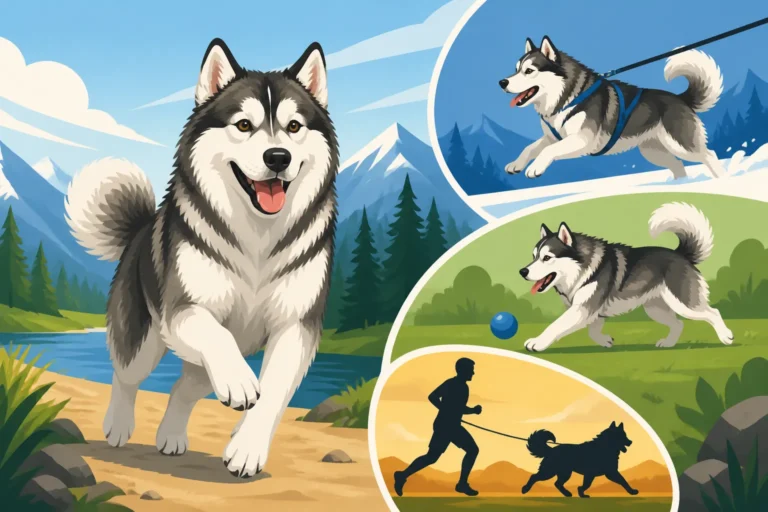
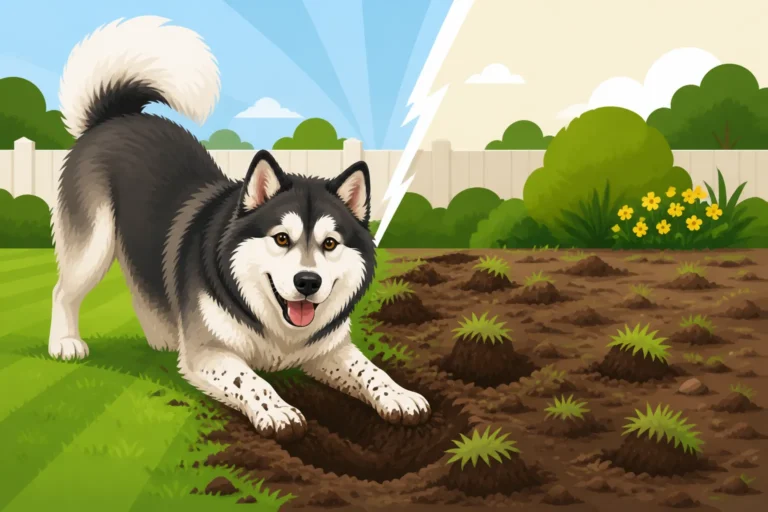
Engaging their minds and bodies with activities they were bred for is key. This could be hiking, backpacking (they love carrying their own gear!), canicross, or, of course, weight pulling and sledding. These activities not only provide the physical exercise they need but also satisfy their innate desire to work alongside their human. Pulling Is the Only Job an Alaskan Malamute Really Wants highlights just how much they enjoy this work. Providing them with appropriate outlets for their energy, such as durable chew toys readily available on Amazon, can also prevent destructive behaviors stemming from boredom, which might otherwise be misinterpreted as a frustrated attempt at guarding.
Alerting, Not Attacking
While a Malamute won't typically attack an intruder, they can still serve as an excellent alert system. Their keen senses mean they are often aware of unusual sounds or activity long before you are. They might let out a characteristic "woo" or a single, deep bark to signal that something is amiss, whether it's an unfamiliar car pulling up or a strange noise outside. What a Malamute Does When Someone Knocks often demonstrates this alert behavior.
This "alerting" behavior is a natural extension of their awareness, not a trained guarding response. They'll tell you someone is there, but then you should expect them to look to you for guidance on how to proceed, often wagging their tail and hoping the newcomer has treats. This distinction is crucial: they'll inform you of a presence, but they won't typically take the initiative to confront or engage a human threat. They want to be part of your family and your adventures, offering boundless affection and a unique presence that enriches life in countless ways, far beyond the confines of a guard dog role.
| Trait | Typical Guard Dog | Alaskan Malamute |
|---|---|---|
| Primary Instinct | Territorial defense, protection of property. | Pack loyalty, pulling, companionship. |
| Greeting Strangers | Suspicious, wary, may challenge or bark. | Friendly, enthusiastic, seeks attention. |
| Vocalizations | Frequent, loud, deterrent barking. | "Woos," howls, chortles; less frequent barking. |
| Reaction to Threat | Confrontational, aggressive, physical deterrence. | May alert owner, but rarely confrontational; protects pack members reactively. |
| Prey Drive | Varies by breed, often controlled. | Very high, strong urge to chase small animals. |
| Training Response | Can be trained for bite work, protection sports. | Best with positive reinforcement; defense training can be dangerous. |
| Desired "Job" | Security, property patrol. | Pulling, hiking, companionship, family inclusion. |
Disclaimer
This article is for general informational purposes only and does not constitute professional advice. Laws, prices and regulations vary by location and change over time. Consult a qualified professional for guidance on your specific situation.