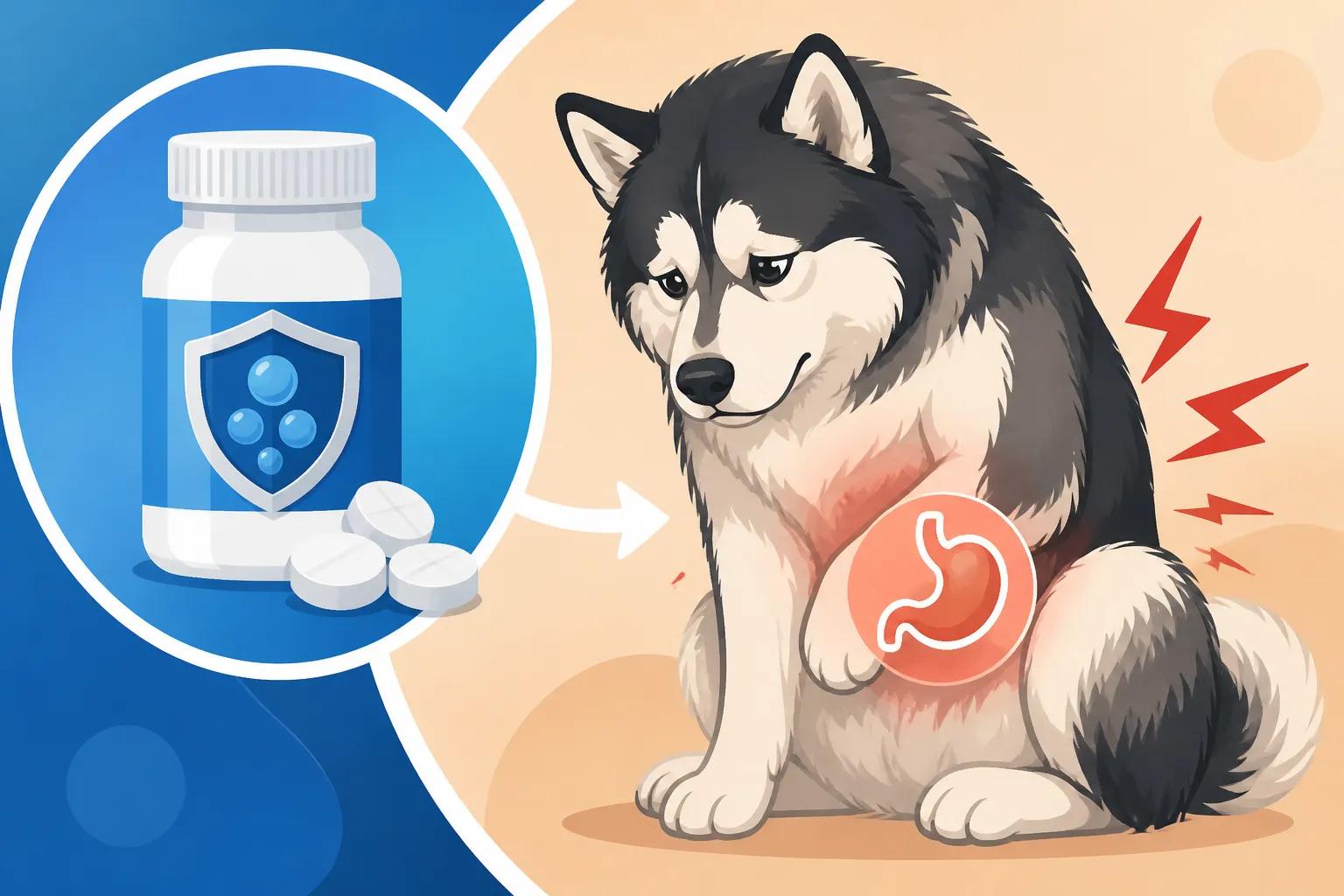
Whether Zinc Supplements Upset a Malamute’s Stomach
It’s a truly frustrating experience when your majestic Alaskan Malamute, already battling a zinc deficiency that can leave their skin crusty and uncomfortable, starts showing signs of an upset stomach from the very supplements meant to help them. You’re caught between a rock and a hard place, wanting to alleviate their skin issues but not at the cost of their digestive comfort. This guide is here to shed light on why zinc supplements might be causing tummy trouble for your Malamute and, more importantly, what steps you can take to make the process smoother and more effective for your beloved companion.
The Malamute's Unique Zinc Challenge
Alaskan Malamutes are incredible dogs, known for their strength, endurance, and that famously thick double coat. But beneath that impressive exterior lies a genetic quirk that makes many of them uniquely susceptible to a condition called Zinc Responsive Dermatosis (ZRD). This isn't just about feeding them a cheap kibble; it's often an inherent inability for their bodies to properly absorb the zinc they do consume.
Imagine trying to fill a bucket with a hole in the bottom – that's often what's happening internally with a Malamute and zinc. Even with a diet that seems perfectly balanced, their system might just not be capable of extracting and utilizing enough of this vital mineral. This inherited inefficiency means that for many Malamutes, dietary zinc alone isn't enough to prevent the symptoms of deficiency, which can include crusting around the eyes, mouth, and joints, thinning hair, and even secondary skin infections. If you're seeing these signs, it's worth exploring Zinc Responsive Dermatosis in an Alaskan Malamute in more detail.
The body needs zinc for so many critical functions, from immune system health and proper thyroid function to skin integrity and normal cell division. When absorption is compromised, a whole cascade of problems can arise, with skin issues being one of the most visible and uncomfortable for both dog and owner. It can be heartbreaking to see your strong, vibrant Malamute develop these uncomfortable skin problems, especially when you're doing your best to provide them with everything they need. It’s also important to understand that How Poor Zinc Absorption Links a Malamute's Three Disorders goes beyond just skin issues, highlighting the systemic nature of this deficiency in the breed.
The Genetic Predisposition to Zinc Deficiency
It's not just bad luck; there's a strong genetic component to why Malamutes struggle with zinc absorption. Unlike other breeds where zinc deficiency is usually purely dietary, for our Malamutes, it's often in their DNA. Their ancient lineage, adapted to harsh Arctic conditions and diets, may have led to a metabolism that isn't always efficient with modern commercial dog foods. This means that even if a Malamute is on a high-quality diet, they might still be unable to absorb enough zinc from their food. This isn't a fault of the food itself, but a unique metabolic challenge for the breed.
This genetic factor means that simply changing dog food might not be enough to solve the problem, leading many owners down a frustrating path of trial and error before realizing the deeper issue. It truly highlights Whether a Malamute's Zinc Problem Is Diet or Genetics is often a combination of both, with genetics playing a foundational role. Owners often find themselves wondering why their dog is showing symptoms when they’re feeding a premium diet, and the answer often lies in this inherited trait.
Dietary Factors That Can Exacerbate the Problem
While genetics are the primary driver, certain dietary elements can definitely make zinc absorption even harder for an already predisposed Malamute. Think of it as adding extra obstacles to an already challenging race. For example, foods that are very high in calcium, or those rich in plant-based compounds called phytates (often found in grains and legumes), can bind to zinc in the digestive tract, making it even less available for absorption. This means that a diet that might be perfectly fine for another breed could inadvertently worsen a Malamute's zinc deficiency.
This isn't to say grains are inherently bad, but rather that for a Malamute with compromised zinc absorption, the balance of ingredients becomes even more critical. It can be a tricky tightrope walk, trying to ensure your Malamute gets proper nutrition without unintentionally hindering their zinc intake. Many owners gravitate towards popular brands like Ollie for fresh food options, but even with premium diets, understanding these absorption dynamics is key. You might wonder Whether Calcium Blocks a Malamute's Zinc Absorption, and indeed, it can be a significant factor.
Why Zinc Supplements Can Cause Stomach Upset
So, you've started your Malamute on a zinc supplement, hoping to see those crusty skin patches disappear, only to be met with new woes: nausea, vomiting, or diarrhea. It feels like you've traded one problem for another, and it’s completely understandable to feel disheartened. The truth is, zinc, while essential, can be quite irritating to the stomach lining, especially when given in certain forms or dosages.
It's a common complaint across many species, not just dogs. When zinc hits an empty or sensitive stomach, it can trigger a reaction, leading to those uncomfortable gastrointestinal signs. This is particularly true for Malamutes who might already have a slightly more sensitive digestive system or who are receiving higher doses to counteract their absorption issues. The goal is to get the zinc into their system without causing a rebellion in their gut, which sometimes feels like a delicate balancing act.
Common Gastrointestinal Symptoms
The signs of stomach upset from zinc supplements can vary in severity, but they’re generally hard to miss. The most common complaints include nausea, which you might notice as lip-licking, drooling, or a reluctance to eat; vomiting, which can range from a small bile regurgitation to more significant episodes; and diarrhea, which can be loose stools or even more watery. Some dogs might also simply go off their food entirely, seeming lethargic or just generally unwell.
It's crucial to differentiate between mild, transient symptoms that might resolve with adjustments and more severe reactions that warrant immediate veterinary attention. A one-off loose stool might be less concerning than persistent vomiting and refusal to eat. Observing your Malamute closely after starting a new supplement is always a good practice, keeping a diary of any changes in appetite, energy, or bathroom habits. These observations are vital for your vet to help fine-tune the treatment.
The Role of Zinc Form and Dosage
Not all zinc supplements are created equal, and the form of zinc your Malamute is taking can have a huge impact on how well their stomach tolerates it. Inorganic forms of zinc, like zinc sulfate, are generally less bioavailable and more irritating to the digestive tract. They tend to be cheaper but come with a higher risk of side effects. On the other hand, chelated forms, such as zinc methionine or zinc picolinate, are bound to an amino acid, making them easier for the body to absorb and often much gentler on the stomach.
Think of chelated zinc as having a protective coating that helps it bypass direct irritation in the stomach before it can be absorbed elsewhere. This is why many vets recommend starting with chelated forms for dogs prone to ZRD. The dosage also plays a massive role. Too much zinc, even in a well-tolerated form, can overwhelm the digestive system. It's always a dance between providing enough zinc to correct the deficiency and finding a dose that doesn't cause adverse effects. This is where working closely with your vet is paramount to determine How Much Zinc Is Safe for an Alaskan Malamute.
Strategies for Minimizing Stomach Upset
Discovering that your Malamute is experiencing stomach upset from zinc supplements can be a real bummer, but don't despair! There are several proactive steps you can take to make the supplementation process much smoother for their sensitive tummies. It often involves a bit of trial and error, a keen eye for your dog's reactions, and close communication with your veterinarian. The goal is to find the sweet spot where your Malamute gets the zinc they need without the unpleasant side effects.
Administering Zinc with Food
One of the most effective and simplest ways to reduce gastrointestinal irritation from zinc supplements is to always give them with food. A full stomach acts like a buffer, diluting the zinc and creating a protective layer that helps prevent direct contact with the stomach lining. Imagine taking a strong vitamin on an empty stomach yourself – it often leads to that queasy feeling. It's no different for our canine companions.
Mixing the supplement into a meal, especially one that's a bit bland or easily digestible, can work wonders. This also ensures that the zinc is processed along with other nutrients, potentially aiding in its absorption and distribution rather than having it hit the gut all at once. For dogs on a consistent feeding schedule, this is usually an easy habit to implement. You can find many suitable zinc supplements, including chelated forms, on platforms like Chewy or Amazon, making it convenient to find the right product once your vet advises on the best type.
Choosing the Right Form of Zinc
As we discussed, the type of zinc makes a huge difference. If your Malamute is experiencing stomach upset, it’s highly recommended to switch to a chelated form of zinc if you aren't already using one. Zinc methionine is a common and often well-tolerated option, frequently recommended by veterinarians for dogs with ZRD. These forms are designed for better absorption and less gastric irritation.
Your vet can guide you on specific brands or formulations that are known to be gentle. Sometimes, the initial supplement prescribed might be a more basic, inorganic form, simply because it's widely available. Don't hesitate to ask about alternatives if your Malamute is struggling. This adjustment alone can often resolve the digestive issues. For a deeper dive into the specifics, you might want to read Whether Zinc Methionine Suits a Malamute Better.
Here's a quick comparison of common zinc forms:
| Zinc Form | Bioavailability | Gastric Irritation | Common Use |
|---|---|---|---|
| Zinc Sulfate | Lower | Higher | Often used in topical applications; cheaper |
| Zinc Gluconate | Moderate | Moderate | Oral supplements; widely available |
| Zinc Methionine | Higher | Lower | Preferred for ZRD; amino acid chelate |
| Zinc Picolinate | Higher | Lower | Good absorption; amino acid chelate |
| Zinc Citrate | Moderate | Moderate | Oral supplements; often in human products |
Gradual Introduction and Dosage Adjustment
Just like with any new medication or supplement, a slow and gradual introduction is key. Don't jump straight to the full recommended dose. Start with a very small amount, perhaps a quarter or half of the target dose, and gradually increase it over several days or even a week, monitoring your Malamute for any signs of discomfort. This allows their digestive system time to adjust.
Your vet will typically provide a recommended dosage, but it’s always a good idea to discuss a slow ramp-up plan, especially if your dog has a history of sensitive digestion. If stomach upset occurs at any point during the increase, it's a sign to hold that dose for a bit longer or even dial it back slightly before attempting to increase again. Remember, the goal isn't just to get the zinc in, but to do so comfortably for your Malamute. For general information on maintaining health, see What an Alaskan Malamute Needs Every Day.
Splitting Doses Throughout the Day
If your Malamute requires a relatively high dose of zinc, or if they're particularly sensitive, splitting the daily dose into two smaller portions given with different meals can be incredibly helpful. Instead of one large dose hitting the stomach at once, two smaller doses are usually much easier to tolerate. This strategy spreads out the potential for irritation and allows the body to process the zinc more gradually.
For Malamutes who eat twice a day, this is a straightforward adjustment. If your dog only eats once, you might consider offering a small, easily digestible snack with the second dose, or discuss with your vet if adjusting the feeding schedule would be beneficial. Every Malamute is different, so flexibility in administration can make all the difference.
Monitoring and Veterinary Consultation
You are your Malamute's best advocate, and closely observing their behavior and physical condition after starting zinc supplements is vital. You’ll be the first to notice if something isn’t quite right. Keep a keen eye on their appetite, energy levels, stool consistency, and any signs of nausea or discomfort. These observations provide crucial information that can help you and your vet make informed decisions.
Sometimes, a little bit of mild tummy rumbling or slightly softer stools might be part of the initial adjustment phase, but these should be transient and not severe. If symptoms persist, worsen, or are accompanied by lethargy, dehydration, or complete refusal to eat, it's time to reach out to your veterinarian without delay. They can help rule out other issues and guide you on adjusting the zinc regimen. It's always better to be safe than sorry when it comes to your Malamute's health.
When to Contact Your Veterinarian Immediately
While mild stomach upset can often be managed with the strategies discussed, there are clear warning signs that indicate a more serious problem requiring urgent veterinary attention. If your Malamute experiences any of the following, please contact your vet right away:
- Persistent vomiting: More than a couple of episodes within a short period, or vomiting that continues for more than 24 hours.
- Severe diarrhea: Watery stools, diarrhea mixed with blood, or continuous straining with little production.
- Lack of appetite or refusal to drink: If your Malamute won't eat or drink for more than 24 hours, dehydration can quickly become a concern.
- Significant lethargy or weakness: More than just being a little tired; if your dog seems weak, unsteady, or unusually unresponsive.
- Abdominal pain: Signs like a hunched posture, sensitivity when touched on the belly, or pacing restlessly.
These symptoms can indicate that the zinc is causing significant irritation, or it could be pointing to another underlying health issue entirely. Your vet can perform an examination, and potentially run diagnostics, to get to the bottom of the problem and ensure your Malamute receives the care they need. They might also suggest checking Signs a Malamute's Zinc Level Has Dropped to see if the current dosage is even being effective.
Adjusting the Treatment Plan
Your veterinarian is your primary partner in managing your Malamute's zinc deficiency and any related digestive issues. Don't be afraid to communicate openly and honestly about your dog's reactions to the supplements. Based on your observations and their professional assessment, your vet might recommend several adjustments. This could include lowering the dose, trying a different brand or form of chelated zinc (some dogs simply tolerate one form better than another), or even temporarily discontinuing the supplement to allow the stomach to recover before reintroducing it more slowly.
In some rare cases, if severe gastrointestinal upset persists despite all adjustments, your vet might explore alternative methods of zinc supplementation, though oral supplements are generally the standard. They might also discuss adding other supportive medications, such as stomach protectants or anti-nausea drugs, for a short period to help your Malamute adjust. Remember, treating zinc deficiency is often a lifelong commitment for Malamutes with ZRD, so finding a sustainable and comfortable solution is essential. This ongoing care is part of Whether a Malamute Needs Zinc for Life.
Dealing with zinc responsive dermatosis in an Alaskan Malamute is already a journey, and having to navigate stomach upset from the very supplements meant to help can feel like an added burden. But by understanding why these issues arise and implementing smart strategies like giving zinc with food, choosing chelated forms, and making gradual adjustments, you can often find a path forward that keeps your Malamute both healthy and comfortable. Always remember that your veterinarian is your best ally in this process, so keep those lines of communication open, and together, you can ensure your big, beautiful Malamute thrives.
Disclaimer
This article is for general informational purposes only and does not constitute professional advice. Laws, prices and regulations vary by location and change over time. Consult a qualified professional for guidance on your specific situation.