Whether an Alaskan Malamute Should Eat From a Raised Bowl
One common concern that weighs heavily on the hearts of Alaskan Malamute owners is ensuring their beloved, deep-chested companions are safe and comfortable, especially around meal times. There's a persistent question in many dog-owning circles: should a large dog like a Malamute eat from a raised bowl? This guide will dive deep into the science and practical considerations, helping you navigate the sometimes conflicting advice to make the best, most informed decision for your furry family member.
The Long-Standing Debate: Raised Bowls and Bloat Risk
For years, it was a widely held belief among many dog owners, particularly those with large or giant breeds, that raised food bowls were a proactive measure against bloat. The logic seemed sound: if a dog didn't have to bend down as much, they'd swallow less air and therefore be less prone to this terrifying condition. However, as with many things in the world of dog health, the reality proved to be more complex, and in some cases, quite contrary to initial assumptions.
Understanding Gastric Dilatation-Volvulus (GDV)
Let's face it, the mere mention of "bloat" can send a shiver down any Malamute owner's spine. It's a truly frightening and often fatal condition known medically as Gastric Dilatation-Volvulus, or GDV. It happens when a dog's stomach fills with gas, food, or fluid (dilatation) and then twists (volvulus), cutting off blood supply and preventing anything from passing through. The symptoms come on quickly: restlessness, distended abdomen, unproductive retching, and visible discomfort. If you suspect Signs a Malamute Is Bloating, it's an immediate emergency, requiring urgent veterinary intervention. Our Malamutes are among the breeds genetically predisposed to this nightmare, making prevention and understanding its triggers paramount. This fear is very real and understandable, and it's why we're all looking for any edge we can get to protect our dogs. You can learn more about this serious issue in Bloat in an Alaskan Malamute.
The Research on Raised Bowls and Bloat
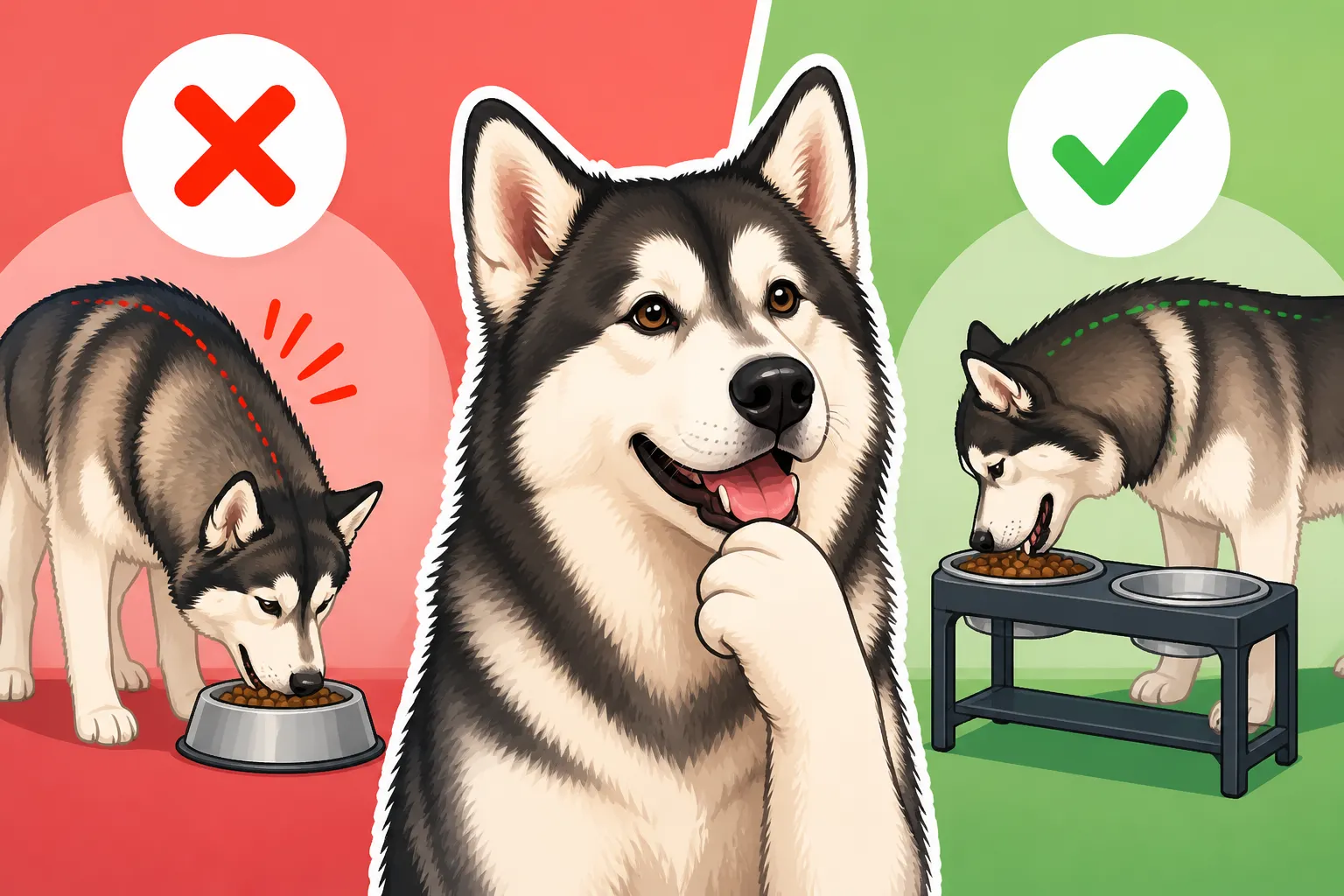
This is where the conventional wisdom around raised bowls takes an unexpected turn. While the initial thought was that elevated feeders would reduce air intake and thus bloat risk, scientific studies have actually suggested the opposite for certain breeds, including large, deep-chested dogs. Research, such as a large study conducted by Purdue University, indicated that using raised food bowls was associated with an increased risk of GDV in large and giant breeds. This finding truly shocked many in the dog community and certainly challenged what we'd all been led to believe. The hypothesis here is that an elevated bowl might encourage a dog to eat more quickly, gulping down larger amounts of food and, inadvertently, more air. It's not about the bending posture as much as the speed and manner of consumption. It’s a frustrating revelation for owners who believed they were doing the right thing, highlighting how important it is to keep up with current veterinary science.
Beyond Bloat: Other Considerations for Raised Bowls
While the bloat risk is a major point of discussion, it's not the only factor to consider when deciding on your Malamute's feeding setup. There are other aspects of comfort, posture, and digestion that come into play, and they aren't always straightforward.
Comfort for Large Breeds and Seniors
It's natural to assume that a large dog like an Alaskan Malamute would find it more comfortable to eat from a raised bowl. After all, constantly bending down can look awkward, especially for a mature dog or one with joint issues. For senior Malamutes, or those grappling with conditions like hip or elbow dysplasia or arthritis, the idea of alleviating strain on their neck and joints during mealtime seems incredibly compassionate. You might see your older Malamute struggle to lower their head or shift their weight, and a raised bowl seems like a simple solution to ease their burden. This intuition comes from a good place – we want our dogs to be comfortable. If you're caring for an older Malamute, comfort during meals is just one of many considerations, as discussed in Feeding an Old Alaskan Malamute.
However, this perceived comfort isn't always backed by physiological benefits. While it might look more comfortable to us, a dog’s natural eating posture is with their head down. Think about how they eat in the wild or even how a puppy naturally approaches its food. Their body is designed for this position. For some dogs, stretching their neck up to a raised bowl can actually put more strain on the spine or alter the natural alignment of their esophagus, potentially hindering rather than helping.
Posture, Swallowing, and Digestion
When a Malamute eats from the floor, their neck is extended downwards, allowing gravity to assist the food's journey down the esophagus. This natural angle can often lead to smoother swallowing and potentially less gulping. When eating from a raised bowl, some dogs might extend their neck forward, which can actually encourage them to eat faster and take in more air. Imagine trying to drink a glass of water while holding your head up high; it's often harder and you might gulp more. The same principle can apply to our dogs.
For most healthy Malamutes, eating from a regular bowl on the floor allows for a more natural head and neck position, which aids in the mechanics of swallowing and digestion. If a dog gulps a lot of air, irrespective of bloat risk, it can still lead to discomfort, gas, and digestive upset. It's about finding that sweet spot where your Malamute can eat calmly and efficiently without unnecessary strain or excessive air intake. Observing your individual Malamute's eating style is key; some dogs are naturally slower eaters, while others are champion vacuum cleaners.
Practical Aspects of Feeding Your Alaskan Malamute
Making the best decision about your Malamute's feeding setup involves looking at a range of practical factors, from the type of bowl you use to overall feeding habits. It’s not just about height; it’s about the whole mealtime experience.
Choosing the Right Bowl Type and Placement
When it comes to feeding your magnificent Alaskan Malamute, the choice of bowl goes beyond just aesthetics. Stainless steel bowls are often the top recommendation because they are durable, easy to clean, and non-porous, meaning they won't harbor bacteria that could upset your dog's stomach. Ceramic bowls can also be a good option, provided they are heavy enough to prevent tipping and the glaze is food-safe and lead-free. Plastic bowls are generally discouraged due to their tendency to scratch, trap bacteria, and sometimes cause skin irritation on the chin.
For placement, most veterinarians and current research lean towards floor-level bowls for healthy Malamutes. If your Malamute tends to eat quickly, incorporating a slow-feeder bowl can be incredibly beneficial. These bowls have ridges or obstacles that force your dog to eat around them, slowing down their intake significantly. You can find a fantastic array of stainless steel slow-feeder bowls and sturdy floor-level options from retailers like Chewy or Amazon. Whether a Slow Feeder Reduces a Malamute's Bloat Risk is a question many owners ask, and for good reason! Investing in a good quality, stable bowl that stays put on the floor can make a real difference in preventing fast eating and potential discomfort.
Factors That Actually Reduce Bloat Risk
Given the confusing information around raised bowls, it's vital to focus on the factors that genuinely contribute to reducing bloat risk in predisposed breeds like Malamutes. First and foremost, slow eating is crucial. If your Malamute inhales their food in seconds, a slow-feeder bowl is a must-have. Secondly, feeding smaller, more frequent meals throughout the day, rather than one or two large ones, can significantly lessen the load on their stomach. For instance, breaking up their daily ration into two or three meals allows for better digestion and reduces the chance of excess gas buildup. This ties into questions like How Many Meals a Day an Alaskan Malamute Needs.
Thirdly, and perhaps equally important, is managing your Malamute's activity around meal times. Avoid vigorous exercise for at least an hour before and two hours after eating. This means no intense play, running, or pulling sessions right before or after they've had a meal. Stress reduction during feeding can also help; ensure your Malamute has a calm, quiet place to eat where they won't feel rushed or anxious. For Malamutes with specific risk factors or those with a history of bloat in their lineage, a veterinary procedure called gastropexy, which surgically attaches the stomach to the abdominal wall to prevent it from twisting, might be a recommended preventative measure. It's worth discussing Whether a Malamute Should Have a Gastropexy with your vet. Remember, a common frustration for Malamute owners is their highly efficient metabolism, which can sometimes lead to them eating less than expected, as discussed in The Efficient Metabolism That Surprises Every New Malamute Owner, making mindful feeding all the more important.
Monitoring Your Malamute's Eating Habits
Every Malamute is an individual, and observing their specific eating habits is paramount. Take the time to watch how your dog eats. Do they gobble their food down so quickly that they seem to barely chew? Do they gulp a lot of air while eating? Do they appear uncomfortable or restless after a meal? These observations can provide valuable clues about whether their current feeding setup is working for them.
You might notice if your Malamute paces around their bowl, nudges it, or seems to stretch unusually. Pay attention to any signs of indigestion, excessive burping, or post-meal lethargy. If your Malamute frequently gulps air, regardless of bowl height, it might be a sign that a slow feeder is needed. If they seem to struggle with their current bowl height due to age or a physical condition, talk to your vet. They can help you assess the situation, rule out underlying health issues, and offer personalized recommendations. Sometimes, it's not the bowl itself, but the dog's personal style, and a change in routine or type of bowl, like a slow feeder, can make all the difference. Always remember to allow your Malamute to relax and digest after eating, as highlighted in Whether a Malamute Should Rest After Eating.
Making an Informed Decision for Your Malamute
Navigating the world of dog care can often feel like walking through a minefield of conflicting advice. When it comes to something as vital as feeding, and with a breed as magnificent yet predisposed to certain conditions as the Alaskan Malamute, making the right choice requires careful thought and a partnership with your veterinarian.
Weighing the Benefits and Risks
Based on the most current scientific understanding, the general recommendation for healthy, deep-chested breeds like Alaskan Malamutes is to feed them from bowls placed on the floor. While the idea of a raised bowl offering comfort for older dogs or those with joint issues seems appealing, the potential link to an increased risk of bloat outweighs this perceived benefit for many. It's a tough pill to swallow when you've genuinely believed you were doing the right thing, but staying informed means adjusting our practices based on the latest evidence.
The main takeaway here is that for a healthy Malamute, a floor-level bowl, especially a slow-feeder type if they eat quickly, is typically the safest bet for reducing bloat risk. We must prioritize reducing the known risk factors for GDV, and unfortunately, current research points away from raised bowls for this purpose. This is a critical decision, and one that should be made with thoughtful consideration for your specific dog, keeping in mind their individual eating habits and any health conditions. Many owners also worry about Whether a Malamute Gains Weight Easily, and the type and quantity of food, along with feeding method, play into that too. Similarly, understanding Whether an Alaskan Malamute Should Be Fed by Weight is part of the holistic approach to feeding.
When Raised Bowls Might Still Be Appropriate With Vet Guidance
There are, however, very specific medical situations where a raised bowl might not just be appropriate, but absolutely necessary, under strict veterinary guidance. The most common example is a dog diagnosed with megaesophagus, a condition where the esophagus loses its muscle tone and cannot effectively push food down to the stomach. For these dogs, eating from an elevated position, sometimes even vertically, can use gravity to help food reach the stomach, preventing regurgitation and aspiration pneumonia. In such cases, a Bailey chair or a very tall raised feeder is custom-fitted.
Another scenario could be for Malamutes suffering from severe, debilitating arthritis or neurological conditions where bending down to the floor causes immense pain or is simply not physically possible. Even in these cases, the decision to use a raised bowl should never be made lightly or without consulting your veterinarian. Your vet can assess your dog's specific condition, discuss the potential risks versus benefits, and help you determine the optimal height and setup to ensure comfort without unnecessarily increasing other health risks. It's a delicate balance, and individualized advice from a professional is truly invaluable.
| Feature / Consideration | Floor-Level Bowls (Standard) | Raised Bowls (Elevated) |
|---|---|---|
| Bloat (GDV) Risk | Generally considered lower risk for healthy, deep-chested breeds | Studies suggest increased risk for large/giant breeds |
| Natural Posture | Mimics natural foraging position, aiding swallowing | Can alter natural swallowing mechanics, potentially increasing air intake |
| Comfort for Seniors | May require more bending, potentially challenging for severe arthritis | Perceived comfort for joint issues, but actual benefit varies and should be vet-monitored |
| Digestion | Promotes calmer eating and less air gulping for most dogs | Can encourage faster eating and more air gulping |
| Cleanliness | Can be messy if dog drags food, but stable | Keeps eating area tidier, but can tip if not sturdy |
| Recommended Use | Default for most healthy Malamutes, especially with slow feeders | Only for specific medical conditions under strict vet supervision |
Disclaimer
This article is for general informational purposes only and does not constitute professional advice. Laws, prices and regulations vary by location and change over time. Consult a qualified professional for guidance on your specific situation.