Whether a Malamute’s Inherited Diseases Are Being Bred Out
It’s a truly heartbreaking experience to bring a new Alaskan Malamute puppy into your home, only to discover later that they’re suffering from an inherited disease. The question of whether dedicated breeders are actively working to eliminate these genetic conditions is a real concern for many prospective owners, and it's a topic that deserves a deep, honest look. This guide aims to shed light on the progress, challenges, and ongoing efforts within the Malamute community to breed out inherited diseases, offering a realistic perspective on this complex issue.
The Historical Shadow: Why Inherited Diseases Became a Concern
For centuries, Alaskan Malamutes were bred for purpose, not necessarily for health screening as we understand it today. Their incredible strength, endurance, and loyal temperament were paramount for the indigenous Mahlemut people and later for explorers and prospectors. This intense focus on working ability, while preserving the breed's incredible legacy, sometimes meant that genetic predispositions to certain conditions went unnoticed or were simply accepted as part of the breed's make-up, especially before the advent of modern veterinary medicine and genetic science.
Tracing the Origins of Genetic Conditions
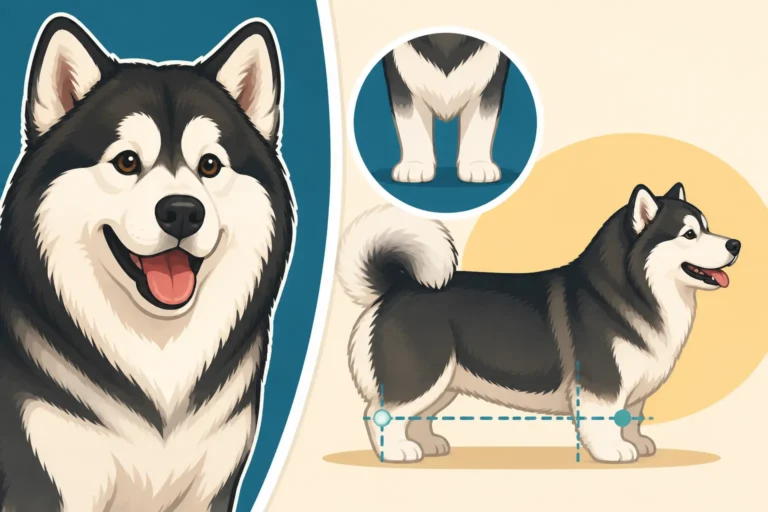
Many inherited diseases in Alaskan Malamutes, like in other purebreds, often stem from a relatively limited gene pool. When a breed is developed or recreated from a small number of foundation dogs, any genetic weaknesses present in those original animals can become widespread as their descendants proliferate. Think of it like a family tree: if a particular branch carries a certain trait, it's likely to show up further down the line. For Malamutes, conditions such as chondrodysplasia, often known as dwarfism, or inherited polyneuropathy, which affects nerve function, became established in certain lines. Chondrodysplasia and the Malamute That Absorbs a Quarter of Its Zinc is a perfect example of a complex genetic issue that requires careful breeding practices to mitigate. Similarly, Inherited Polyneuropathy and the Malamute That Stumbles at a Year highlights another serious condition that has plagued the breed.
Early breeders, in their earnest efforts to maintain the working capabilities and distinct Malamute type, weren't always aware of the subtle genetic issues lurking within their lines. The scientific tools simply weren't there yet. They were selecting for physical prowess, temperament suited to pack work, and the unmistakable Malamute look. Without clear understanding of recessive genes or genetic predispositions, some traits, both desirable and undesirable, were inadvertently passed on through generations, sometimes becoming more prevalent over time.
The Awakening: Early Efforts at Recognition and Testing
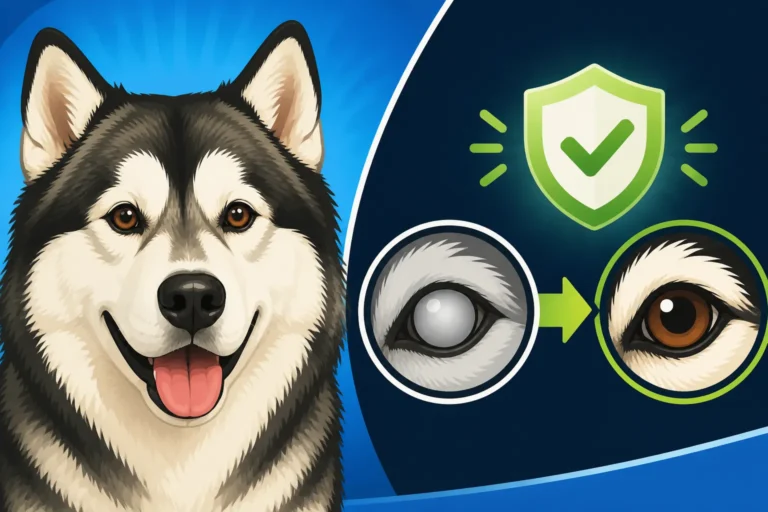
The realization that certain diseases were indeed inherited rather than random occurrences was a pivotal moment for the Malamute community. Dedicated fanciers and breed clubs began to openly acknowledge these issues, moving away from a mindset of denial or quiet management. This shift was monumental, paving the way for collective action. One early breakthrough was the identification of Day Blindness, or rod-cone dystrophy type 2 (rcd2), which for a time impacted many litters. Thanks to focused efforts, the Day Blindness and the CNGB3 Test That Nearly Ended It in Malamutes really changed the landscape for that particular condition.
The initial efforts were often painstaking, involving detailed pedigree analysis and sometimes difficult decisions about breeding animals that were otherwise excellent examples of the breed but known carriers. Before DNA tests became widely available, identifying carriers of recessive genes was a statistical guessing game, relying on observing affected offspring to deduce parental carrier status. This meant that healthy-looking dogs could unknowingly pass on debilitating conditions, creating heartbreak for new puppy owners. The courage of those early breeders and owners to bring these issues into the light laid the groundwork for the more scientific approaches we employ today.
The Power of Knowledge: DNA Testing and Health Clearances
Today, we're in a much better place thanks to advancements in genetic science. The ability to identify specific genes responsible for inherited diseases has been a game-changer for responsible Alaskan Malamute breeders. It’s moved us from guesswork to certainty in many cases, allowing for much more informed breeding decisions.
The Game Changers: Specific DNA Tests
The impact of DNA testing on breeding programs cannot be overstated. For conditions like inherited polyneuropathy, genetic tests can definitively identify whether a dog is clear, a carrier, or affected. This information empowers breeders to make responsible choices when planning litters. For instance, the availability of The DNA Test That Finds Malamute Polyneuropathy means that breeders no longer have to guess about a dog's genetic status regarding this debilitating nerve condition. They can test prospective parents and avoid breeding two carriers together, which is how affected puppies are born. Similarly, The CNGB3 Test for Malamute Day Blindness has been instrumental in drastically reducing the incidence of this specific eye condition, allowing breeders to confidently produce clear puppies.
These tests reveal a dog's genetic blueprint for specific diseases:
- Clear: The dog does not carry the gene for the disease and cannot pass it on to offspring.
- Carrier: The dog carries one copy of the gene but is usually healthy themselves. They can pass the gene to offspring.
- Affected: The dog has two copies of the gene and will develop or has developed the disease.
By understanding these results, breeders can strategically pair dogs. For example, a carrier can be safely bred to a clear dog, knowing that no affected puppies will be produced, though some may still be carriers. This allows valuable traits to be preserved in the gene pool while slowly reducing the prevalence of the disease gene.
Beyond DNA: Comprehensive Health Clearances
While DNA tests are incredible tools, it's crucial to remember that inherited diseases aren't only about single-gene disorders detectable through a cheek swab. A truly comprehensive approach to health requires a broader spectrum of clearances. This means screening for conditions with a more complex genetic component, or those where environmental factors also play a significant role.
For Alaskan Malamutes, this often includes:
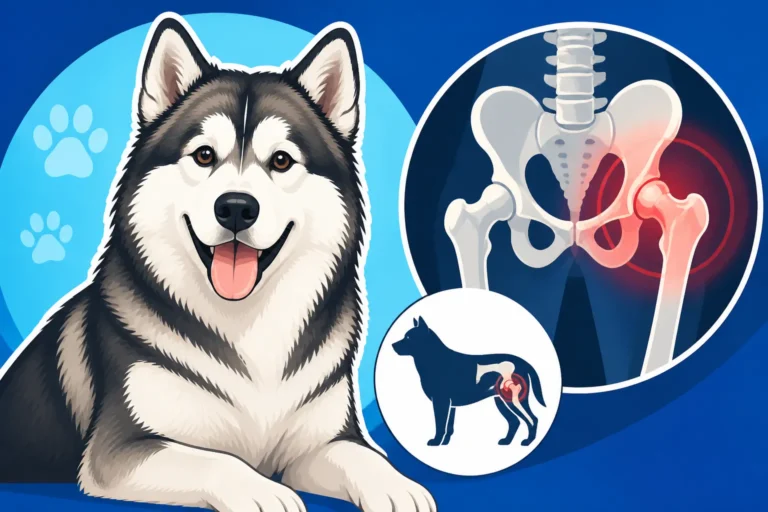
- Hip Dysplasia: Screened through organizations like the Orthopedic Foundation for Animals (OFA) or PennHIP. This assesses the quality of the hip joints to reduce the risk of this painful, debilitating condition. Hip Dysplasia in an Alaskan Malamute is a common concern across many large breeds, and diligent screening is vital.
- Elbow Dysplasia: Also typically screened by OFA, similar to hips.
- Eye Certifications: Performed by a veterinary ophthalmologist, often certified by OFA Eye (formerly CERF), to check for inherited eye conditions beyond specific DNA-tested ones.
A responsible breeder won't just wave a single DNA test result and call it a day. They will have a portfolio of health clearances for all their breeding stock, proving their commitment to producing healthy puppies. This holistic view helps ensure that the overall genetic health and physical soundness of the breed are being actively nurtured. Even with the best screening, unexpected issues can sometimes arise, making it prudent for owners to consider options like pet insurance from providers such as Healthy Paws to help manage potential veterinary costs down the line.
The Ongoing Battle: Challenges and Progress in Breeding Out Diseases
The journey to breed out inherited diseases is rarely a straight line. It's a complex, ongoing battle that requires vigilance, ethical considerations, and a deep understanding of genetics and population health. The Malamute community has made significant strides, but challenges remain.
The Ethical Dilemma of Carriers
One of the biggest ethical dilemmas for breeders concerns dogs identified as carriers of a particular disease. If a dog is a carrier, meaning it possesses one copy of a recessive gene but doesn't express the disease itself, should it be removed from the breeding program entirely? The immediate reaction might be "yes," to eliminate the gene as quickly as possible. However, this isn't always the best strategy for the long-term health of the breed.
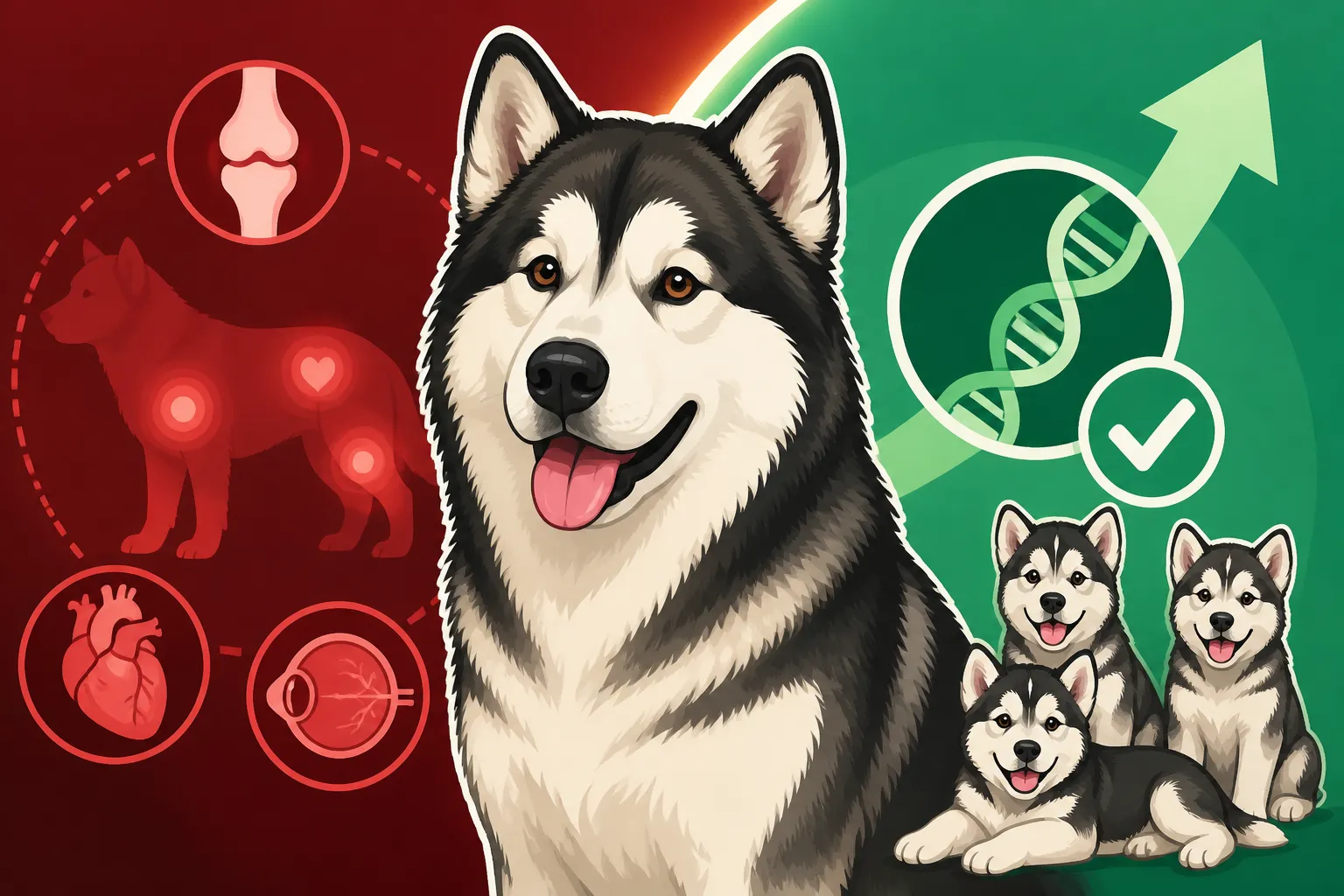
If every carrier is immediately pulled from breeding, especially in a breed with an already somewhat limited gene pool like the Alaskan Malamute, it can drastically reduce genetic diversity. This reduction can inadvertently lead to new, unforeseen genetic problems or concentrate other undesirable traits. The goal isn't just to eradicate one disease, but to maintain overall genetic health and robustness. Therefore, responsible breeders often employ a strategy of breeding carriers to clear dogs. This ensures that no affected puppies are produced, while allowing the breeder to retain valuable traits (like conformation, temperament, or working ability) that the carrier dog might possess. The offspring from such a pairing are then tested, and only clear dogs are kept for future breeding, gradually phasing out the carrier status over generations. This thoughtful approach helps preserve the health and integrity of the breed, as discussed further in Whether a Carrier Malamute Can Be Bred.
Breeder Responsibility and Buyer Vigilance
The cornerstone of breeding out inherited diseases rests squarely on the shoulders of responsible breeders. They are the ones who commit to comprehensive health testing, maintain detailed records, and are transparent about their results. This includes not just DNA tests, but also certifications for hips, elbows, and eyes. A responsible breeder understands that their responsibility extends beyond just producing cute puppies; it's about safeguarding the future of the breed.
For prospective puppy buyers, vigilance is key. It's not enough to simply take a breeder's word for it. You should always ask to see the health clearances for both parents of a litter. These documents should be verifiable through public databases (like OFA for hips/elbows/eyes) or official lab reports for DNA tests. Don't be shy about asking questions and understanding what the results mean. If a breeder is unwilling to provide these records or seems evasive, it's a significant red flag. Choosing a puppy from an untested litter, as explored in Whether an Untested Alaskan Malamute Litter Is Worth Buying, can put you and your future dog at unnecessary risk. Even with the most diligent breeding, unexpected health challenges can arise. It's why many Malamute owners appreciate the financial safety net that pet insurance, such as policies offered by Healthy Paws, can provide when dealing with unforeseen veterinary needs. Whether a Malamute Breeder Should Publish DNA Results is an important question for transparency.
Looking to the Future: What More Can Be Done?
The progress made in identifying and managing inherited diseases in Alaskan Malamutes is commendable, but the work is far from over. The future of the breed's health depends on continued collaboration, advanced research, and a commitment to adapting our strategies.
Collaborative Efforts and Open Data
One of the most powerful tools for future progress is collaboration within the Malamute community and beyond. Breed clubs play a vital role in setting health priorities, funding research, and educating members. When individual breeders, researchers, and breed organizations work together, they can achieve much more than any single entity working in isolation. Establishing centralized, open health databases where breeders can voluntarily submit and share health testing results, including information on carriers, can create a powerful resource. This transparency allows for a broader understanding of disease prevalence across the entire breed population, helping to identify emerging issues and guide breeding decisions more effectively.
Imagine a world where geneticists, veterinarians, and breeders can easily access anonymized health data to spot trends, research new genetic markers, and better understand complex polygenic conditions. This kind of open data exchange accelerates discovery and empowers the entire community to make smarter, healthier choices for future generations of Malamutes.
Beyond Eradication: Management and Quality of Life
While the ideal goal is to eradicate debilitating inherited diseases, we must also acknowledge that some conditions, due to their genetic complexity or the constraints of maintaining a healthy gene pool, may not be "bred out" entirely in the short term, or perhaps ever. In such cases, the focus shifts to proactive management and ensuring the best possible quality of life for affected dogs.
This means early diagnosis, effective veterinary care, and ongoing support for owners. For example, for conditions like Zinc Responsive Dermatosis in an Alaskan Malamute, while breeding strategies aim to reduce its incidence, owners of affected dogs need clear guidance on dietary management and supplementation to manage symptoms and ensure their Malamute lives comfortably. It also underscores the importance of a strong partnership with your veterinarian. Being proactive about your Malamute's health, including regular check-ups and being prepared for potential health challenges, is crucial. This proactive approach can be financially supported by comprehensive pet insurance plans, like those from Healthy Paws, which can help cover costs associated with diagnosing and managing chronic or inherited conditions. Ultimately, it's about minimizing suffering and maximizing the joy our Malamutes bring into our lives, regardless of their genetic predispositions. The Health Tests Both Alaskan Malamute Parents Should Have is an important resource for new owners.
Here's a quick overview of some key inherited conditions in Alaskan Malamutes and the progress in addressing them:
| Inherited Condition | Primary Mode of Inheritance | Status of Testing/Breeding Efforts | Outlook on Being "Bred Out" |
|---|---|---|---|
| Day Blindness (rcd2/CNGB3) | Autosomal Recessive | Highly effective DNA test available. | Significant progress; largely eliminated from responsible breeding lines through widespread testing and selective breeding. |
| Inherited Polyneuropathy | Autosomal Recessive | Highly effective DNA test available. | Good progress; responsible breeders are actively testing and making breeding decisions to reduce carrier prevalence and eliminate affected offspring. |
| Chondrodysplasia (Dwarfism) | Autosomal Recessive | DNA test available for certain variants, but the condition can be complex. | Progress is ongoing. Testing helps reduce incidence, but careful management of the gene pool is needed to prevent unintended consequences from over-selection. What Chondrodysplasia Does to an Alaskan Malamute is a must-read for anyone considering a Malamute. |
| Hip Dysplasia | Polygenic (multiple genes) | Orthopedic evaluations (OFA, PennHIP) are standard for breeding stock. | Difficult to "breed out" entirely due to complex inheritance and environmental factors, but incidence rates are significantly reduced by screening and avoiding breeding affected dogs. |
| Elbow Dysplasia | Polygenic (multiple genes) | Orthopedic evaluations (OFA) are standard for breeding stock. | Similar to hip dysplasia, challenging to eliminate completely, but screening greatly reduces risk and prevalence in well-bred lines. |
| Zinc Responsive Dermatosis | Suspected Genetic/Dietary | No direct DNA test for the predisposition; managed with diet and supplementation. | Not truly "bred out" as genetic understanding is still developing, but breeders can consider family history. Focus is on management and ensuring adequate zinc intake. |
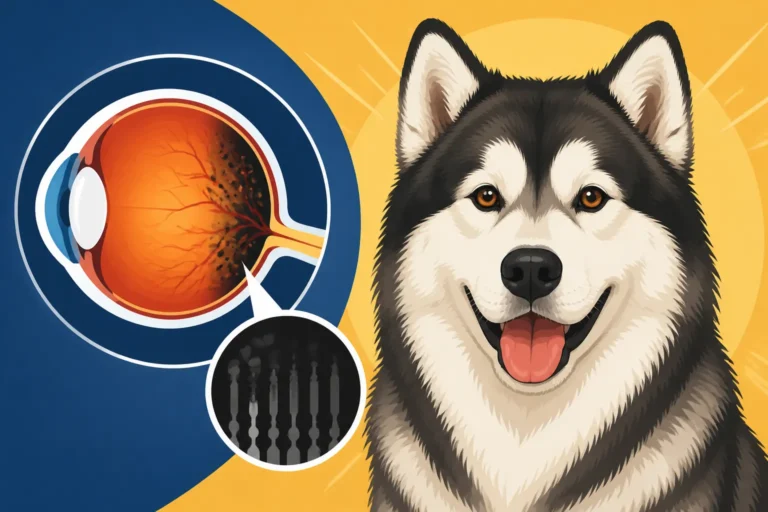
| Cataracts / Eye Anomalies | Varies (some inherited) | Regular veterinary ophthalmologist exams (OFA Eye/CERF) for breeding stock. | Ongoing screening helps reduce the prevalence of inherited forms, but regular checks remain important throughout a dog's life. |
Disclaimer
This article is for general informational purposes only and does not constitute professional advice. Laws, prices and regulations vary by location and change over time. Consult a qualified professional for guidance on your specific situation.