What an Alaskan Malamute Needs Every Day
Bringing an Alaskan Malamute into your life is an incredible journey, but it's also a significant commitment that often catches new owners off guard. These magnificent dogs aren't just pets; they're intelligent, independent, and powerful creatures with deep-seated instincts that demand daily attention to thrive. Many people fall in love with their stunning looks but quickly become overwhelmed by their unique needs, leading to frustration for both dog and owner. This comprehensive guide will walk you through the essential, non-negotiable daily requirements for an Alaskan Malamute, helping you understand how to provide the balanced, fulfilling life they deserve.
Daily Physical Exercise and Mental Stimulation
Let's be real, a Malamute isn't going to be happy with a quick lap around the block. These dogs were bred for endurance, for hauling heavy loads across vast, icy landscapes. That instinct doesn't just vanish because they're living in your suburban home. The biggest mistake a new Malamute owner can make is underestimating their need for consistent, vigorous physical activity coupled with plenty of mental challenges. Without it, you're not just going to have a bored dog; you're going to have a destructive dog, and trust me, they are incredibly good at destruction.
The Importance of Consistent, Vigorous Exercise
For an Alaskan Malamute, exercise isn't just about burning off steam; it's about fulfilling a deep-seated biological drive. Think two hours, minimum, of dedicated, high-energy activity every single day. This isn't negotiable. We're talking brisk walks, jogs, long hikes, or even pulling a scooter or cart if you're set up for it. Just walking around the block twice a day isn't going to cut it, and frankly, it's unfair to the dog. Imagine being built like a marathon runner, but only being allowed to sprint for five minutes. That's how a Malamute feels.
The frustration I often hear from owners is about their Malamute tearing up the house, chewing furniture, or digging craters in the yard. More often than not, the root cause is a severe lack of appropriate exercise. They're not being "naughty" intentionally; they're simply finding their own, often inconvenient, ways to expend pent-up energy. Consistency is key here. A huge hike one day and nothing for two days after will still lead to problems. They need that daily outlet, rain or shine, hot or cold (though special considerations are needed for heat, which we'll discuss later). Ignoring this fundamental need is a recipe for a truly miserable Malamute and a perpetually exasperated owner.
Engaging Their Minds Beyond Just Movement
Beyond the physical exertion, a Malamute's incredibly intelligent mind needs to be worked just as hard as its body. These dogs are problem-solvers by nature, accustomed to navigating complex terrains and making independent decisions. If you don't give them constructive puzzles to solve, they'll invent their own, and usually, those "puzzles" involve deconstructing your home or landscaping. Mental stimulation can be as simple as regular training sessions, learning new tricks, or engaging with puzzle toys that dispense treats. Brands like Chewy offer a wide array of interactive toys that can keep a Malamute's brain ticking.
Think about giving them a job, even if it's just a household one. Can they carry a backpack with water bottles on your walks? Can they help you "find" a hidden treat in the yard? Scent work games are fantastic for Malamutes, tapping into their natural hunting instincts in a safe, controlled way. A few short, engaging mental training sessions throughout the day can be just as tiring as a long walk, and often even more satisfying for them. It's about channeling that intelligence, not suppressing it. An unengaged Malamute is often a bored, and subsequently, a destructive Malamute.
Providing Outlets for Natural Instincts
The Alaskan Malamute was literally bred to pull. It's in their DNA. Whether it's a sled, a cart, a bike, or even just you on skis (skijoring), giving them a chance to pull is one of the most fulfilling activities you can offer. This isn't just exercise; it's a profound connection to their heritage and purpose. Even if your Malamute is a beloved pet and never sees a dog sledding trail, offering them an opportunity to wear a proper harness and pull something — even a small log on a leash in the park (if safe and permitted) — can provide immense satisfaction. They truly love it. This is why Pulling Is the Only Job an Alaskan Malamute Really Wants.
Activities like urban mushing, where they pull a specialized cart or scooter, are becoming increasingly popular for pet Malamutes in areas without snow. These outlets allow them to use their powerful bodies and minds in a way that feels natural and deeply satisfying. Neglecting this instinct is like asking a bird not to fly; it goes against their very being. If you can't provide regular pulling opportunities, consider longer, challenging hikes where they can wear a doggie backpack, giving them a sense of purpose and carrying "freight." It’s about understanding their nature and providing suitable, safe outlets for it.
Nutritional Needs and Feeding Routines
Feeding an Alaskan Malamute isn't just about filling a bowl; it's about understanding their unique physiology and ensuring they get the right balance of nutrients to support their robust build and active lifestyle. These dogs are incredibly efficient eaters, a trait passed down from their ancestors who often faced periods of scarcity. This efficiency, while impressive, can also be a double-edged sword for pet Malamutes living a more sedentary lifestyle, making them prone to weight gain and associated health issues.
Understanding Their Unique Metabolism
One of the biggest surprises for new Malamute owners is how little food their large dog actually needs compared to other breeds of similar size. Their ancestors developed an incredibly efficient metabolism to survive in harsh Arctic conditions where food was not always plentiful. They can extract maximum nutrition from their meals and store energy effectively. This means that feeding them the same quantity as you might a similarly sized Labrador or German Shepherd will quickly lead to an overweight Malamute. This is precisely why The Efficient Metabolism That Surprises Every New Malamute Owner.
The challenge then becomes how to provide enough sustenance for their energy output without overfeeding. An overweight Malamute is not just an aesthetic concern; it puts immense strain on their joints, exacerbates conditions like hip dysplasia, and increases their risk of other health problems. Owners often struggle with this, feeling like they're "starving" their large dog, but in reality, they're simply respecting their efficient biology. It requires careful monitoring of their weight and body condition, feeling for ribs and observing their waistline, even under that thick coat.
Diet Composition and Zinc Considerations
When it comes to the actual food, a high-quality diet rich in protein and moderate fat is crucial. Look for foods with real meat as the first ingredient. Beyond the general nutritional needs, Malamutes have a well-documented predisposition to Zinc Responsive Dermatosis, a condition where they struggle to absorb zinc from their diet, even if the food contains zinc. This means that adequate dietary zinc, often in a highly bioavailable form, is absolutely critical. This is a significant part of Feeding an Alaskan Malamute for Zinc It Cannot Absorb.
Some owners find success with specialized formulas designed for large breeds or working dogs, while others prefer to supplement with zinc under veterinary guidance. The brand Ollie, known for its fresh, human-grade dog food, can be an option if you're looking for carefully balanced nutrition, though specific zinc needs should always be discussed with your vet. It's not uncommon for a Malamute to need a higher level of zinc than many standard dog foods provide, or for them to simply absorb it poorly regardless of the quantity. Regularly checking labels and discussing your Malamute's specific needs with your veterinarian is paramount to prevent deficiencies that can manifest as skin issues, lethargy, and a host of other problems. This genetic quirk is part of why Zinc Is the Thread Running Through Three Malamute Diseases.
Portion Control and Meal Frequency
Given their efficient metabolism, strict portion control is essential. Free-feeding, where food is left out all day, is almost always a bad idea for a Malamute unless they are exceptionally active and maintain a perfect weight. Most adult Malamutes do best on two meals a day. This helps regulate their digestion and can be a factor in preventing bloat, a life-threatening condition that deep-chested breeds are prone to.
The exact amount of food will vary wildly depending on your individual dog's age, activity level, metabolism, and the caloric density of the food you choose. A working Malamute pulling a sled in winter will need significantly more calories than a pet Malamute lounging indoors in summer. Always start with the manufacturer's recommendations for their weight range and then adjust based on your dog's body condition. You want to see a defined waist and be able to feel their ribs without them being visible. How Much an Adult Alaskan Malamute Should Eat can feel counterintuitive when you look at their size, but trust your vet and their body condition. Slow feeder bowls are also a fantastic investment to prevent them from gulping down their food too quickly, which can contribute to bloat.
Grooming and Coat Care
If you're not prepared for hair, a lot of hair, then an Alaskan Malamute might not be the right breed for you. Their magnificent double coat is one of their most defining features, providing unparalleled insulation in freezing temperatures. However, this incredible coat requires diligent, consistent care to stay healthy and to prevent your home from becoming a fur factory. Ignoring their grooming needs doesn't just make for a scruffy dog; it can lead to painful matting and skin issues.
Daily Brushing and Weekly Checks
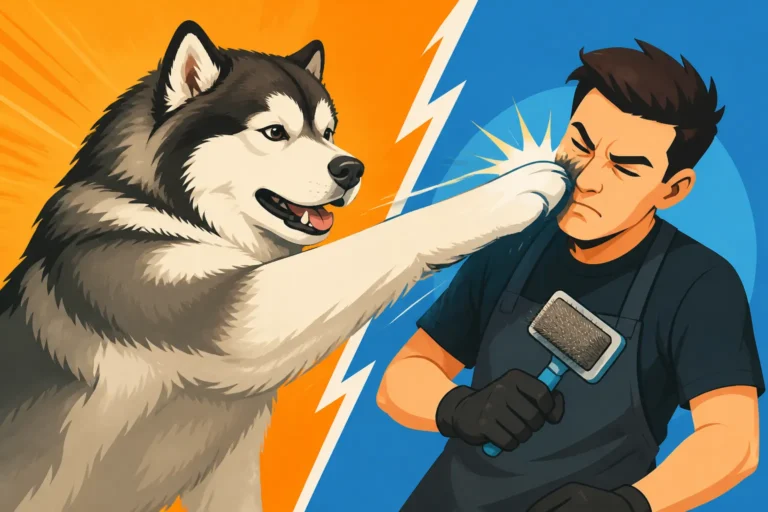
While you don't need to do a full-blown grooming session every day, daily brushing, especially with a good quality undercoat rake, is highly recommended. This helps to remove loose hair, prevent mats, and distribute natural oils, keeping their skin and coat healthy. During certain times of the year, particularly during their seasonal coat blows, this daily ritual becomes absolutely non-negotiable. It's during these times that a quick five-minute brush can save you hours of vacuuming later, and believe me, it will feel like you could build another Malamute from the amount of fur you remove. The Malamute Coat Blow That Fills a Vacuum in an Afternoon is a real phenomenon!
Beyond just brushing, make it a habit to do a quick visual and tactile check of their skin weekly. Part their fur in different areas – under their chin, behind their ears, in their armpits, along their belly, and around their tail. Look for any redness, rashes, bumps, or crusty patches. Because of their thick coat, skin issues can easily go unnoticed until they become severe. Early detection of things like hot spots or signs of zinc deficiency (like thickened, crusty skin around the muzzle or eyes) can prevent minor problems from escalating. Reading a Malamute's Skin Before the Crusts Appear is a skill every Malamute owner needs to cultivate.
Managing Seasonal Coat Blow
The "coat blow" is an experience unique to double-coated breeds like the Malamute, and it's something you simply have to prepare for. Typically occurring twice a year, usually in spring and fall, your Malamute will shed its entire undercoat in a relatively short period. This isn't just shedding; it's an explosion of fluff that will cling to everything you own. Many owners find themselves overwhelmed, thinking their dog is losing all its hair. It's normal, but it requires serious intervention.
During a coat blow, daily, intensive brushing sessions are a must. Investing in a high-velocity force dryer, like those readily available on Amazon, can be a game-changer. These dryers blast out loose undercoat incredibly effectively, often getting out more hair in one session than a week of brushing. Many owners also opt for professional deshedding services at their local groomer during this time. Remember, Malamutes should never be shaved, as their double coat protects them from both cold and heat, and shaving can permanently damage its insulating properties. Embrace the fluff, and equip yourself with the right tools.
Nail Trims and Paw Pad Health
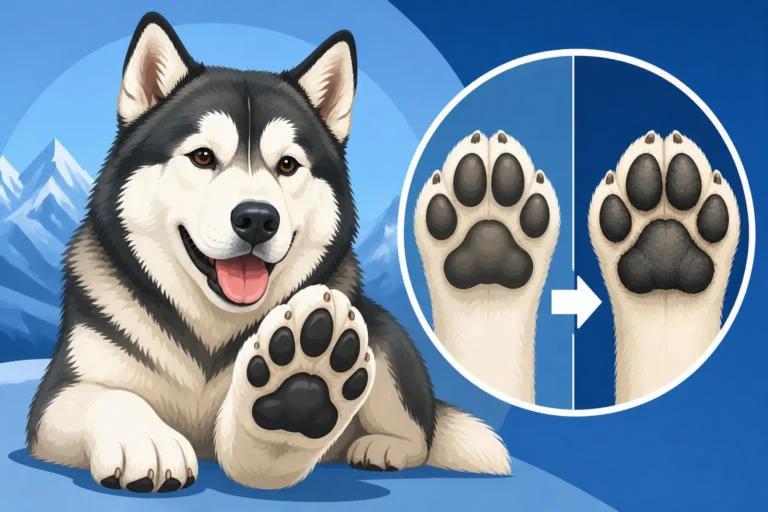
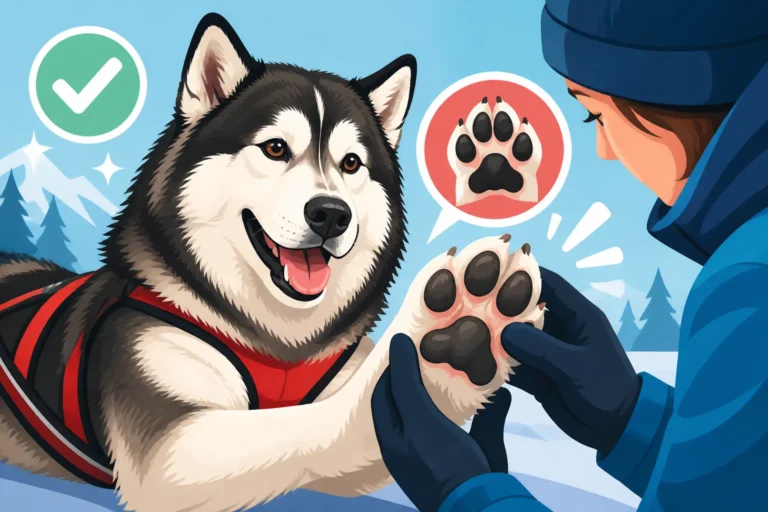
Just like their coat, a Malamute's nails and paw pads require regular attention. Long nails can cause discomfort, alter their gait, and lead to joint issues over time. They should be trimmed frequently enough that you don't hear them clicking on hard floors. For some Malamutes, this might be every week or two, for others, every three to four. If your Malamute is regularly active on rough terrain, their nails might wear down naturally, but always check. A Dremel tool can be incredibly effective for grinding down nails smoothly if your Malamute tolerates it better than clippers.
Their paw pads, especially for working or highly active Malamutes, also need regular inspection. Check for cracks, cuts, foreign objects, or excessive dryness. Products like paw balm can help keep pads supple and prevent cracking, particularly in harsh weather conditions or after long runs on rough surfaces. For Malamutes that pull, their feet are their foundation, so maintaining healthy nails and pads is critical for their comfort and performance. Feet, Pads and Nails on an Alaskan Malamute That Pulls speaks to the importance of this often-overlooked aspect of their daily care.
Health Monitoring and Preventive Care
Alaskan Malamutes are generally a hardy breed, but like all dogs, they have their predispositions and require careful health management. Many of their ancestral traits, such as their stoicism, mean they can often hide discomfort or illness until it becomes quite advanced. This makes daily observation and proactive preventive care not just important, but absolutely critical for their long-term well-being.
Daily Observation for Early Warning Signs
You are your Malamute's first line of defense when it comes to their health. Developing a keen eye for subtle changes in their behavior, appetite, water intake, or energy levels is crucial. Is their energy a little lower than usual? Are they skipping a meal or drinking more water? Is their gait slightly off, or do they seem hesitant to jump? A Malamute might not overtly limp or cry out when in pain; they might just be a bit quieter, less enthusiastic for a walk, or simply reluctant to engage. This stoicism is a trait of dogs bred for survival in harsh conditions, making it harder for owners to spot issues. Remember, Why a Malamute Shows Nothing Until It Cannot Work.
Any deviation from their normal routine or demeanor warrants attention. It doesn't always mean an emergency, but it should prompt closer observation. Check their gums (should be pink and moist), eyes (clear, no discharge), and nose (moist, not excessively runny). Early detection of changes can make a world of difference in treating potential health problems, often leading to better outcomes and less invasive interventions. Trust your gut; if something feels "off" with your Malamute, it probably is.
Routine Vet Visits and Vaccinations
Even the healthiest Malamute needs regular veterinary care. An annual check-up, including a thorough physical exam, is non-negotiable. As they enter their senior years, twice-yearly visits become even more important. These routine visits allow your vet to catch potential issues early, monitor weight, listen to their heart and lungs, and discuss any concerns you might have. Staying up-to-date on core vaccinations (like rabies and distemper/parvovirus) and parasite prevention (heartworm, fleas, and ticks) is also paramount, protecting your Malamute from common, preventable diseases.
Beyond routine care, be aware of breed-specific health concerns. Hip and elbow dysplasia are unfortunately common, so knowing the signs of lameness or stiffness is important. Inherited polyneuropathy and day blindness are also known in the breed, although responsible breeders screen for them. Discussing these with your vet and understanding the symptoms will empower you to advocate for your dog's health. While it's impossible to predict every health issue, consistent preventive care significantly improves your Malamute's chances of living a long, healthy life, ideally reaching The Ten to Fourteen Years an Alaskan Malamute Lives.
Dental Hygiene
Dental health is often overlooked, but it's incredibly important for a Malamute's overall well-being. Tartar buildup, gum disease, and tooth decay can lead to pain, infection, and even impact other organ systems if bacteria enter the bloodstream. Ideally, you should aim to brush your Malamute's teeth daily, or at least several times a week, using a dog-specific toothpaste and brush. Introducing this early in puppyhood makes it much easier to manage.
If daily brushing isn't feasible, incorporating dental chews (choose reputable brands and supervise consumption), dental wipes, or water additives can help, but they are generally less effective than direct brushing. Routine veterinary dental cleanings under anesthesia may be necessary periodically to remove accumulated plaque and tartar. Your vet will assess your Malamute's dental health during their annual check-up and recommend a cleaning schedule. Maintaining good oral hygiene will contribute to their comfort, appetite, and overall systemic health.
Socialization and Companionship
Alaskan Malamutes are deeply social, pack-oriented animals. They thrive on companionship and want to be active participants in family life. This isn't a breed that does well left alone in a backyard for hours on end, day after day. Their need for interaction and connection is profound, and neglecting it can lead to a host of behavioral problems driven by loneliness, boredom, and a lack of belonging.
Being a Valued Member of the Family Pack
These dogs consider their human family their pack, and they need to feel like a valued, integrated member of that pack. This means living indoors with you, participating in family activities, and receiving consistent attention and affection. A Malamute relegated to an outdoor kennel with minimal human interaction is almost certainly going to develop behavioral issues, ranging from destructive digging and howling to anxiety and even aggression. They are not content with solitary confinement.
They are incredibly loyal and form strong bonds with their human companions. This loyalty, however, comes with an expectation of inclusion. They want to be where you are, whether that's curled up at your feet while you watch TV, following you from room to room, or accompanying you on errands (when appropriate and safe). Understanding this inherent need for connection is fundamental to providing them with a happy and well-adjusted life. Their strong pack drive is what makes them such devoted companions, but it also means they need that pack around them.
Consistent Exposure to the World (People and Places)
Socialization isn't a one-time event that ends when your Malamute is a puppy. It's an ongoing, lifelong process. While puppyhood is crucial for initial exposure, continued positive experiences with various people, environments, sounds, and appropriate dog interactions are essential to maintain a well-adjusted adult. They need to learn that the world isn't a scary place and that new experiences can be positive.
This means taking them to pet-friendly stores, parks (on leash, always), and even just sitting on a bench to watch the world go by. Exposure to different types of people – children, men with hats, people using mobility aids – helps them develop confidence and good manners. However, due to their potential for same-sex aggression and strong prey drive, interactions with other dogs need to be carefully managed and supervised. Off-leash dog parks are generally not a good idea for Malamutes, but controlled, positive interactions with known, dog-friendly individuals are beneficial. Building on The First Year With an Alaskan Malamute Puppy is an ongoing process that defines their entire temperament.
Managing Their Strong Prey Drive and Dog Aggression
It's crucial to acknowledge and manage two very significant Malamute traits: their powerful prey drive and their potential for same-sex aggression. Alaskan Malamutes were bred to hunt large game alongside humans and to be able to survive independently if necessary. This means they often have an exceptionally high prey drive, viewing small, fast-moving animals (squirrels, rabbits, cats, small dogs) as legitimate prey. This is deeply ingrained; A Malamute Was Bred to Hunt Bears and It Has Not Forgotten. This drive cannot be "trained out" and must always be managed. Never trust a Malamute off-leash in an unsecured area, as the temptation to chase can be irresistible, leading to dangerous situations for both your dog and local wildlife.
Furthermore, many Malamutes exhibit same-sex aggression, especially males towards other males and sometimes females towards other females. This is a characteristic of many primitive breeds that operated in packs, establishing a clear hierarchy. This means living with multiple Malamutes of the same sex can be incredibly challenging, and dog parks or off-leash areas with unknown dogs are risky. Same Sex Aggression in a Pack Bred Alaskan Malamute is a reality you must be prepared for. Constant vigilance, secure containment, and responsible management are not just good ideas; they are non-negotiable for the safety of your Malamute and others. Muzzle training, while often misunderstood, is also a highly responsible tool for a Malamute owner, ensuring safety in uncertain situations.
Training and Consistent Boundaries
Training an Alaskan Malamute is an ongoing adventure, not a destination. These dogs are incredibly intelligent, but they are also famously independent and strong-willed. What many might perceive as "stubbornness" is often simply a Malamute deciding if your request aligns with their own interests. Successful training with a Malamute requires patience, creativity, consistency, and a profound understanding of their unique mindset.
Ongoing Basic Obedience and Manners
From puppyhood through their senior years, basic obedience training is essential for a well-behaved Malamute. Commands like "sit," "stay," "down," and "leave it" aren't just parlor tricks; they are vital for safety and control. However, unlike some other breeds that live to please, a Malamute will constantly assess whether it's worth their while to obey. This means you need to make training fun, rewarding, and consistently reinforce what you've taught. Positive reinforcement, using high-value treats and praise, is by far the most effective method. Short, frequent training sessions are better than long, tedious ones, as Malamutes can get bored easily.
One command that every Malamute owner grapples with is "come" or recall. While you must teach recall, and practice it diligently in safe, enclosed areas, it's a sobering truth that Why an Alaskan Malamute Will Never Have a Reliable Recall in an open, stimulating environment. Their prey drive and independent nature mean that if something more interesting catches their eye, your voice will likely fall on deaf ears. Therefore, a secure leash and proper fencing are always your ultimate safeguards, even with the best training.
Leadership and Clear Expectations
Malamutes thrive in an environment with clear, consistent leadership. This doesn't mean dominance or harsh punishment; it means being a confident, benevolent leader who sets clear boundaries and sticks to them. They need to understand what's expected of them and that you are the one making the rules, fairly and consistently. Inconsistency breeds confusion and can lead to your Malamute testing boundaries more frequently, trying to figure out where they stand in the "pack."
Harsh training methods, dominance theory techniques, or physical punishment are not only ineffective with Malamutes, but they can be incredibly damaging. These intelligent, sensitive dogs will shut down, become resistant, or even aggressive if treated harshly. They don't respond to force; they respond to respect, clear communication, and the understanding that cooperating with you brings desirable rewards. Why Force Fails on an Alaskan Malamute is a lesson many owners learn the hard way. Building a relationship based on trust and mutual respect is the cornerstone of successful Malamute training.
Leash Training and Equipment
Given their strength and innate desire to pull, leash training is a daily necessity from the moment you bring your Malamute home. A young Malamute can easily pull an adult off their feet, and an adult can become an absolute freight train. Teaching them to walk politely on a leash, without pulling, is crucial for enjoyable walks and the safety of everyone involved. This often requires specialized equipment like front-clip harnesses or head halters, which can provide more control than a standard collar.
Practice loose-leash walking in low-distraction environments first, gradually increasing distractions as they improve. Consistency from everyone who walks the dog is vital. Remember, for a Malamute, pulling isn't inherently "bad"; it's what they were bred to do. So, while you train for polite walking, also consider providing appropriate outlets where they are allowed to pull, such as with a proper pulling harness and equipment for activities like canicross or weight pull. This satisfies their natural inclination while still teaching them manners for everyday walks.
Safe and Secure Environment
Owning an Alaskan Malamute means constantly thinking about security – both their physical containment and the safety of your belongings from their incredibly capable jaws. These are not dogs to be contained by a flimsy fence or left unsupervised in a home filled with tempting chewables. Their intelligence, strength, and innate desire to explore make them master escape artists and formidable chewers.
Dig-Proof Fencing and Escape Prevention
Let's not mince words: if you have an Alaskan Malamute, your fence is merely a suggestion unless it's Malamute-proofed. These dogs were bred to navigate challenging terrain, and they excel at finding weaknesses in boundaries. They are notorious diggers, capable of creating impressive tunnels under fences in surprisingly short order. They can also jump, climb, and even learn to open latches. This is why Fencing a Yard Against a Malamute That Was Bred to Dig is a critical topic for every owner.
Your yard needs a fence that is at least 6 feet high, ideally with dig-proof measures such as burying the fence material 1-2 feet below ground, adding L-footings of wire mesh, or even pouring a concrete footer. Regular checks of your fence line are necessary to spot potential escape routes before they become problematic. Don't underestimate their ingenuity. A bored Malamute will quickly turn a small weakness into a grand escape. Remember, A Malamute's Digging Is Not a Problem, It Is the Breed; it's an instinct that needs a proper outlet, not just punishment. A GPS tracker is also a wise investment, just in case.
"Malamute-Proofing" the Home
When left alone, especially during their adolescent phase, Malamutes can be incredibly destructive. They're not doing it to be malicious; they're exploring, relieving boredom, or expressing anxiety. This means your home needs to be "Malamute-proofed" to protect both your belongings and your dog. Think about items within reach: shoes, books, remote controls, furniture legs, trash cans, and even drywall. Many a Malamute owner has come home to discover the corner of a wall missing or a cushion eviscerated.
Crate training is an invaluable tool for Malamute owners, providing a safe, secure space for your dog when you can't directly supervise them. A sturdy, heavy-duty crate (not a flimsy wire one they can bend or break) is essential. What a Malamute Destroys Before It Turns Two is a common and often expensive rite of passage for owners. Secure trash cans, put away all valuables, and ensure that anything potentially toxic is well out of reach. Think like a toddler with powerful jaws – if they can get to it, they probably will.
Access to Shelter and Safe Spaces
Even though Malamutes thrive in cold weather, they still need access to appropriate shelter, whether indoors or a well-built, insulated outdoor dog house. They need protection from extreme elements – not just heat, but also driving rain, strong winds, and blizzards. A comfortable, clean resting place, such as a sturdy dog bed (choose chew-resistant options if your Malamute is a notorious chewer, which many are) or a crate with soft bedding, is also essential.
This safe space isn't just about physical comfort; it's also about mental well-being. Having a designated den where they can retreat for quiet time, especially in a busy household, helps them decompress and feel secure. This is particularly important for puppies and newly rehomed adult Malamutes, who benefit greatly from having a predictable, safe sanctuary. While they might choose to sleep outside in the snow, having the option of a warm, dry space is always important.
Temperature Management for a Cold-Weather Breed
This is perhaps one of the most critical daily considerations for an Alaskan Malamute, particularly if you live anywhere that experiences warm seasons. These dogs were literally built to thrive in the Arctic. Their dense double coat, efficient metabolism, and physical structure are all designed for extreme cold. While this makes them magnificent companions in winter, it makes summer a potentially life-threatening challenge.
Protecting from Heatstroke in Summer
Summer is not a season for play for most Alaskan Malamutes in temperate or hot climates. Their thick coat, which insulates against cold, also traps heat, making them incredibly susceptible to overheating and heatstroke. Summer Is the Season That Kills Alaskan Malamutes, sadly, far too often, because owners underestimate the danger. Even seemingly mild temperatures that feel comfortable to humans can be dangerous for a Malamute. Never exercise your Malamute during the hottest parts of the day; early mornings and late evenings are the only safe times for walks, and even then, monitor them closely.
Signs of overheating include excessive panting, drooling, red gums, stumbling, weakness, and confusion. If you notice these signs, it's an emergency. Immediately move them to a cool place, offer water, and apply cool (not ice-cold) water to their paw pads, belly, and armpits, and seek veterinary attention immediately. Prevention is the absolute key. Err on the side of caution.
Providing Cooling Opportunities
During warm weather, your Malamute needs constant access to ways to cool down. This means unlimited fresh, cool water at all times. Indoors, access to air conditioning is not a luxury; it's a necessity in many climates. What Cooling a House for a Malamute Costs in Summer can be significant, but it's part of the commitment. You might find them sprawled on tile floors, in the bathtub, or in front of an AC vent, seeking out the coolest spots.
Outdoors, ensure they have constant access to deep shade. A kiddie pool filled with shallow water is often a Malamute's best friend in summer; they love to lie in it to cool their bellies. Cooling mats and vests can also provide some relief, though penetrating their thick coat can be a challenge. Frozen treats and ice cubes in their water can also help them stay comfortable. The goal is to minimize their exposure to heat and maximize their opportunities to cool down throughout the day.
Embracing Their Love for Cold Weather
While heat management is a challenge, winter is when an Alaskan Malamute truly comes alive. This is their season! They revel in cold temperatures, snow, and icy winds. Watching a Malamute gleefully roll in fresh powder or bound through deep snow is a pure joy and a reminder of their heritage. Winter Is When an Alaskan Malamute Comes Alive is not just a poetic statement; it's a profound truth for the breed.
In cold weather, they can enjoy longer, more vigorous outdoor activities. They can pull sleds, go skijoring, or simply enjoy extended playtime in their natural element. Their coat provides incredible insulation, often allowing them to comfortably sleep outside in temperatures that would be dangerous for other breeds. However, always ensure they have access to shelter to escape wind and precipitation, even if they choose to remain outside. In extreme cold, working dogs might need additional calorie intake, but generally, their bodies are perfectly equipped for winter's embrace.
Daily Care Checklist for an Alaskan Malamute
To help you keep track of all these daily needs, here's a handy checklist. Remember, this is a guideline; your individual Malamute might have slightly different requirements based on their age, activity level, and health.
| Category | Daily Tasks |
|---|---|
| Exercise & Mental |
|
| Nutrition & Water |
|
| Grooming & Hygiene |
|
| Health Monitoring |
|
| Social & Training |
|
| Environment |
|
| Temperature Mgmt. |
|
Disclaimer
This article is for general informational purposes only and does not constitute professional advice. Laws, prices and regulations vary by location and change over time. Consult a qualified professional for guidance on your specific situation.