How to Cool an Overheated Alaskan Malamute
The summer months can be a real struggle for our beloved Alaskan Malamutes, and nothing strikes fear into a Malamute owner's heart quite like seeing their normally robust, energetic companion panting excessively, looking distressed, or even collapsing from the heat. These majestic dogs, built for cold climates, are incredibly susceptible to overheating, and knowing exactly how to respond can be the difference between a scary incident and a life-threatening emergency. This guide will walk you through the critical steps to cool down an overheated Malamute, from immediate first aid to long-term prevention strategies, ensuring you’re prepared for whatever the warmer weather throws your way.
Understanding Heatstroke in Alaskan Malamutes: Why They're Vulnerable
It's easy to forget, sometimes, just how fundamentally different our Malamutes are from many other breeds when it comes to heat. We see them enjoying a crisp winter day, rolling in the snow, and it's a stark reminder that their bodies are designed for conditions far removed from a sweltering summer afternoon. This inherent predisposition to overheating isn't just a minor inconvenience; it's a serious health risk that every Malamute owner needs to understand deeply.
The Malamute's Built-In Insulation System
Our Malamutes come equipped with a magnificent double coat that is an absolute marvel of natural engineering. It's thick, dense, and provides incredible insulation against extreme cold. The soft, woolly undercoat traps warm air close to their body, while the coarser guard hairs form a protective barrier against snow, ice, and biting winds. This is fantastic for their ancestral job of hauling freight across icy tundras, but it becomes a significant liability when the mercury rises.
Think of it like wearing a heavy winter parka in July. While our instinct might be to shed the coat, a Malamute cannot simply take off its fur. This dense coat makes it incredibly difficult for them to release excess body heat into the environment. They rely heavily on panting to cool down, a process that becomes less effective when they're essentially wrapped in their own personal duvet. This is why even a relatively mild increase in temperature can put them at risk.
Metabolic Efficiency and Exercise Intolerance in Heat
Another factor contributing to a Malamute's heat vulnerability is their efficient metabolism. These dogs were bred to work long hours on minimal food in frigid conditions, meaning their bodies are very good at conserving energy and, consequently, generating and retaining heat. When they exert themselves in warm weather, their body temperature rises much faster than a dog with a less efficient metabolism, or a single-coated breed.
This means that what might seem like a normal walk or a short play session to us can quickly push a Malamute past its safe limits on a warm day. Their eagerness to please and incredible endurance can sometimes mask their discomfort until it's too late. They might push themselves hard, ignoring the early signs of heat stress, until they are already in a dangerous state. This is why vigilance from the owner is paramount, especially when discussing The Temperature at Which a Malamute Should Stay Indoors.
Recognizing the Critical Signs of Overheating
Before we can even think about cooling a Malamute, we first need to know what to look for. Overheating isn't always obvious until it's advanced, and because our Malamutes are so stoic and hardy, they can often mask discomfort until things are quite serious. It’s crucial to be able to identify the early warning signs so you can intervene before it becomes a full-blown emergency.
Early Warning Signals: Catching It Before It's Too Late
The initial signs of overheating might seem subtle, but they are your cue to take action immediately. One of the first things you'll notice is an increase in panting. While panting is normal for dogs to regulate body temperature, with an overheated Malamute, it will be much more intense, rapid, and shallow. Their breathing might sound labored, and you might see the tongue extended further than usual.
Another early indicator is a change in behavior. Your typically energetic Malamute might become lethargic, slow, or unwilling to move. They might seek out cool spots more urgently than usual, trying to lie on tile floors or in the shade. You might also notice their gums becoming a brighter red than normal, indicating increased blood flow as their body tries to dissipate heat. These signs are often detailed further in discussions about Signs an Alaskan Malamute Is Overheating.
Advanced Symptoms: When It Becomes an Emergency
If the early signs are missed or ignored, the situation can quickly escalate into a life-threatening emergency, often referred to as heatstroke. At this stage, the symptoms become far more alarming. The intense panting might progress to gasping, and you might see drooling, often thick and foamy. Their gums might change from bright red to pale, bluish, or even grey as their circulation becomes compromised.
Other severe signs include vomiting or diarrhea, sometimes with blood, indicating internal organ damage. They may become disoriented, stumble, or have difficulty walking. In the most critical stages, they might collapse, suffer seizures, or lose consciousness. These are all definitive signs that your Malamute is in grave danger and requires immediate, aggressive intervention and professional veterinary care. Time is absolutely of the essence when these advanced symptoms appear.
Immediate Emergency Steps to Cool Your Malamute
When you recognize that your Malamute is overheating, there's no time to waste. Every second counts. Your immediate actions can dramatically improve their outcome, potentially saving their life. The goal is to lower their body temperature safely and quickly while preparing for professional medical help.
Moving to a Cooler Environment and Applying Water
The very first thing you must do is get your Malamute out of the heat source. This means moving them indoors into an air-conditioned space, or at the very least, into deep shade. Even if you're out on a walk, find the coolest, shadiest spot available immediately. Lay them down on a cool surface if possible, like tile or concrete, which can help draw heat away from their body.
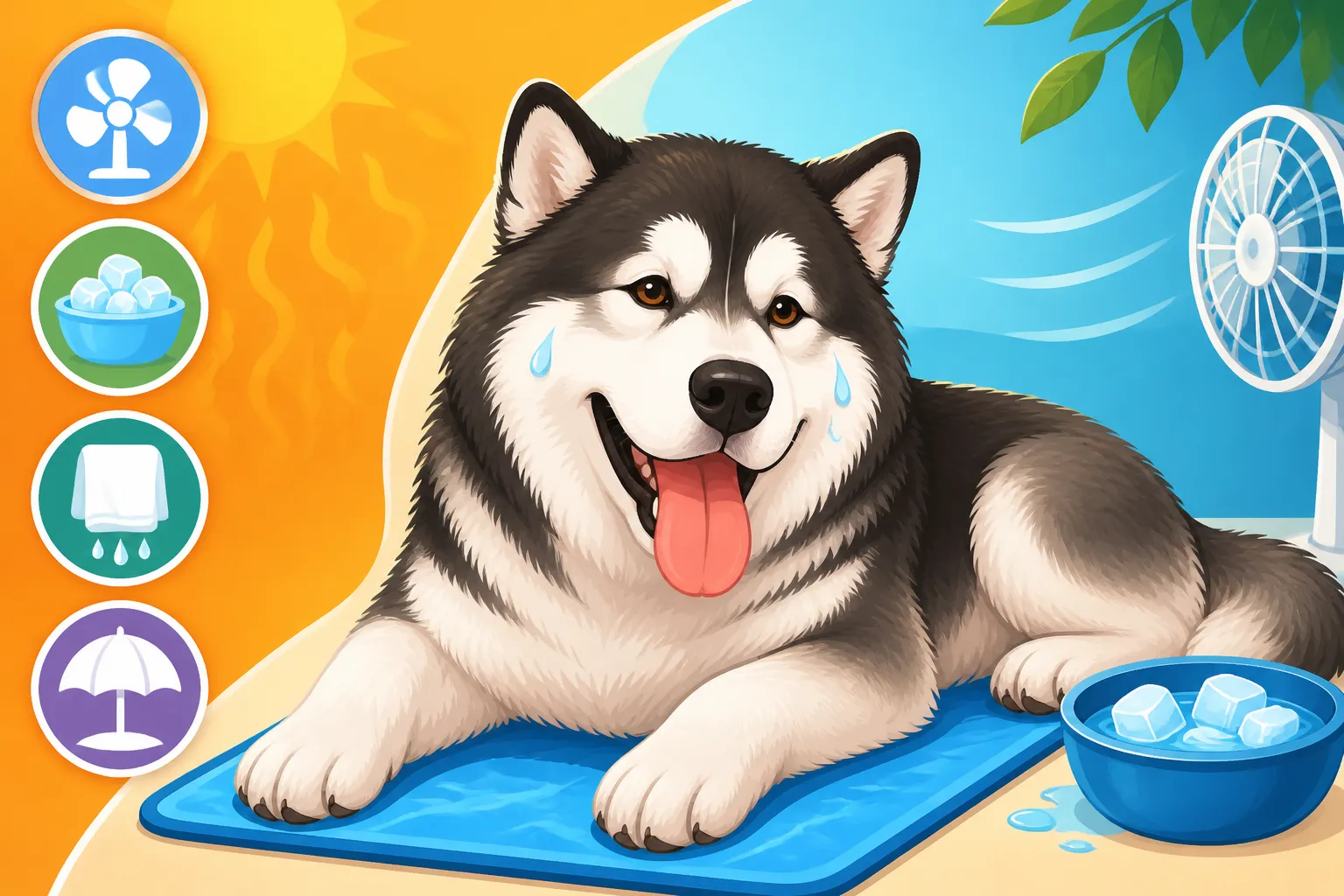
Once they are in a cooler spot, the most effective initial cooling method is water. Do not plunge them into ice water or apply ice packs directly to their skin, as this can cause the blood vessels to constrict, which traps heat in the body and can lead to shock. Instead, use cool (not freezing cold) water. Soak towels or cloths and apply them to their armpits, groin area, belly, and paw pads. These areas have major blood vessels close to the surface, allowing for efficient heat exchange. You can also gently wet their ears and the top of their head. Continuously re-wet the towels as they warm up. Many owners wonder Whether an Alaskan Malamute Should Be Wet Down in Heat, and the answer is a resounding yes, as long as it's not ice cold water.
Using Fans and Offering Small Amounts of Water
While you're applying cool water, direct a fan at your Malamute. Evaporation is a powerful cooling mechanism, and a fan helps accelerate this process, drawing heat away from their wet fur and skin. Even a small handheld fan can make a difference if you're caught out somewhere. If you're at home, position a large floor fan nearby. The combination of wet fur and moving air is much more effective than either method alone.
Offer your Malamute small sips of cool (again, not icy) water. Don't let them gulp down large quantities, especially if they are disoriented or vomiting, as this can lead to aspiration or stomach upset. Just a few licks at a time are sufficient to help rehydrate them and assist with internal cooling. If they are unresponsive or unable to drink, do not force water into their mouth. Your priority at this point is external cooling and getting them to the vet.
Effective Cooling Techniques and Tools
Beyond the immediate emergency response, there are several techniques and tools that can be incredibly helpful in both emergency situations and for ongoing management of a Malamute prone to overheating. Having these resources on hand can provide crucial support when you need it most.
Cooling Vests, Mats, and Specialized Gear
For active Malamutes, or those in warmer climates, specialized cooling gear can be a game-changer. Cooling vests, which often hold water that evaporates to cool the dog, can be effective during walks or light activity. Similarly, cooling mats contain a gel that activates with pressure, providing a cool spot for your Malamute to lie on. These are great for indoor use or in a shaded outdoor kennel. You can find a wide variety of these products on online retailers like Chewy or Amazon, making them easily accessible. These items are designed to complement, not replace, traditional cooling methods like water and shade. Exploring Which Cooling Gear Reaches a Malamute Through Its Coat can help you select the most effective products.
Another option is a kiddie pool filled with a few inches of cool water. Many Malamutes absolutely love to wade and lie down in water, and this provides a fantastic way for them to self-regulate their temperature. It allows their entire belly and paw pads to be submerged, drawing heat away efficiently. Just ensure the water isn't too deep to prevent accidental drowning, especially if your Malamute is already weak or disoriented.
The Role of Air Conditioning and Controlled Environments
For a Malamute, especially during peak summer heat, air conditioning isn't a luxury; it's often a necessity. Having a cool, air-conditioned indoor space is the safest environment for them during the hottest parts of the day. If you don't have central air, consider a window unit in a dedicated room or strategically placed fans to create cross-ventilation. This is particularly important for seniors or Malamutes with underlying health conditions, as they are even more susceptible to heat stress. It's often debated, but What Keeping a Malamute Cool Adds to a Power Bill is a cost many Malamute owners consider essential.
If you must be out with your Malamute on a warm day, plan your activities around the coolest parts of the day – early morning or late evening. Avoid walks or strenuous play during midday when the sun is highest and the pavement is hottest. Not only is the air hotter, but asphalt can reach temperatures that can quickly burn sensitive paw pads. This is a common point when discussing Why a Malamute Should Not Walk at Midday and How Early a Malamute Should Be Walked in Summer.
| Cooling Method | Description | Speed of Cooling | Best Use Cases | Important Considerations |
|---|---|---|---|---|
| Cool Water Application | Soaking towels or cloths in cool (not icy) water and applying to armpits, groin, belly, paw pads, and head. | Fast | Emergency cooling, immediate first aid, moderate overheating. | Avoid ice water; don't cover the entire dog with wet towels for too long as this can trap heat. Use a fan for evaporation. |
| Air Circulation (Fans) | Directing a fan towards the Malamute, especially when wet, to promote evaporative cooling. | Moderate | Enhances water cooling, general cooling in warm indoor spaces, mild heat stress. | Most effective when combined with moisture. Won't be enough for severe overheating on its own. |
| Cooling Mats | Mats containing a pressure-activated gel or water that absorbs and dissipates heat. | Slow to Moderate | Passive cooling, providing a cool resting spot indoors or in shade, mild heat discomfort. | Effective for prevention and mild discomfort, but not an emergency solution. Check for durability if your Malamute is a chewer. |
| Cooling Vests/Bandanas | Garments that are soaked in water and worn by the dog, cooling through evaporation. | Moderate | During walks, light activity, outdoor excursions in warm weather, prevention. | Ensure a good fit. Needs re-wetting to remain effective. Not for severe overheating. Can be found on Amazon. |
| Kiddie Pool/Wading | Allowing the Malamute to wade or lie in a shallow pool of cool water. | Fast | Active cooling, recreational, prevention, self-regulation for dogs that enjoy water. | Ensure water is not too deep. Supervise to prevent gulping water. Water should be cool, not icy. |
| Air Conditioning | Creating a cool, climate-controlled indoor environment. | Sustained | Primary prevention, long-term management, recovery from heat stress, safe haven during heat waves. | Essential for Malamutes in hot climates or during extreme heat. Can be costly but vital for their health. Consider energy efficiency. |
Proactive Strategies for Preventing Future Overheating
The best way to deal with an overheated Malamute is to prevent it from happening in the first place. Proactive measures are essential for these cold-weather champions, especially when living in regions that experience significant warm seasons. Thinking ahead and adjusting your routine can save you and your Malamute a lot of stress and potential danger.
Seasonal Routine Adjustments and Exercise Planning
As the temperatures climb, your daily routine with your Malamute needs a serious overhaul. Gone are the days of midday jogs or long play sessions at the dog park. Instead, shift all strenuous activity to the early morning hours, before the sun has had a chance to bake the ground, or late in the evening once things have truly cooled down. Even then, keep an eye on humidity, as high humidity makes it much harder for dogs to cool themselves through panting. This is a vital part of protecting them during Summer Is the Season That Kills Alaskan Malamutes.
Consider shorter, more frequent potty breaks during the hottest parts of the day, strictly limiting them to shaded, grassy areas. Always carry water with you on walks, even short ones, and offer it frequently. Invest in a good quality portable dog bowl that you can easily carry. Remember, their enthusiasm might make them want to keep going, but it's your responsibility to be the sensible one and know when to call it quits.
Maintaining a Healthy Weight and Optimal Coat Condition
An overweight Malamute is at a significantly higher risk of overheating. The extra fat acts as an additional layer of insulation, trapping heat, and their bodies have to work harder, generating more internal heat. Keeping your Malamute at a lean, healthy weight, where you can easily feel their ribs but not see them, is crucial for their overall health and their ability to cope with warmth. This is directly related to Whether an Overweight Malamute Overheats Faster.
While it might seem counterintuitive, never shave your Malamute's coat. Their double coat, while thick, also provides a layer of insulation against the heat and protects their skin from sunburn. Shaving removes this natural protection, exposing their delicate skin to the sun's harsh rays and making them more susceptible to sunburn and heat, not less. Regular grooming, especially during the dreaded "coat blow" season, to remove loose undercoat, will help improve air circulation and allow their natural cooling mechanisms to work more effectively. This is where tools from retailers like Amazon or Chewy can be invaluable, like sturdy undercoat rakes and force dryers for home grooming after a bath. Keeping their coat in good condition is vital, particularly during the months an Alaskan Malamute blows its coat.
When to Seek Urgent Veterinary Attention
While all the immediate cooling steps are vital, it's equally important to know when to escalate the situation and seek professional help. Heatstroke is a medical emergency, and even if your Malamute appears to be recovering, internal damage might be occurring that only a vet can address.
Recognizing the Need for Professional Intervention
If, after 10-15 minutes of active cooling, your Malamute's condition does not significantly improve – for example, if their panting remains extreme, they are still disoriented, or their body temperature hasn't dropped to near-normal (around 103°F or below if you have a rectal thermometer) – you need to get them to an emergency veterinarian immediately. Any loss of consciousness, seizures, prolonged vomiting, or bloody diarrhea are also critical signs that warrant immediate vet care, regardless of how much you've managed to cool them.
Never assume that just because they're looking a little better that they are out of the woods. Heatstroke can cause damage to multiple organ systems, including kidneys, liver, heart, and brain, which may not be immediately apparent. Only a veterinarian can perform the necessary tests to assess for this underlying damage and provide supportive care to prevent long-term complications.
What to Expect at the Vet and Long-Term Care
When you arrive at the vet, they will likely continue aggressive cooling measures, often with intravenous fluids to rehydrate and regulate body temperature. They'll monitor vital signs, perform blood tests to check for organ damage, and may administer medications to treat shock or other complications. Depending on the severity of the heatstroke, your Malamute might need to be hospitalized for several days.
Even after recovery, your vet might recommend follow-up appointments to monitor kidney function or other potential long-term issues. For Malamutes who have experienced heatstroke, it's crucial to be even more diligent about prevention in the future. They may be more susceptible to future episodes, and understanding their individual triggers and limitations will be paramount. Discuss with your vet about creating a specific heat management plan, especially if you live in a perpetually warm region. Sometimes, for their quality of life, owners even consider the drastic step of Whether a Malamute Owner Should Move North to a more suitable climate.
Disclaimer
This article is for general informational purposes only and does not constitute professional advice. Laws, prices and regulations vary by location and change over time. Consult a qualified professional for guidance on your specific situation.