How Long an Alaskan Malamute Can Be Outside at Ninety Degrees
The scorching summer heat can be a true nightmare for Alaskan Malamute owners. It’s a terrifying experience to watch your powerful, cold-weather companion struggle in temperatures that feel perfectly fine to us. The question of "how long can my Malamute be outside at ninety degrees" isn't just about comfort; it's about life and death for these magnificent dogs. This guide will dive deep into the very real dangers 90-degree heat poses to your Malamute and equip you with the knowledge to keep them safe when the mercury climbs.
The Harsh Reality: Malamutes and Extreme Heat
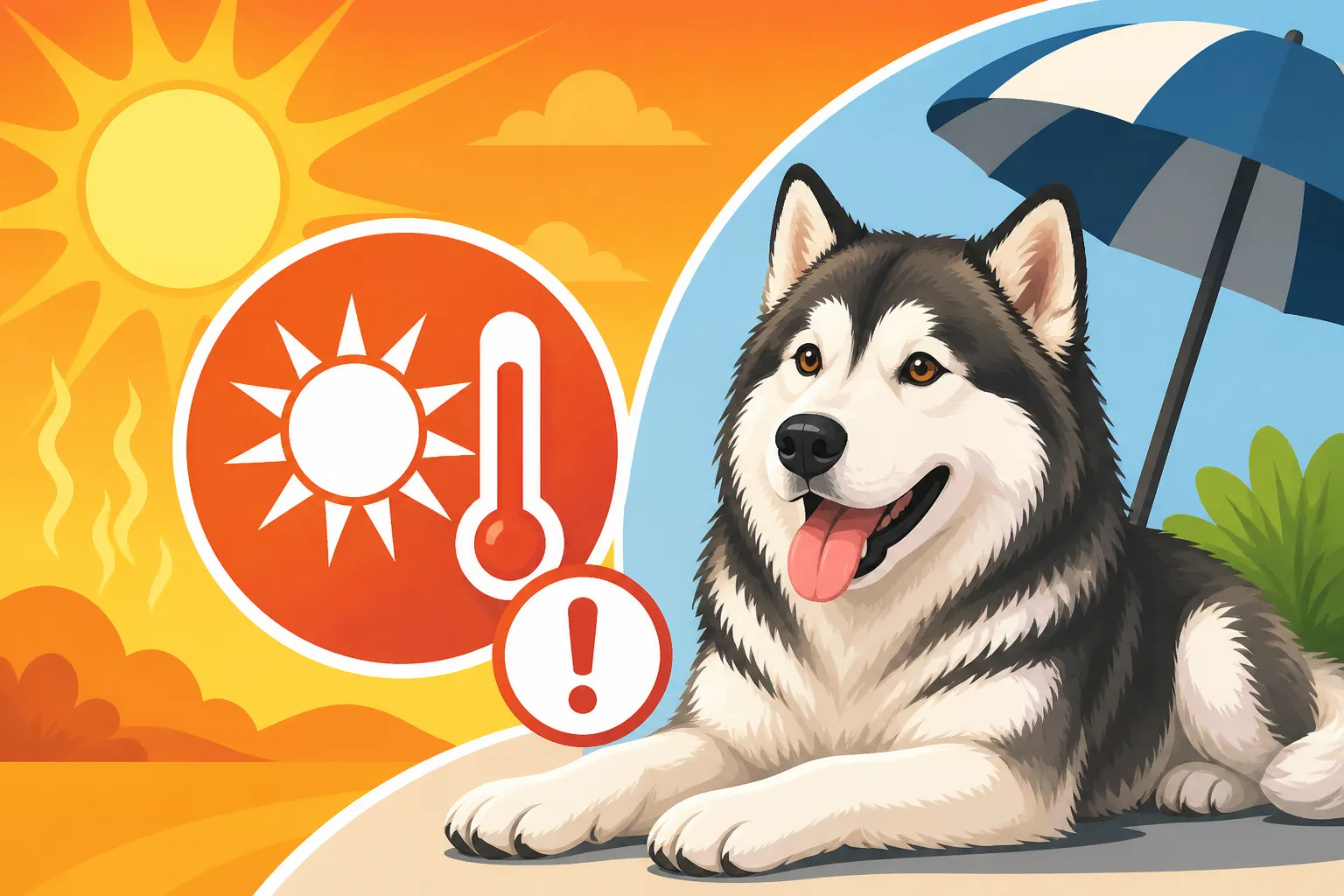
Let's not sugarcoat it: 90 degrees Fahrenheit is not just uncomfortable for an Alaskan Malamute; it's a critical danger zone. While their ancestors thrived in freezing Arctic conditions, our modern climate often presents challenges their bodies simply aren't equipped to handle. Many new owners, and even some seasoned ones, underestimate just how quickly a Malamute can succumb to heat-related illness when temperatures soar.
Why 90 Degrees is a Danger Zone for Malamutes
The primary reason 90 degrees is so perilous for an Alaskan Malamute lies in their incredible double coat. This coat is a marvel of nature, designed to provide unparalleled insulation against frigid cold. However, when ambient temperatures climb, this same insulation becomes a heat trap. It prevents external heat from escaping their body efficiently, and it also slows the release of metabolic heat generated by their own systems. Think of it like wearing a heavy winter parka in the desert – it’s designed for the opposite extreme.
Unlike breeds with thinner coats, or even some other working dogs, Malamutes don't cool down effectively through panting alone. Their respiratory system, while robust, can quickly become overwhelmed when the air they're trying to exchange is already hot. This means they're constantly fighting against their own biology in high temperatures. Coupled with their substantial body mass, which retains heat longer, and their lower metabolic rate compared to some breeds, they simply cannot dissipate heat fast enough. This isn't just a matter of feeling warm; it's a severe physiological challenge that can lead to rapid organ damage. In essence, their body is cooking from the inside out. For a comprehensive look at this issue, I highly recommend reading Summer Is the Season That Kills Alaskan Malamutes.
Recognizing the Early Signs of Overheating
Catching the signs of overheating early can be the difference between a scare and a tragedy. Don't wait for your Malamute to collapse before you act. The earliest indicators are often subtle and can easily be missed if you're not paying close attention. You might notice your Malamute panting more heavily than usual, perhaps with their tongue extended further out. There might be excessive drooling or saliva that appears thicker than normal. They might become restless, constantly shifting positions, seeking cooler spots, or trying to lie down on hard, cool surfaces like tile or concrete.
As their body temperature continues to rise, more severe symptoms will emerge. Their gums might become bright red, almost brick-colored, indicating increased blood flow as their body tries desperately to cool itself. Their heart rate will accelerate, and their breathing will become rapid and shallow, often with an exaggerated effort. They might appear disoriented, stumble, or show a reluctance to move, even when called. Their eyes might seem glazed over. If you notice any of these more advanced signs, especially stumbling or collapse, your Malamute is in a critical state and needs immediate veterinary attention. Time is of the essence. Learn more about what to look for in Signs an Alaskan Malamute Is Too Hot.
How Long Is Too Long? Understanding the Risks
When the thermometer hits 90 degrees, the simple answer to "how long can an Alaskan Malamute be outside" is: almost no time at all. This isn't an exaggeration. It's a stark reality that every Malamute owner in a warm climate must internalize. The risks associated with even short periods of outdoor exposure at this temperature are immense and can lead to irreversible damage or even death.
The "No Time At All" Principle at 90 Degrees
At 90 degrees Fahrenheit, especially with any humidity or direct sunlight, prolonged unsupervised outdoor exposure for an Alaskan Malamute should be considered a non-starter. Even a "short" potty break can be risky business. Imagine this scenario: you let your Malamute out into a fenced yard for what you think will be five to ten minutes while you quickly grab something from the kitchen. The sun is beaming down, the concrete patio is radiating heat, and there's no immediate, deep shade. For a Malamute, that short span can be long enough to push their body temperature past the critical threshold. Their cooling mechanisms simply can't keep up, and within minutes, they can go from looking uncomfortable to displaying serious signs of heatstroke.
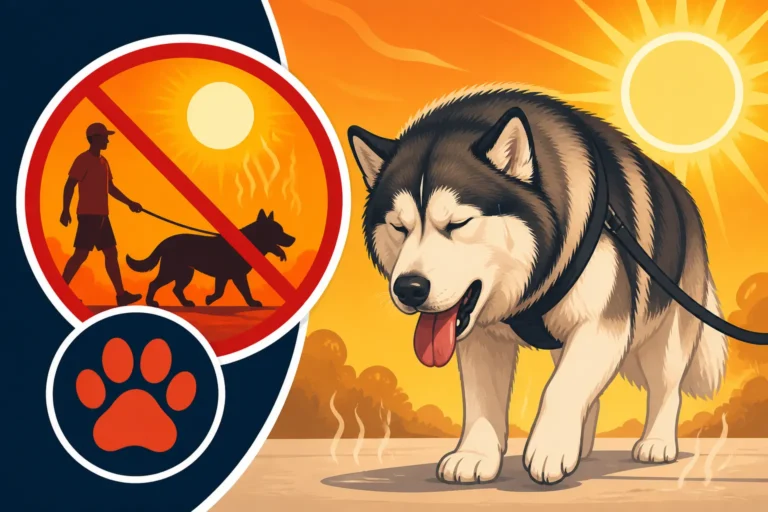
It's not just the ambient air temperature that matters. The ground temperature can be significantly hotter. Asphalt, concrete, and even dark-colored artificial turf can reach temperatures of 140-160 degrees or more in 90-degree weather. This isn't just uncomfortable for their paws; it adds a tremendous amount of radiant heat to their bodies from below, accelerating the overheating process. If you can't hold your hand on the pavement for five seconds, it's too hot for your dog's paws, and by extension, too hot for their body. Any activity, even just walking around, drastically increases the risk.
Individual Variation and Hidden Dangers
While the "no time at all" principle applies broadly, some Malamutes are even more susceptible. Puppies, with their less developed thermoregulation, and senior Malamutes, whose bodies are less efficient at adapting to stress, are at significantly higher risk. Overweight Malamutes also face an increased danger because the extra fat acts as additional insulation, trapping more heat. Furthermore, dogs with underlying health conditions, such as cardiac issues or Whether a Malamute Gets Hypothyroidism, can overheat much faster and with more severe consequences. What might be merely uncomfortable for a healthy adult Malamute could be deadly for one with compromised health.
It's also crucial to remember hidden dangers. What looks like "plenty of shade" to us might not be sufficient for a Malamute. The ambient air temperature is still 90 degrees, and without air movement or access to truly cool surfaces, even shade can only do so much. A slight breeze might feel nice to us, but for a dog trapped in a fur coat, it's often not enough to facilitate proper evaporative cooling. Never assume your Malamute is "tough enough" or "used to it." Their comfort in cold does not translate to resilience in heat.
Here's a quick look at factors that amplify the risk:
| Factor | Description | Impact on Malamute Heat Risk |
|---|---|---|
| Ambient Temp | 90°F (32°C) or higher | Extremely high risk; body cannot cool efficiently. |
| Humidity | High moisture in the air | Inhibits evaporative cooling through panting, dramatically increases risk. |
| Direct Sun | Exposure to direct sunlight | Rapidly absorbs radiant heat, accelerating overheating. |
| Pavement Temp | Dark surfaces absorbing heat (often 140°F+) | Burns paws, radiates extreme heat to the body. |
| Activity Level | Even light exercise (walking, playing) | Increases metabolic heat production, exacerbates overheating. |
| Body Condition | Overweight or obese | Extra fat acts as insulation, reduces heat dissipation. |
| Age | Puppies (under 6 months) or Seniors (over 8 years) | Less efficient thermoregulation, more fragile systems. |
| Health Issues | Heart conditions, respiratory problems, certain medications | Compromised ability to cope with heat stress. |
Strategies for Surviving Summer with a Malamute
Since we've established that 90-degree weather is essentially a no-go zone for extended outdoor time, our focus shifts to proactive management. Surviving the summer with an Alaskan Malamute in these temperatures requires a commitment to creating a safe environment and adopting very specific routines.
Creating a Safe Indoor Haven
Your air-conditioned home is your Malamute's sanctuary during the summer months. Air conditioning isn't a luxury; it's a necessity for a breed like the Malamute in temperatures reaching 90 degrees. You might have to grapple with higher energy bills, but remember, this is an investment in your dog's health and life. It's tempting to try to save a few dollars, but the cost of an emergency vet visit for heatstroke far outweighs any savings on your power bill. What Cooling a House for a Malamute Costs in Summer is a real concern for many, but finding a balance is crucial.
Beyond keeping the house cool, supplement with strategically placed fans to aid air circulation. Provide cooling mats, readily available on platforms like Amazon or Chewy, which can offer a cool surface for your Malamute to lie on. These mats often contain gel that activates with pressure or a cooling mechanism that draws heat away from their body. Ensure constant access to fresh, cool water. Many Malamutes enjoy ice cubes in their water bowls or even frozen treats. Consider having multiple water bowls throughout the house, so they never have to go far for a drink.
Smart Outdoor Management (Minimal at Best)
When temperatures hit 90 degrees, outdoor time must be drastically curtailed and managed with extreme caution. The only safe times for your Malamute to be outside are during the very early morning hours or late in the evening, after the sun has set and temperatures have dropped significantly. Even then, keep these outings brief and focused strictly on potty breaks.
Before you even step outside, always, always check the pavement temperature with the back of your hand. If it's too hot for your hand, it's definitely too hot for their paws. A quick dash onto hot asphalt can cause painful burns and rapidly contribute to overheating. All strenuous activity, including walks, runs, hikes, and certainly any pulling or dog park visits, must be completely off-limits. Seriously, forget it. Why a Malamute Should Not Walk at Midday cannot be stressed enough. Stick to the coolest part of the day, and make it a short, business-only trip outside.
While shade is always better than direct sun, it's not a magic shield against 90-degree heat. The ambient air is still hot. If your Malamute must be outside for even a few minutes, ensure there's deep, consistent shade. Some Malamutes absolutely adore a shallow kiddie pool filled with cool water. It can be a wonderful way for them to regulate their body temperature and relax. Watching them sprawl out in the cool water is a clear indicator of how much relief it provides. Check out Why a Malamute Lies in a Kiddie Pool for Hours for more on this.
Emergency Preparedness
Despite our best efforts, accidents can happen, or a situation might escalate faster than anticipated. Being prepared for a heatstroke emergency is paramount. First and foremost, know the location and phone number of the nearest emergency veterinary clinic. Have it saved in your phone and perhaps even posted on your fridge. Time is brain, and time is life, when it comes to heatstroke.
If you suspect your Malamute is overheating, immediate action is required, but it must be done safely. Move your dog to the coolest possible area – ideally an air-conditioned space. Begin to cool them down with cool (not ice-cold) water or wet towels applied to their neck, armpits, and groin areas. A fan can help immensely by promoting evaporative cooling. If available, use rubbing alcohol on their paw pads, as the evaporation can help draw heat. Offer small amounts of cool water if they are conscious and able to drink. However, do not force water on a struggling or unconscious dog, as it could lead to aspiration. The goal is to lower their core body temperature gradually, not drastically, to prevent shock. But once you've started cooling, get them to the vet immediately. Even if they seem to recover, heatstroke can cause delayed organ damage that only a veterinarian can assess and treat. For more detailed instructions, refer to How to Cool an Overheated Alaskan Malamute.
Common Misconceptions and Proactive Care
There are many myths floating around about Malamutes and their heat tolerance. Dispelling these can save lives, and adopting a proactive, comprehensive care routine is key to ensuring your furry companion makes it through the summer safely.
Debunking the "They're Built for It" Myth
The most dangerous misconception is that because Alaskan Malamutes are "Arctic dogs," they are somehow immune to or inherently capable of handling extreme heat. This is a profound and often fatal misunderstanding. Yes, they were bred by the Mahlemut people of Kotzebue Sound for millennia to survive and thrive in some of the coldest, harshest environments on Earth. Their entire physiology is geared towards retaining heat in sub-zero temperatures, not dissipating it in blistering heat. Their dense double coat, their efficient metabolism, their thick paw pads – every aspect of their design screams "COLD WEATHER DOG."
When the temperature hits 90 degrees, their "built for it" genetics actually work against them. Their coat, which protected them from frostbite, now becomes a thick blanket trapping heat. Their body, accustomed to conserving energy in icy conditions, struggles to expel the excess heat generated. This is why it’s so critical for owners to understand that their natural heritage in places like The Mahlemut of Kotzebue Sound Bred the Alaskan Malamute means they are not built for a hot summer's day.
Nutrition and Hydration in Hot Weather
Proper nutrition and hydration are always important, but they become even more critical during hot weather. Ensure your Malamute has continuous access to fresh, cool water. Consider placing multiple water bowls around the house, especially if you have a large home, so they never have to travel far to drink. Some Malamutes enjoy drinking from fountains, which can encourage more water intake. You can also offer hydrating treats like frozen fruit (safe options only, like blueberries or apple slices without seeds) or mix water into their kibble to increase fluid consumption. Brands like Ollie, known for fresh food, might offer options with higher moisture content, and you can always explore a wide range of hydrating supplements or treats on platforms like Chewy.
While specific dietary changes might not directly cool them down, maintaining a healthy weight is vital. Overweight Malamutes have an even harder time regulating their body temperature, as the extra fat acts as an insulating layer. If your Malamute tends to gain weight easily, pay extra attention to their caloric intake during the summer months when their activity level will likely be much lower. This can be a challenge for breeds with an efficient metabolism. For more on weight management, see Whether a Malamute Gains Weight Easily.
Grooming as a Management Tool (Carefully!)
Grooming plays a supportive role in heat management, but it's crucial to understand its limitations and avoid harmful practices. Regular brushing, especially during coat blow seasons, is essential. Removing loose undercoat helps to create airflow closer to their skin, allowing some heat to escape and preventing matting which can further trap heat. Investing in a good undercoat rake and a high-velocity dryer can make a significant difference in keeping their coat healthy and as airy as possible. Understanding How Long a Malamute's Coat Blow Lasts can help you prepare for these intense shedding periods.
However, there's one golden rule that must never be broken: never shave an Alaskan Malamute. This is perhaps the most common, well-intentioned but misguided action an owner can take. Shaving their double coat completely destroys its natural insulating properties. While it might seem counterintuitive, that thick undercoat actually helps protect them from the sun's harsh UV rays and can even provide a tiny air barrier against the heat. When you shave it off, you expose their delicate skin to sunburn, increase their risk of skin cancer, and often lead to poor coat regrowth, leaving them vulnerable to both heat and cold in the future. Their coat is a complex system; once it's shaved, it often never grows back correctly. This is covered in more detail in Why an Alaskan Malamute Must Never Be Shaved.
Instead of shaving, focus on meticulous brushing to remove dead hair and ensure their coat is clean and free of mats. This allows the remaining healthy coat to do its job, offering some protection while allowing for better air circulation.
Disclaimer
This article is for general informational purposes only and does not constitute professional advice. Laws, prices and regulations vary by location and change over time. Consult a qualified professional for guidance on your specific situation.