Caring for an Alaskan Malamute Past Eight
Watching your once indefatigable Alaskan Malamute, the powerful, independent companion who once pulled with such boundless enthusiasm, begin to slow down can be one of the toughest parts of sharing your life with them. Their incredible energy and zest for life often make the subtle shifts of aging hard to recognize, and figuring out how to best support them as their needs change can feel overwhelming. This comprehensive guide is here to walk you through every aspect of caring for your senior Malamute, helping you ensure their comfort, health, and continued happiness in their golden years.
Understanding the Senior Malamute: When Does "Old" Begin?
It’s easy to think of our Malamutes as perpetually young, especially with their playful antics and hardy nature. But just like us, they reach a point where their bodies and minds start showing the cumulative effects of a life well-lived. Understanding when this transition happens and what it entails is the first step in providing the best senior care.
The Shifting Timeline of Seniority
For a breed as robust and large as the Alaskan Malamute, the term "senior" doesn't quite apply as early as it might for a smaller dog. While a tiny toy breed might be considered senior at seven or eight, your Malamute often has a bit more youthful vigor. Generally speaking, Alaskan Malamutes typically cross into their senior years around the age of eight. This isn't a hard and fast rule, of course; some Mals might show signs of slowing down a little earlier, while others remain surprisingly spry well into double digits. Factors like their genetic background, their previous activity levels, and overall health throughout their life can influence this timeline. A Malamute that spent its life as a working freight dog might show more wear and tear on its joints by eight than a beloved pet who enjoyed leisurely strolls.
It’s less about the exact calendar age and more about a holistic assessment of their physical and mental state. Just think about us humans; some people are running marathons in their 70s while others are comfortably retired in their 50s. Every dog is an individual. However, the age of eight is a good benchmark for most Alaskan Malamutes to begin considering them as seniors and adjusting their care accordingly. This is also when many veterinarians recommend shifting to more frequent check-ups and proactive screening. You can learn more about The Age an Alaskan Malamute Counts as a Senior to help identify this transition point.
Recognizing the Subtle Signs of Aging
The signs of aging in an Alaskan Malamute can be incredibly subtle at first, often masked by their enduring stoicism and impressive coat. They're not always going to limp obviously or stop playing entirely. Instead, you might notice small, almost imperceptible shifts in their daily routines or behavior. Perhaps they’re a little slower to get up after a long nap, or they hesitate before jumping into the car. Maybe their enthusiasm for that long hike they used to love has waned, and they're content with a shorter, slower sniff-around the neighborhood. You might also notice them sleeping more deeply or for longer stretches during the day, or perhaps being a bit less tolerant of rambunctious younger dogs.
It's crucial to pay close attention to these subtle cues, as they are your Malamute's way of telling you that things are changing. Their glorious double coat might start to thin slightly, or you could notice a dullness in their eyes. They might start to gain weight more easily even though their food intake hasn't changed, or conversely, they might lose interest in food if discomfort is present. Sometimes, even a change in their "woo-woo" greetings or a reluctance to engage in their usual playful nudges can be a sign. Don't dismiss these as simply "being lazy"; they are often indicators that their body is aging and they might be experiencing some discomfort or fatigue. Getting familiar with Signs an Alaskan Malamute Is Getting Old can help you recognize these changes early.
Navigating Common Health Concerns in Older Malamutes
As our Malamutes age, their bodies become more susceptible to a range of health issues. It's not about dreading these possibilities, but rather being prepared and proactive in addressing them to maintain their quality of life.
Joint Issues: Arthritis and Mobility Challenges
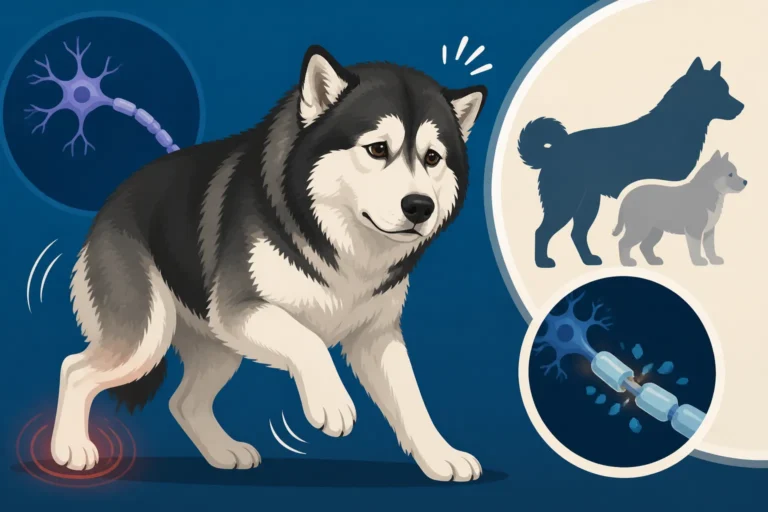
One of the most common and often heartbreaking challenges faced by older Alaskan Malamutes is the onset of joint issues, primarily arthritis. Given their large size and history as working dogs, their joints, especially hips and elbows, endure a lot of wear and tear over the years. Conditions like Hip Dysplasia in an Alaskan Malamute, which some may have lived with since youth, can worsen significantly with age, leading to chronic pain and reduced mobility. You'll often see them struggling to get up from a lying position, stiffness after exercise, or a reluctance to climb stairs or jump onto furniture. The pain can be constant, affecting their mood and willingness to engage in activities they once loved.
Managing arthritis isn't about "fixing" it, but rather about managing the pain and inflammation to keep them as comfortable and mobile as possible. This often involves a multi-faceted approach. Your vet might recommend non-steroidal anti-inflammatory drugs (NSAIDs) to reduce pain and swelling, or other pain medications like gabapentin. Beyond pharmaceuticals, many owners find great success with joint supplements containing glucosamine, chondroitin, and MSM, which can help support cartilage health. Omega-3 fatty acids, found in fish oil, are also excellent for their anti-inflammatory properties. Physical therapy, hydrotherapy, or even acupuncture can also be incredibly beneficial in improving flexibility and muscle strength without putting undue stress on painful joints. Planning for these ongoing treatments can be a financial strain, which is where having comprehensive pet insurance like Healthy Paws can make a real difference, especially if your Malamute was enrolled when they were younger and before these conditions became pre-existing. It's worth exploring various options to manage Arthritis in an Older Alaskan Malamute and ensure your dog's comfort.
Metabolic and Endocrine Changes
Older Malamutes are also prone to changes in their metabolic and endocrine systems, which can manifest in various ways and often mimic other conditions. Hypothyroidism, where the thyroid gland doesn't produce enough hormones, is a relatively common issue in the breed, and it can become more pronounced with age. Symptoms can include unexplained weight gain, lethargy, a dull or thinning coat, and an increased sensitivity to cold. Because these signs can be subtle, regular blood work is essential for early detection. If diagnosed, it's typically managed with daily thyroid hormone supplementation, which is usually for the rest of their lives.
Beyond thyroid issues, older Malamutes can also develop kidney disease or diabetes. Kidney disease often presents with increased thirst and urination, decreased appetite, and weight loss. Early detection through routine blood and urine tests is key, as dietary modifications and medications can help manage its progression. Diabetes, characterized by the body's inability to produce or properly use insulin, can lead to similar signs like increased thirst, urination, and weight changes. It usually requires daily insulin injections and careful dietary management. While it’s scary to think about these chronic conditions, regular veterinary check-ups are paramount for identifying them early. Understanding Whether a Malamute Gets Hypothyroidism or Whether an Alaskan Malamute Gets Kidney Disease are important aspects of senior Malamute care.
Sensory Decline: Vision and Hearing
Just like humans, aging Malamutes can experience a decline in their senses, particularly vision and hearing. While Day Blindness and the CNGB3 Test That Nearly Ended It in Malamutes has largely reduced the prevalence of inherited severe vision loss in the breed, age can still bring about other eye conditions. Cataracts, which are cloudy areas that develop in the lens of the eye, are quite common in older dogs. They can range from small, barely noticeable opacities to dense clouds that significantly impair vision, eventually leading to blindness. Your vet might be able to offer surgical options for severe cataracts, but often, it's about helping your dog adapt to reduced vision.
Hearing loss is another common age-related change. It can be gradual, starting with them not responding to soft commands, then needing louder ones, and eventually becoming completely deaf. This can be frustrating for both you and your Malamute, as they might seem to ignore you or appear confused. While there's no cure for age-related hearing loss, you can adapt by using visual cues and hand signals, ensuring you approach them from the front so as not to startle them, and maintaining a consistent home environment to reduce anxiety. Don't underestimate the impact of these changes on your dog's confidence and quality of life; they might become more anxious or disoriented. Understanding common age-related eye conditions like Cataracts in an Alaskan Malamute is an important part of senior care.
Adjusting Diet and Nutrition for the Aging Malamute
The dietary needs of an older Malamute are vastly different from those of a rambunctious youngster or a working adult. Their metabolism slows down, their activity levels typically decrease, and their bodies may struggle to absorb nutrients as efficiently.
Tailoring Diet for Lower Activity and Slower Metabolism
That powerful, efficient metabolism that allowed your Malamute to run for miles on seemingly little food in their prime can become a double-edged sword as they age. While their appetite might remain strong, their energy requirements decrease significantly. Continuing to feed them the same amount of high-calorie food they ate when they were pulling a sled will almost certainly lead to weight gain, which puts undue stress on aging joints and organs. Obesity is a major concern for senior dogs, exacerbating conditions like arthritis and increasing the risk of diabetes and heart disease. The goal now is to reduce calorie intake while ensuring they still receive a nutrient-dense diet.
Many senior dog foods are formulated with fewer calories, lower fat, and often higher fiber to help them feel full. However, it’s not just about calories. The quality of protein becomes even more critical for maintaining muscle mass, which naturally declines with age. Look for easily digestible protein sources. Some older Malamutes also benefit from foods with added antioxidants to support their immune system and cognitive function. It's not uncommon for their appetite to fluctuate, or for them to become pickier, so finding a palatable food that meets their nutritional needs is key. Always transition new foods gradually over several days to avoid digestive upset. Consulting your veterinarian about the best senior diet for your individual Malamute is paramount, especially if they have underlying health conditions. You can read more about Feeding an Old Alaskan Malamute for detailed guidance.
Supporting Digestive Health and Nutrient Absorption
As Malamutes age, their digestive systems can become less efficient at processing food and absorbing vital nutrients. This means even if they're eating a high-quality diet, they might not be getting all the benefits. Signs of digestive upset can include intermittent diarrhea, constipation, increased flatulence, or a dull coat despite a good diet. The robust gut microbiome they once had might also be less resilient, making them more prone to digestive disturbances.
To support their digestive health, focus on foods that are easily digestible. Cooked, lean protein sources and well-cooked carbohydrates can be gentler on their system than some raw or highly processed options. Incorporating probiotics, either through supplements or fermented foods, can help maintain a healthy balance of gut bacteria, aiding in digestion and nutrient absorption. Fiber content is also important: adequate fiber can help regulate bowel movements, preventing both constipation and diarrhea. For some Malamutes, smaller, more frequent meals might be easier to digest than one or two large ones. And, while it’s less about a new deficiency in old age, remember the breed's predisposition to zinc absorption issues. While most genetic Zinc Responsive Dermatosis in an Alaskan Malamute manifests earlier, ensuring optimal zinc levels through proper diet and potentially supplementation, if recommended by your vet, remains important for skin and immune health. Understanding Whether an Alaskan Malamute Needs a Probiotic can be very helpful for their gut health.
| Health Concern | Common Symptoms | Dietary Adjustments | Lifestyle Adjustments |
|---|---|---|---|
| Arthritis/Joint Pain | Stiffness, reluctance to move, limping, difficulty standing | Joint supplements, Omega-3s, weight management, anti-inflammatory foods | Orthopedic beds, ramps, gentle exercise, warm environment |
| Hypothyroidism | Weight gain, lethargy, thinning coat, cold intolerance | Calorie-controlled diet, balanced nutrition | Regular vet checks, medication adherence |
| Kidney Disease | Increased thirst/urination, decreased appetite, weight loss | Kidney-friendly diet (low protein, phosphorus) | Increased water access, frequent vet monitoring |
| Dental Disease | Bad breath, difficulty eating, pawing at mouth | Soft foods, dental chews (if safe), regular dental cleanings | Daily brushing (if tolerated), professional cleanings |
| Cognitive Decline | Disorientation, altered sleep, anxiety, house-soiling | Brain-supportive foods (antioxidants, Omega-3s), consistent routine | Mental enrichment, familiar environment, gentle interaction |
Keeping an Older Malamute Comfortable and Active
Maintaining comfort and appropriate activity levels is paramount for a senior Malamute. While their days of pulling heavy loads might be behind them, they still possess that innate desire to move and be part of the family's activities. It's about modifying, not eliminating.
Modifying Exercise Routines
The instinct to pull, run, and explore is deeply ingrained in an Alaskan Malamute, and even in their senior years, this drive doesn't entirely disappear. However, their aging bodies can no longer handle the same intensity or duration of exercise they once did. Trying to push a senior Malamute beyond their limits can lead to pain, injury, and a decreased quality of life. The key is to shift from strenuous, high-impact activities to shorter, more frequent, and gentler forms of exercise. Instead of one long, brisk hike, consider two or three shorter, slower walks around the neighborhood, allowing them plenty of time to sniff and explore at their own pace.
Swimming, if accessible and your Malamute enjoys it, can be an excellent low-impact exercise that strengthens muscles without stressing joints. Gentle sledding or carting with very light loads, especially on soft surfaces, might still be enjoyable for some older Malamutes who still exhibit that strong Pulling Is the Only Job an Alaskan Malamute Really Wants drive. However, always be acutely aware of their limitations and weather conditions. Avoid hot weather entirely, and observe any signs of fatigue, stiffness, or discomfort immediately. The goal is to keep their muscles active and maintain flexibility, but never to cause pain. Even just a leisurely walk to a new park or a short play session in the yard can provide mental and physical stimulation. Don't be surprised if Whether an Old Malamute Still Wants to Pull sometimes resurfaces, but always prioritize their comfort and safety.
Creating a Comfortable Home Environment
A comfortable home environment becomes incredibly important for an aging Malamute, especially one dealing with joint pain or reduced mobility. Think about how difficult it would be for you to navigate your home if every step was painful or if you couldn't get a good night's rest. For a senior Malamute, these considerations are critical. Start with their sleeping arrangements. An orthopedic dog bed with thick, supportive memory foam can make a world of difference for aching joints, reducing pressure points and providing insulation from cold floors. Place several beds around the house, in their favorite nap spots, so they don't have to travel far to rest.
Consider installing ramps for stairs or for getting into and out of the car, especially if they are hesitant or struggling with jumps. Non-slip rugs or mats on slick floors can provide much-needed traction, preventing slips and falls that could lead to injury. Malamutes are naturally tolerant of cold, but an older dog with arthritis might appreciate a warmer, draft-free sleeping area, especially in winter. Conversely, in summer, ensuring they have access to cool spots, shade, and plenty of water is vital, as older dogs can overheat more easily. Sometimes, keeping your house adequately cool for your Malamute can be quite an undertaking; you can review What Cooling a House for a Malamute Costs in Summer for ideas on managing this. Small adjustments like these can significantly improve your Malamute's quality of life and minimize their daily discomfort.
Mental Well-being and Enrichment for Senior Malamutes
Physical activity might slow down, but a Malamute's keen intelligence and inquisitive nature rarely diminish entirely. Keeping their minds engaged is just as important as caring for their bodies in their senior years.
Combating Cognitive Decline
Just like humans, some older Malamutes can experience cognitive decline, sometimes referred to as Canine Cognitive Dysfunction (CCD). This can manifest as disorientation (getting "stuck" in corners, staring blankly), changes in sleep-wake cycles (pacing at night, excessive sleeping during the day), altered social interactions (less greeting, increased irritability), or even house-soiling accidents in a previously perfectly house-trained dog. Seeing Whether an Old Malamute Gets Confused can be heartbreaking, but there are ways to keep their minds sharp and mitigate these effects.
Engage them in gentle mental stimulation activities. Puzzle toys that dispense treats can be fantastic, encouraging them to think and problem-solve. Short, positive training sessions, revisiting old cues or teaching a simple new trick (even something as basic as "touch" or targeting), can keep their brains active. Scent work, where they use their powerful noses to find hidden treats or toys, is a low-impact activity that engages one of their primary senses and can be incredibly rewarding for them. Consistency in routine can also help dogs with cognitive decline feel more secure and less anxious. Keep their environment familiar and predictable, and avoid drastic changes that could cause confusion. Your vet may also discuss dietary supplements or medications that can help support brain health.
Maintaining Social Connections
Alaskan Malamutes are highly social, pack-oriented animals. Even in their senior years, maintaining strong social connections with their human family and, if appropriate, other calm dogs, is vital for their emotional well-being. Isolation can lead to anxiety, depression, and a faster decline in both mental and physical health. While they might not be up for boisterous play sessions, they still crave interaction, affection, and being an integral part of the household.
Continue to include your Malamute in family activities, even if it means they're just resting nearby while you're watching TV or working in the garden. Gentle petting, quiet conversations, and brushing sessions can strengthen your bond and provide comfort. If they've always had canine companions, ensure their interactions are positive and don't involve too much rough play that could cause injury or stress. If they become less tolerant of other dogs, respect that and manage their interactions carefully. Short, supervised visits with familiar, calm dog friends can still be beneficial. Your presence and consistent affection are perhaps the most potent forms of enrichment for an aging Malamute, reaffirming their place in your family pack.
Routine Vet Care and Proactive Health Management
When your Malamute reaches its senior years, routine veterinary care becomes even more critical. It shifts from primarily preventative to a proactive management strategy, aiming to catch issues early and maintain comfort.
The Importance of Regular Senior Check-ups
For senior Alaskan Malamutes, annual vet visits often aren't enough. Most veterinarians recommend bi-annual (twice-yearly) check-ups for older dogs. This increased frequency allows for earlier detection of age-related conditions, many of which can progress rapidly if left unchecked. During these senior wellness exams, your vet will perform a thorough physical, paying close attention to their weight, muscle condition, joint mobility, dental health, and any new lumps or bumps. They'll also typically recommend a comprehensive blood panel to assess organ function (kidney, liver, thyroid), check for anemia, and look for signs of inflammation or infection. A urinalysis is also usually included to check kidney function and rule out urinary tract infections.
These regular screenings are invaluable because Malamutes, being naturally stoic, often hide signs of pain or illness until a condition is quite advanced. By running these tests every six months, your vet can establish baseline values and quickly identify any changes that might indicate a developing health issue, allowing for prompt intervention. This proactive approach can lead to better outcomes, more effective management of chronic conditions, and ultimately, a longer and more comfortable life for your senior companion. Planning for these more frequent visits and potential treatments is important, and having pet insurance like Healthy Paws can alleviate some of the financial burden associated with comprehensive senior care.
Recognizing and Communicating Changes to Your Vet
You know your Malamute better than anyone, and in their senior years, you become their most important advocate. Because the signs of aging and illness can be so subtle, it's essential to become an astute observer of your dog's daily habits and behaviors. Keep a mental, or even better, a written journal of any changes you notice. Is their appetite different? Are they drinking more or less water? Are their bowel movements regular? Is there any new cough, lameness, or difficulty getting up? Have they developed any new Lumps Worth Checking on an Alaskan Malamute? Even seemingly insignificant changes can be crucial pieces of information for your veterinarian.
When you go to your vet appointments, don't be afraid to bring notes or a list of questions. Be prepared to describe any changes in detail, including when they started, how often they occur, and what, if anything, seems to make them better or worse. Your observations are invaluable diagnostic tools. Remember, your vet only sees your Malamute for a short period every few months; you are with them every day. Clear, detailed communication ensures that your vet has the full picture, allowing them to make the most accurate diagnoses and recommend the most effective treatment plans. Don't hesitate to call your vet between scheduled appointments if you notice a sudden or concerning change; early intervention truly can make a difference.
Making End-of-Life Decisions and Providing Comfort
This is, without a doubt, the hardest part of caring for an aging Malamute. The bond you share is profound, and facing the eventual reality of saying goodbye is an emotionally grueling experience. However, preparing for it, understanding quality of life, and ensuring their comfort can bring a measure of peace.
Assessing Quality of Life
One of the most agonizing decisions an owner faces is knowing when it's time to let go. This isn't a single moment; it's a gradual assessment of your Malamute's quality of life. It’s about stepping back from your own emotions and objectively evaluating their daily existence through their eyes. Is your Malamute still able to enjoy things that once brought them joy, even if those activities are now modified? Are they eating, drinking, and eliminating comfortably? Is their pain adequately managed, or are they experiencing chronic discomfort that no longer responds to medication? Factors to consider include persistent pain that cannot be controlled, severe mobility issues that prevent them from moving independently, chronic nausea or vomiting, incontinence that causes distress, or significant cognitive dysfunction that leads to constant anxiety or disorientation.
There are many "quality of life" scales available online that can help you objectively score your Malamute's daily health indicators. Discuss these with your veterinarian and trusted friends or family who know your dog well. They can offer an objective perspective that can be hard to maintain when you're deeply entrenched in love and hope. It’s about asking if the good days still outweigh the bad, and if your Malamute still has dignity and peace. This process can be incredibly difficult, but understanding Knowing When an Old Alaskan Malamute Has Had Enough can help you navigate this heart-wrenching time with love and compassion.
Supporting Your Malamute and Yourself Through This Time
Once the difficult decision has been made, or as your Malamute approaches the very end of their journey, providing comfort becomes the absolute priority. This can involve palliative care, which focuses on relieving pain and symptoms to improve quality of life, even if a cure isn't possible. It might mean increased pain medication, soft blankets, hand-feeding their favorite treats, or simply quiet companionship. Many veterinary practices now offer in-home euthanasia, which can be a profoundly gentle and peaceful option, allowing your Malamute to pass surrounded by loved ones in the comfort and familiarity of their own home.
Grief is a natural and profound response to losing such a cherished member of your family. Allow yourself to feel that grief; it's a testament to the depth of your bond. Don't let anyone diminish your feelings. Seek support from friends, family, or pet bereavement counseling services. Remember the joy, the loyalty, and the unconditional love your Malamute brought into your life. The memories will always be there. Providing a peaceful transition is the final, most loving act you can offer your loyal companion.
Disclaimer
The information provided in this article is for general informational purposes only and is not a substitute for professional veterinary advice, diagnosis, or treatment. Always seek the advice of your veterinarian or other qualified health provider with any questions you may have regarding a medical condition. Never disregard professional veterinary advice or delay in seeking it because of something you have read in this article. Specific medical advice and services should only be obtained from a licensed veterinarian.