Whether an Alaskan Malamute Can Hike All Day
The dream of hitting the trails for an entire day with your majestic Alaskan Malamute is one many owners cherish, picturing a loyal companion effortlessly scaling mountains by their side. However, the reality is a bit more nuanced than just their impressive build suggests. While Malamutes are undeniably built for endurance and strenuous activity, their ability to "hike all day" depends heavily on a combination of factors, especially given their unique physiology and the specific challenges they face, such as managing their dense double coat in varying temperatures. This guide will walk you through what it truly means for an Alaskan Malamute to spend a full day hiking, what's feasible, and how to keep them safe and happy on their adventures.
Understanding the Alaskan Malamute's Natural Aptitude for Hiking
When you look at an Alaskan Malamute, you see a powerful, robust dog, perfectly sculpted for work in harsh northern climates. Their ancestry as freighting dogs for the Mahlemut people of the Arctic ingrained in them a remarkable capacity for sustained effort. But this capacity comes with specific design features that dictate how they perform on a long hike.
Built for Endurance, Not Speed
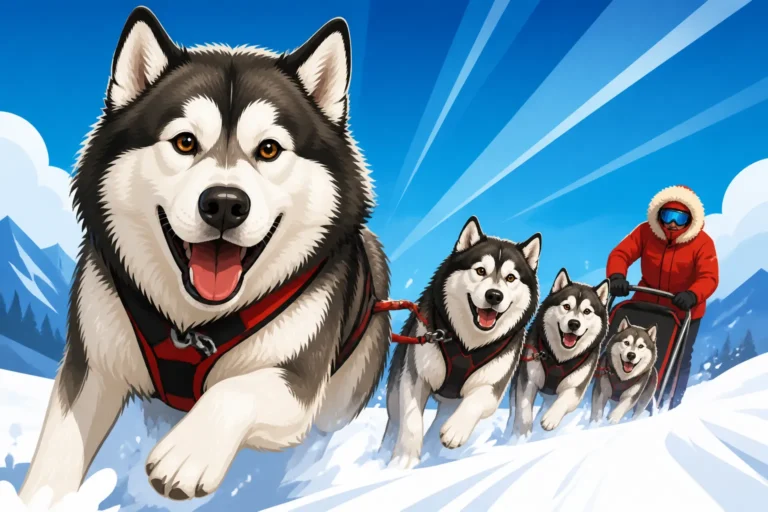
Alaskan Malamutes were selectively bred to pull heavy loads over long distances at a steady, deliberate pace, often through snow and ice. This isn't the same kind of "endurance" that a high-energy sporting dog might possess for a fast, intense run. Their strength lies in their ability to keep going, plodding along for hours on end, rather than sprinting or performing agile feats. Think of them as the marathon runners of the dog world, but for heavy lifting, not breaking speed records. This intrinsic drive to pull can be a huge asset on the trail, as they often enjoy the feeling of moving forward with purpose. However, it also means that you, as the human on the other end of the leash, need to be prepared for that steady, strong pull, especially uphill. Freight, Not Speed: What Separates a Malamute From a Racing Dog delves deeper into this aspect of their working history.
The Double Coat and Heat Regulation
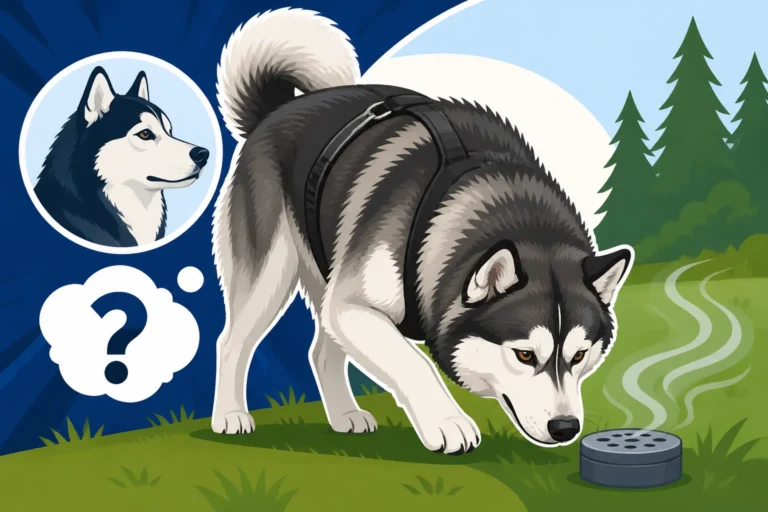
Perhaps the most critical factor influencing a Malamute's ability to hike all day is their magnificent double coat. This dense, protective layer, consisting of a coarse outer guard coat and a thick, woolly undercoat, is an evolutionary marvel designed to insulate them from extreme cold. It's fantastic when the temperature drops, but it becomes a significant liability when the mercury rises. In warmer weather, this coat acts like a thick winter jacket, making it incredibly difficult for them to dissipate heat. This means that while they might love hiking, they are extremely susceptible to overheating, which can quickly become a life-threatening situation. Even on a seemingly mild day, strenuous activity combined with their coat can elevate their body temperature rapidly. Summer Is the Season That Kills Alaskan Malamutes explains the dangers of heat in much more detail.
Stamina Versus Sprinting Capabilities
Unlike breeds built for sprinting or agility, a Malamute's stamina is geared towards long, steady work. They might not be the fastest off the mark, but they can often outlast many other breeds over genuinely long distances, provided the conditions are right. This means consistent, moderate-paced hiking is their forte, not quick bursts of energy followed by long rests. When planning an "all-day" hike, it's essential to remember this distinction. Short, intense bursts of running are much harder on their cardiovascular system and joints, especially in warmer temperatures, than a continuous, steady trek. Their efficient metabolism, a trait they share with many northern breeds, also means they don't necessarily need as much fuel as you might expect for their size, though proper nutrition is still vital for sustained activity. The Efficient Metabolism That Surprises Every New Malamute Owner sheds more light on their unique dietary needs.
Factors Influencing a Malamute's All-Day Hiking Ability
It's not just about the breed; many individual factors play a significant role in how well your Malamute will handle an extended hike. Ignoring these can lead to discomfort, injury, or even serious health issues.
Age, Fitness, and Health Considerations
Just like humans, not all Malamutes are created equal when it comes to physical conditioning. A young, fit Malamute that is regularly exercised and has no underlying health issues will naturally be able to handle more than an older, less active, or medically compromised dog. Puppies, for instance, should never be pushed into long, strenuous hikes as their growth plates are still developing, putting them at risk for long-term joint damage. The Age a Malamute Can Start Pulling discusses appropriate activity levels for young Malamutes. Conversely, a senior Malamute might still enjoy gentle walks, but their endurance and ability to recover from a long hike will be significantly reduced. Caring for an Old Alaskan Malamute offers great advice on managing an aging companion's activity. Always consult your veterinarian before embarking on ambitious hiking plans, especially if your Malamute has any pre-existing conditions like hip dysplasia. Hip Dysplasia in an Alaskan Malamute is a common concern in the breed that could impact hiking ability.
Environmental Conditions: Temperature, Terrain, and Altitude
The environment is paramount. A Malamute that could comfortably hike all day in cool, crisp autumn air at a moderate elevation might struggle immensely on a shorter hike on a hot, humid summer day, or at high altitude where oxygen is scarcer.
- Temperature and Humidity: This is the single biggest determinant. Any temperature above 60-65°F (15-18°C) combined with direct sun or high humidity can quickly become dangerous. Always check the forecast and consider the "real feel" temperature. Early mornings or late evenings are often the only safe times for longer treks in warmer seasons.
- Terrain: Rocky, uneven terrain demands more effort and can be harder on their paws and joints than a smooth dirt path. Steep ascents and descents are also more taxing. Feet, Pads and Nails on an Alaskan Malamute That Pulls emphasizes the importance of paw care for active Malamutes.
- Altitude: If you're planning to hike in mountains, remember that both you and your dog will need time to acclimatize to higher elevations. Reduced oxygen levels affect dogs just as they do humans, and can make even moderate hikes feel much more strenuous.
Hydration and Nutrition Needs
For any long physical activity, proper hydration and nutrition are non-negotiable. Malamutes need access to fresh water frequently throughout a hike. This isn't just about carrying a small bottle for yourself; you'll need significantly more water for your dog, perhaps several liters, along with a collapsible bowl. Dehydration can lead to heatstroke and other serious health problems. What an Alaskan Malamute Needs Every Day includes hydration as a critical daily requirement.
While they are efficient eaters, a Malamute on an all-day hike will be burning more calories. If you're doing a multi-hour trek, pack some easily digestible, high-energy snacks for them. This isn't about giving them your trail mix; look for dog-specific options like high-quality jerky or calorie-dense biscuits. Offer these during rest breaks to help keep their energy levels up.
Preparing Your Malamute for All-Day Hikes
Successfully enjoying an all-day hike with your Malamute is all about preparation, both for their body and their behavior.
Gradual Conditioning and Training Regimen
You wouldn't run a marathon without training, and your Malamute shouldn't embark on an all-day hike without proper conditioning. Start with shorter walks, gradually increasing the distance and duration over weeks or months. Pay attention to how they recover. Are they still enthusiastic for the next walk? Are they limping or showing signs of soreness? This slow, steady build-up helps strengthen their muscles, toughen their paw pads, and improve their cardiovascular fitness. If you're building up their stamina, be sure to provide them with How Much Exercise an Alaskan Malamute Needs on a regular basis.
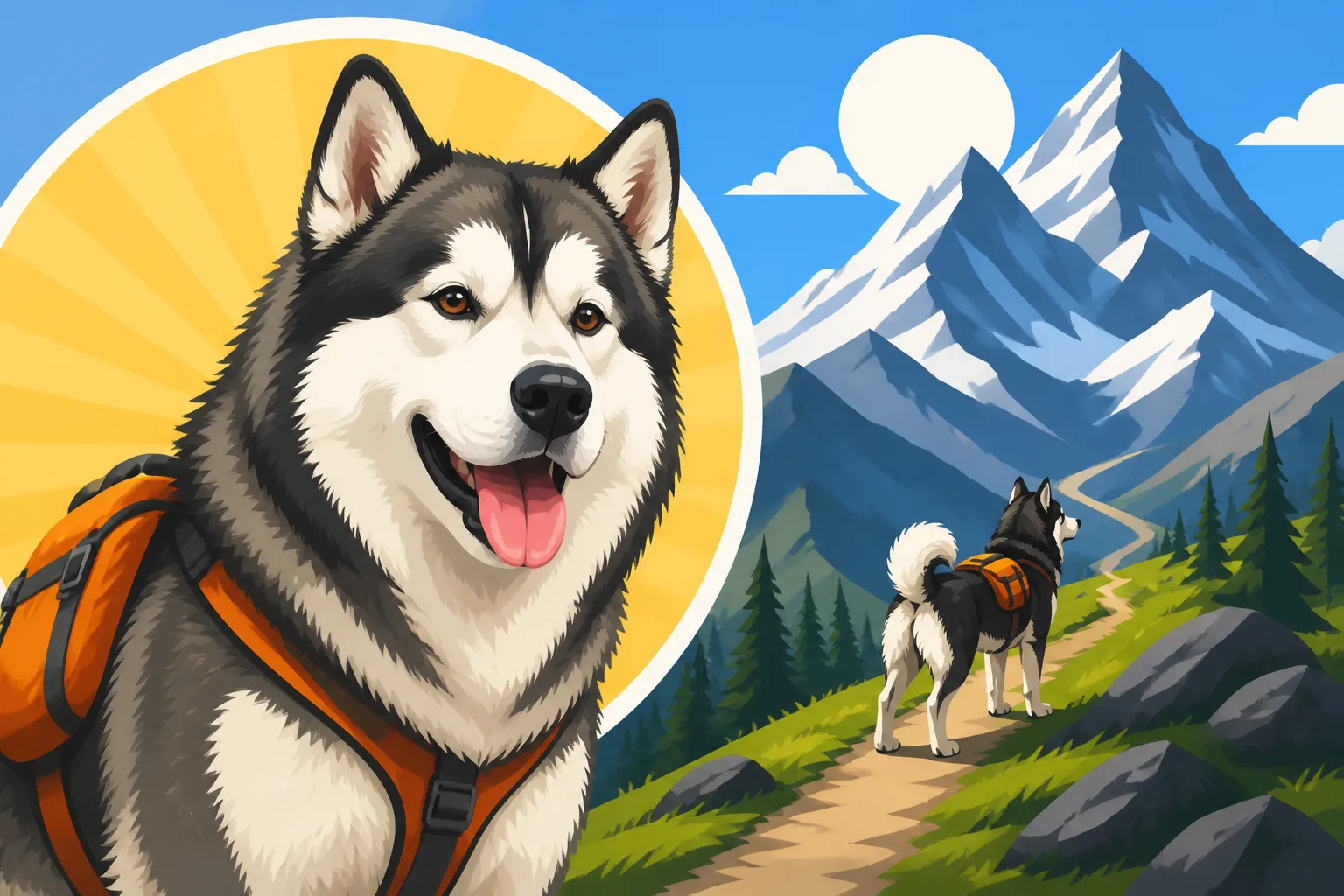
Part of this conditioning might involve introducing a backpack designed for dogs. Many Malamutes enjoy having a job, and carrying their own water or treats can give them a sense of purpose on the trail. Just ensure the pack is properly fitted and not overloaded. How Much a Malamute Should Carry on a Hike provides guidance on safe weight limits.
Essential Gear for Long Treks
Having the right equipment can make all the difference in comfort and safety:
- Harness: A well-fitting, comfortable harness (not a collar) is essential for control and comfort, especially if your Malamute likes to pull. A front-clip harness can help manage pulling, while a sturdy back-clip harness is good for general hiking. You'll find a wide variety of suitable harnesses and collapsible bowls on Amazon.
- Leash: A strong, 6-foot leash made of durable material. Even the most well-behaved Malamute should be kept on leash due to their strong prey drive and unreliable recall. Why an Alaskan Malamute Will Never Have a Reliable Recall is a critical read on this topic.
- Water and Bowls: As mentioned, plenty of water and a portable bowl.
- First Aid Kit: A canine first aid kit with bandages, antiseptic wipes, paw protection (booties or balm), tweezers for ticks, and any necessary medications for your dog.
- Poop Bags: Pack out everything your dog packs in.
- GPS Tracker: In case your Malamute manages to slip away, a GPS tracker can be a lifesaver. Why a GPS Collar Is Essential for a Malamute explains the importance of this tech.
Reading Your Malamute's Signals
Your Malamute can't tell you they're tired, thirsty, or too hot, so it's your job to read their body language.
- Signs of Fatigue: Excessive panting (more than usual for the exertion), lagging behind, stumbling, reluctance to move, seeking shade, dull eyes.
- Signs of Overheating: Beyond excessive panting, look for bright red gums, thick drool, staggering, vomiting, diarrhea, and confusion. These are emergencies. Signs an Alaskan Malamute Is Too Hot lists what to watch for.
- Paw Pad Issues: Frequent licking or holding up a paw can indicate a stone, a cut, or simply sore pads. Check their feet regularly.
If you observe any of these signs, especially those related to overheating, stop immediately, find shade, offer water, and consider turning back. Your dog's well-being is always more important than reaching a summit.
Training for Trail Manners
A well-behaved Malamute on the trail is a joy, a poorly behaved one can be a disaster. Focus on:
- Leash Walking: Consistent loose-leash walking training is crucial. A Malamute pulling constantly for hours will exhaust both of you.
- "Leave It" and "Drop It": Essential for keeping them from ingesting questionable items or chasing wildlife.
- Recall (Realistic Expectations): While a truly reliable recall is almost impossible for a Malamute due to their intense prey drive, practicing recall in controlled environments is still valuable for general obedience. Programs like BAXTER & Bella can help establish crucial commands through positive reinforcement, though remember that their deep-seated instincts mean they should almost always remain leashed on public trails. Why an Alaskan Malamute Will Never Have a Reliable Recall truly drives this point home.
- Socialization: Expose them to different sights, sounds, people, and (well-behaved, leashed) dogs from a young age so they are comfortable and calm on busy trails.
Practical Considerations for Enjoying Long Hikes Safely
An "all-day" hike with a Malamute isn't necessarily 8 hours of non-stop walking. It's about a well-managed excursion that prioritizes their safety and enjoyment.
Pacing and Scheduled Breaks
Don't push for speed. Maintain a consistent, moderate pace that allows your Malamute to trot comfortably without constant gasping. Schedule regular breaks—every hour or so—for water, a quick snack, and a chance to lie down and rest in the shade. These breaks are especially important in warmer weather, allowing their body temperature to regulate. Observe how they utilize these breaks. Do they collapse with exhaustion, or do they perk up quickly? Their response will tell you if your pace is appropriate.
Knowing When to Turn Back
One of the hardest lessons for an enthusiastic hiker is knowing when to call it quits. If the weather changes unexpectedly, if your Malamute shows persistent signs of fatigue or discomfort, or if you yourself are struggling, it's always best to turn around. No hike is worth risking your dog's health or your own safety. A shorter, safe hike is always better than an ambitious one that ends in distress or injury.
Post-Hike Recovery and Care
After a long hike, your Malamute will need some TLC.
- Hydration: Ensure they have ample fresh water available upon returning home.
- Rest: Let them rest in a cool, comfortable spot. Avoid immediately offering a huge meal, as this can sometimes contribute to bloat in deep-chested breeds. Offer a smaller, easily digestible meal a little while after they've settled. Whether a Malamute Should Rest After Eating is important reading for bloat prevention.
- Check-Up: Give them a thorough once-over. Check their paws for cuts, blisters, or embedded debris. Brush out any burrs or ticks from their coat. Look for any signs of soreness or stiffness. A warm, gentle massage can help relax their muscles.
- Nutrition: For very active Malamutes, consider supplementing their diet with joint support. Joint Supplements for an Alaskan Malamute might be a good idea, especially as they age or if they're frequently on challenging terrain.
Here’s a quick overview to help you decide if an all-day hike is right for your Malamute:
| Aspect | Pros for All-Day Hiking with a Malamute | Cons for All-Day Hiking with a Malamute |
|---|---|---|
| Endurance | Excellent stamina for steady, long-distance travel. | Built for freighting (power), not speed or agility over obstacles. |
| Coat | Provides superb insulation in cold weather. | Significant risk of overheating in mild or warm weather. |
| Prey Drive | Strong motivation to move forward. | High risk of chasing wildlife; mandates strict leash use. |
| Physicality | Robust build and strong physique. | Can be prone to joint issues like hip dysplasia with overexertion. |
| Mental Stimulation | Provides essential mental and physical enrichment. | Can become bored or stubborn if not adequately challenged or motivated. |
| Owner Effort | Rewarding bond-building experience. | Requires extensive planning, gear, and constant vigilance from owner. |
In conclusion, an Alaskan Malamute can hike all day, but it's not a given and requires careful planning, ideal conditions, and a realistic understanding of their breed-specific needs and limitations. It means choosing the right trails, the right weather, carrying the right gear (much of which is available on Amazon), and always putting your furry partner's well-being first. With proper preparation and attentive care, you and your Malamute can share many wonderful, long adventures on the trails.
Disclaimer
This article is for general informational purposes only and does not constitute professional advice. Laws, prices and regulations vary by location and change over time. Consult a qualified professional for guidance on your specific situation.